
It was November 2015 the first time setting foot in Nunavut for work. Landed in a Kitikmeot town for Nursing through an agency, and do remember very well how that first week was a real test. A Friday night on-call, again my first, and after a regular full workday I started off the overnight OT shift with a dirty needlestick injury, driving an 18G right through the palm of my hand and fully up the inside of my thumb. Was only trying to help the midwives out with a delivery… Short while later, a seizure patient with a head injury and one bloody mess to clean and stitch up, I monitored this patient for hours before safely discharging. No sooner did they go, the patient transfer vehicle and volunteer firefighters brought in a patient with vital signs absent. Full Code Blue called, the team arrived and we did all we could. By the time this shift ended it was 8:30am and I had pulled a round the clock 24 hours, and that’s when Bren texted, “you need to call your dad.” Never in my life had I received any message like that, once phoning he let me know my Grandmother had passed away unexpectedly in the night.
.
I was right fucking fried at that point. Sat mid morning in this little one bedroom apartment they’d stuffed me in, have no idea how some hours passed. The room was cold too, that I remember. The heat was busted and I’d mentioned it to the Supervisor a couple of times but he wasn’t one to listen much. To keep the place warmer, while there I just cranked the stove oven full blast at times and dropped the door wide open. Some mornings could heat 10C up to 13C, it was like camping. Anyways, not having eaten all that night it was noon hour while searing a steak when I set off the fire alarm for the entire Nurse’s residence. Complaints in the hallway, people in a state, when a same firefighter arrived who’d brought in the DOA person those wee hours earlier, he passed a snide remark my way. He had a real punch-able looking face but I’d have restraint, again I’d only been in community, in Nunavut for that matter, just a few days.
.
Come the Monday in morning team report it felt like a lot of bowed heads with eyes were upon me, had only told one other Nurse by this point about the goings on with call. Some awkward silence there was with a few. Finally when the Supervisor had me alone he gave his condolences and asked, “what are your plans, do you need to go home..?” Felt like a test it did, but there was no way I could leave. A winter blizzard was to set to storm in the very next day and when it did arrive winds blew whiteout conditions for several days, there’d be no planes into community. Even if a seat were available flights were about $6700 for two days home, three or four days there, and two days to get back up for work. That didn’t matter though, as said, the Arctic grounded me while my girls cried at home without their dad. Told the Supervisor I was staying and that I’d be alright.
.
A decade later I’m still alright… not always happy about shit but for the most part still a work in progress. In fact, it is a job that is meaningful, fulfilling and rewarding enough that there’s little else I could envision doing in its place. The Inuit of our Arctic are a people still to this day, more connected to their land and traditions than a lot of other Canadians are, I find that at least. And so, being outdoorsy, adventurous, durable, innovative, curious peoples attached to hunting, fishing and their remote community ways, I experience them quite relatable and often open. Sure, there are bad apples in every bunch but, in many towns there are good folks whose stories and smiles we’ve together taken the time for, and so we remember those meetings. Being a care-provider in the north is more than just health promotion, it is often having a pace and opportunity for making deeper or more lasting inter-personal connections. I appreciate a practice which allows me to begin and end things with each patient, while through the interaction possibly sharing a laugh or experience which makes us both happier for it. There’s more too, like the great autonomy we have in our extended practice roles, the financial and scheduling perks as well but, imagine only those without any satisfaction of feeling your skills and personality are ever well received..? That’d totally suck, you’d be a lesser person and professional for it!
.
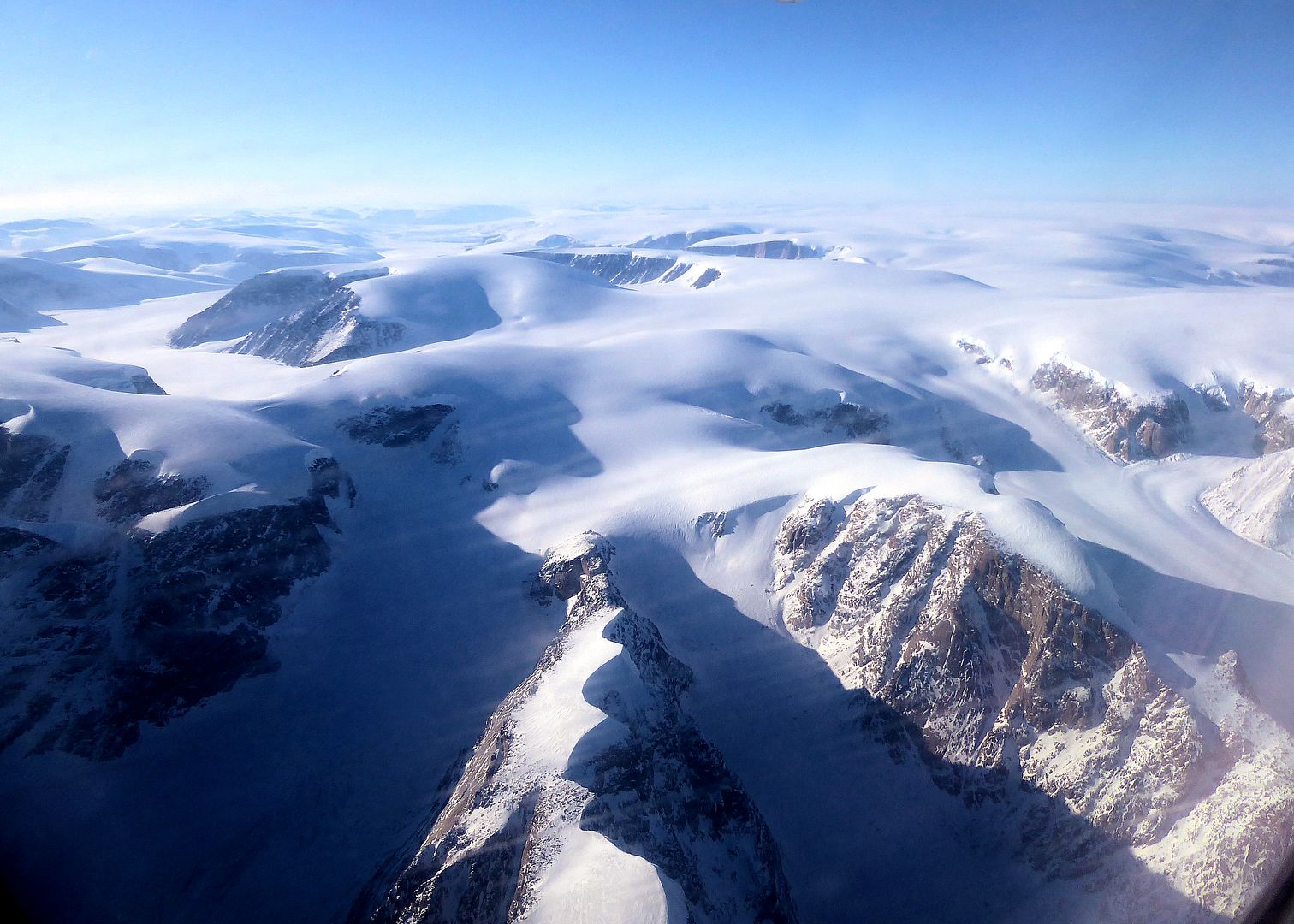
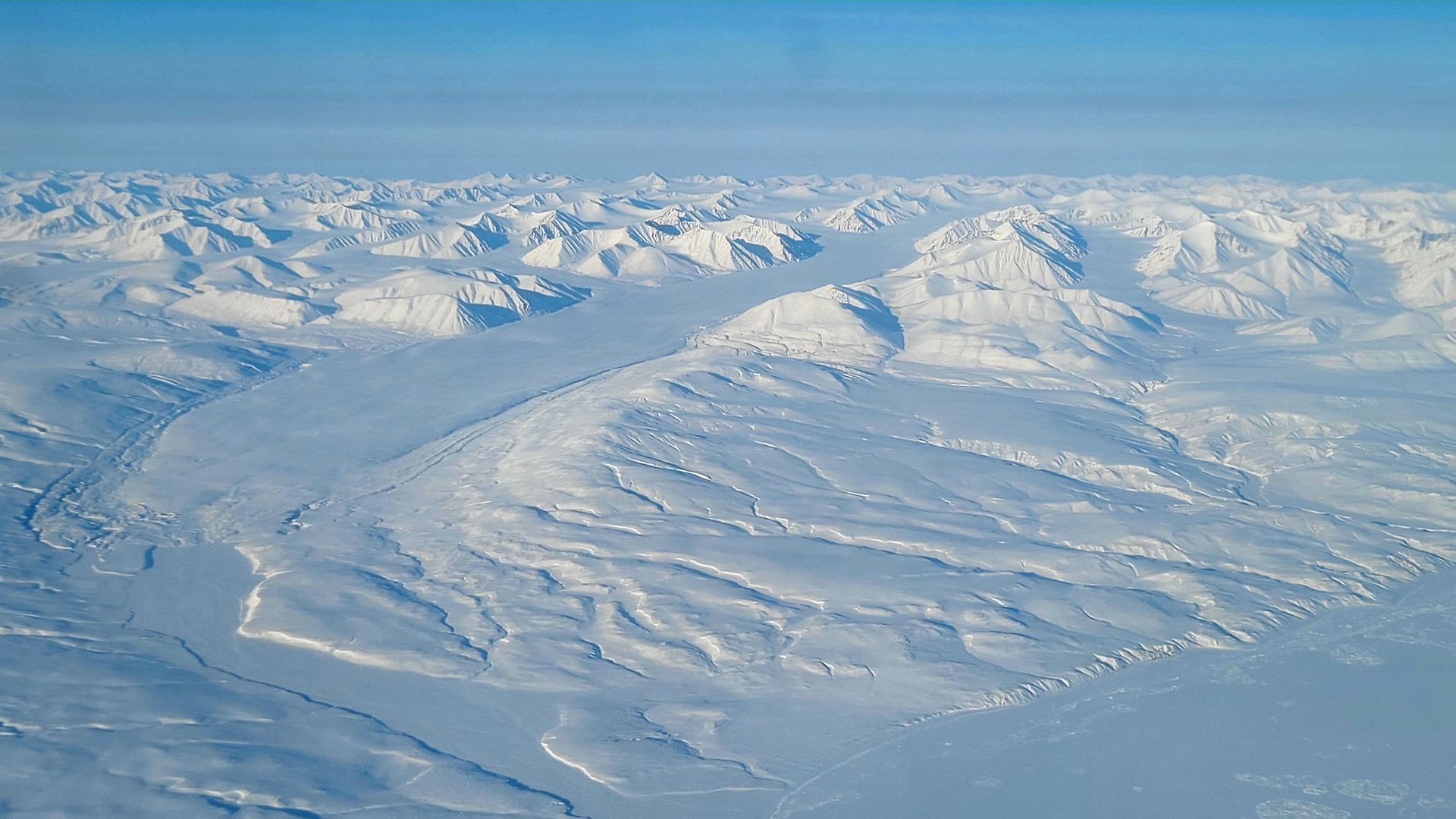
Twenty-five years Northern Nursing, ten in Nunavut and maybe like fifteen more to go, it really flies by. Buuuuut, there’s plenty been captured and still plenty to go. From several thousand photos in my archives that were whittled down from several thousand more photos taken, there’s a couple hundred here in this report to showcase a great deal of Nunavut splendor and of course, its special fishing too.
.
.
.
.
.
.
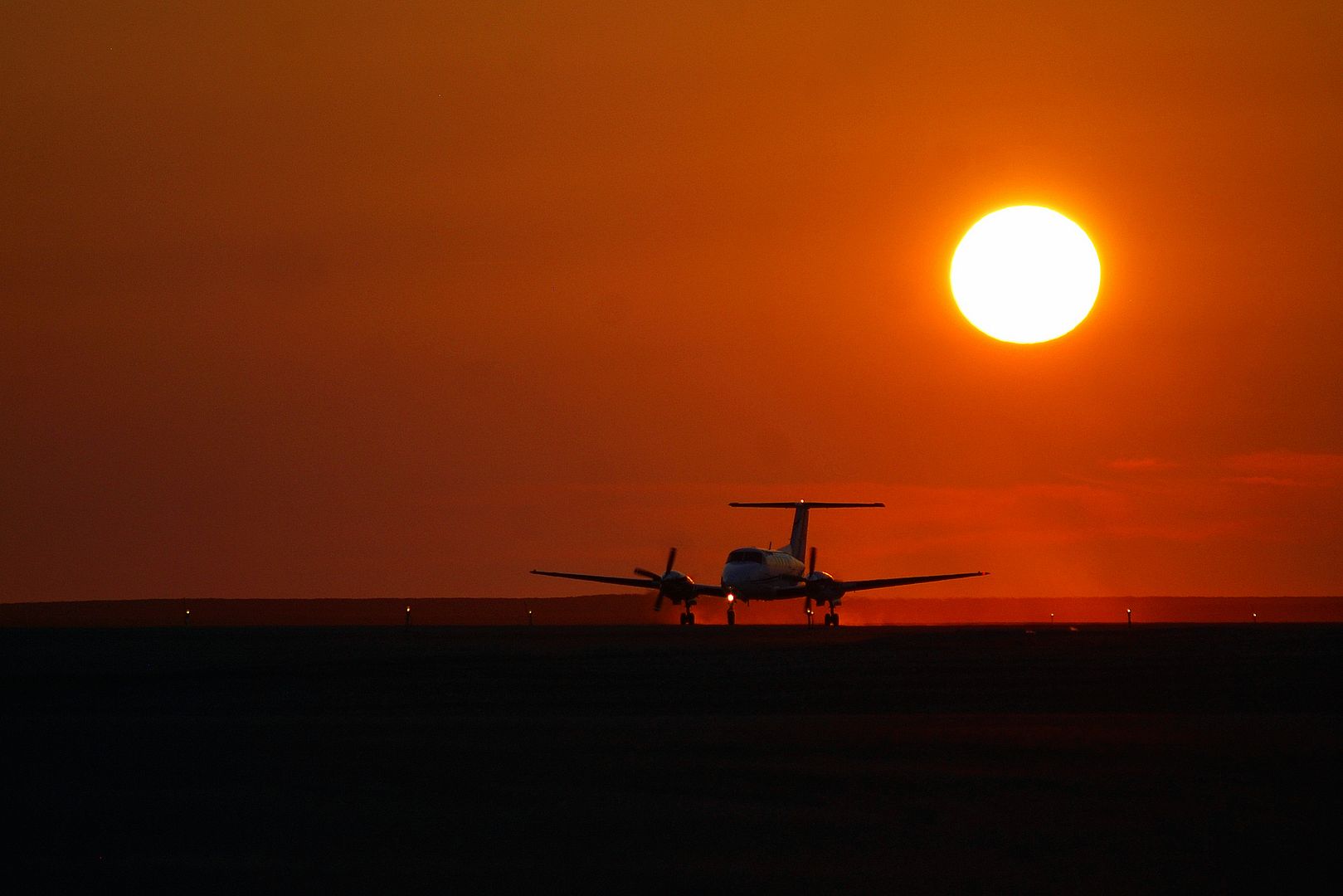
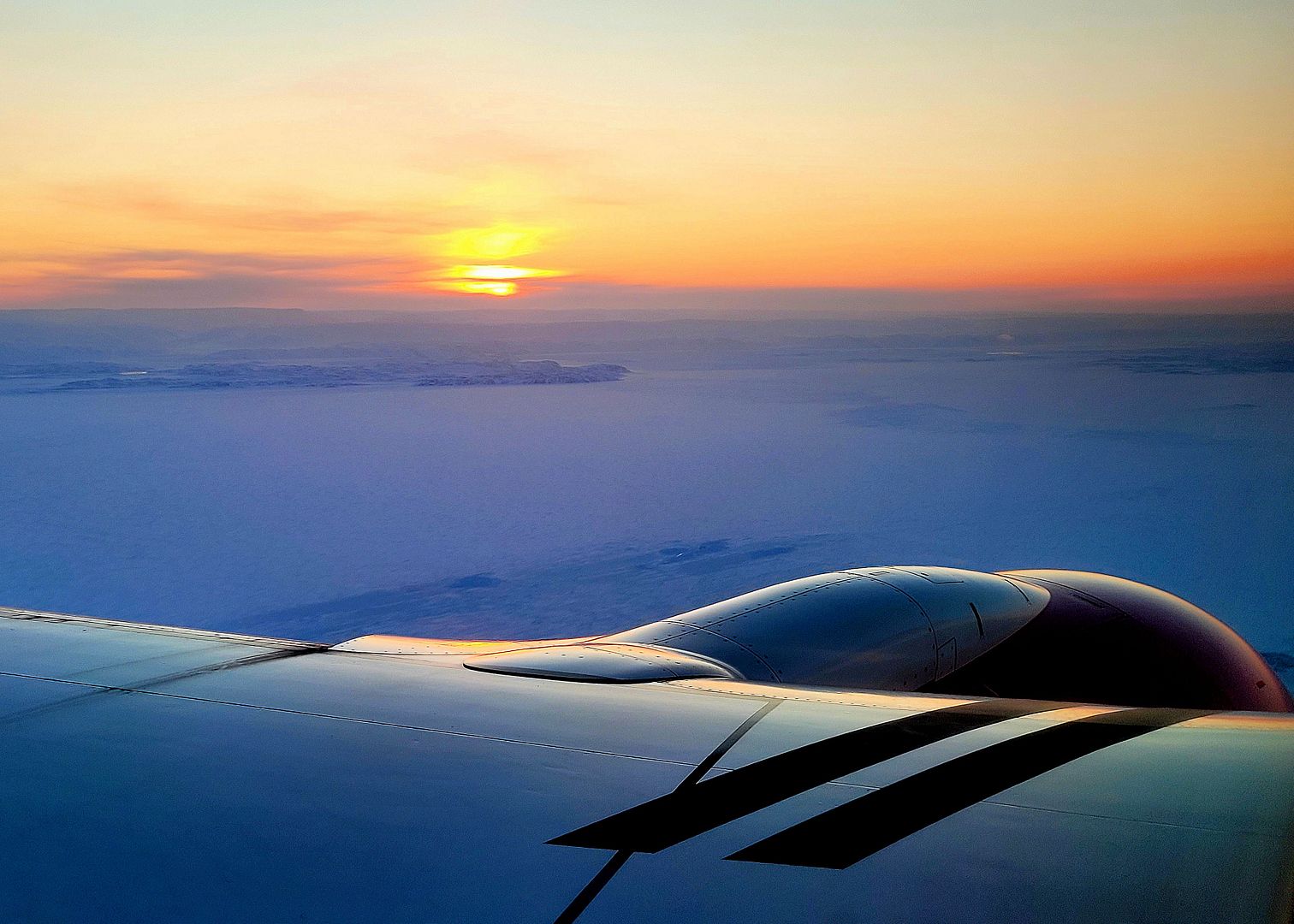
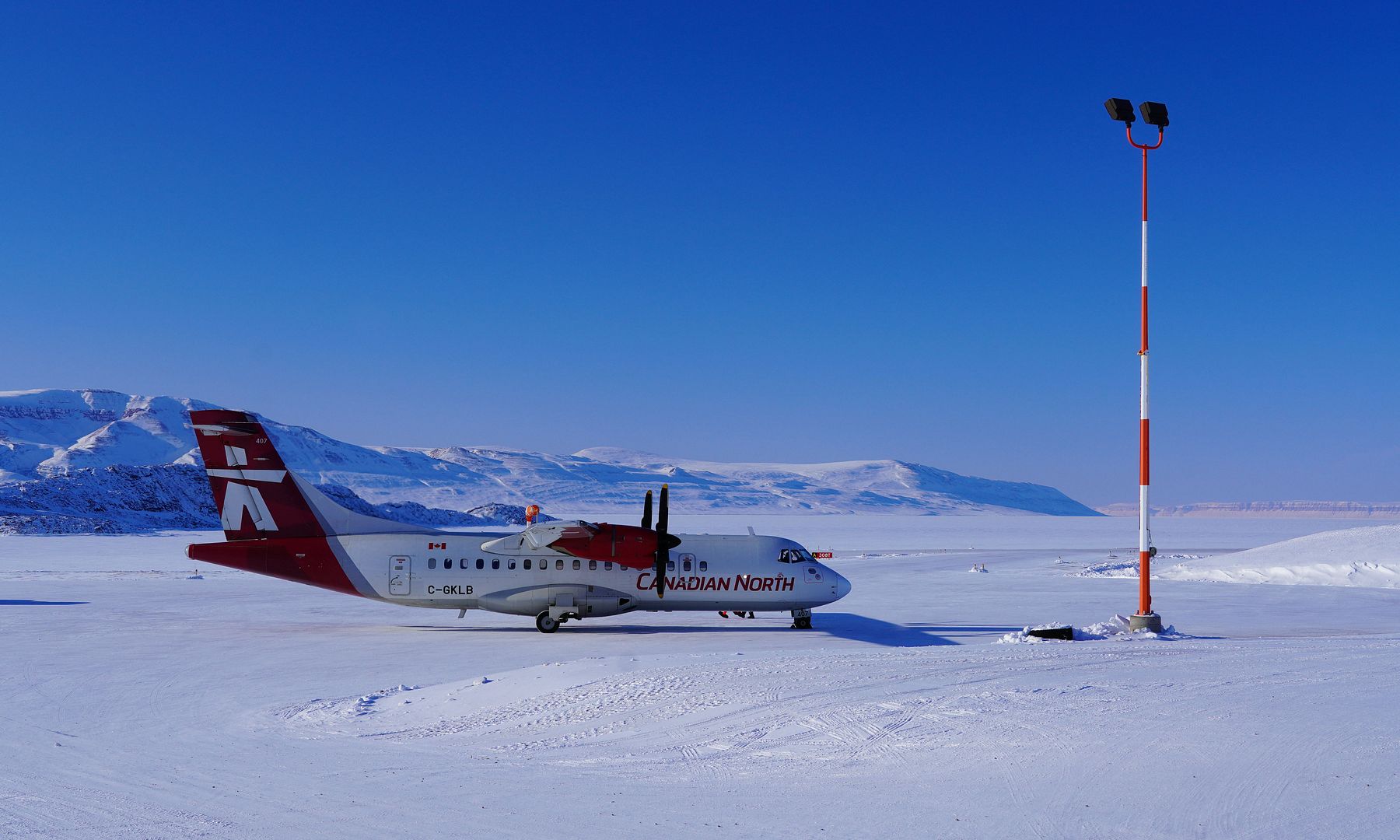
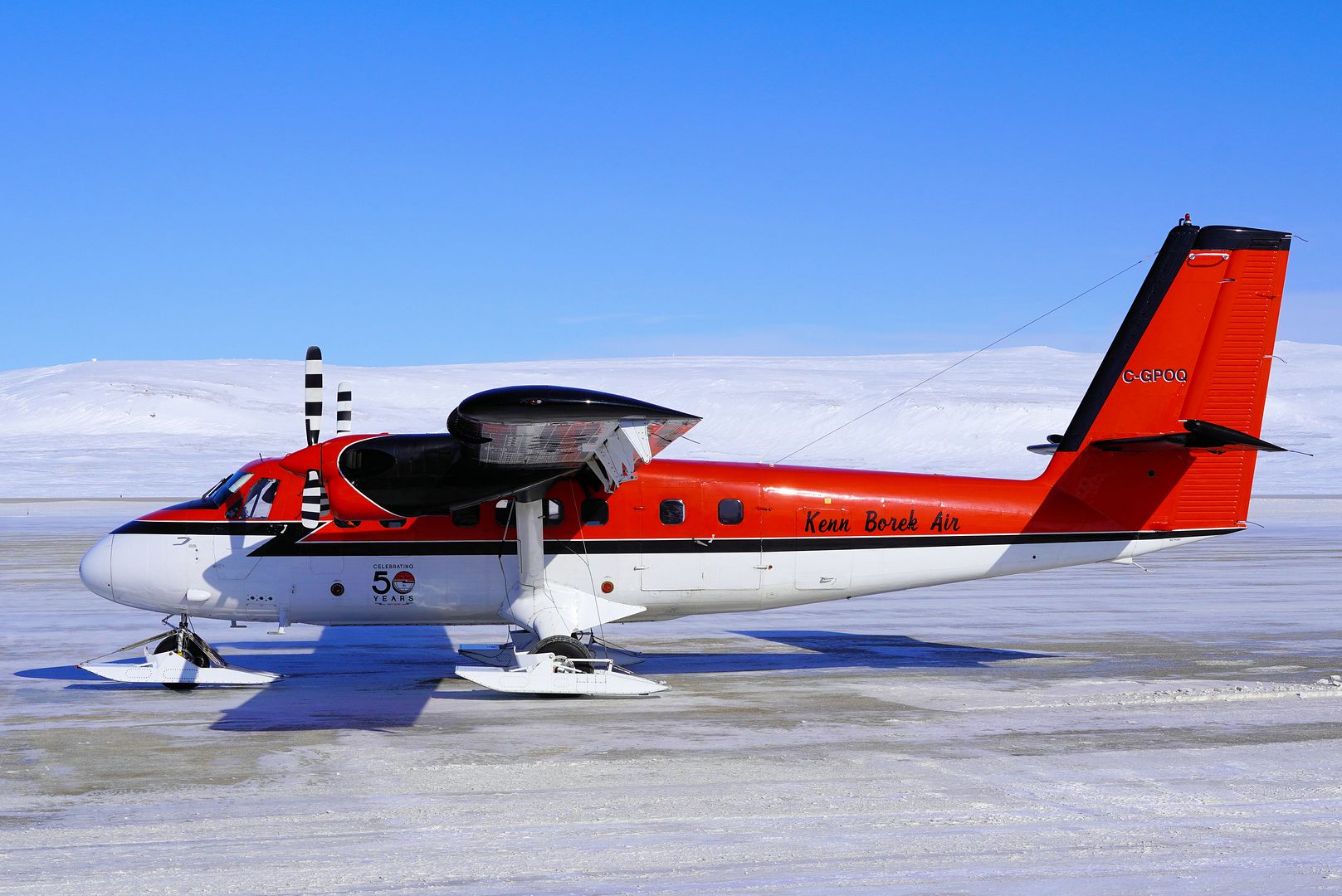
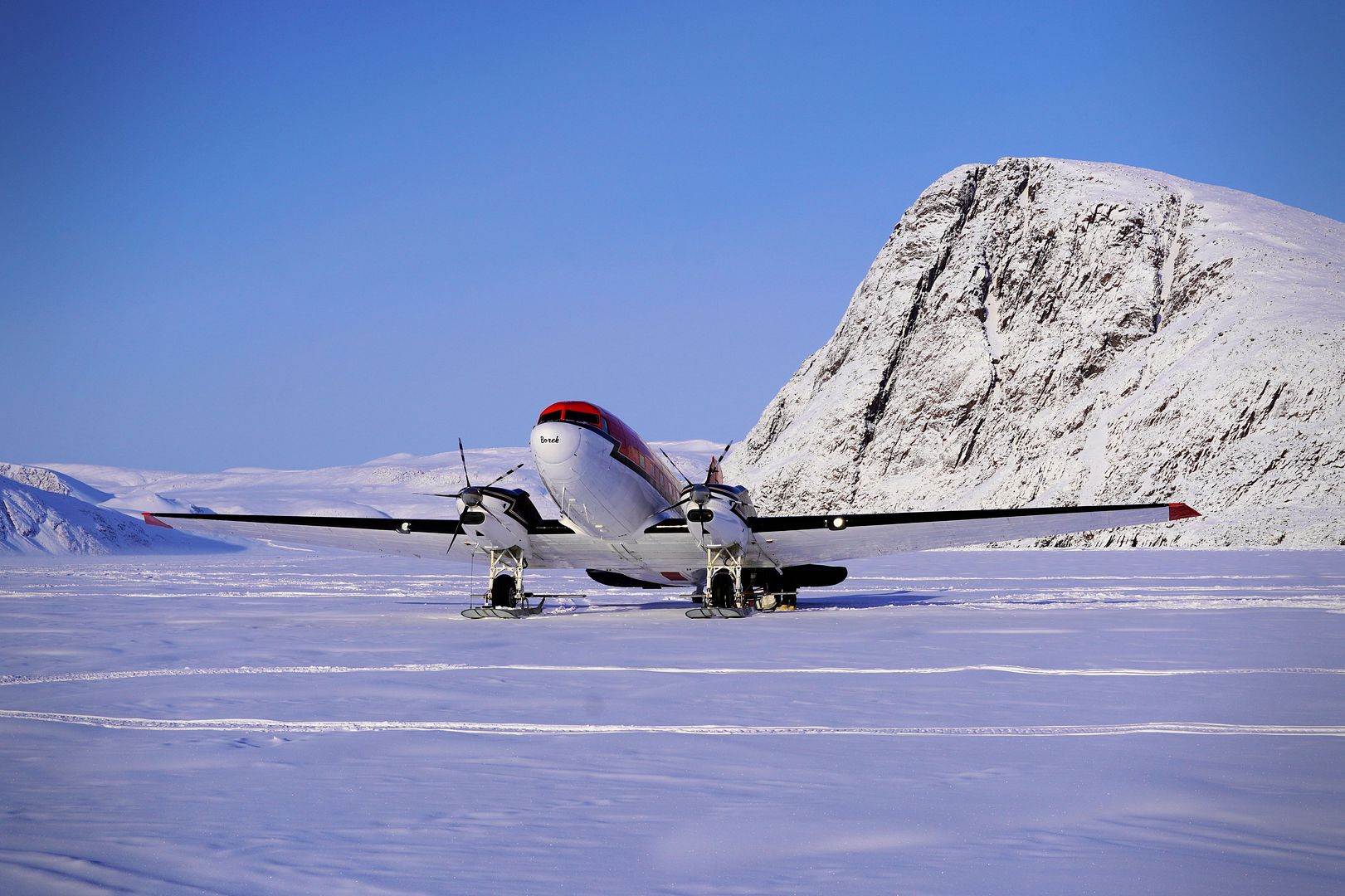
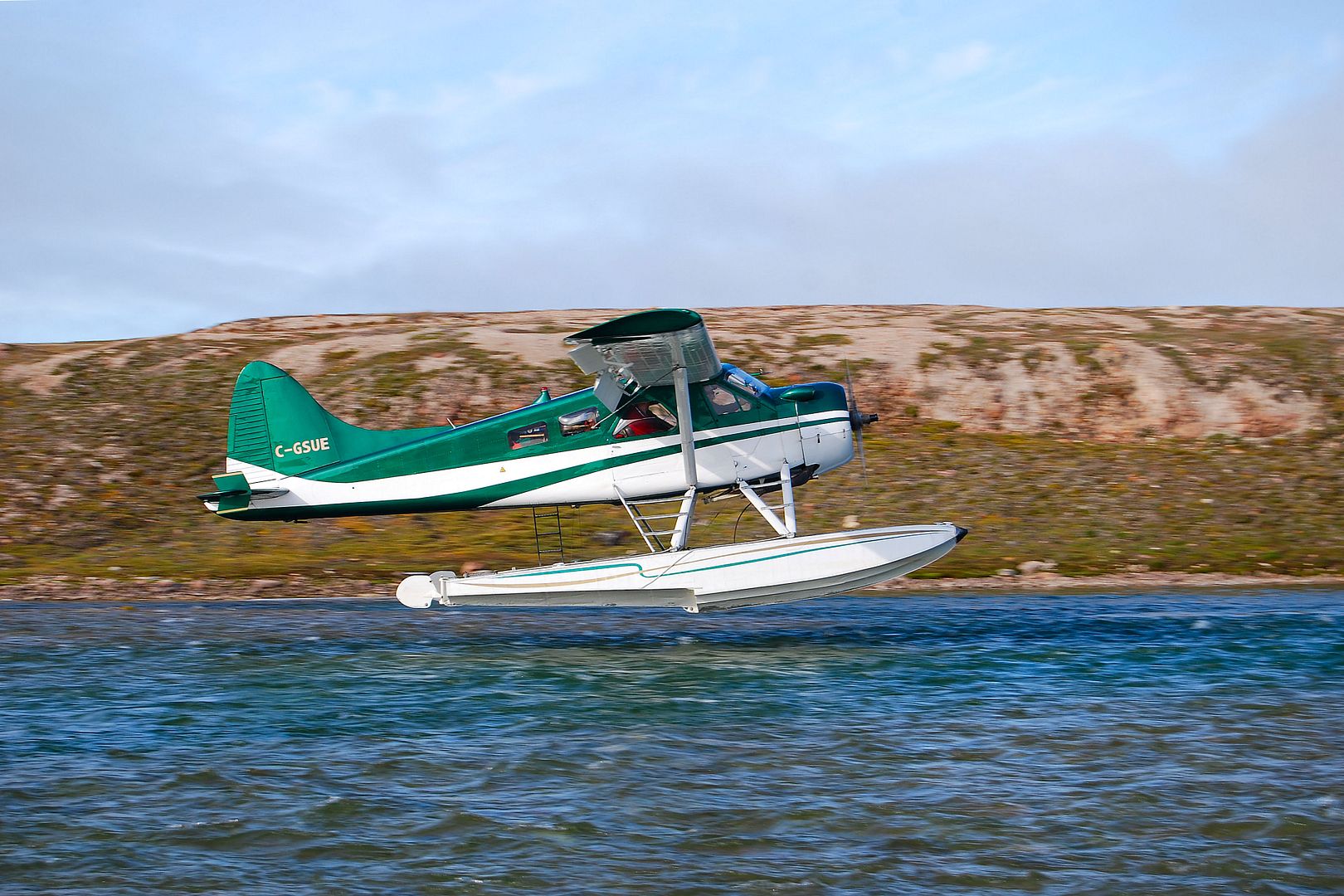
Speaking of fly byes, you gotta find some patience traveling in and out of the Arctic. Some routes can take longer than European or Asian itineraries and weather often predicts timelines. Have known the odd traveler to get trapped by weather for up to two weeks, for me four days has been the longest. With the three regions of Nunavut there are three gateways in and out to the rest of southern Canada. In Baffin that’s Ottawa, Kivalliq is Winnipeg and the Kitikmeot is Yellowknife. Being employed to choose work options in any of all of Nunavut’s 24 communities, over the past decade have taken contracts at a dozen of ’em, and been to sixteen. Much of the Kivalliq has not been seen, some places I avoid for different reasons and some, I travel to only at certain times having learned that seasonal weather patterns can raise risks of delays.
Before traveling there’s plenty of prep work. First shop Costco and other groceries stores to purchase then process generally one or two 50-pound coolers full of food. Depends on the duration of the contract, four weeks on the ground I’m usually good with one, any longer it takes two. It is a science that has been perfected. Camping, fly-in fishing trips or these work contracts, it starts with jotting down all meals planned for every day, and those necessary ingredients. With that, the servings can be accounted for and then purchased. At home, meat is processed down to the servings, fats trimmed and odds and ends included to the weekly lunch soup planning. Everything frozen, into a cooler with any other frozen food items, all has lasted several days in transit. Cold foods will often pack beside or on top of the frozen meats which I may plan to thaw sooner upon arrival, that way if any delays they’re just ready to use. Everyday is meat and eggs in the morning, every lunch is a hearty beef or chicken vegetable soup with cheese, each afternoon a protein/fruit smoothie and dinners a variety of choices. Each weeks treat is a good steak.
All other things to take north fit into a large bag rather than suitcase. For eight years the same lighter weight but durable, water resistant travel bag has been off and on dozens of flights and taken on many vacations and camping trips as well. More fragile items go in the middle of the bag, wrapped by clothing. Nothing so far has ever arrived damaged, it is like a fifty pound pillow when packed right.
.
.
.
.
.
.
.
.
.
.
.
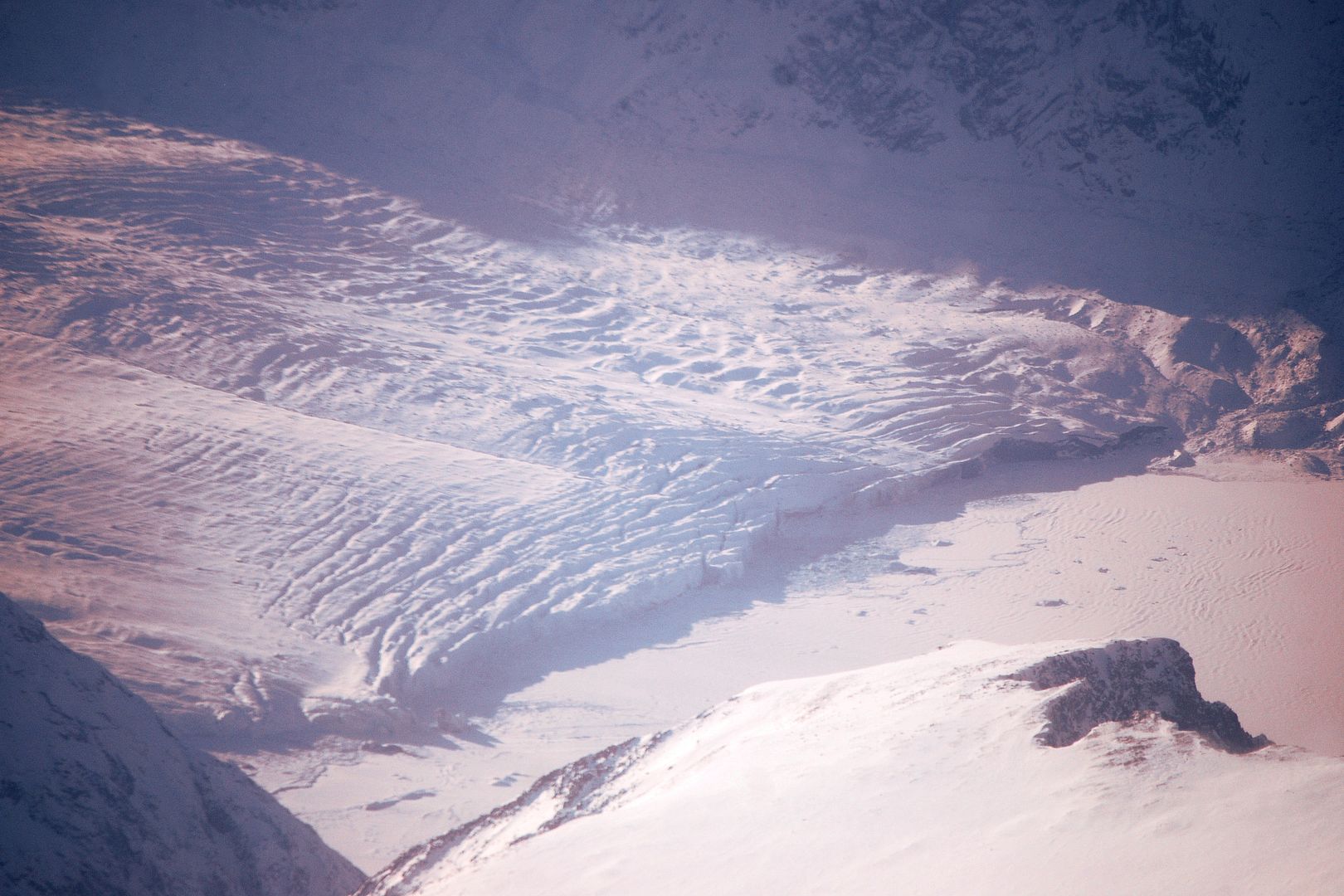
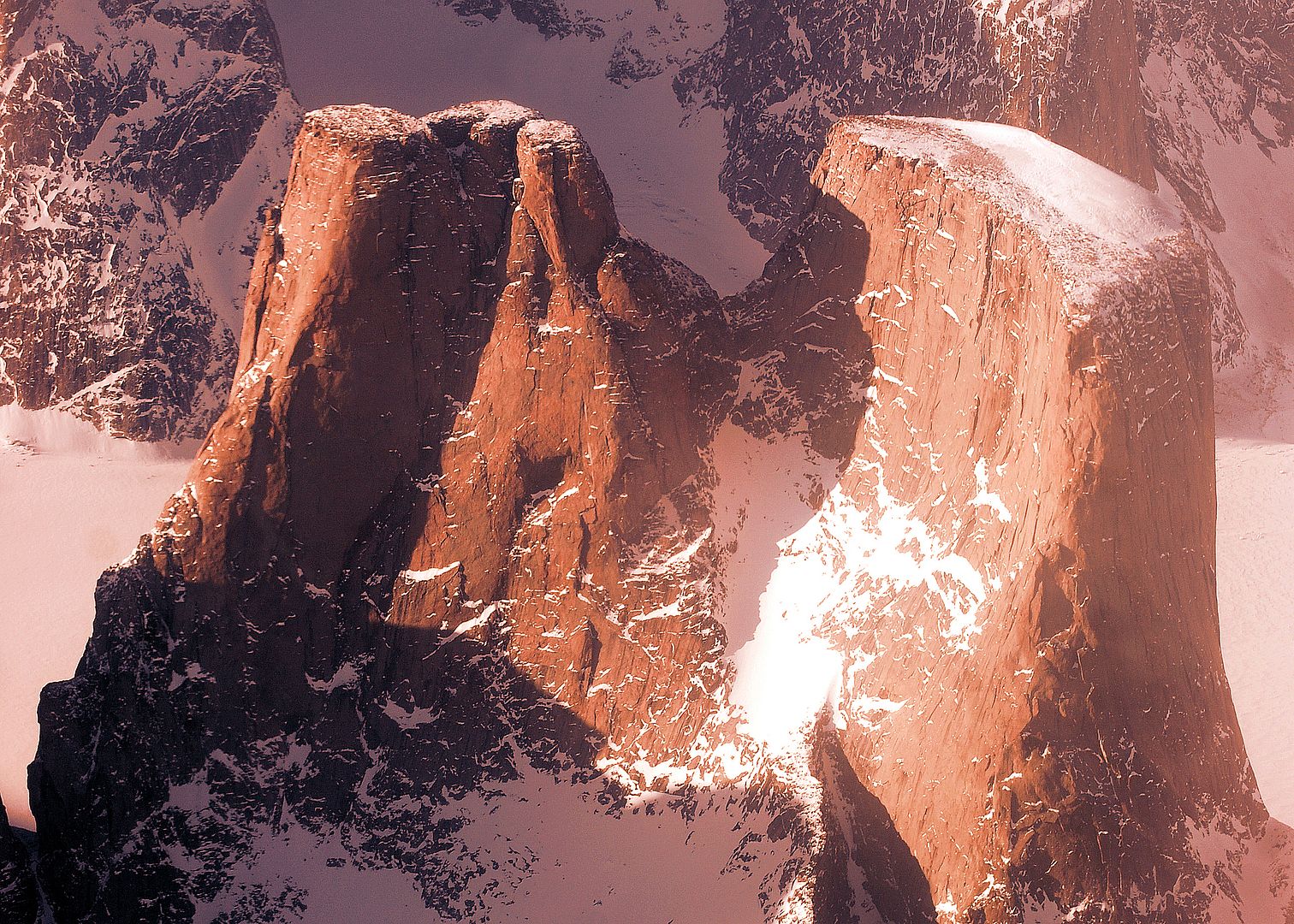
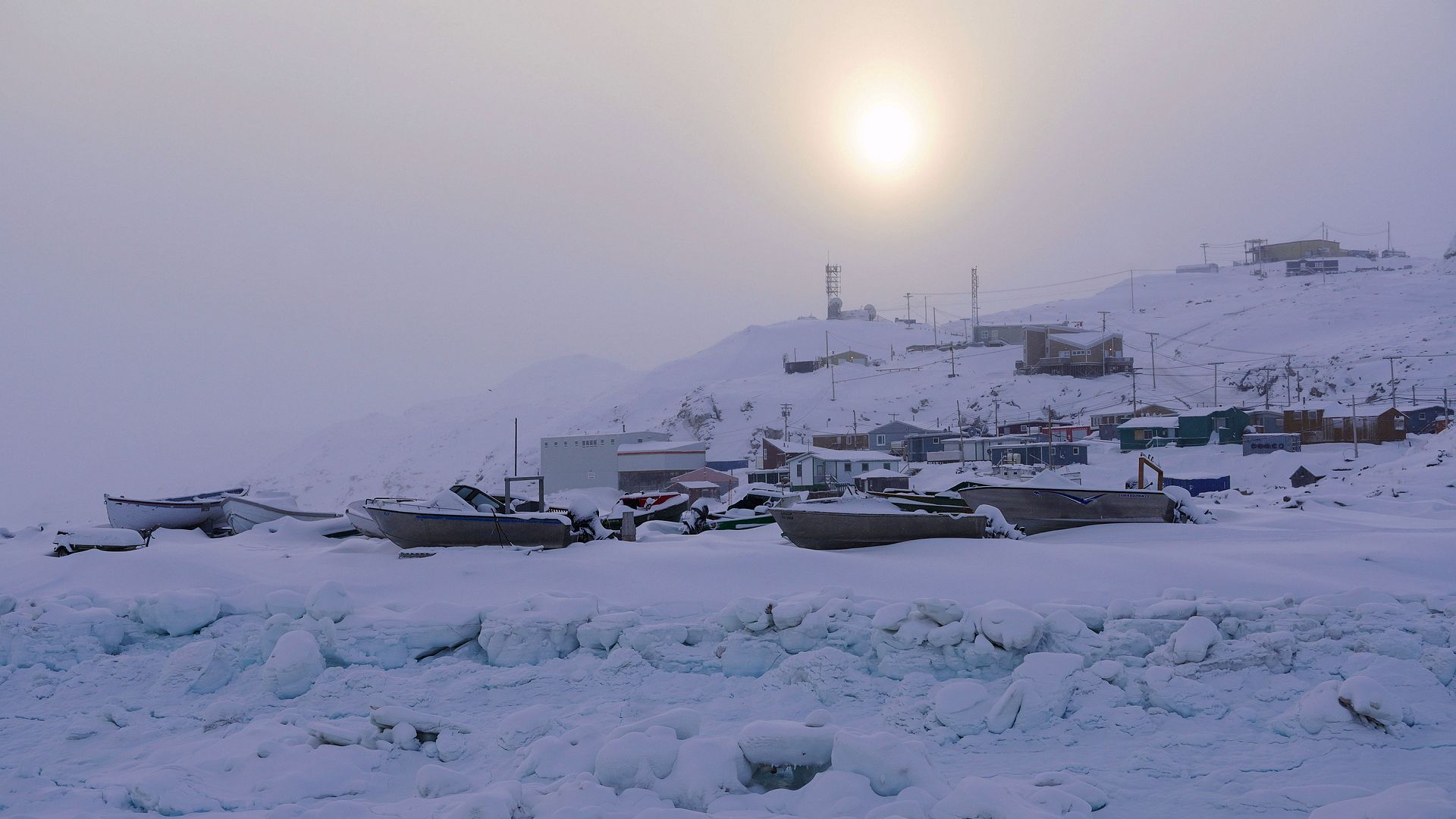
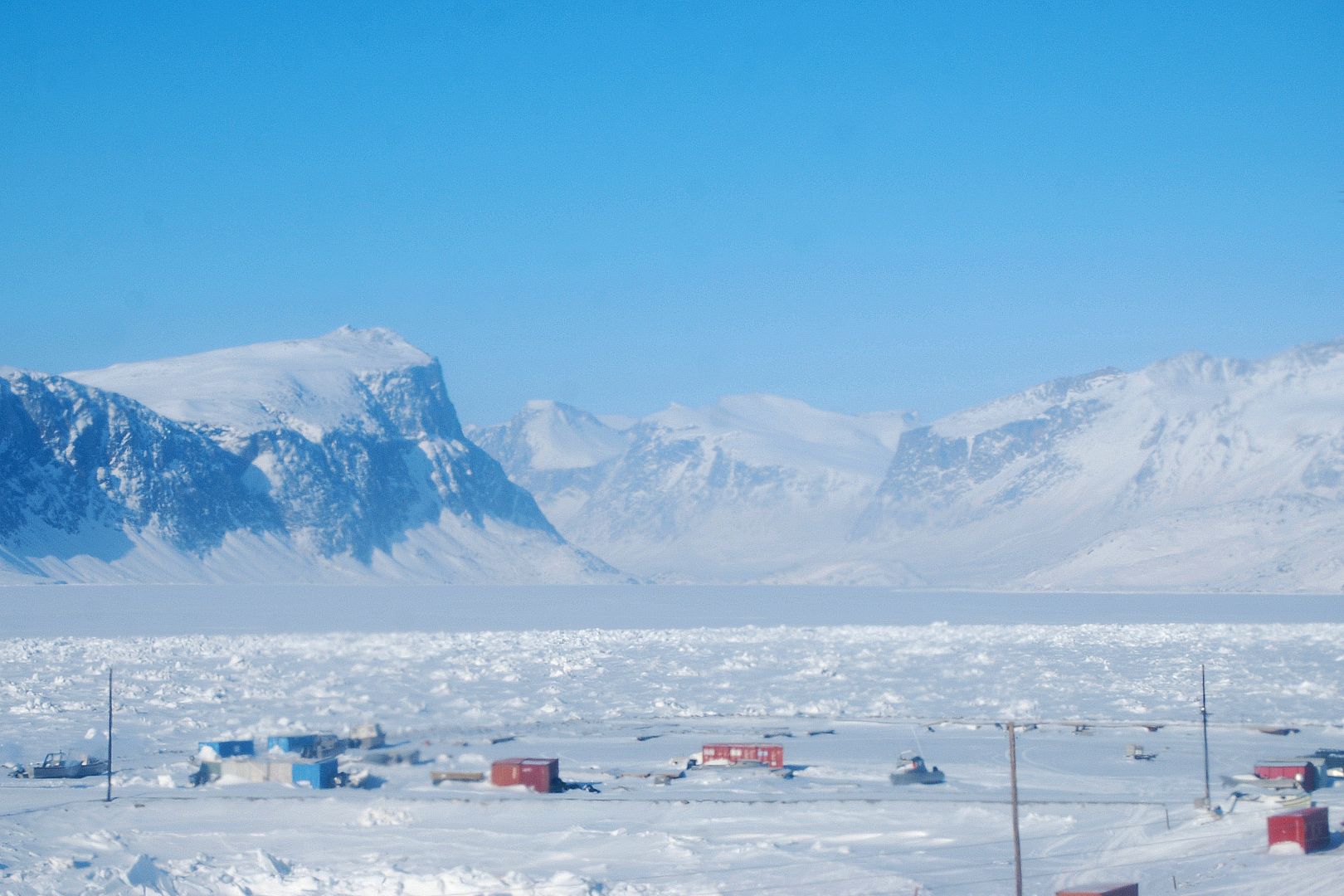
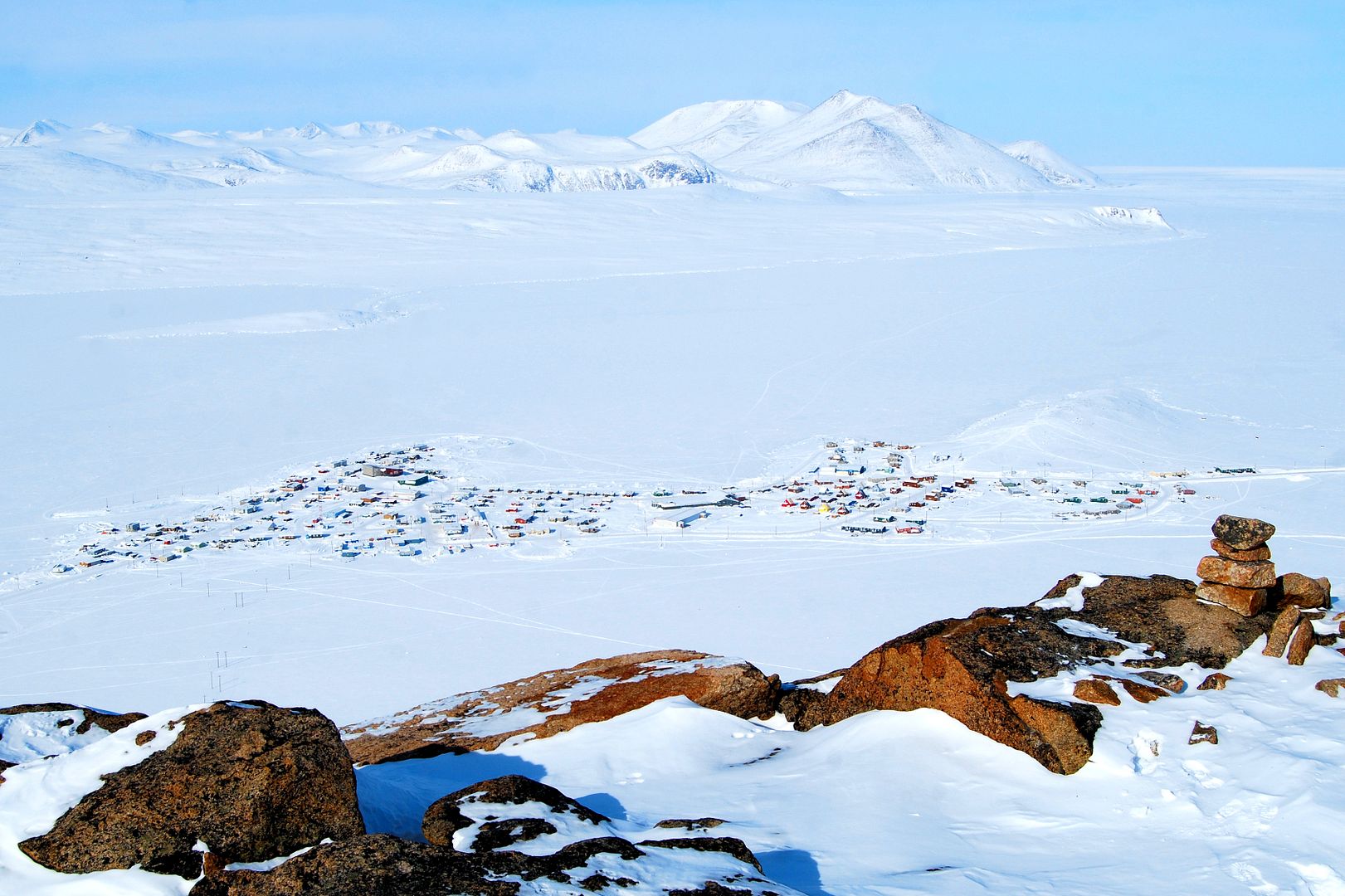
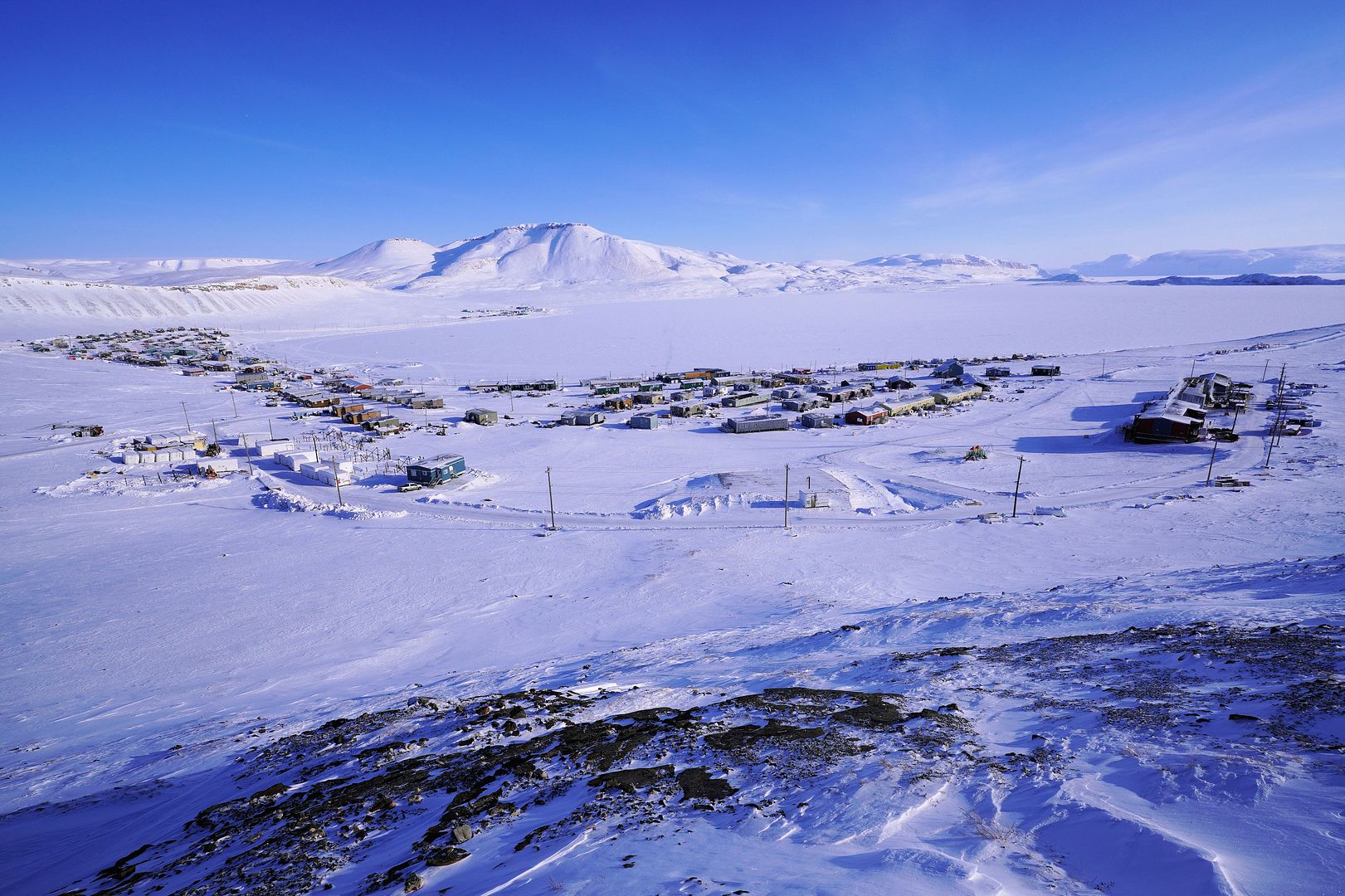
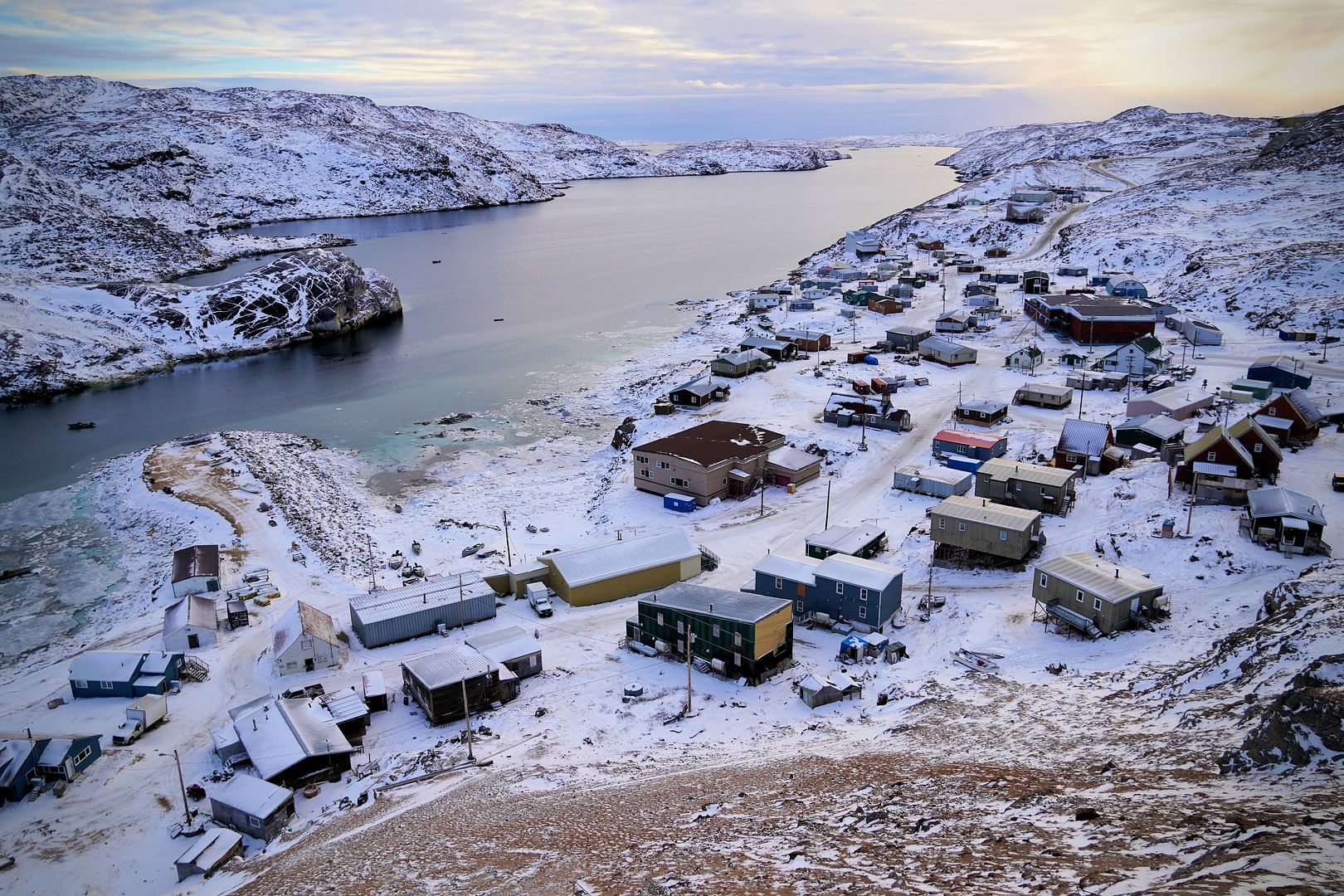
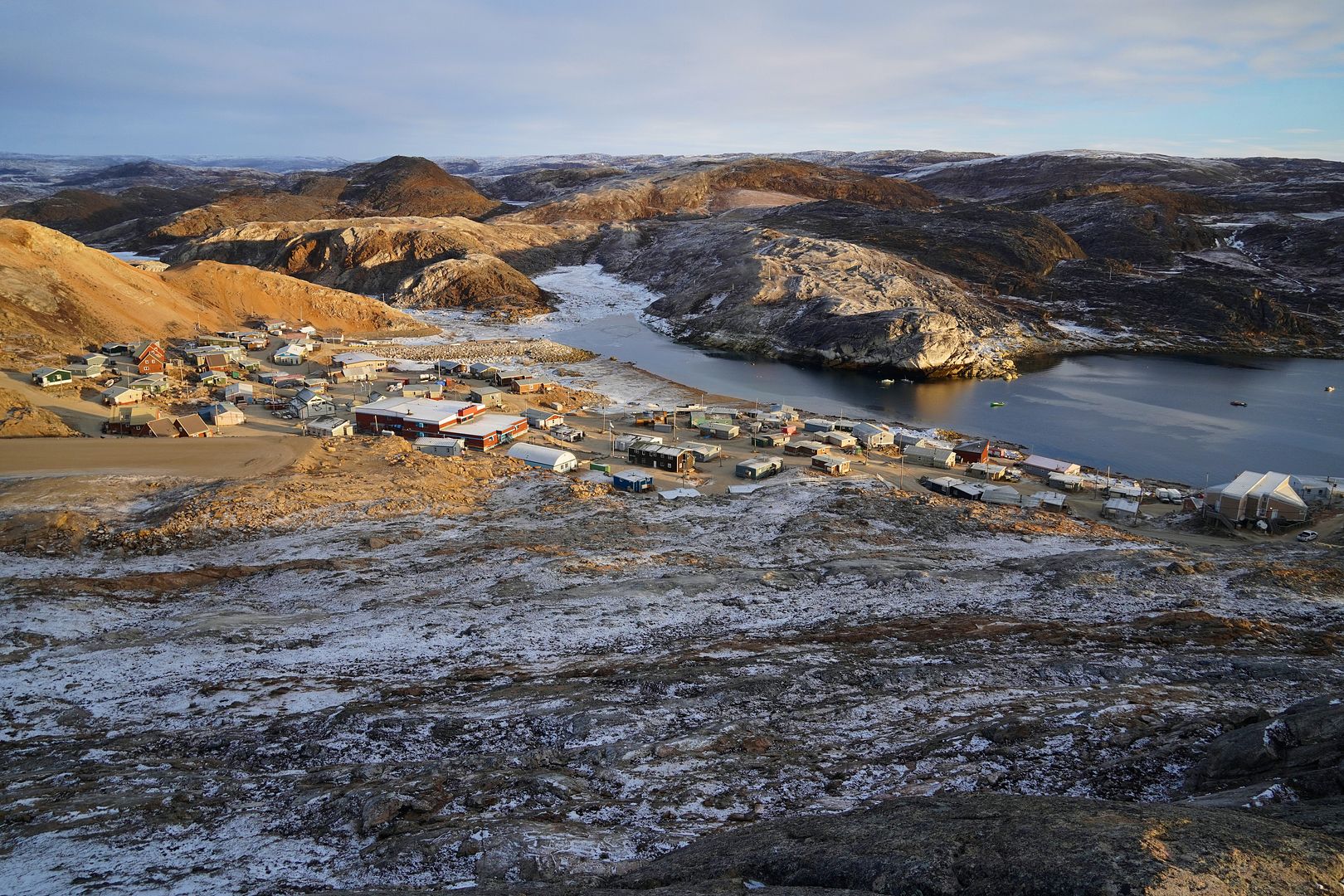
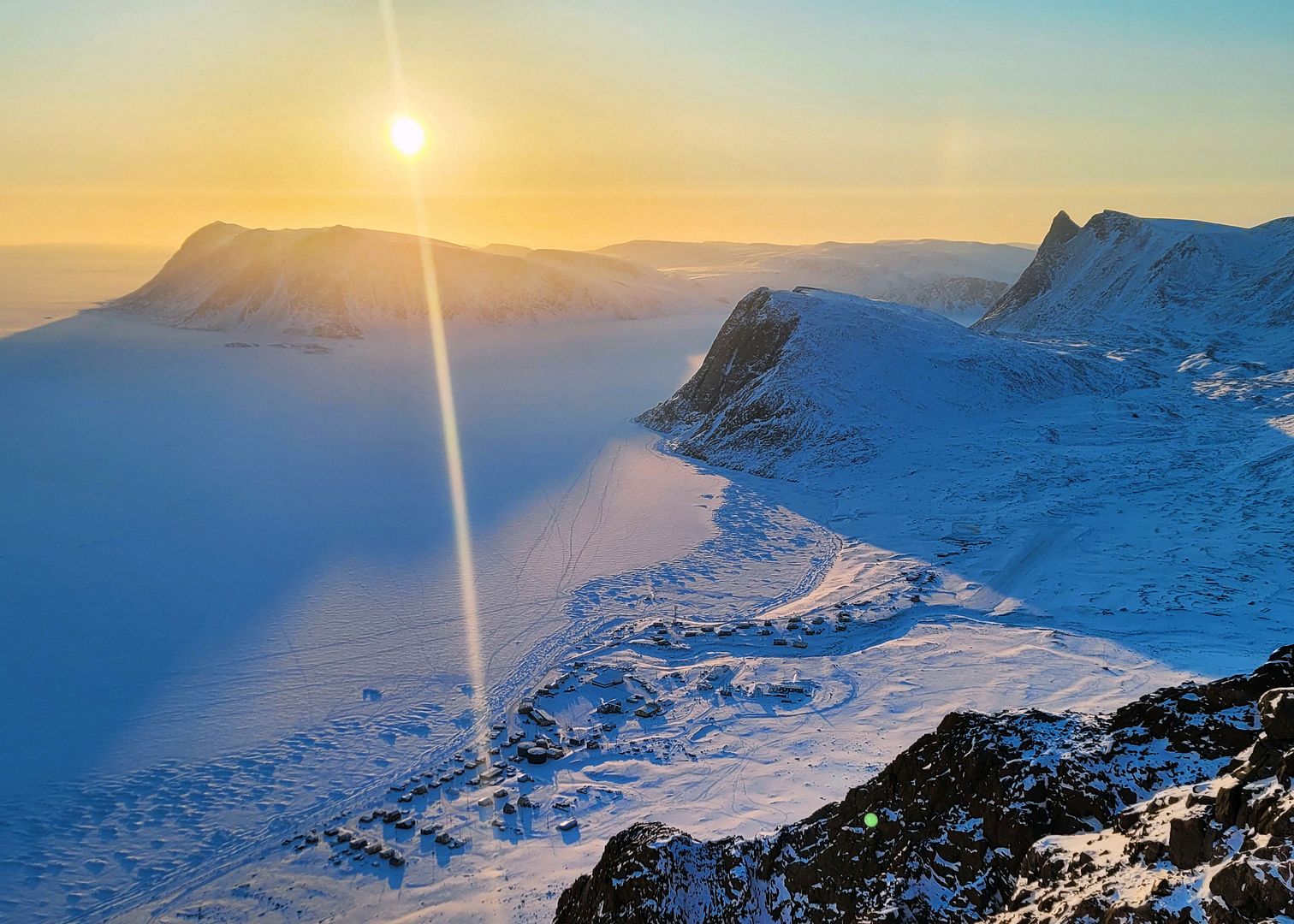
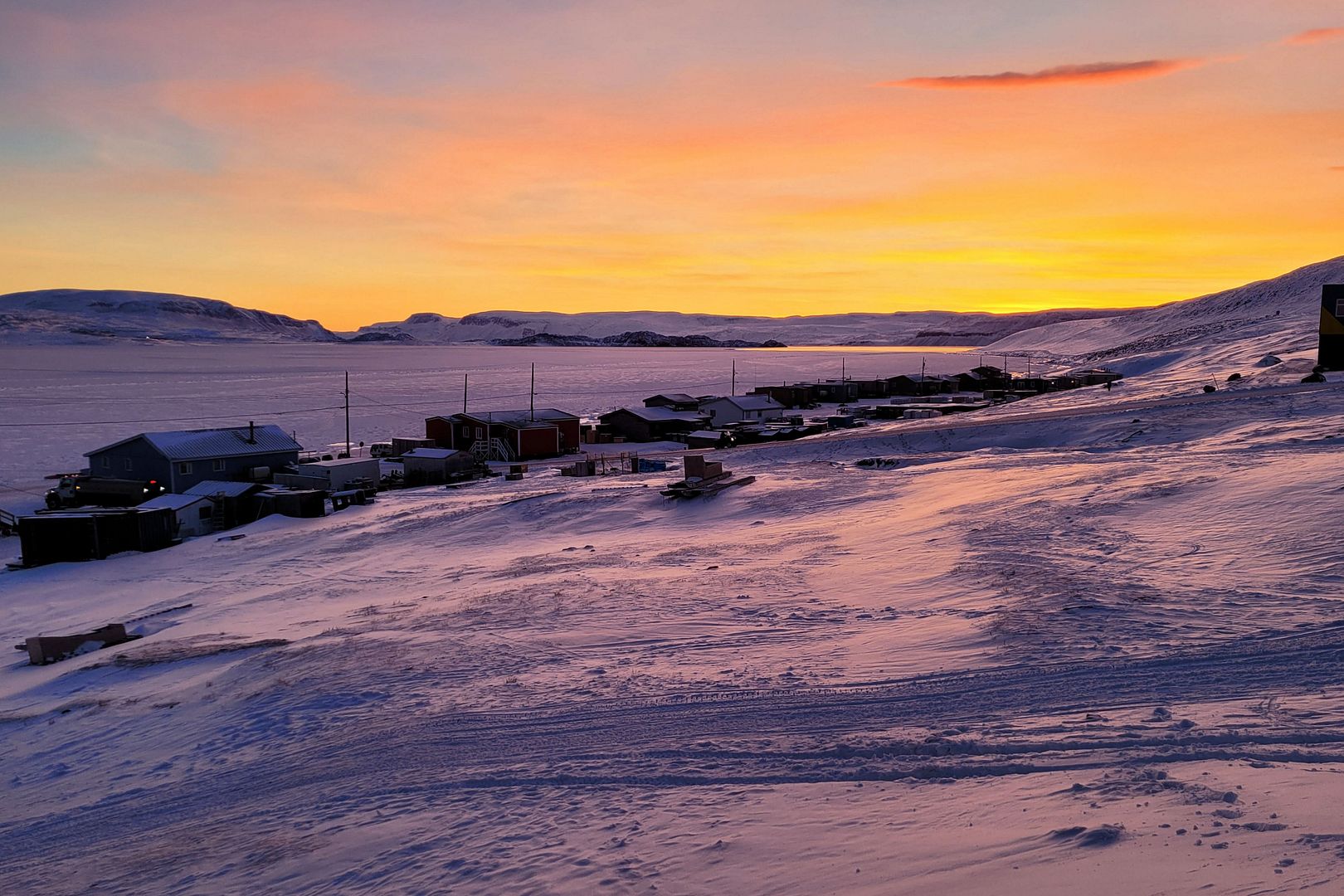
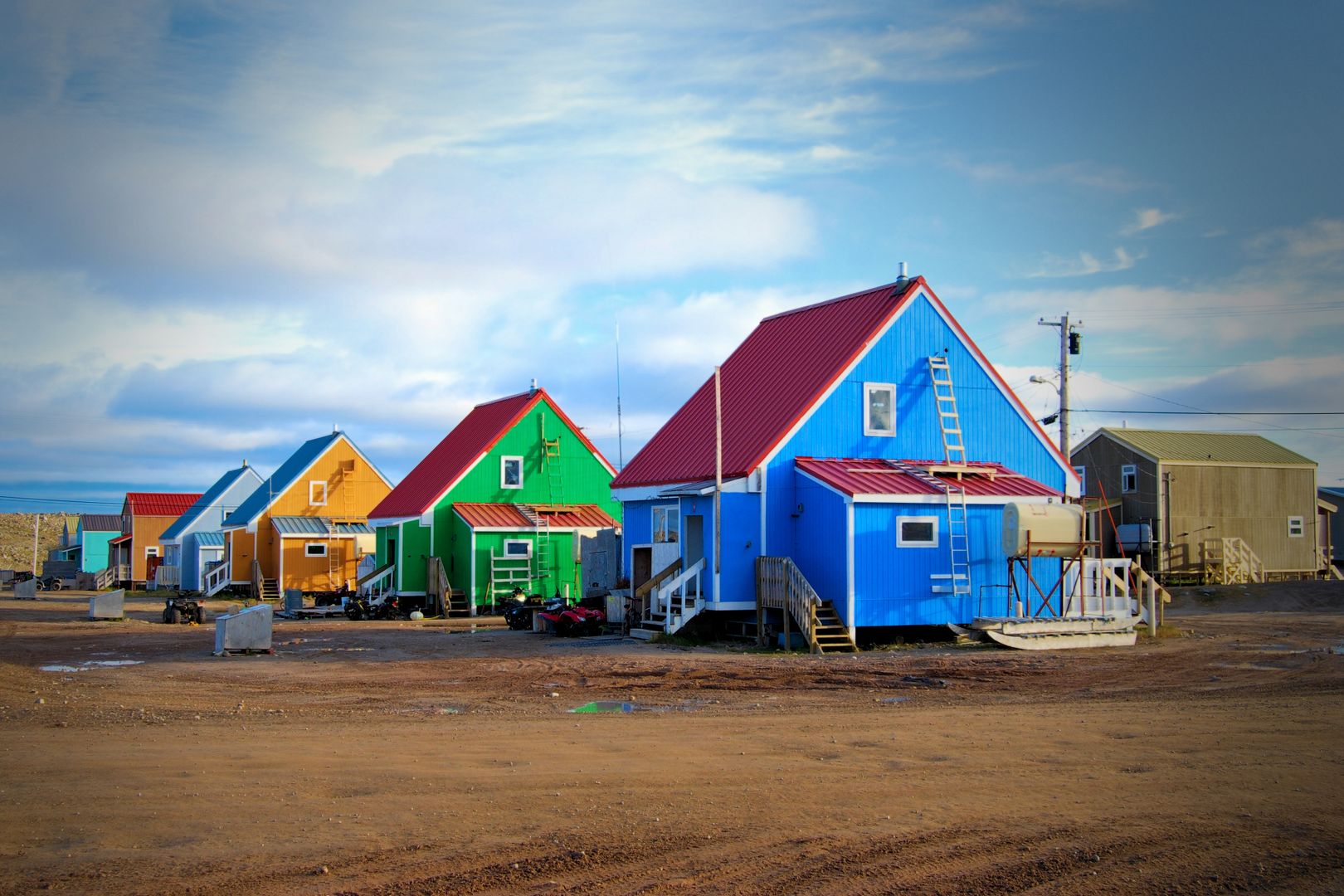
Nunavut is a frickin’ huge remote Arctic territory and as already said, is broken down into the three regions of Baffin in the east, Kivalliq central and Kitikmeot to the west. There are 24 communities total and the population is around 40,000. Iqaluit is the capital and that little city houses about 6,000+ residents. The smallest community is also the most northern and remote, it’s called Grise Fiord. There’s like give or take 100 amazing souls living way up there.
.
The warmest community ain’t the most southern but instead the most west. On mainland proper, Kugluktuk is considered the “Hawaii of Nunavut” with some summer days actually reaching to 30C. To the far east, just off Baffin is a tiny island community in Davis Strait not too far from Greenland, Qikiqtarjuaq it’s called and it is the foggiest town of the Territory.
.
Grise Fiord and Resolute are settlements that were created by Canada’s Federal Government in the late 1950s. An attempt to solidify sovereignty in the high Arctic, knuckleheads in leadershit promised homes and great things to any interested in relocating to these two reaches far from their ancestral lands. Those who accepted were dropped off, left with little, and yet true to their roots, strength and resiliency, they managed to carve out lives, homes and community, enduring long winter darkness, brutal cold and the extremely isolated location.
.
The only town not along any ocean is Baker Lake. The most southern is Sanikiluaq, which is also a younger community too. Taloyoak is the highest northern town on mainland Canada and, other than Eureka (a military/science station further up than Grise) Taloyoak consistently records the coldest winter temps and windchills. Having worked winters there plenty times I can agree, very cold place. As far as Nunavut communities go there is something interesting to learn with each.
.
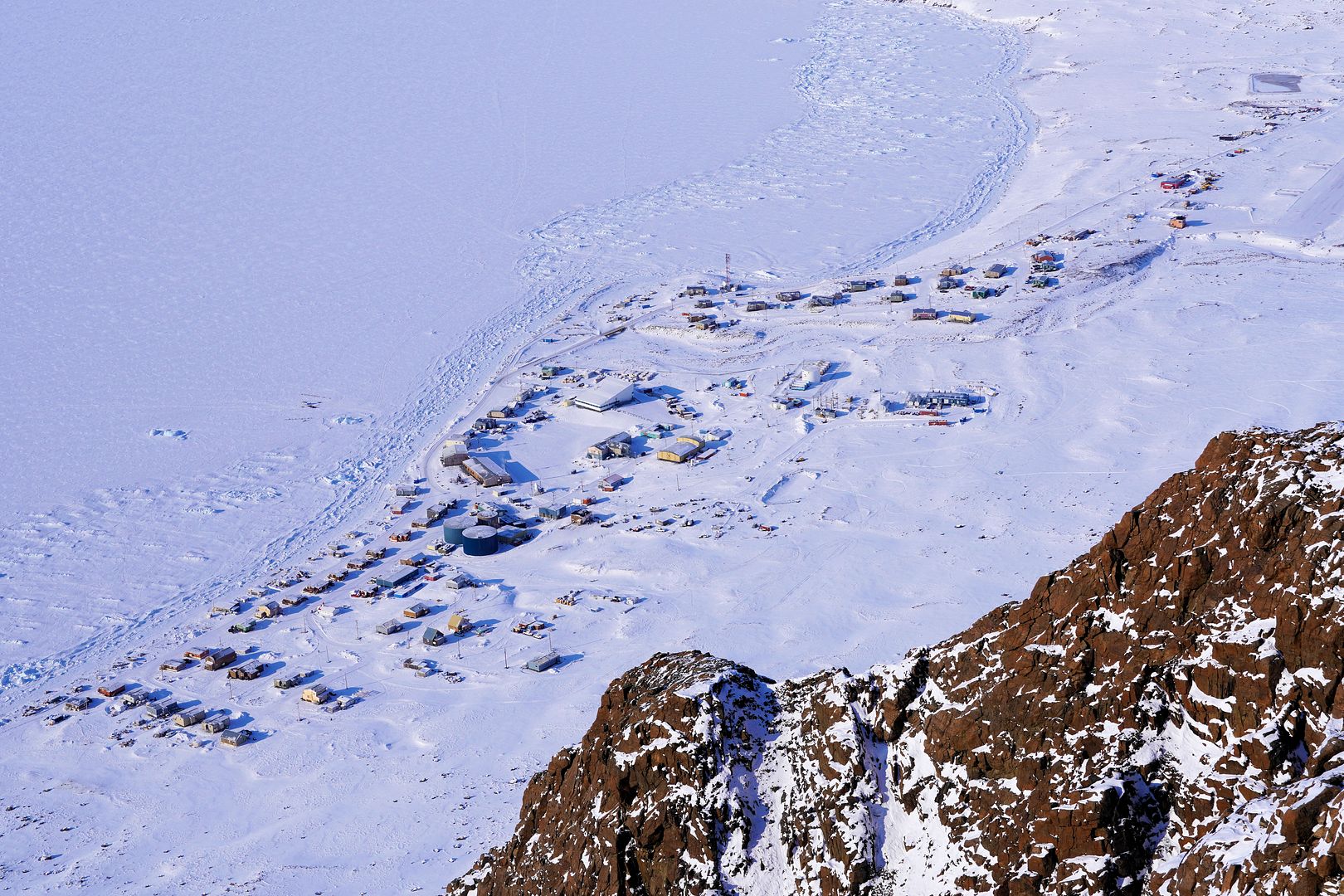
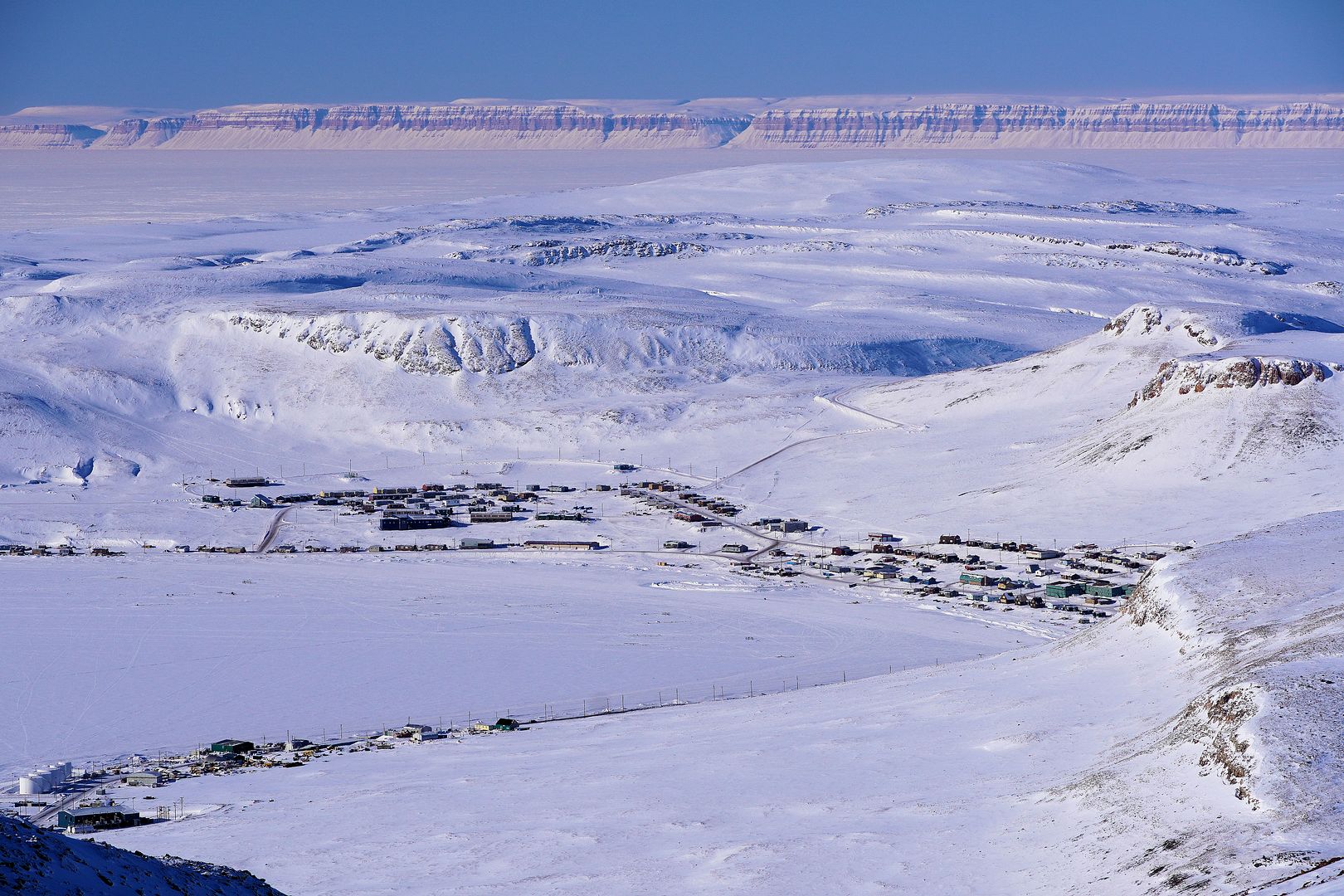
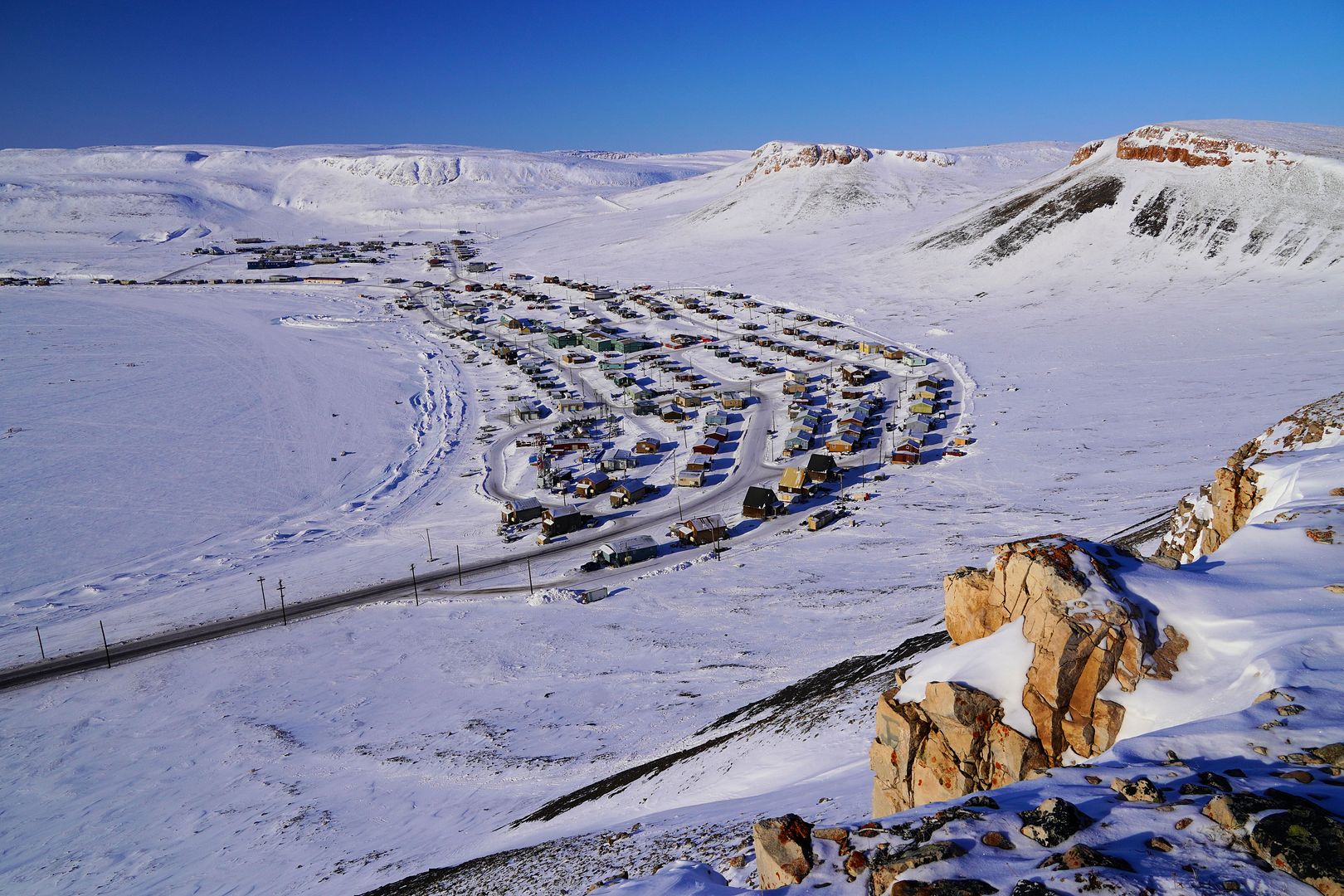
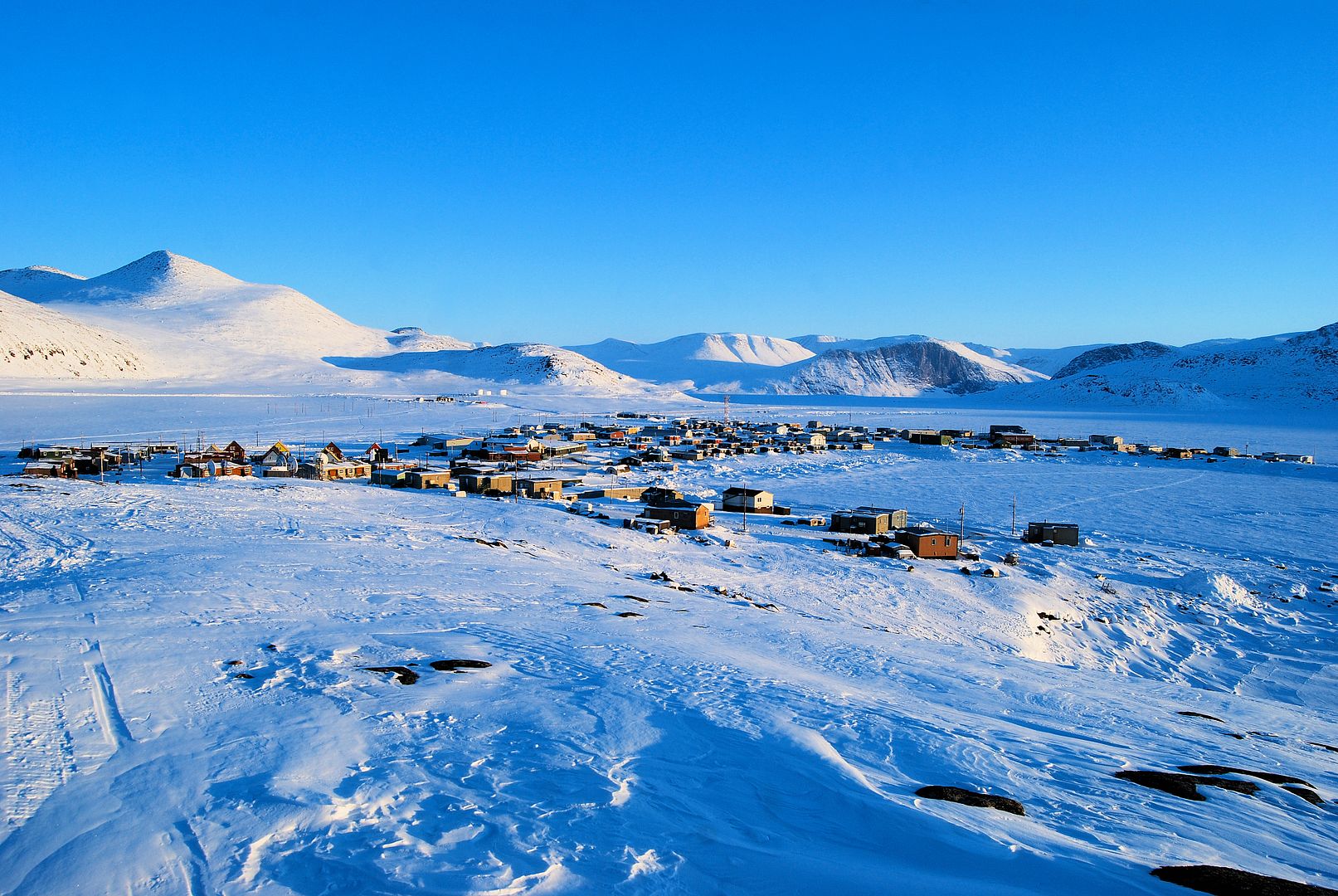
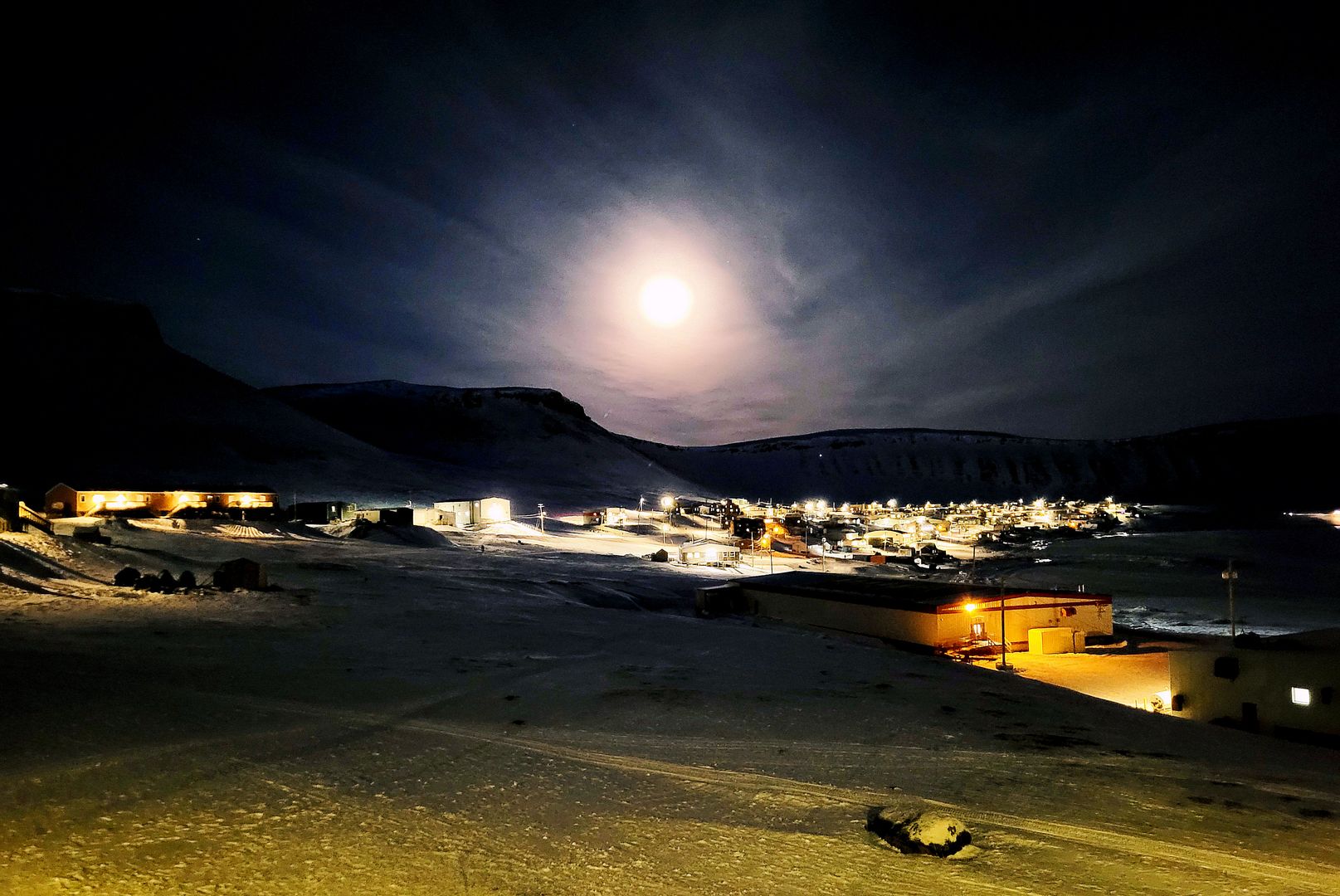
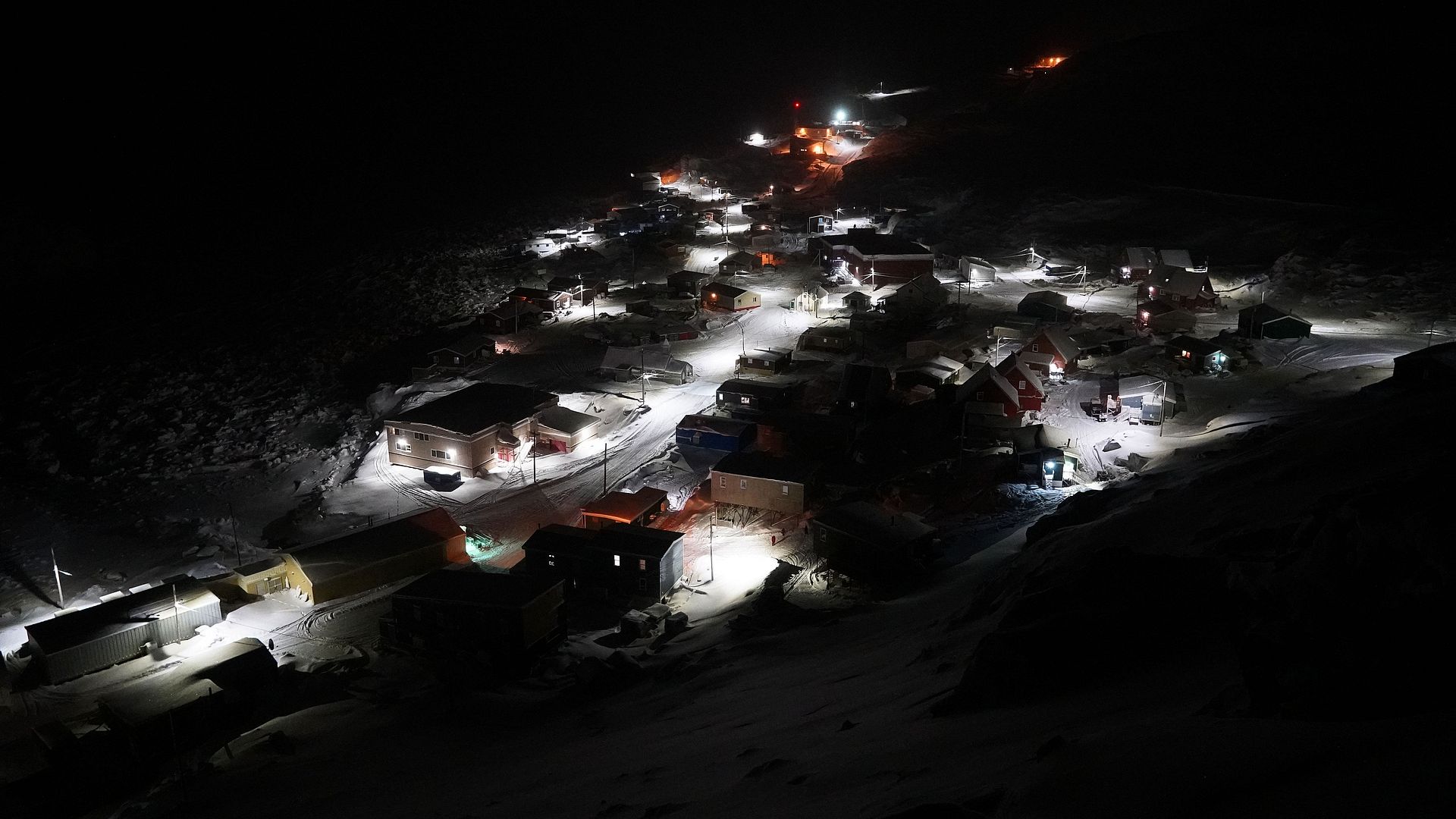
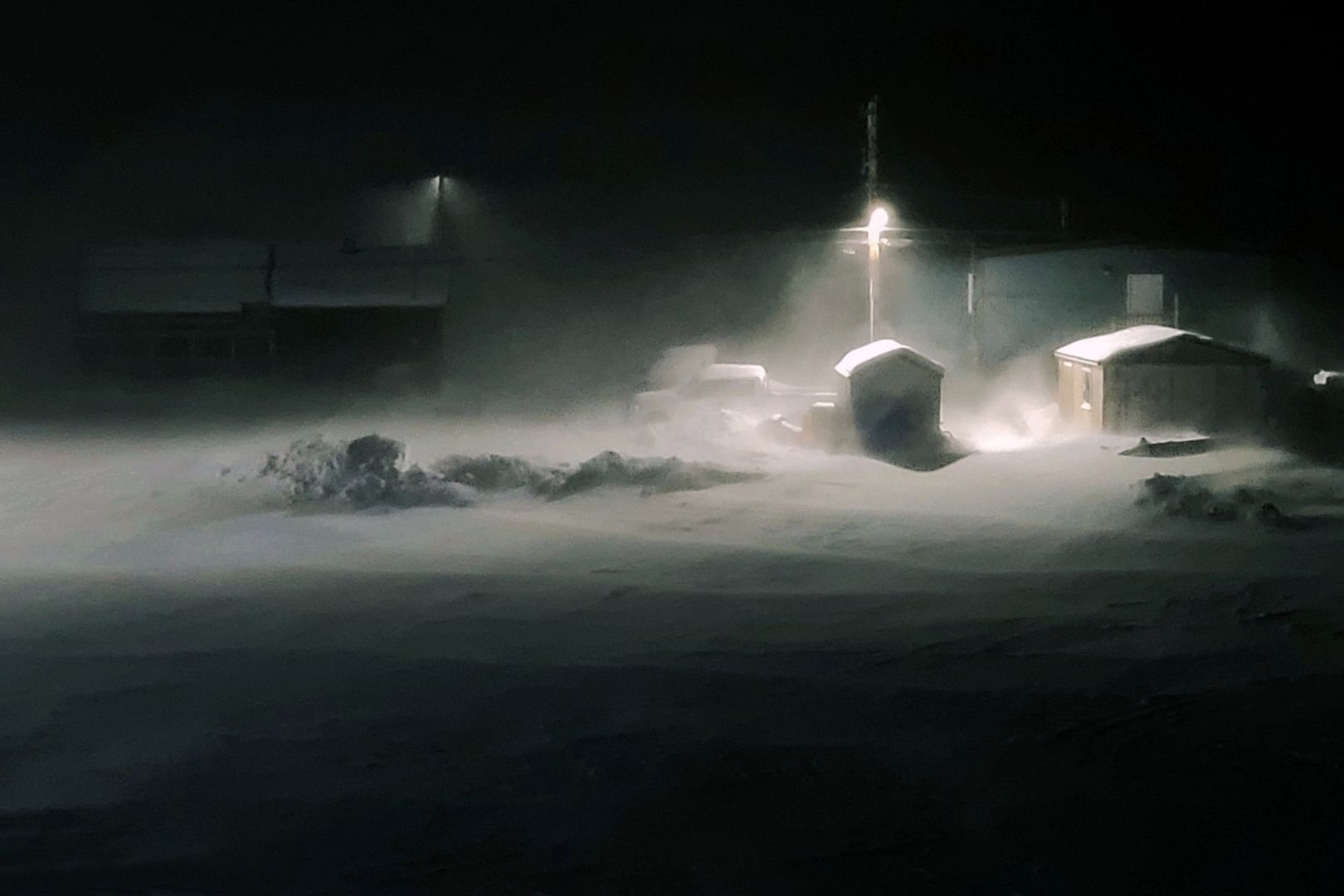
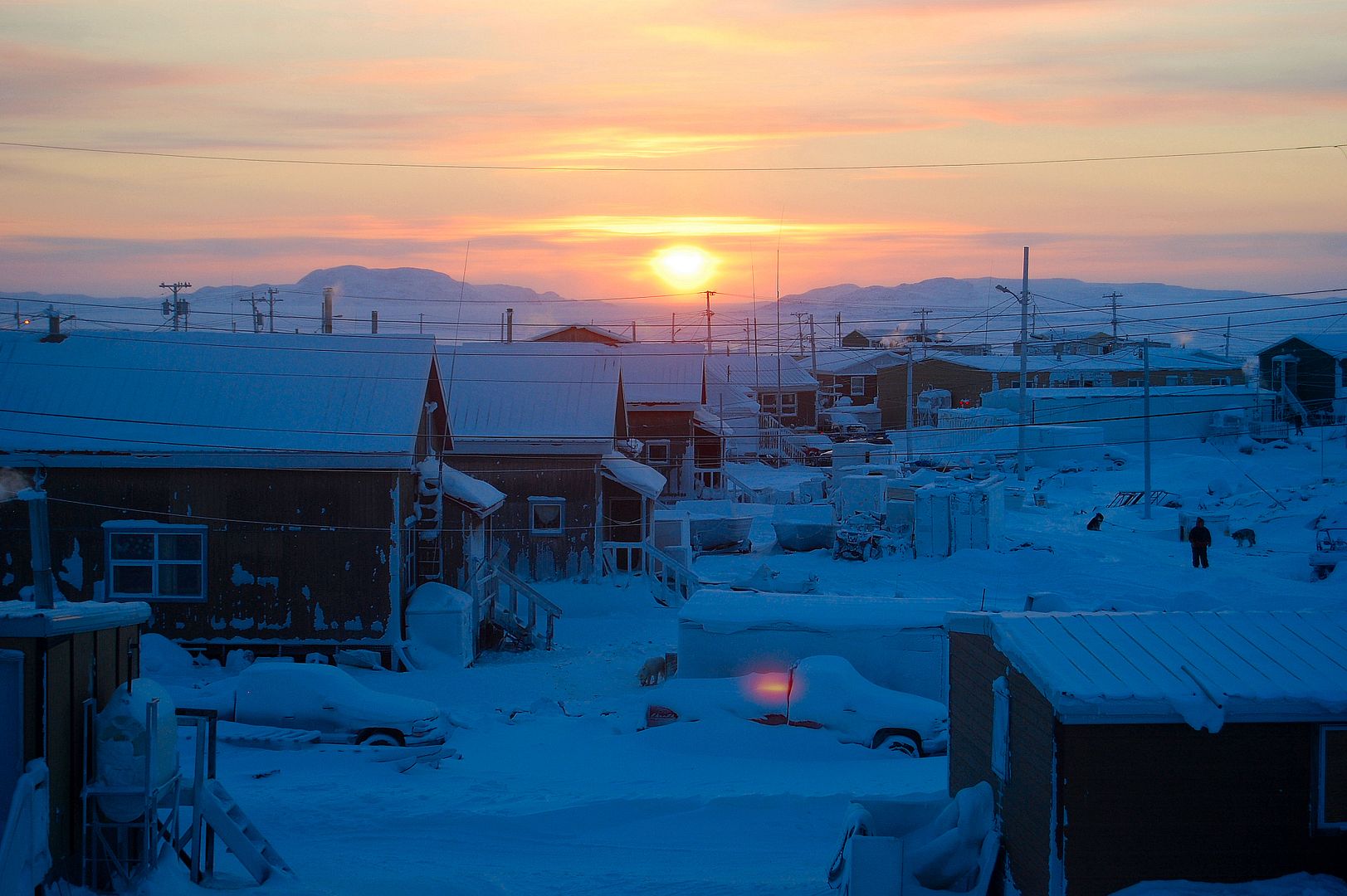
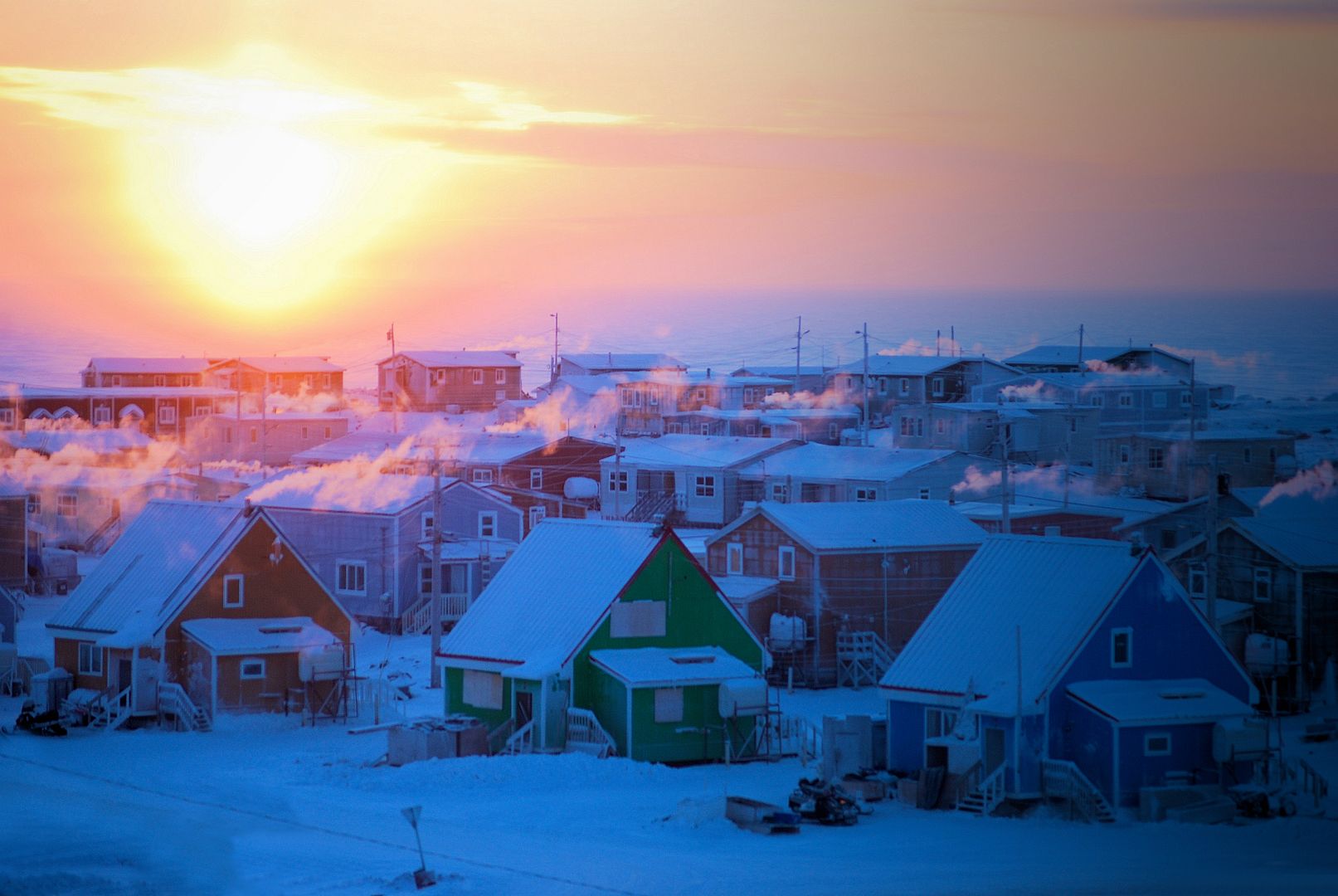
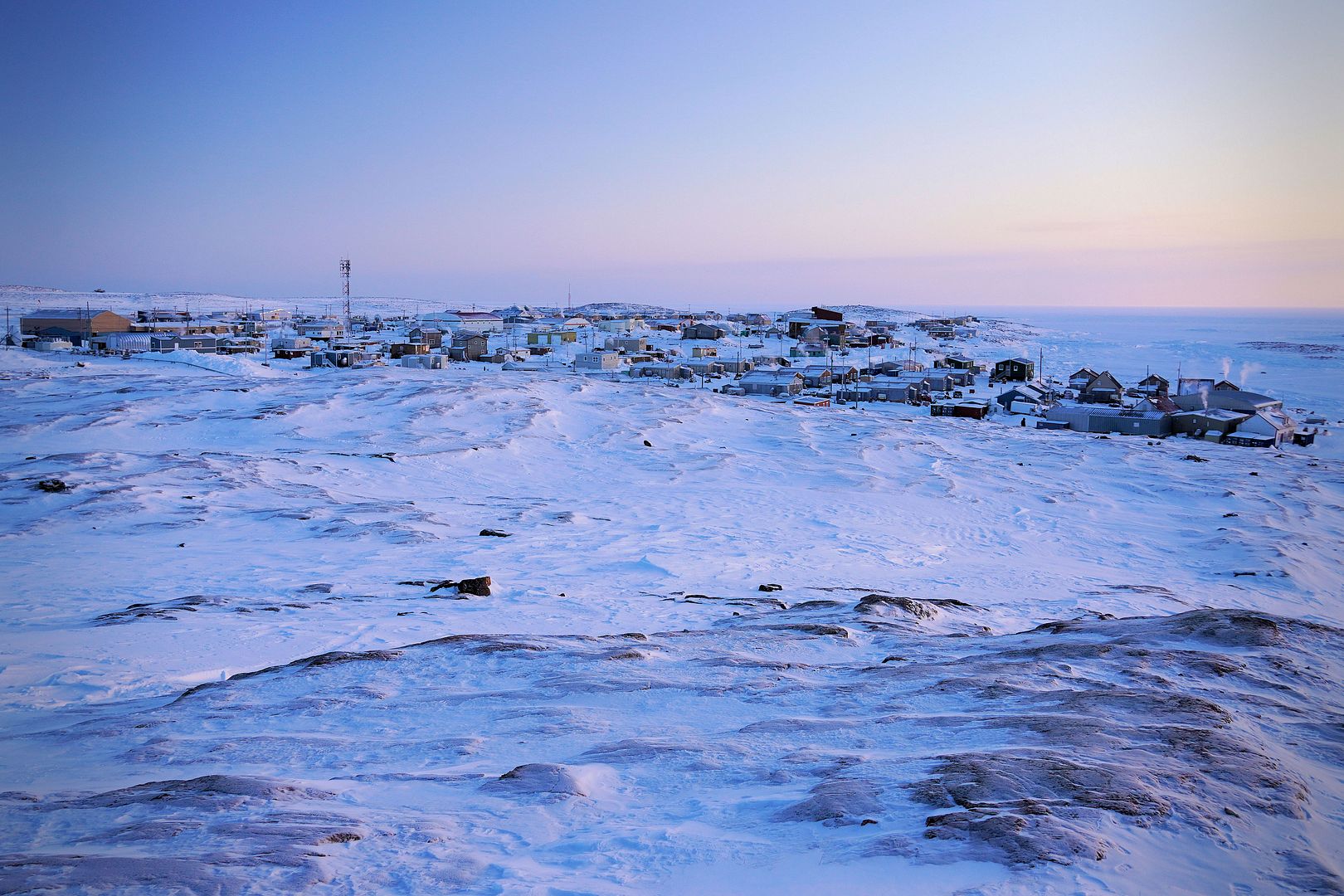
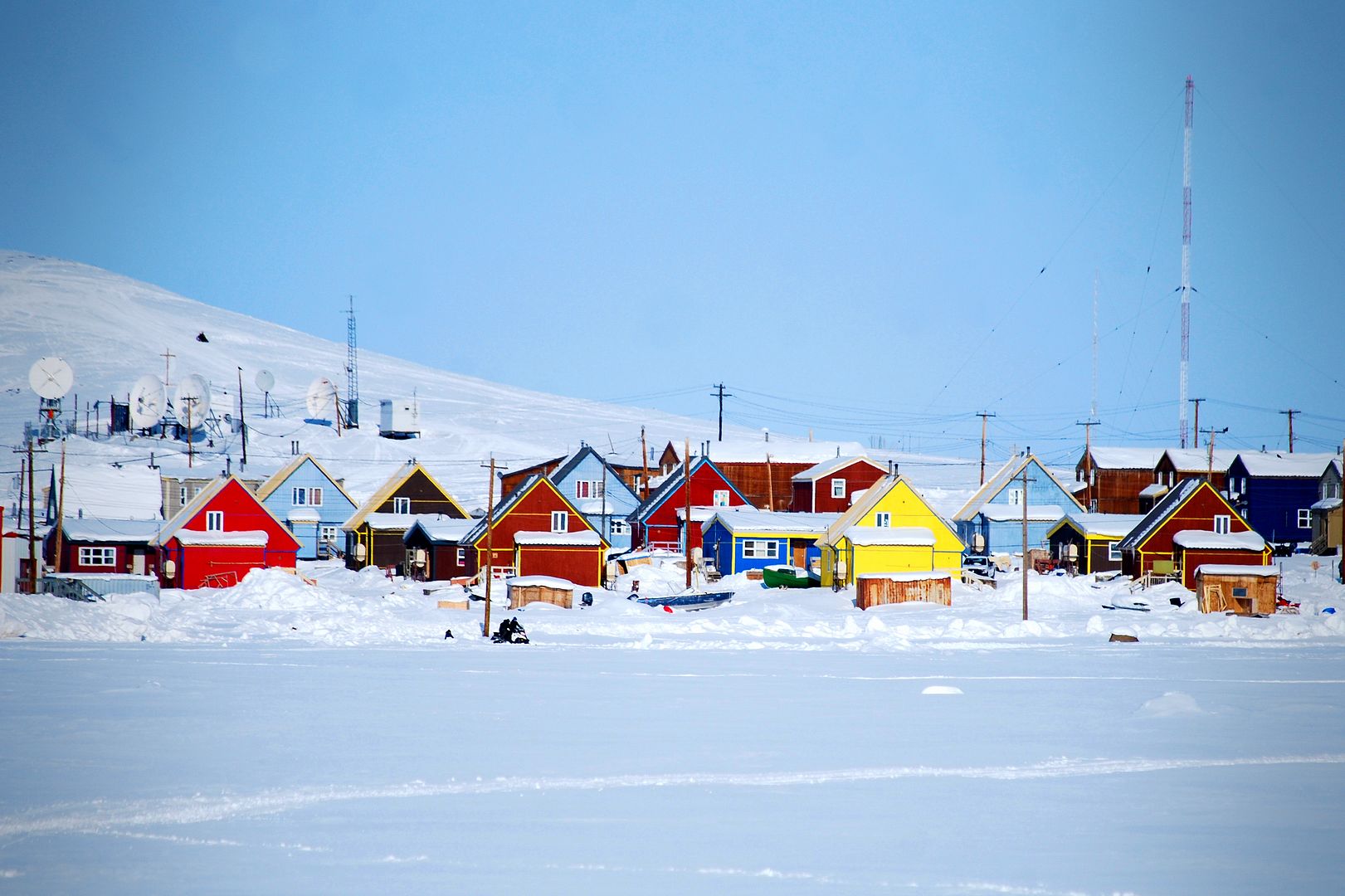
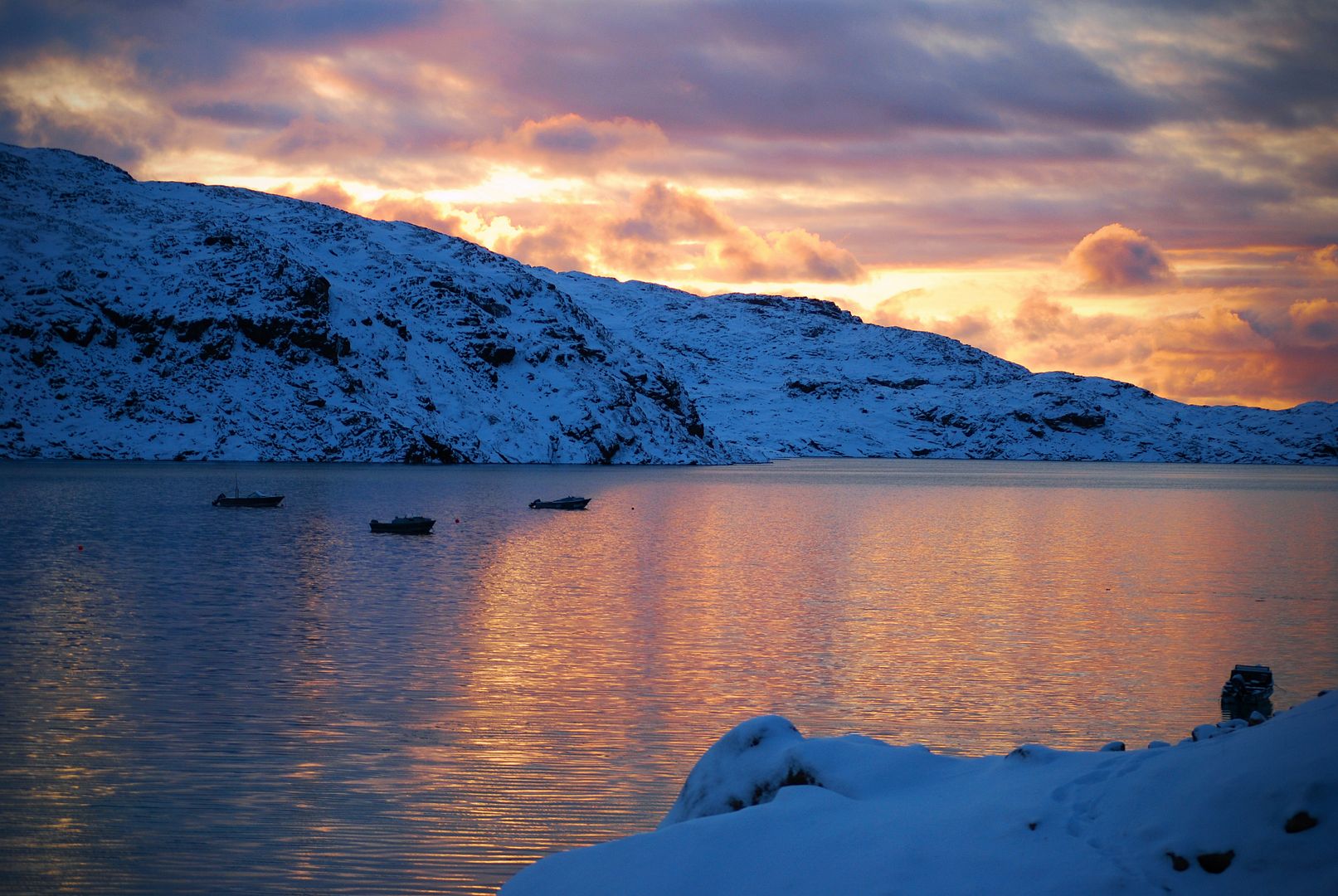
The good folks historically spread out and settled through our Arctic for different reasons. For many last to come across from Asia thousands of years ago, the rest of North America’s best real estate was already rather settled by First Nations peoples. Inuit history would tell that they weren’t overly welcome while finding their place, and history does speak of conflict and even massacre at times. Secondly, the available land was so vast, and albeit harsh and barren, animal and sea life is plentiful. Once able to survive, some may actually thrive. Huge herds of caribou, muskox, seals, whale, fish and many other animals there were to hunt and harvest. Nomadically, Nunavut was and is a do-able world to work and explore. The Thule and Dorset made it home for time immortal but for the life of me, it is hard to imagine just how tough a life it must have been through those long, cold and dark winters. Honestly, greatest survivalists ever!
.
.
.

.
.
.
.
.
.
.
.
.
.
.
.
.
.
.
.
.
.
.
.
.
.
.
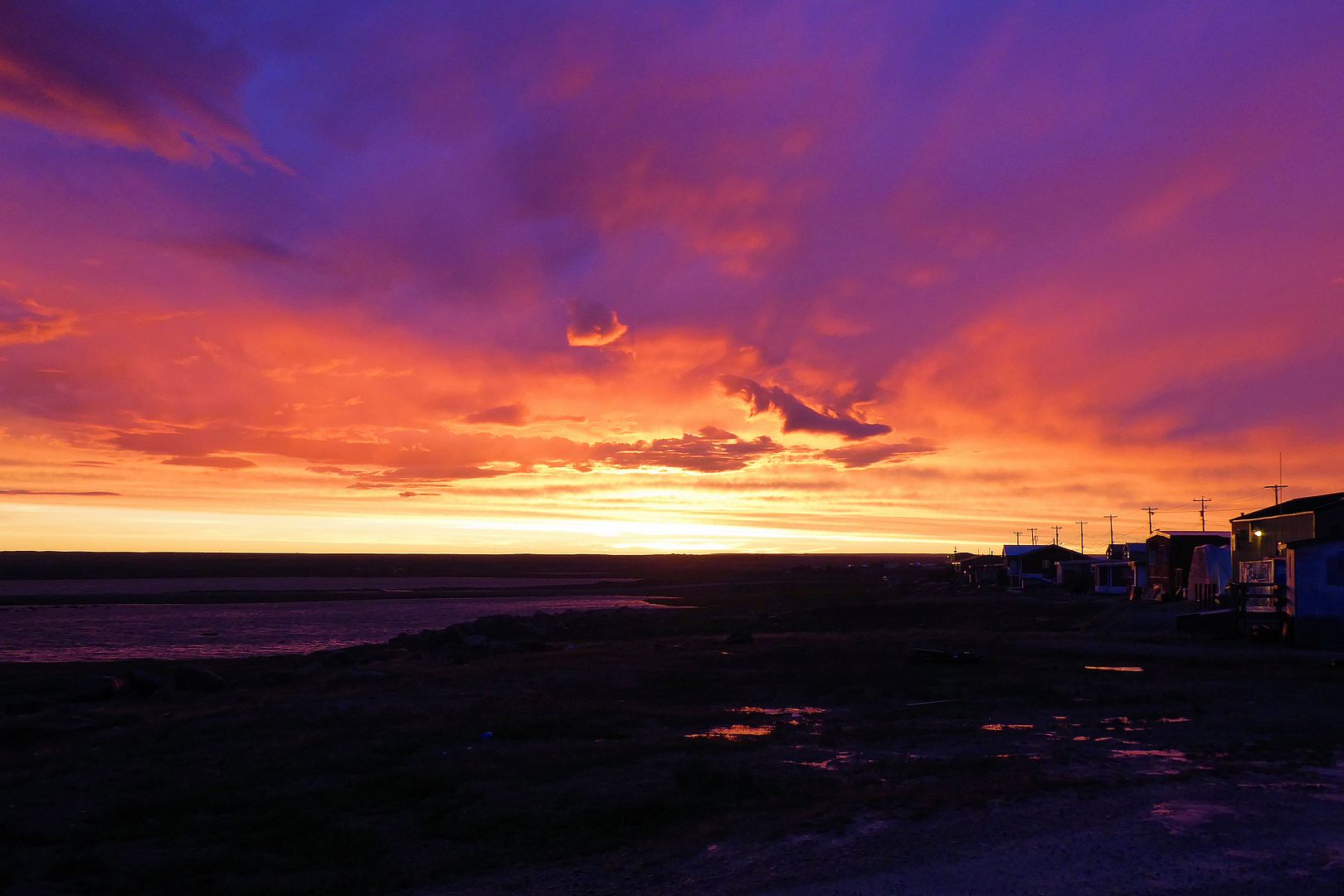
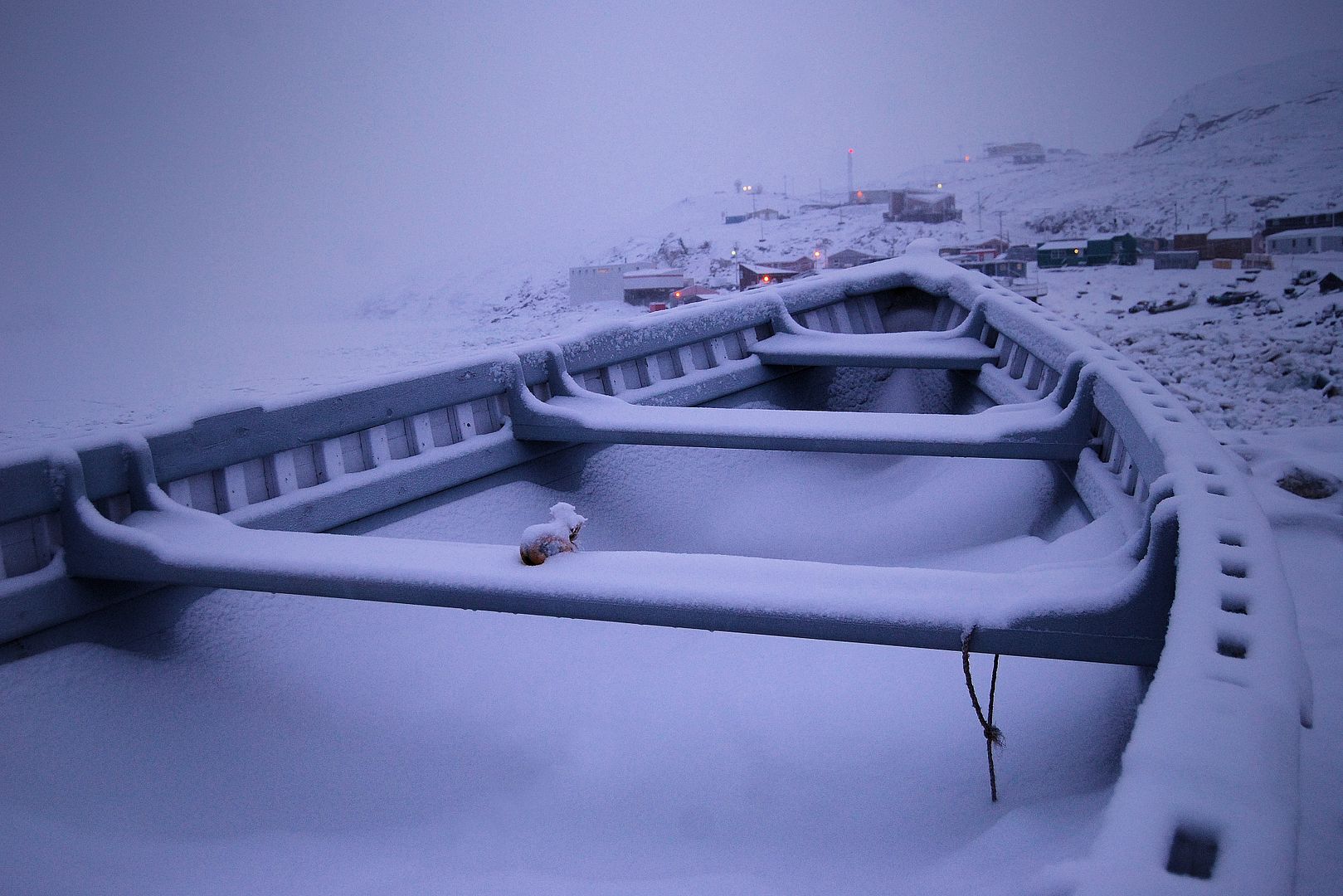
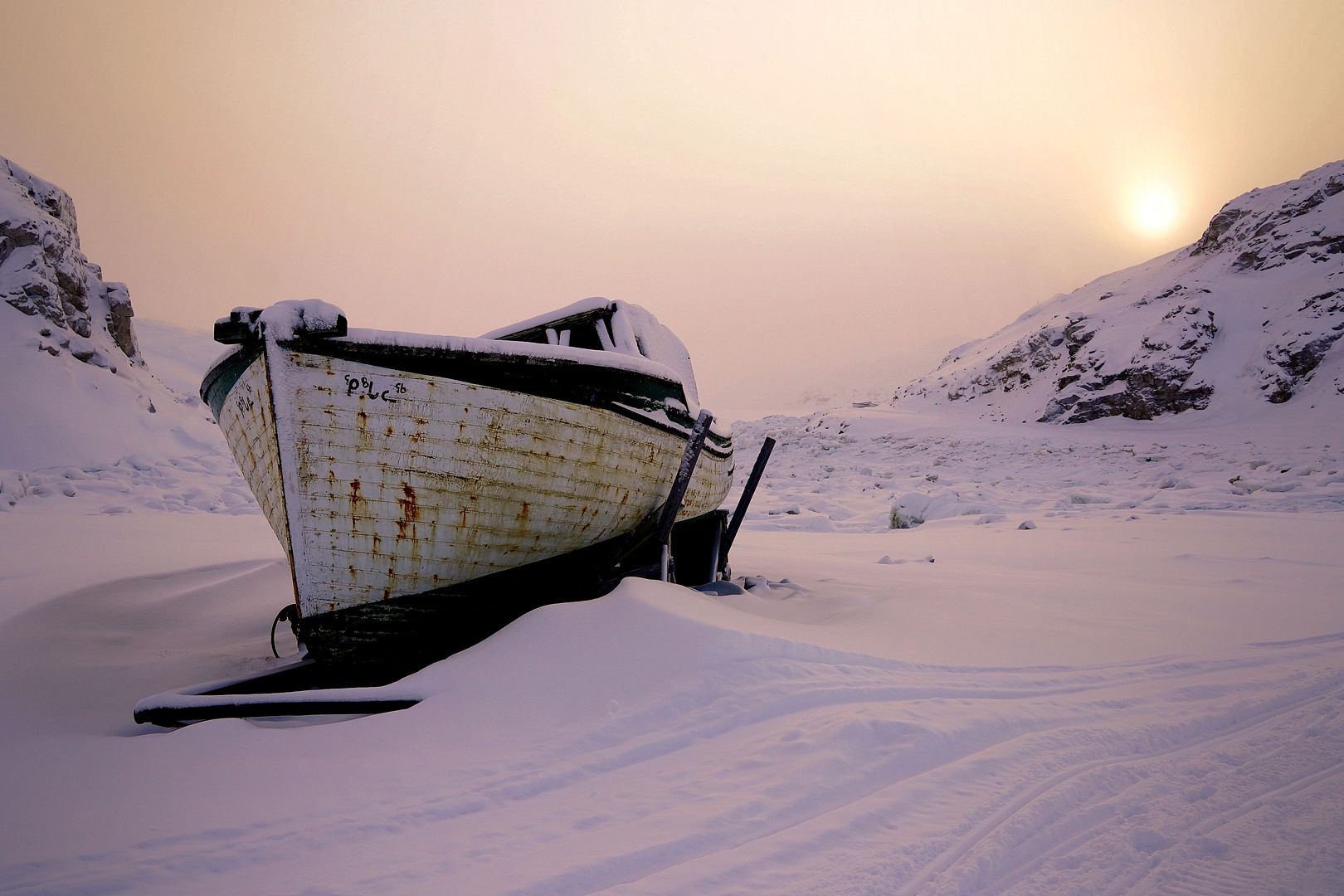
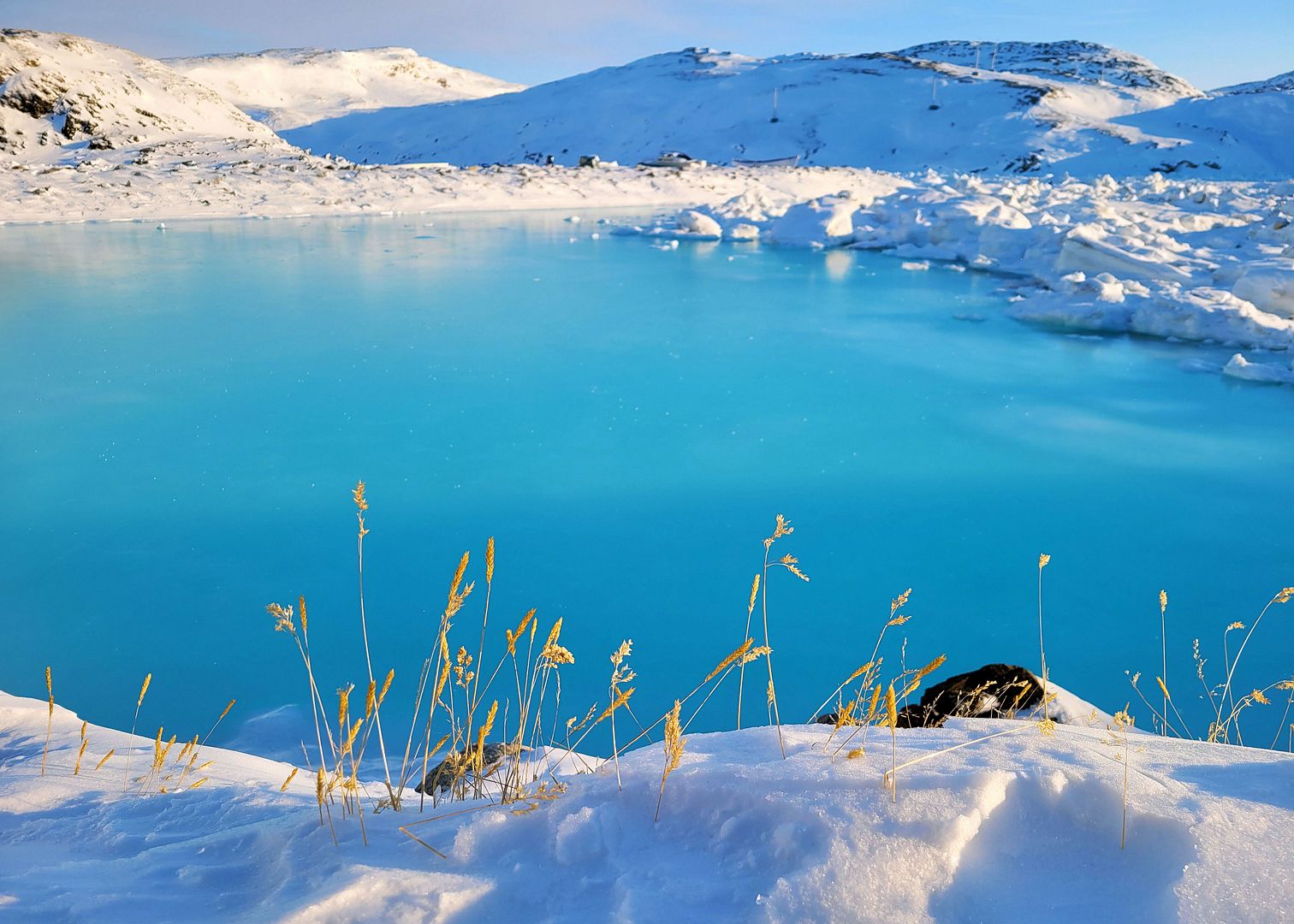
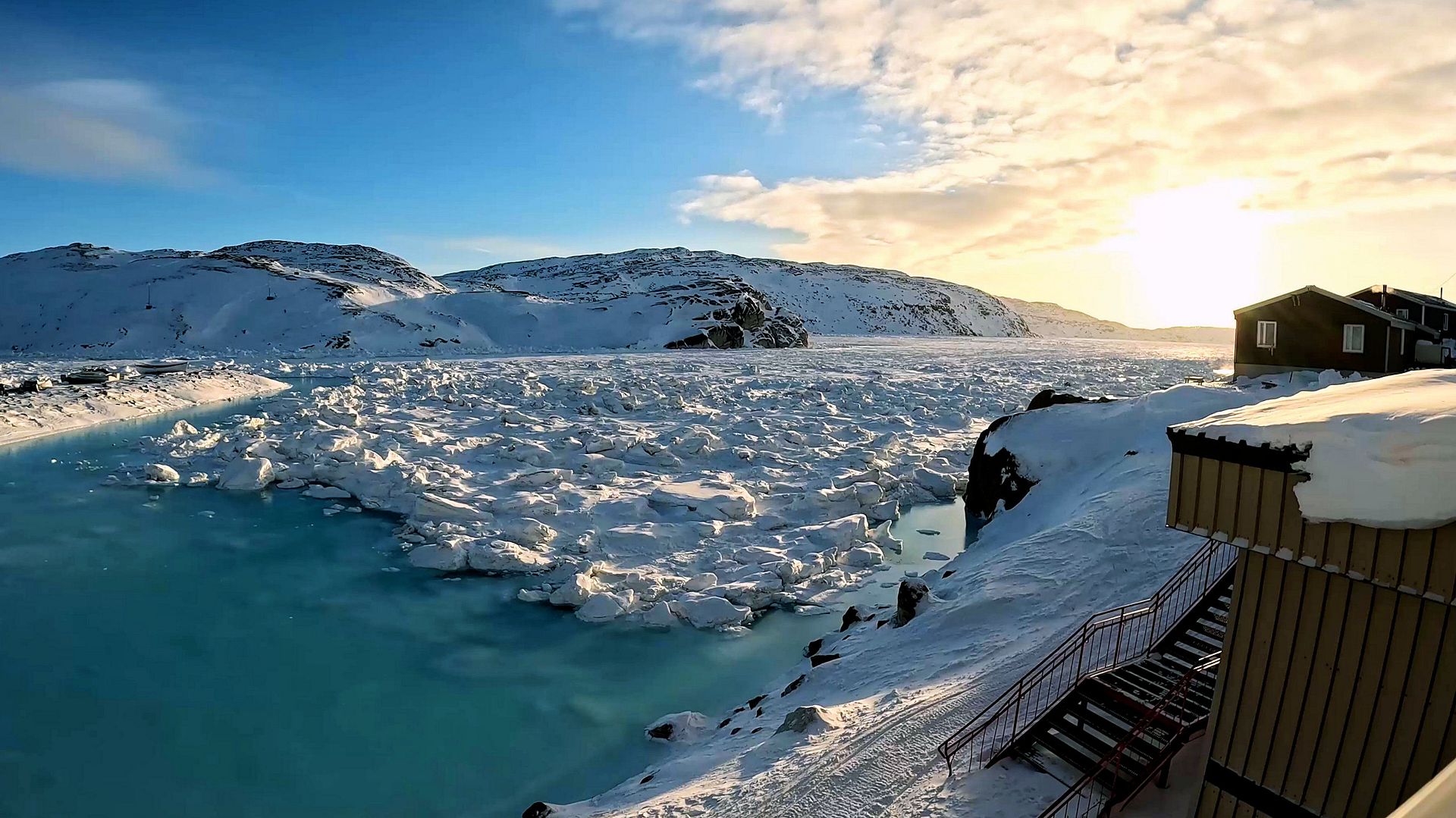
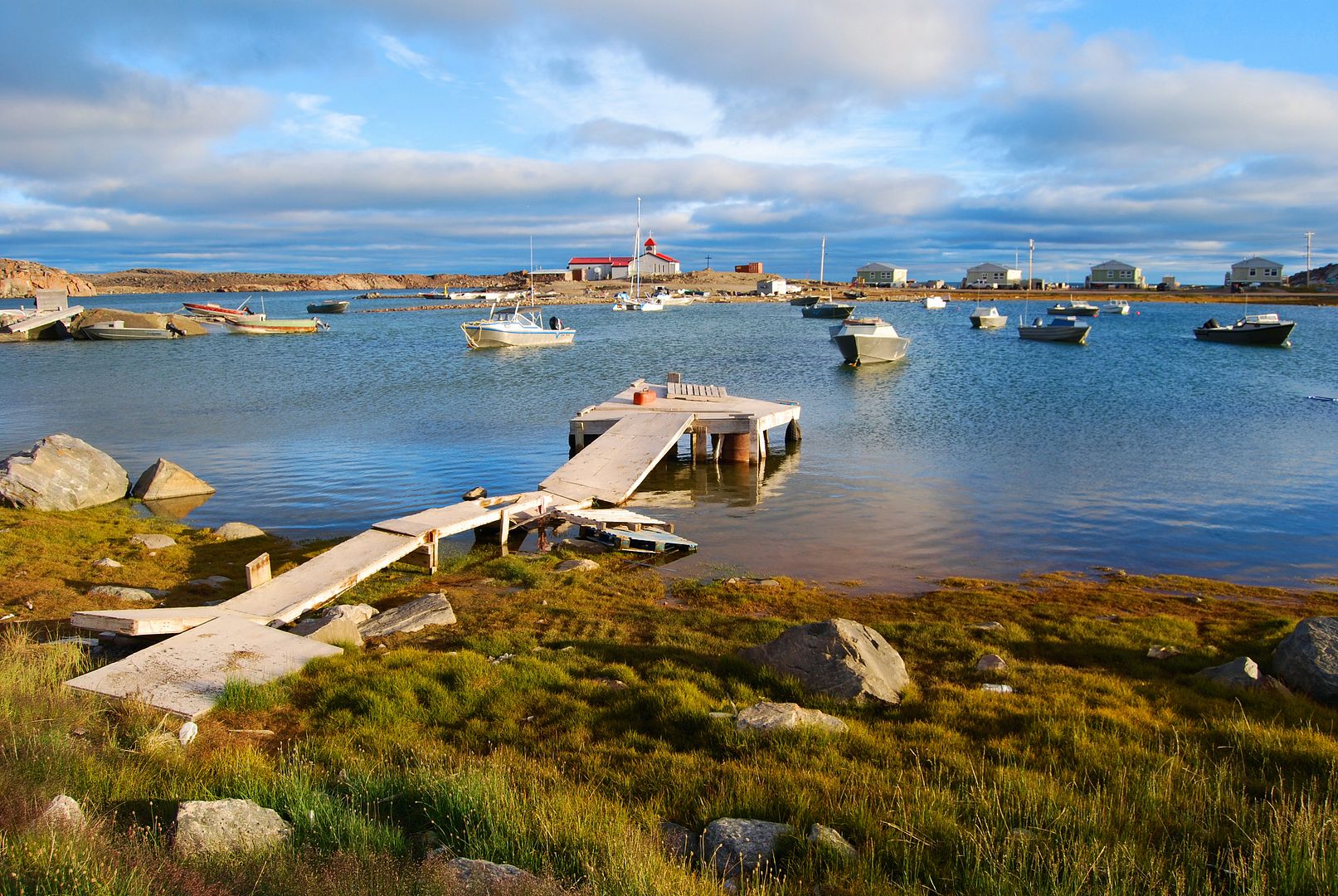
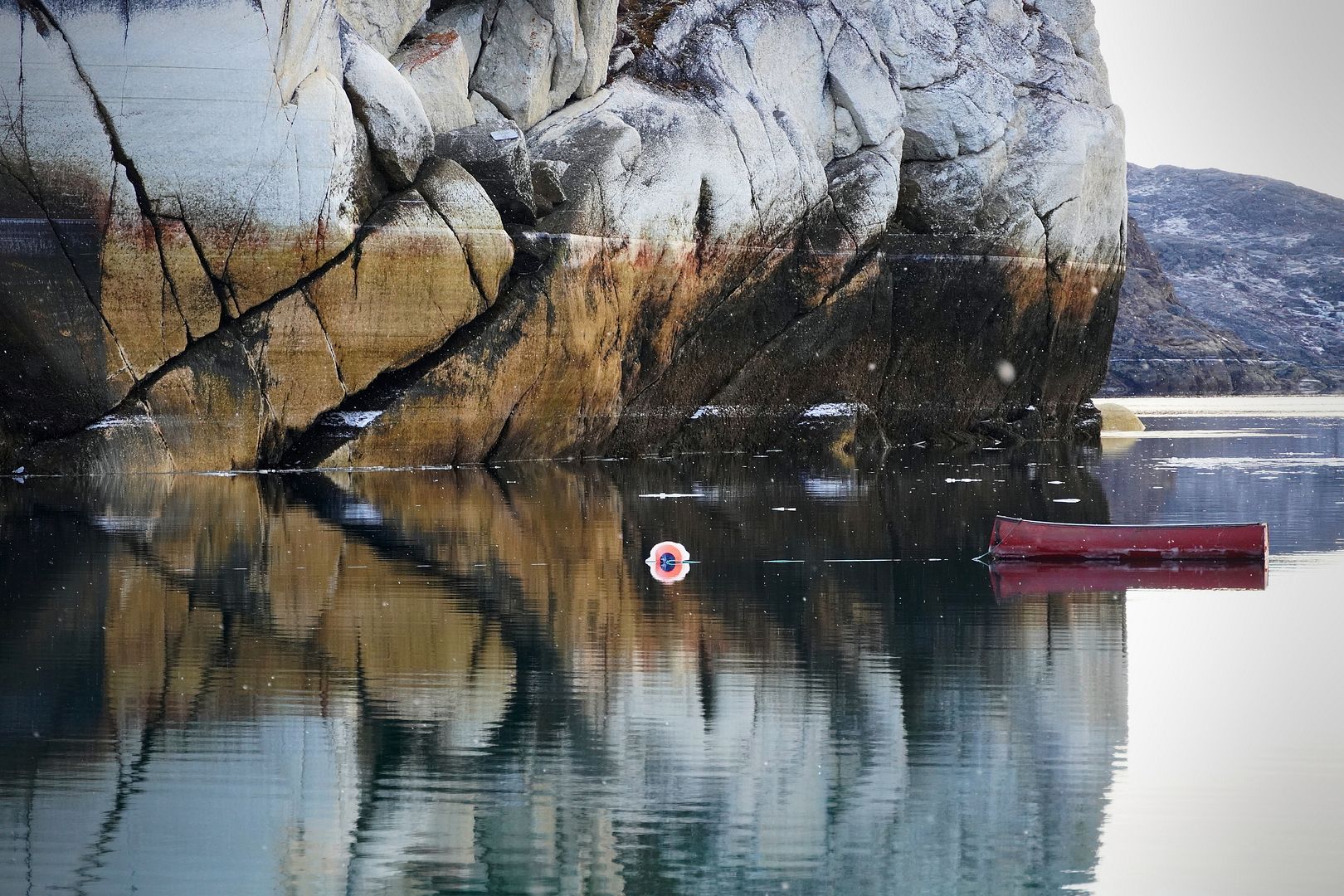
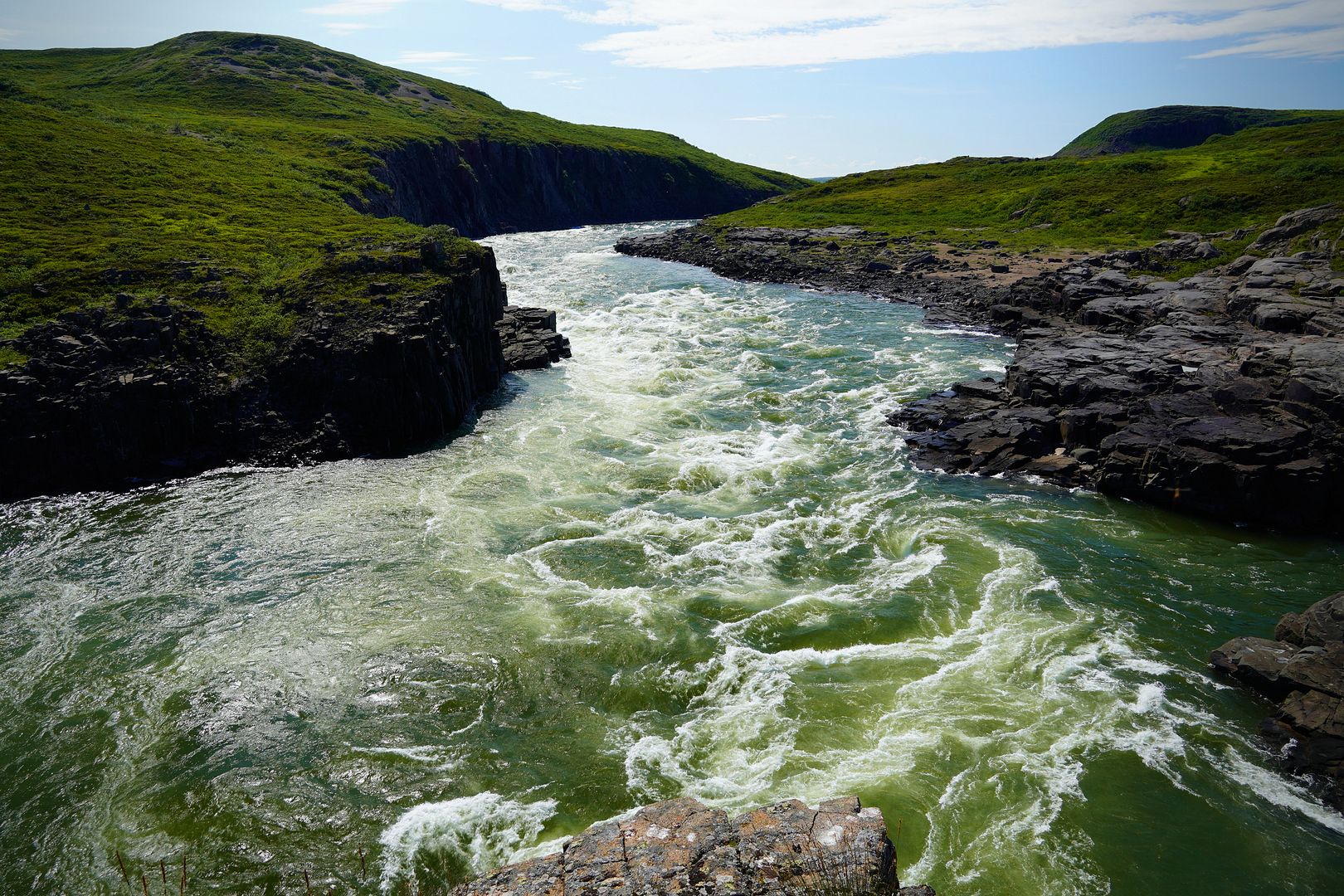
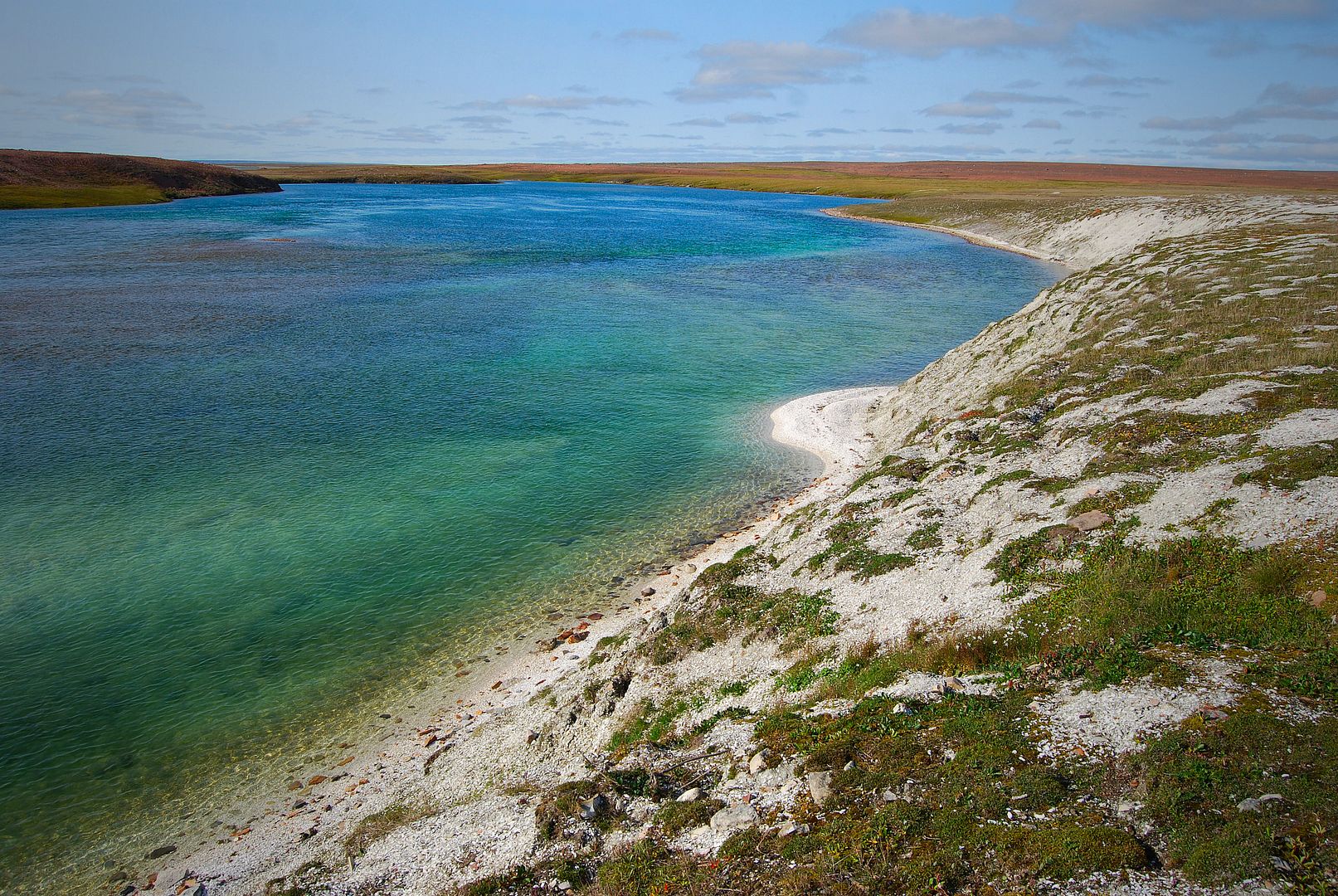
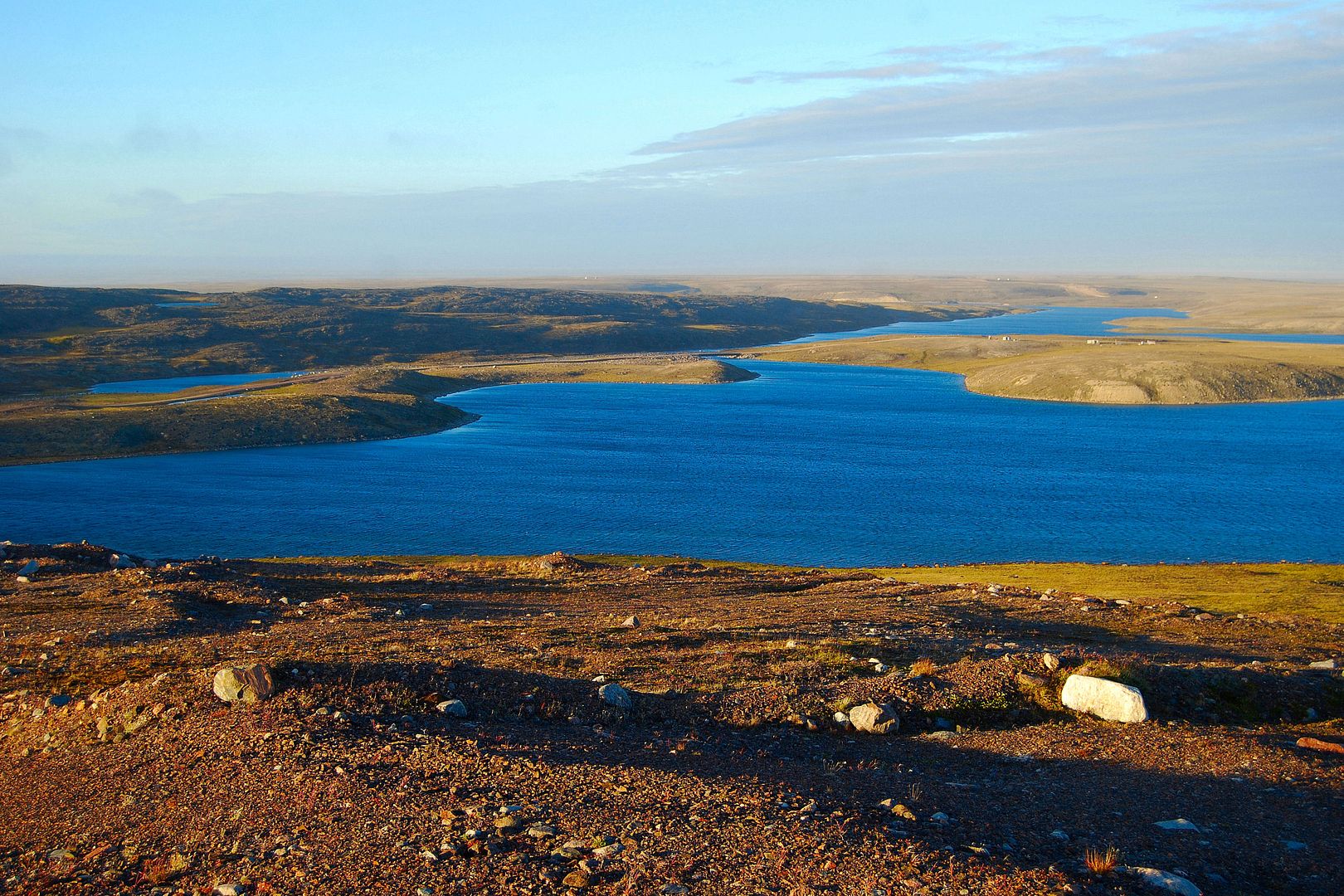
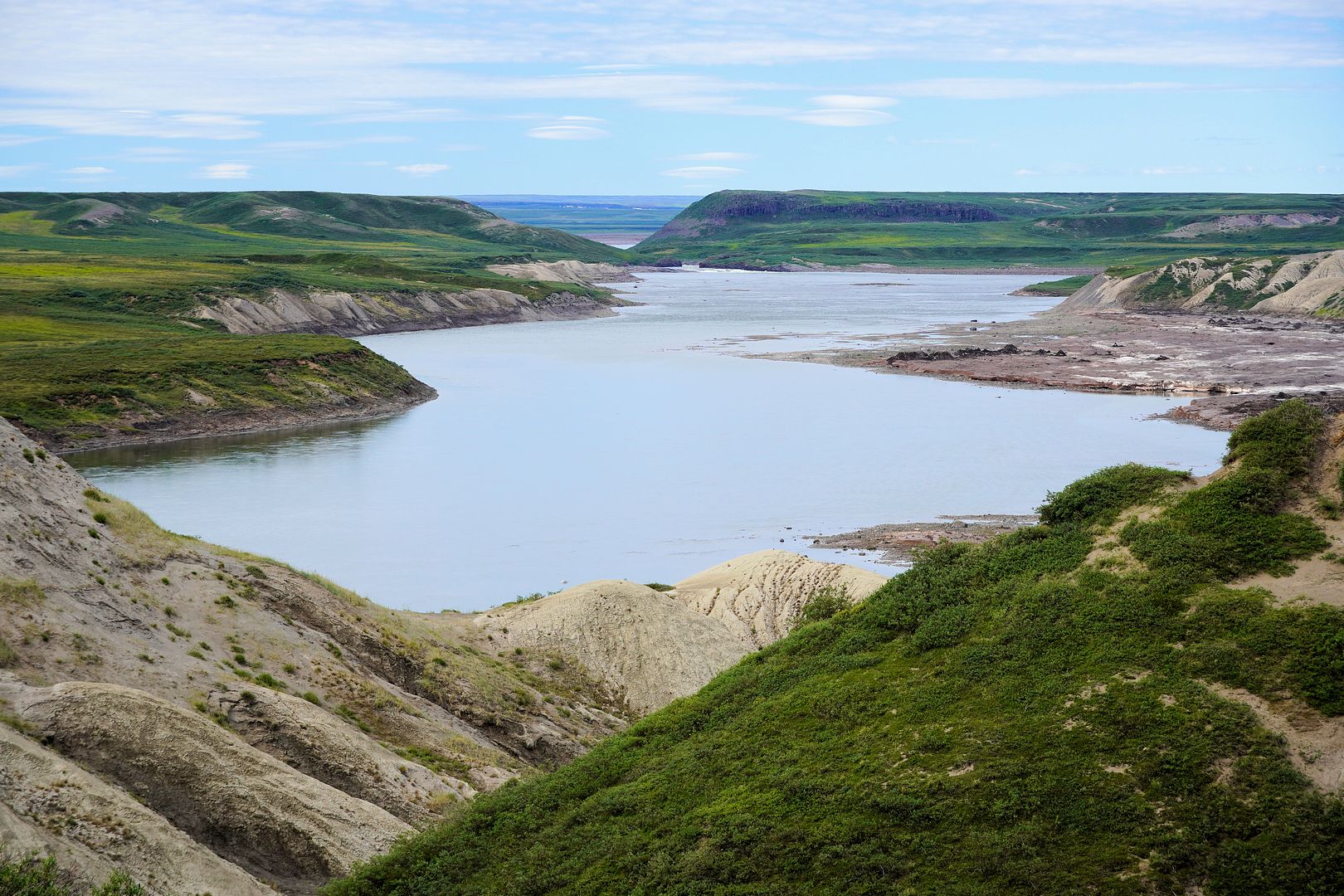
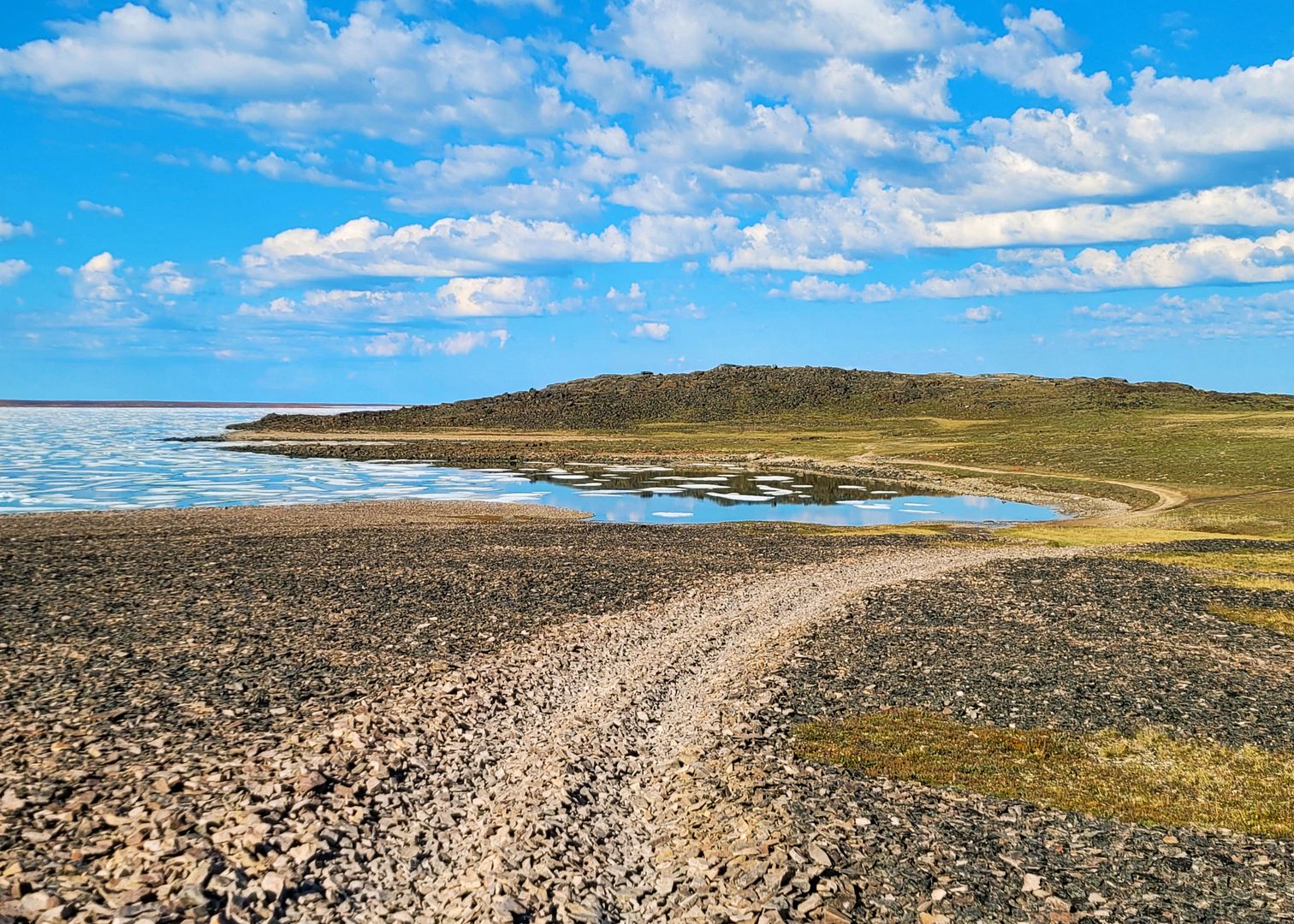
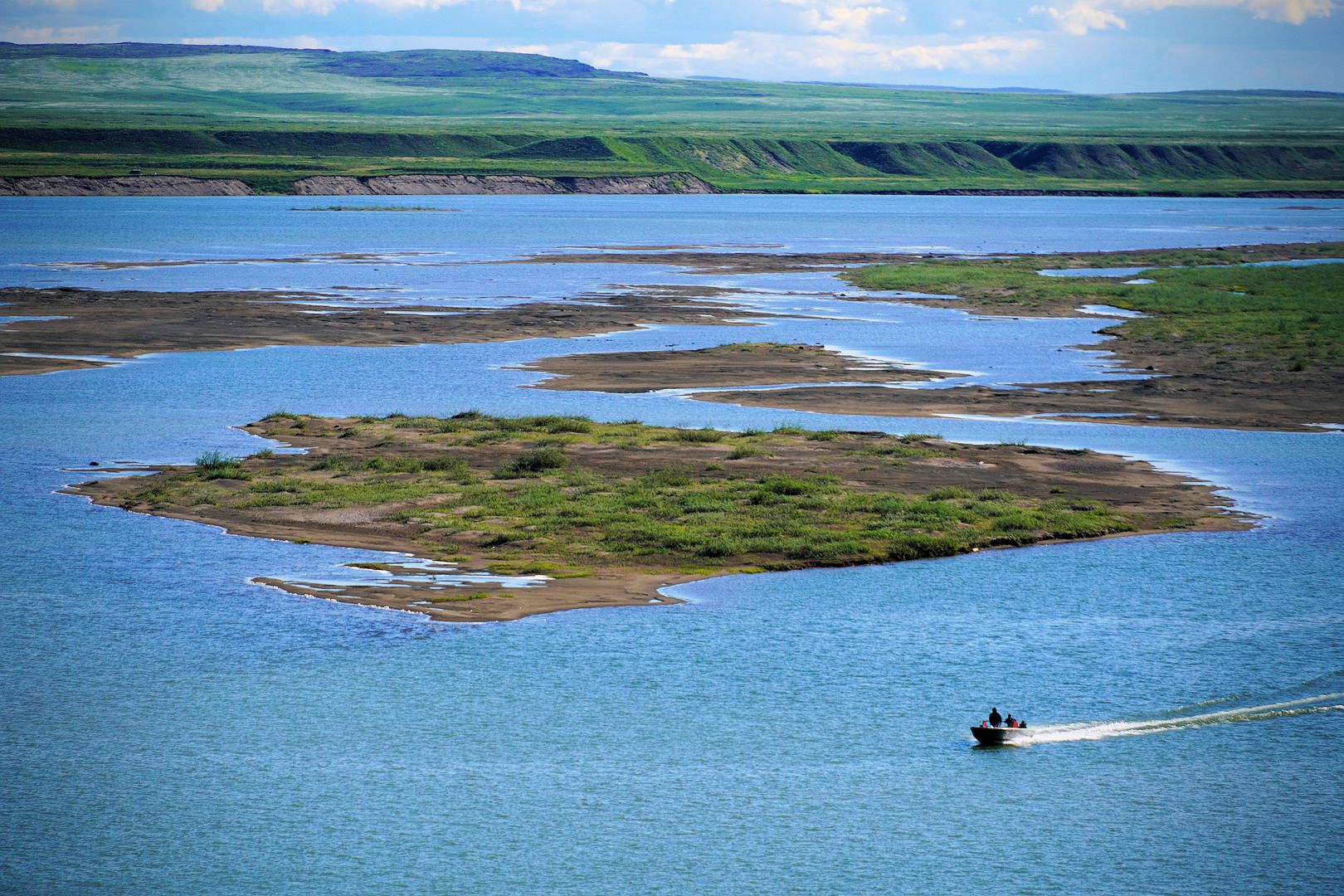
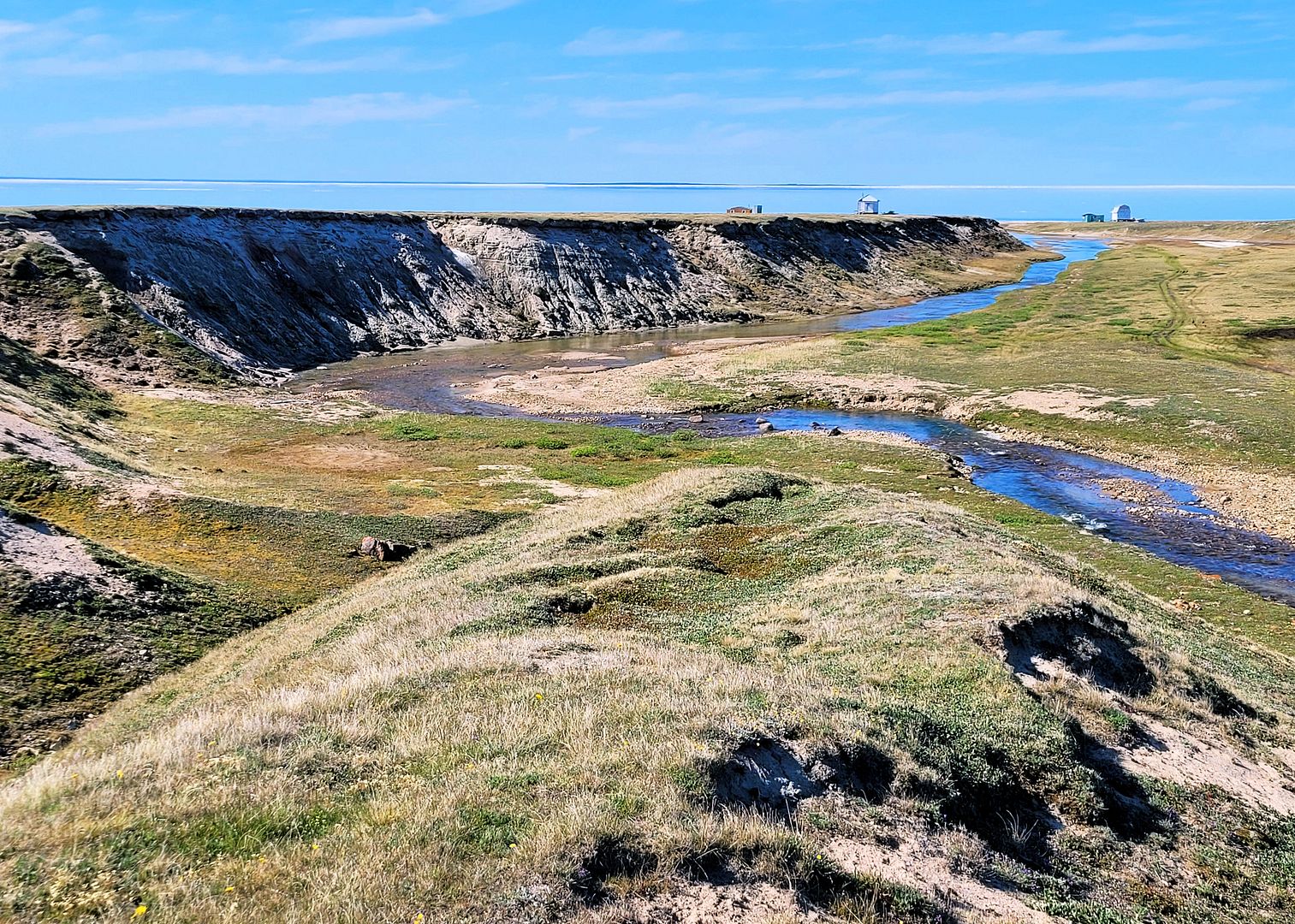
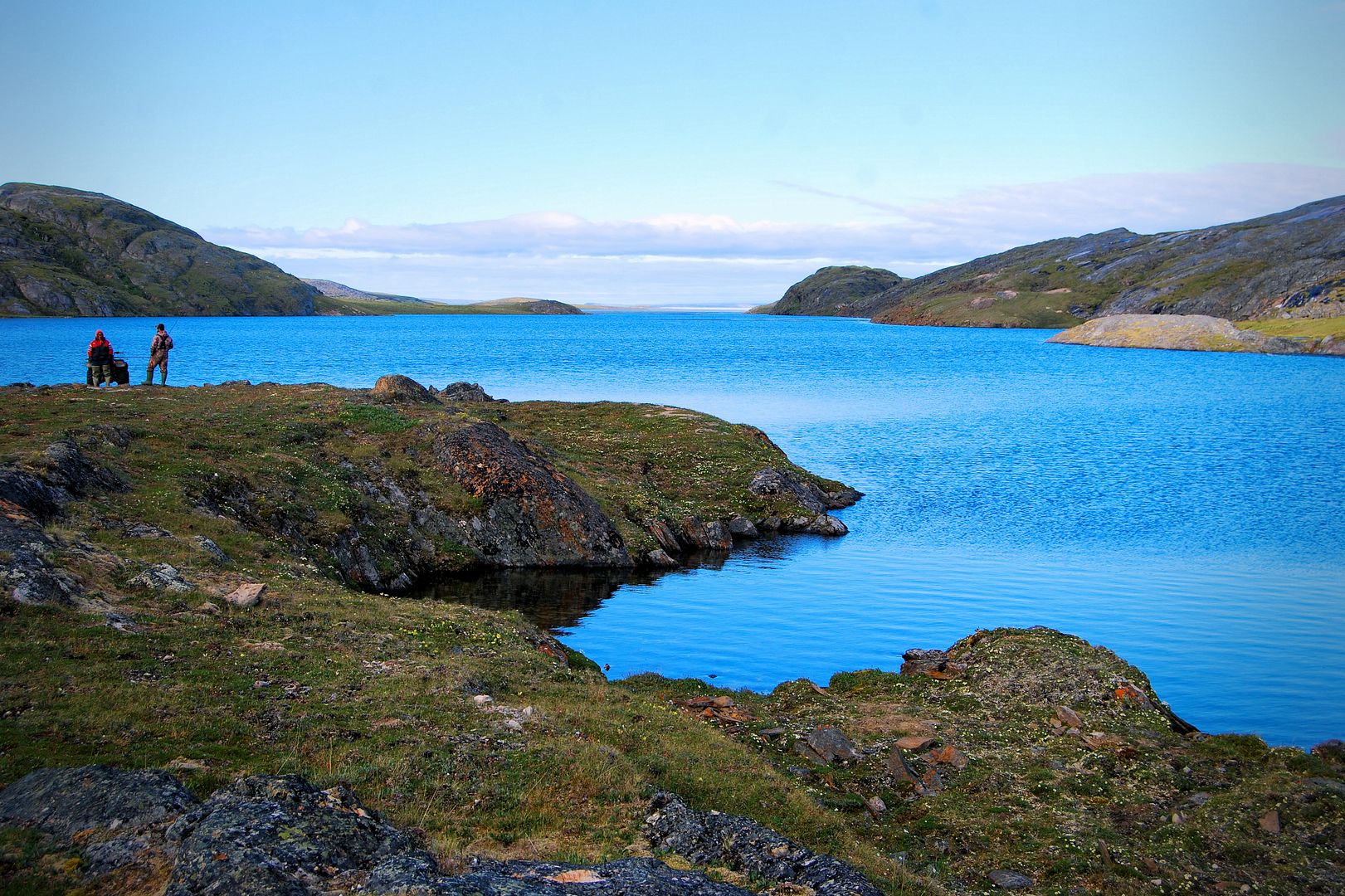
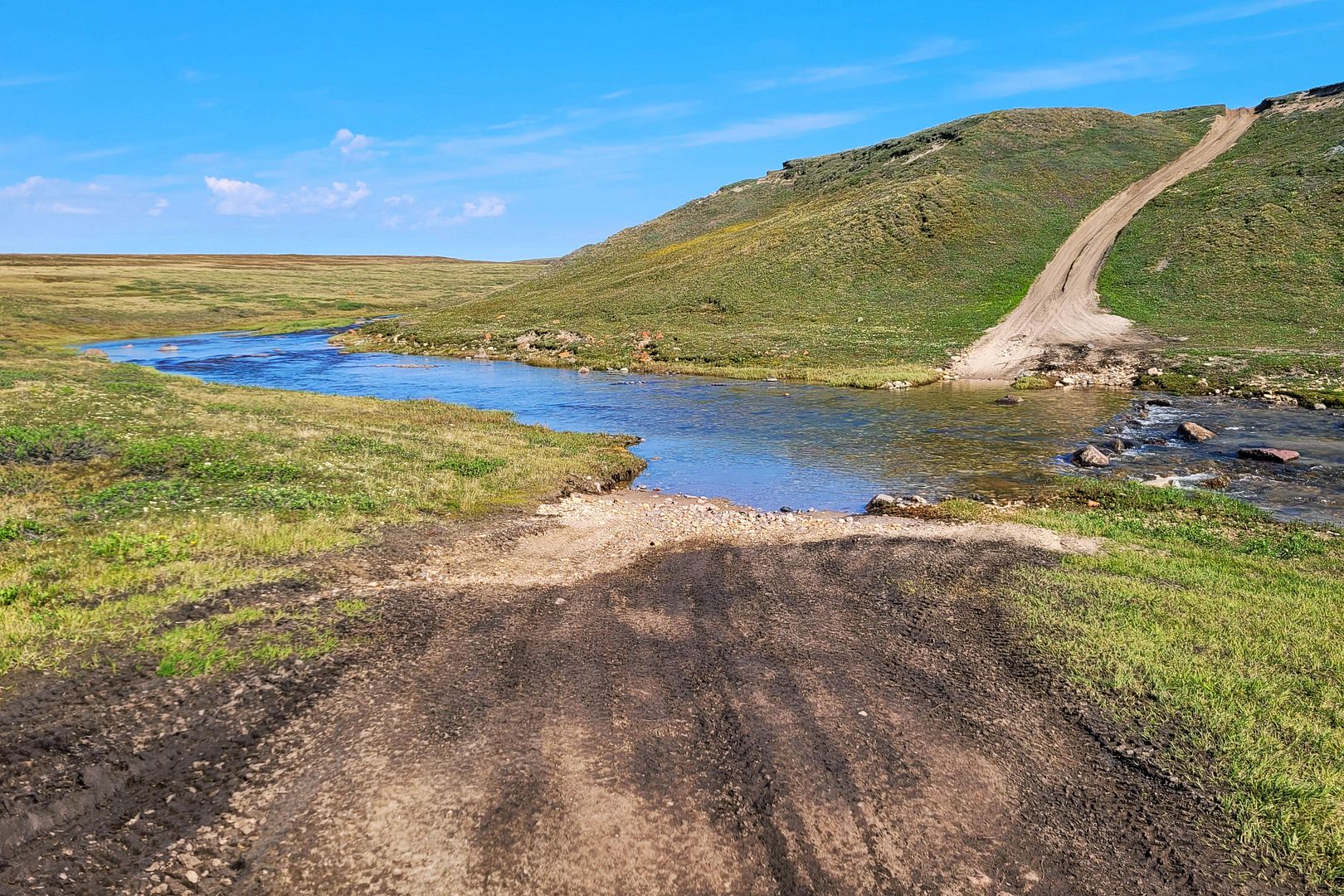
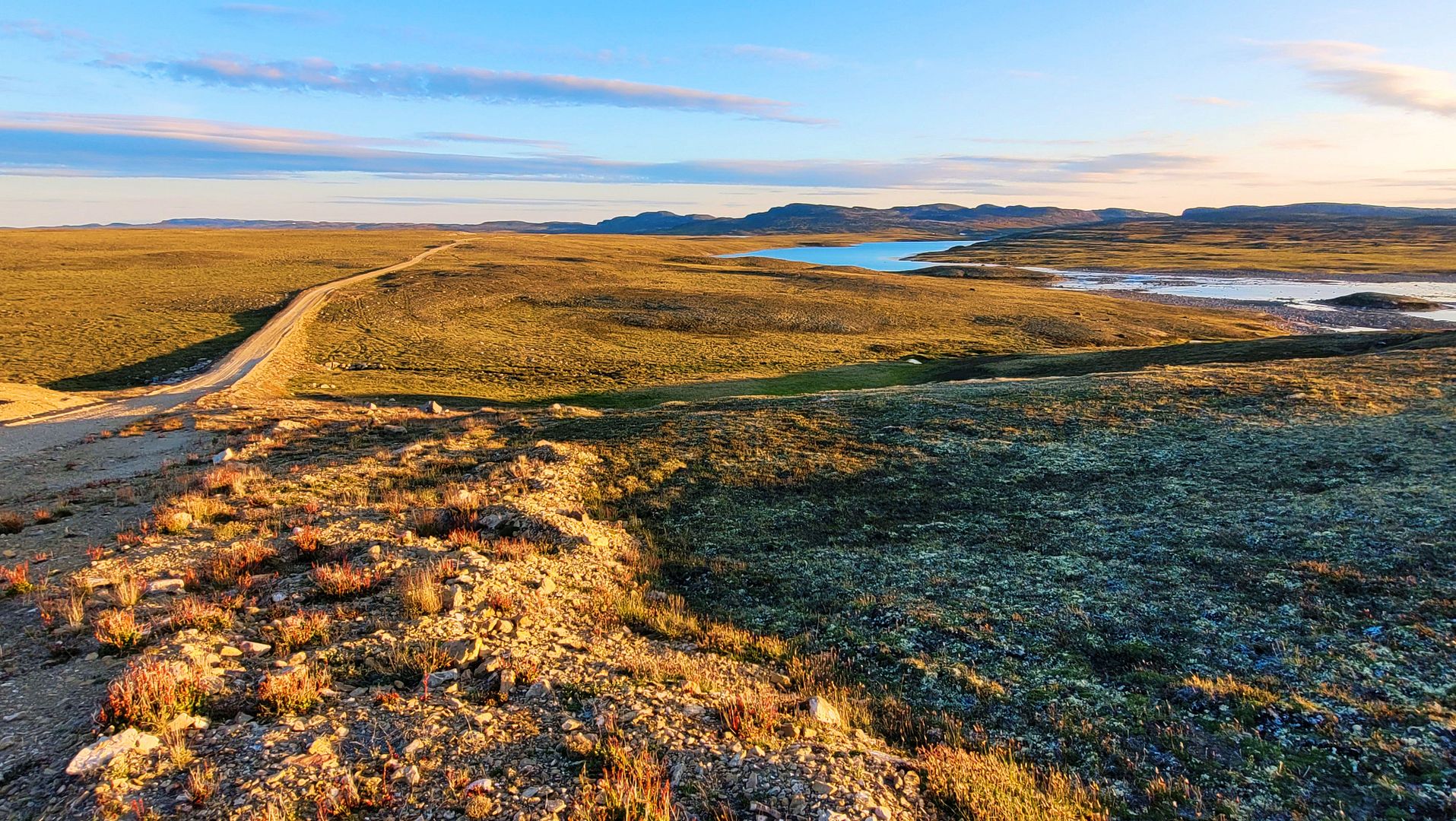
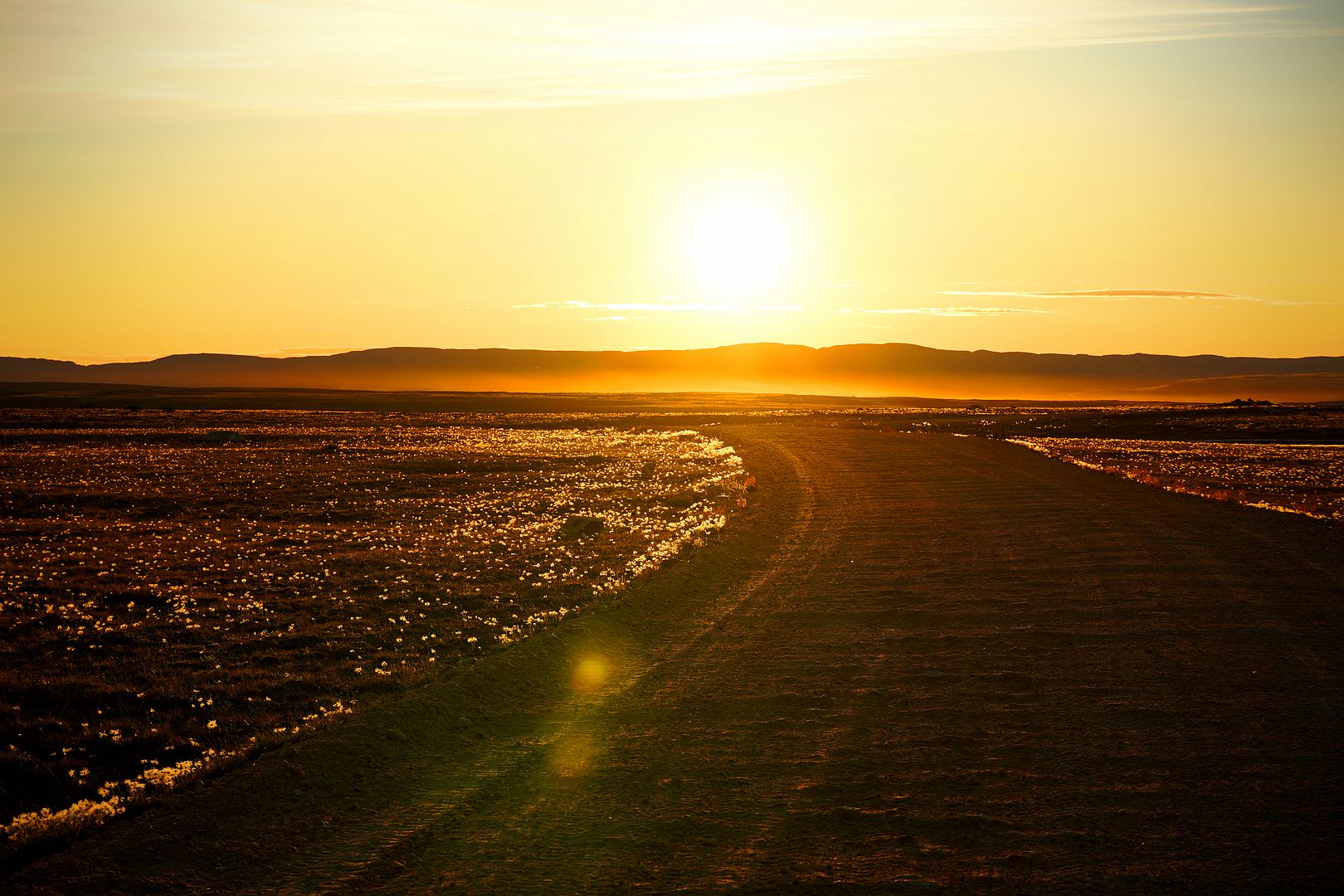
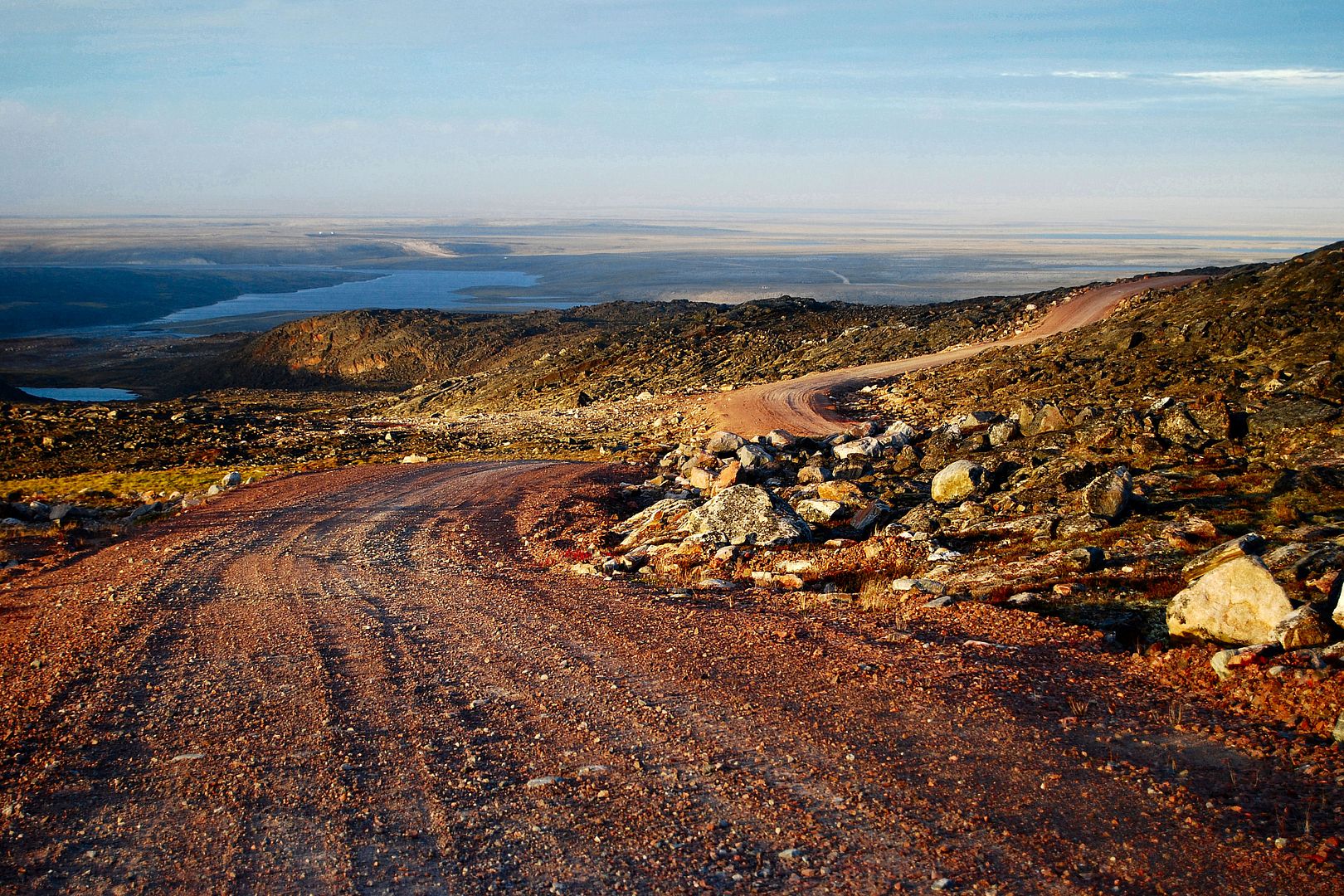
Further speaking of resiliency and Inuit life, the long and cold, dark winters each passing year do eventually give way to incredible full days and nights of sunlight. By late June into early July, most places the ice melts off the inland lakes and rivers and the tundra grasses grow. Wildlife across Nunavut sees a rebirth, as everything from the many birds nest, caribous calve and whales do whatever the heck it is that whales do..? Bugs too, yep, they come out in droves in some towns especially. Those places attached to the mainland, they suck the most for big skitters but no place, no place at all is worse than Baker Lake in the interior. There is no escaping hordes of bugs buzzing in that spot.
.
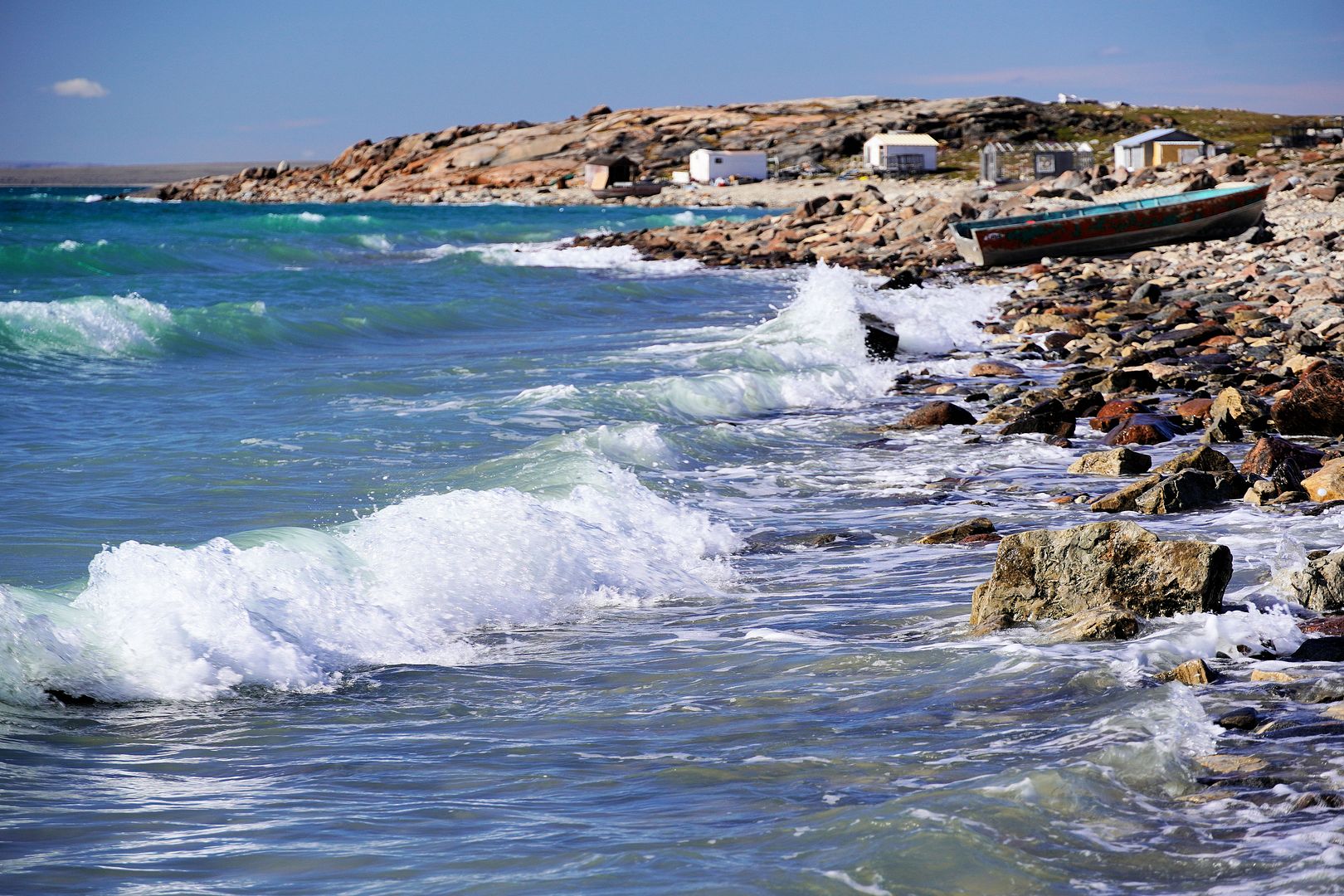
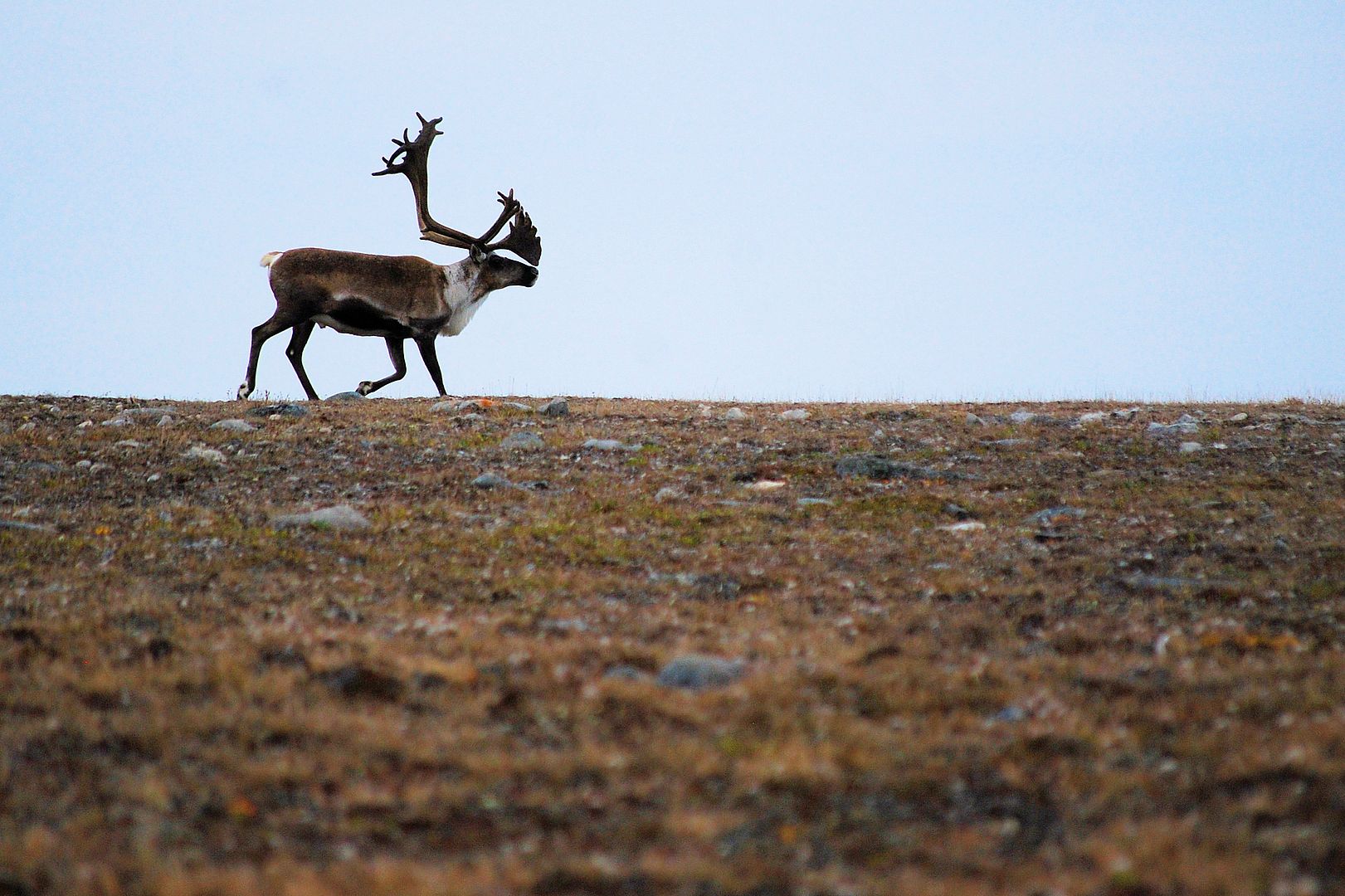
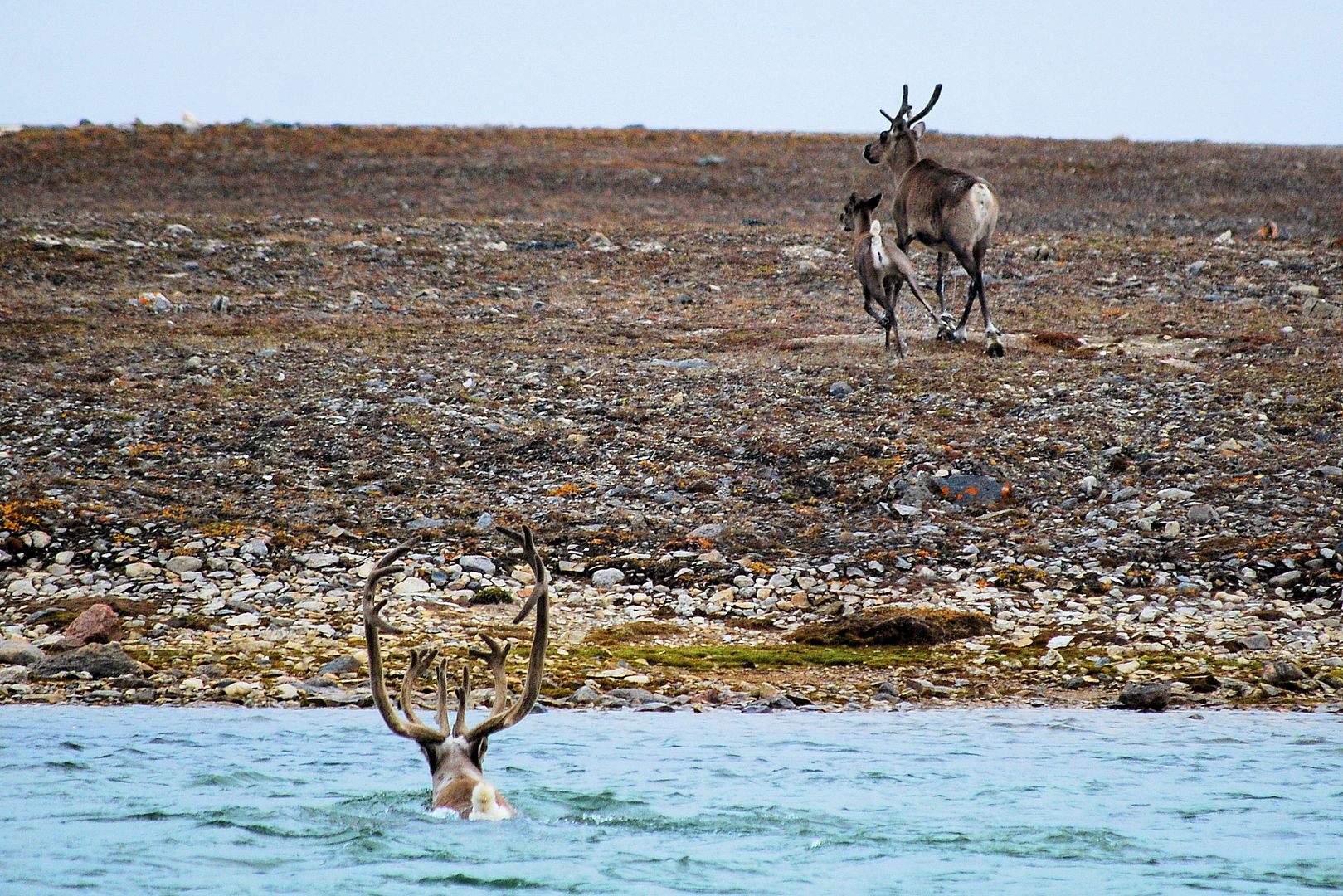
When the winds blow onshore of the coastal communities its often cooler for sure, therefor more bug free. With open water local folks get out on the tundra and sea to hunt, fish and whale. Towns like Kugaaruk in the Kitikmeot have exceptional narwhal numbers, during the summer months many men are chasing high-priced ivory and country meat to enrich family and community. Along the Hudson Bay communities there are more belugas to harvest. Caribou herds rapidly declining across Canada, what populations do remain in best numbers tend to be found within the central northern Kivalliq region and into east Kitikmeot. Rankin Inlet but more so Naajaat stretching up beyond Taloyoak is better caribou country nowadays.
.
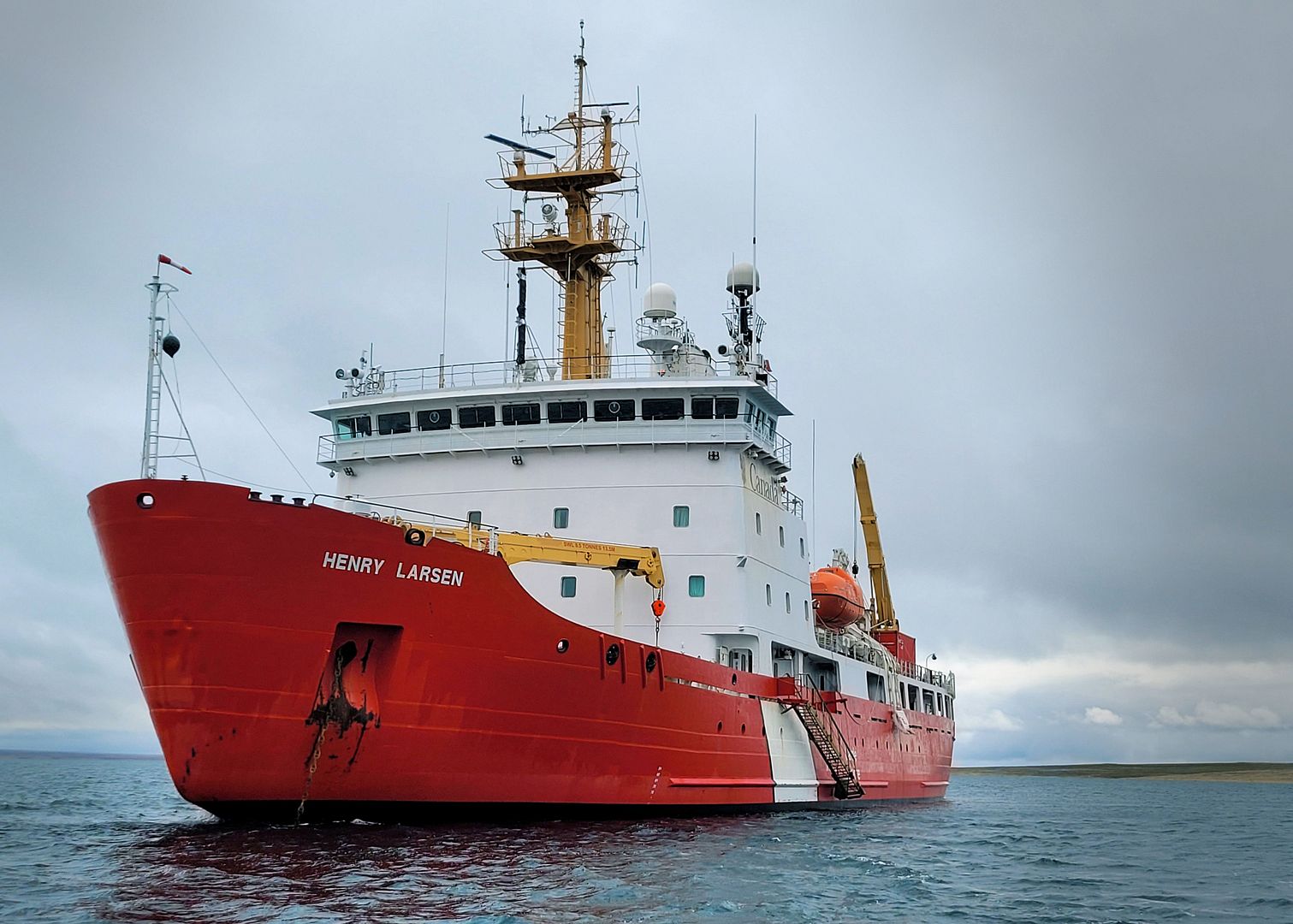
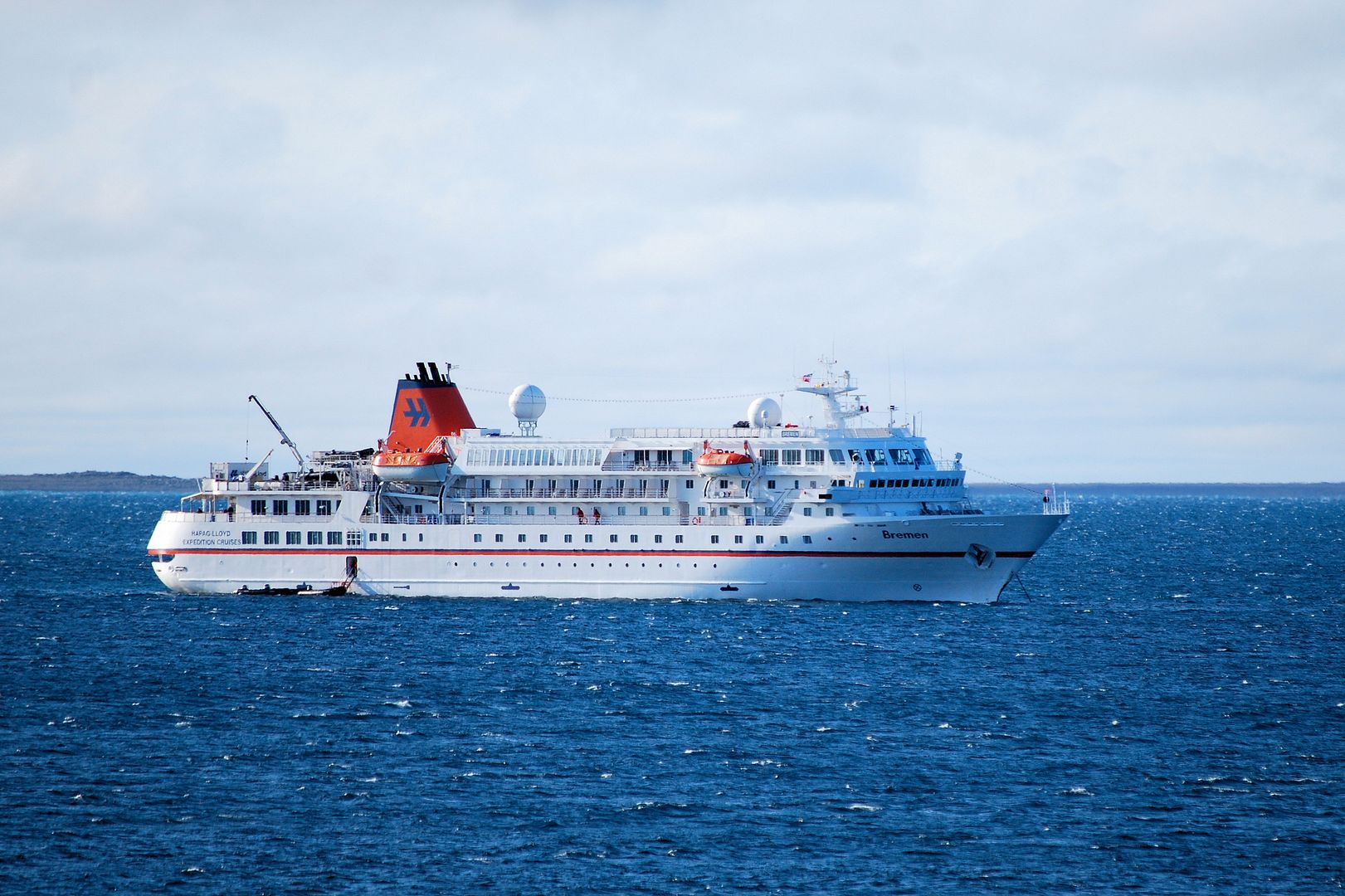
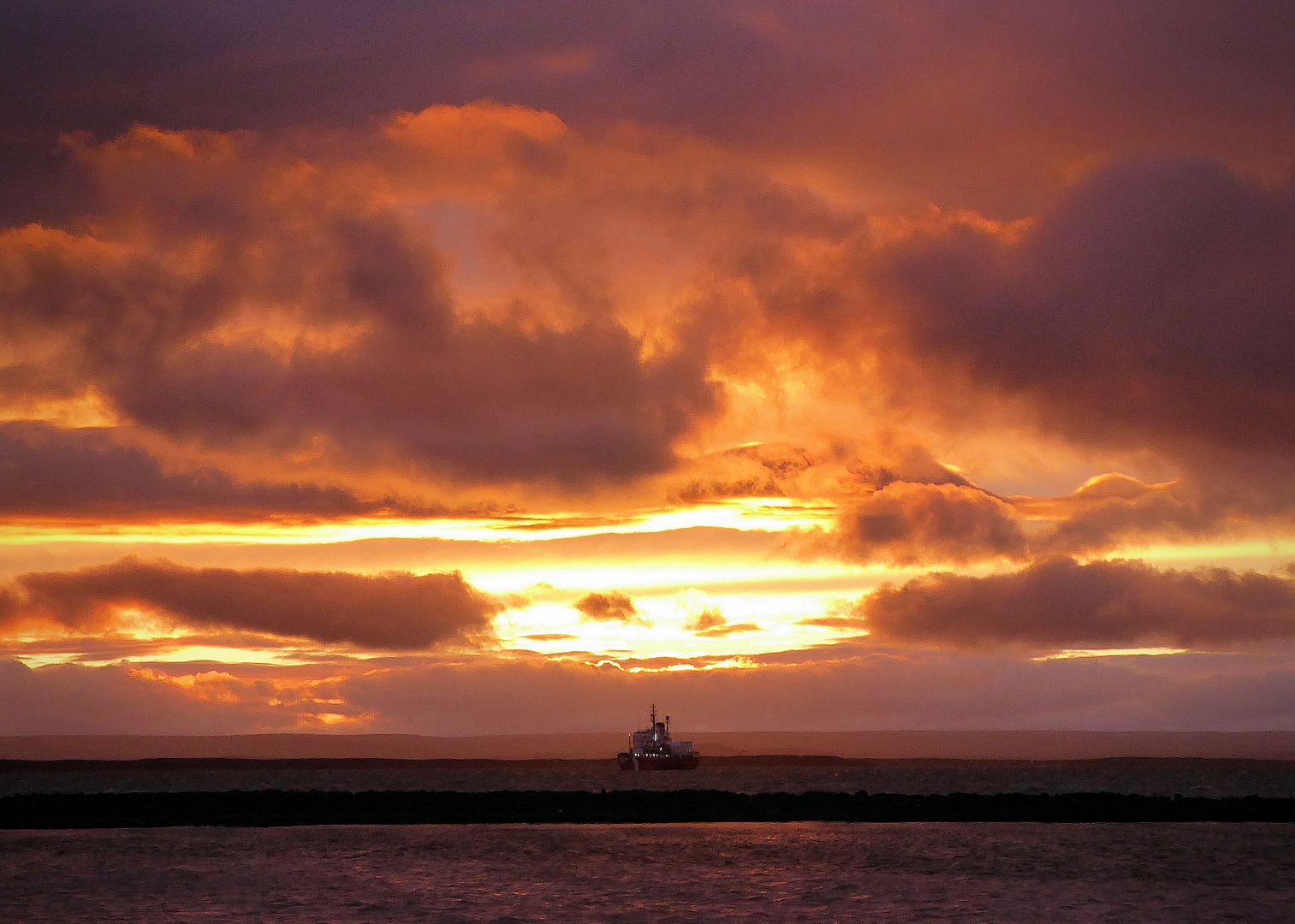
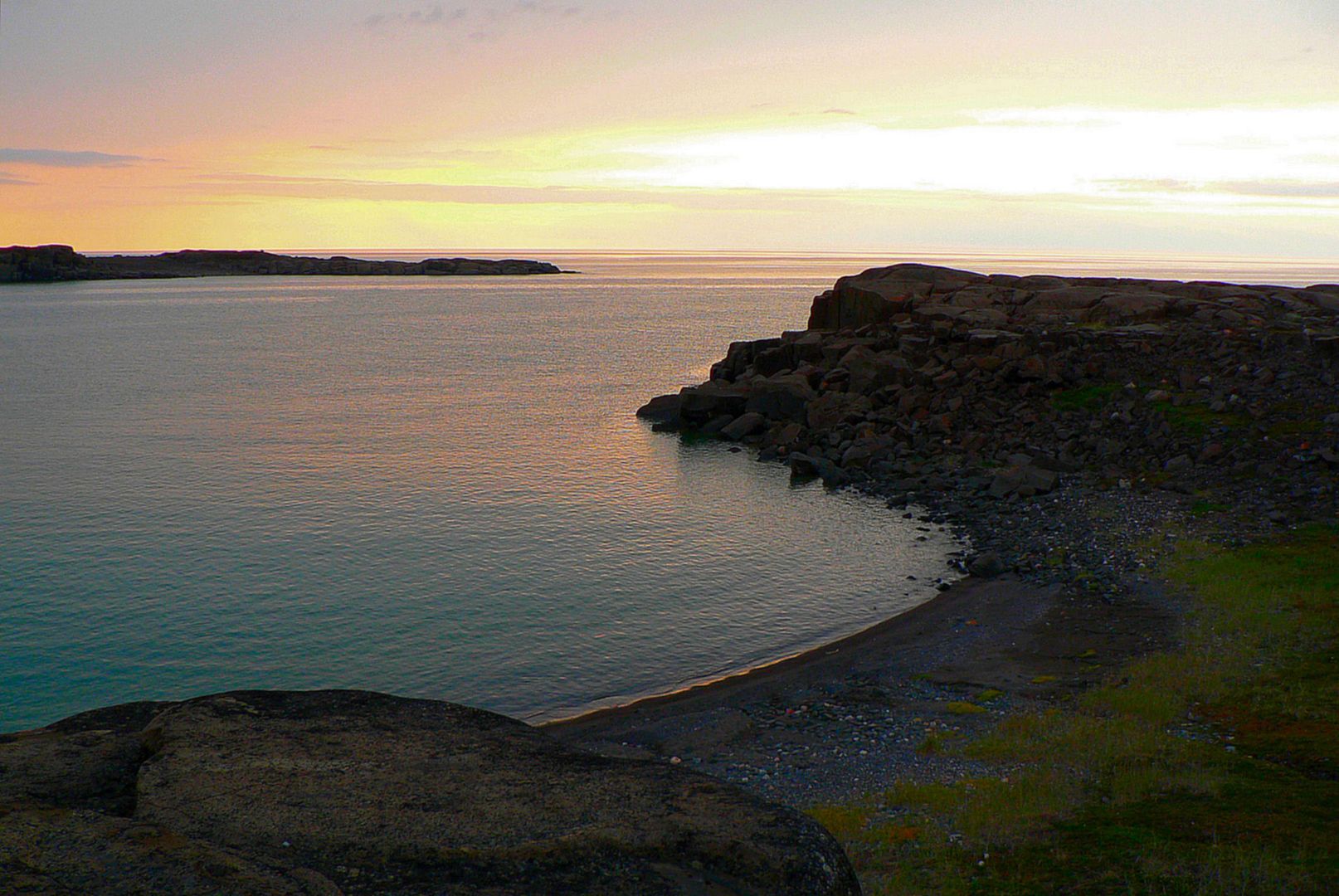
With all there is to see and do and Canada’s northwest passage usually navigable by July, it is no wonder adventure seekers in sail boats and cruise liners begin venturing about. The ice breakers, coast guard ships with scientists often aboard, those too run routes from community to community, as do the annual sealifts bringing much needed provisions to every place that’s inhabited. The Arctic summertime is by no means a long season but it is vital to all swims, flies and walks of life.
.
.
.
.
.
.
.
.
.
.
.
.
.

.
.
.
.
.
.
.
.
.

.
.
.
.
.
.

.
.
.
.
.
Speaking of wildlife out there and anyone’s ass just going on cruising about, you’d be wise to consider some things.
.
Not all regions in the warmer months are created equal but they all have some dangers. In the Baffin and Kivalliq there are more big, white bears that could be hanging around than there are in the west. In Kitikmeot its always possible but, ober-der bears they’re fewer and father between and really kinda rare, if ever even around town at all during that time of year. However, in places like Kugluktuk across to Kugaaruk and some areas on Victoria Island like where Cambridge Bay is located, there can be barren ground grizzlies. Having visited all towns in that region of Nunavut, only once for added security when camping out for five days did I borrow a shotgun and some slugs. Otherwise, while in Kugluktuk and fishing alone out around Bloody Falls, I carried bear spray in the event of a chance meeting with a grizzly. Any area that locals recommend you must have a gun for polar bear protection well… you best have a gun for polar bear protection. It is rumored that polar bears can smell “fear” from miles away, so there’s probably some chance they can smell a gun too. A person with a gun won’t stink to quite the same degree of fear as one might if they’re unarmed.
.
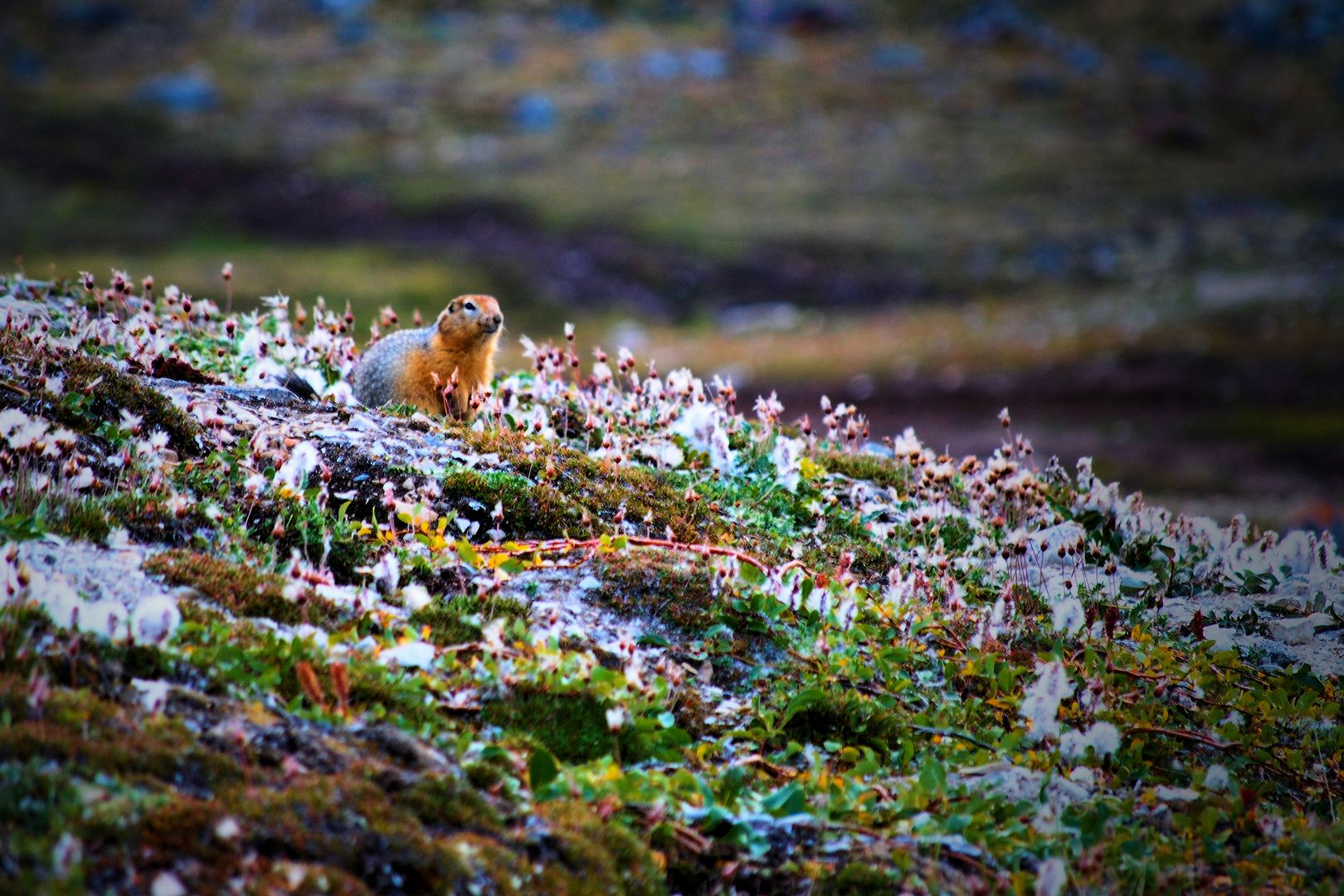
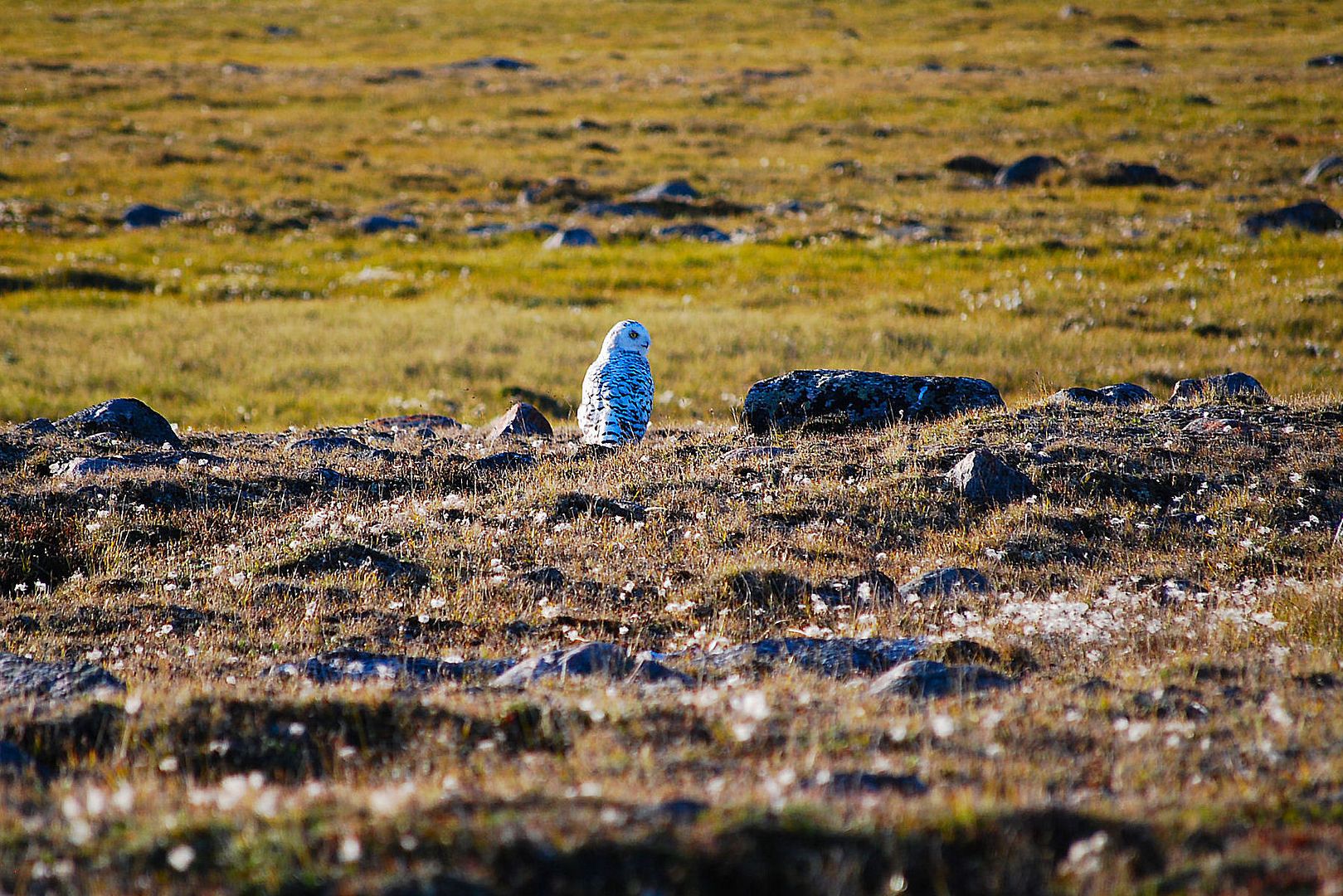
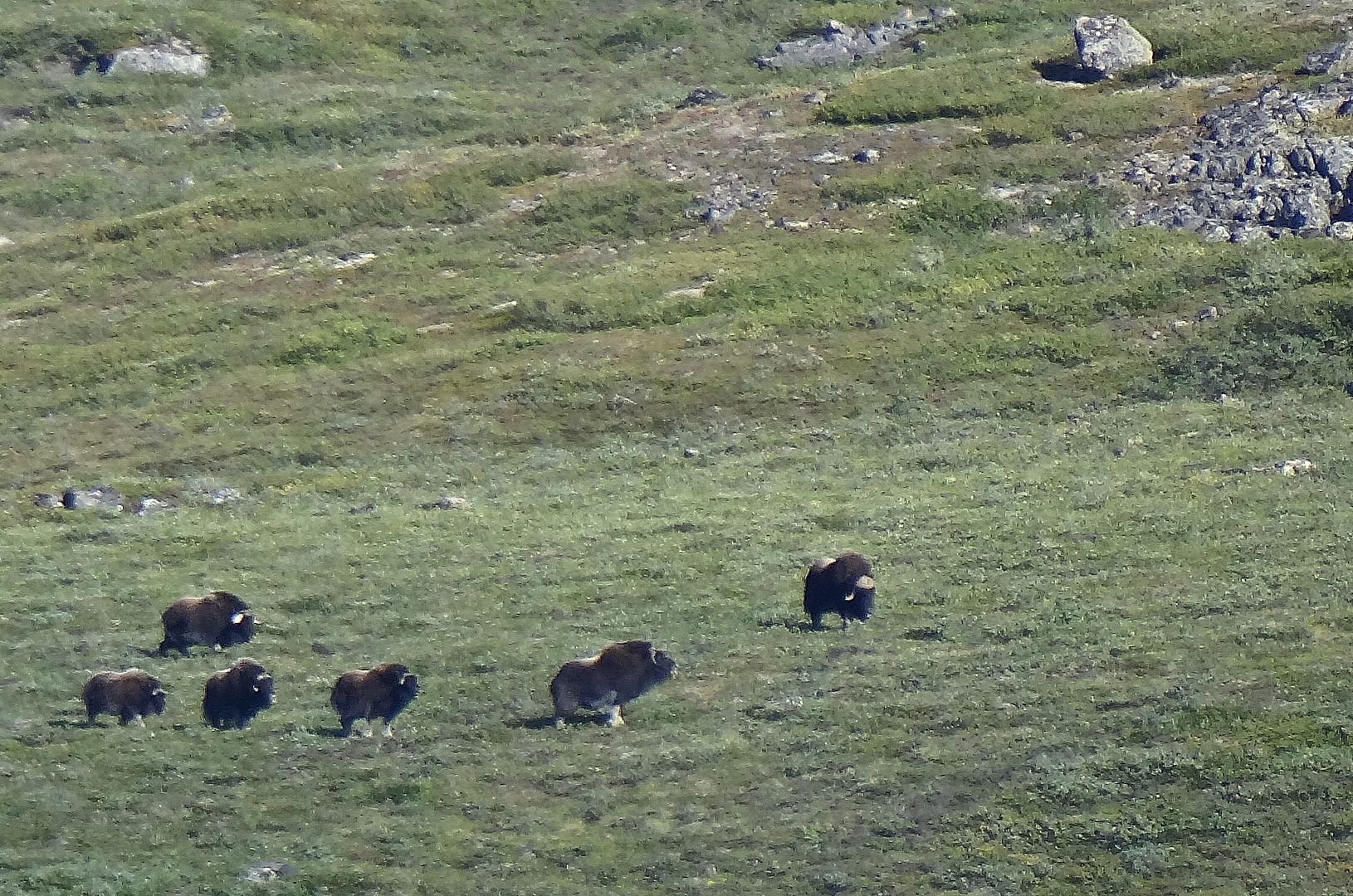
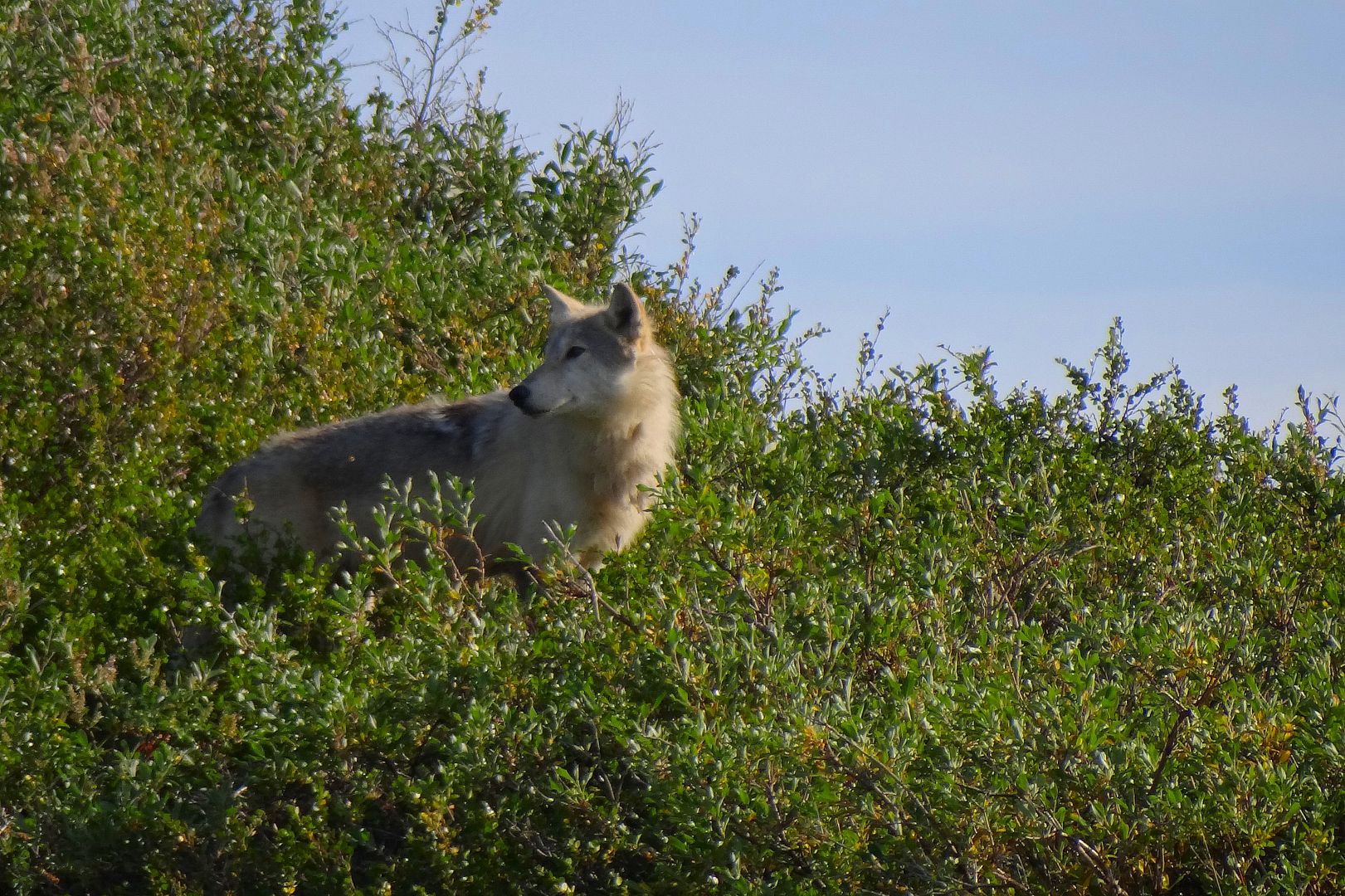
As for the other land animals its said some muskox can get kinda ornery. Arctic wolves for the most part are rather curious of humans yet also shy. You can watch cute videos of photographers paying bucketloads to travel up by Eureka with Grise Fiord guides just to get up close and personal with wolves there. Maybe in the much further Nunavut communities there’d still be chance of a timberwolf encounter, I dunno but if so, having bumped into a number of those close range in my time, they’re huge and scary enough you’d probably want to meet ’em while packing heat. Suppose one last arctic animal that can be a bit of an asshole at times and “who who” is listed as one of the top most dangerous birds in North America is, the snowy owl. Don’t find yourself between a snowy and a ptarmigan it wants, I’ve seen first hand how one of their talons can go through a seal skin mitt and right into a palm.
.
The fish and sea creatures up in Nunavut shouldn’t bug ya too much because if you happen to find yourself swimming in their waters, you’ve surely got a much more emergent danger to deal with.
.
.
.
.
.
.
.
.
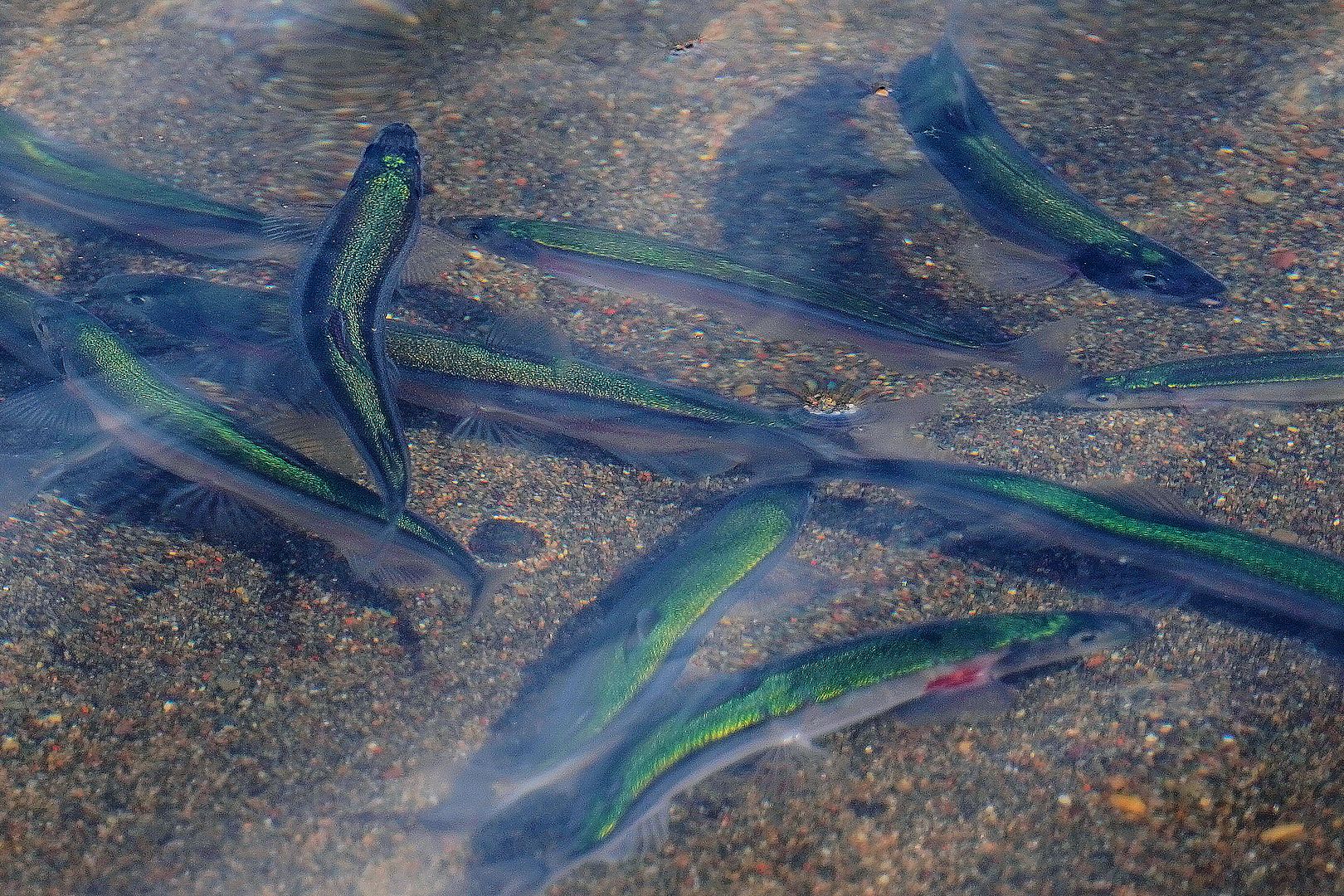
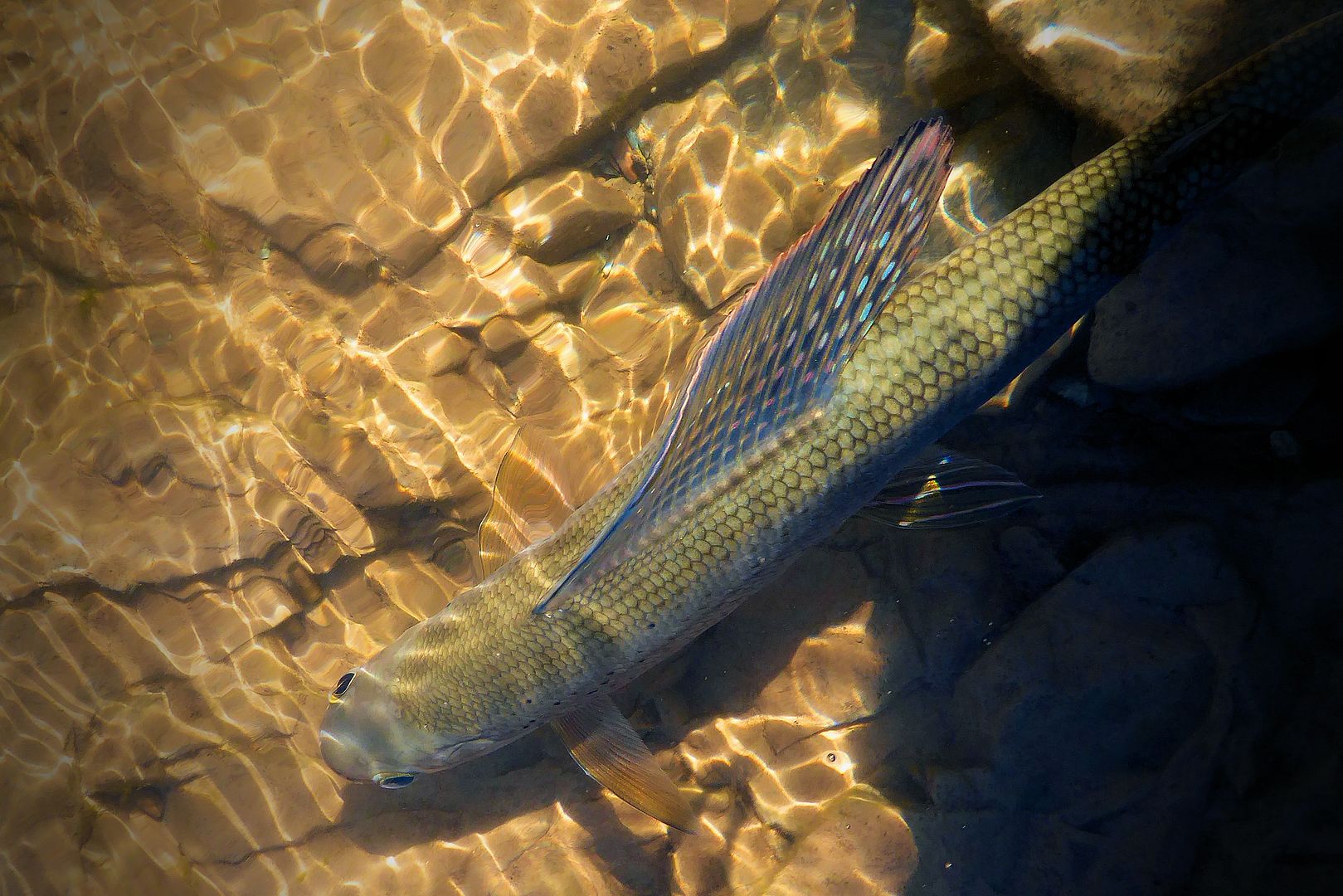
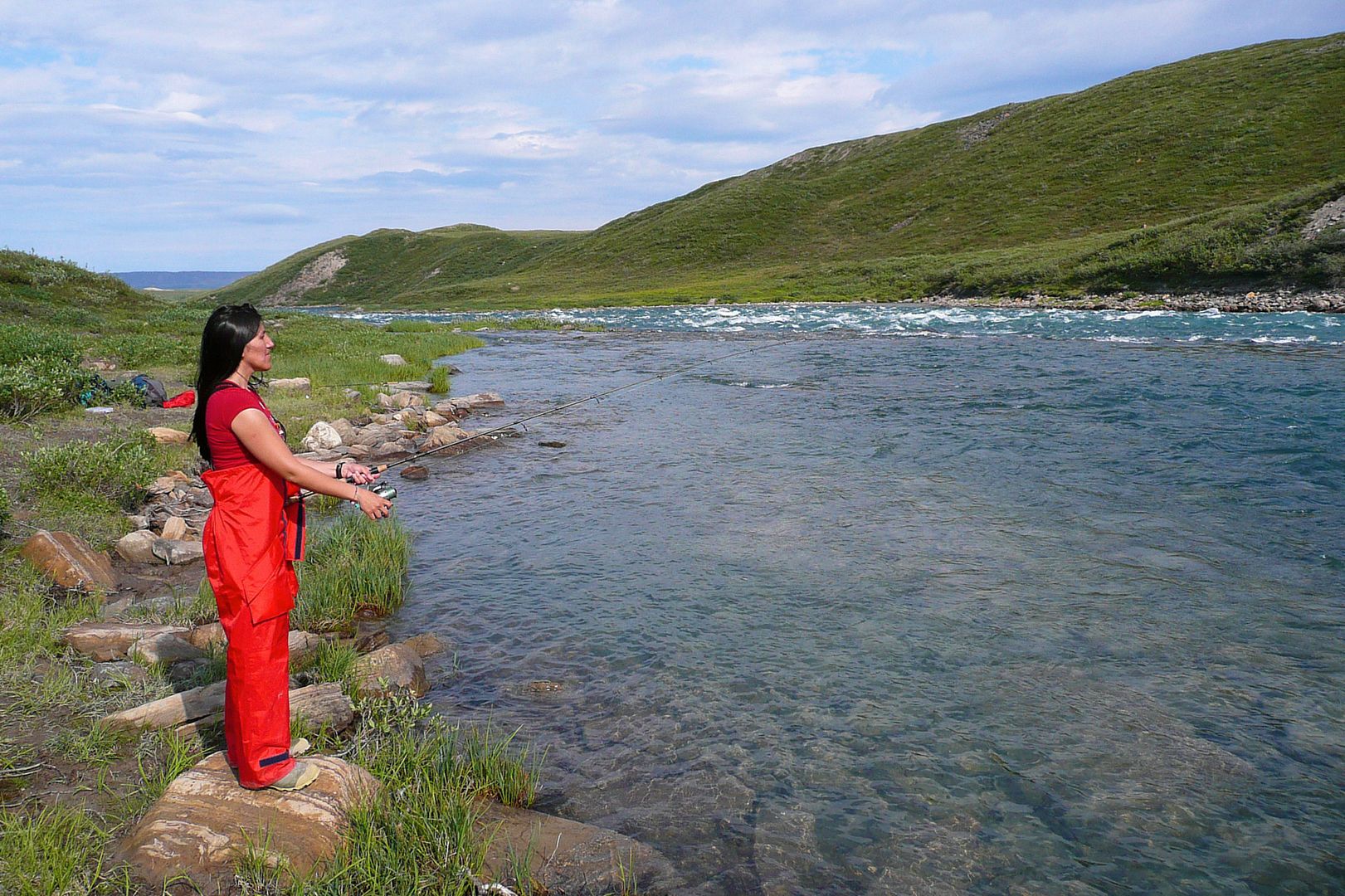
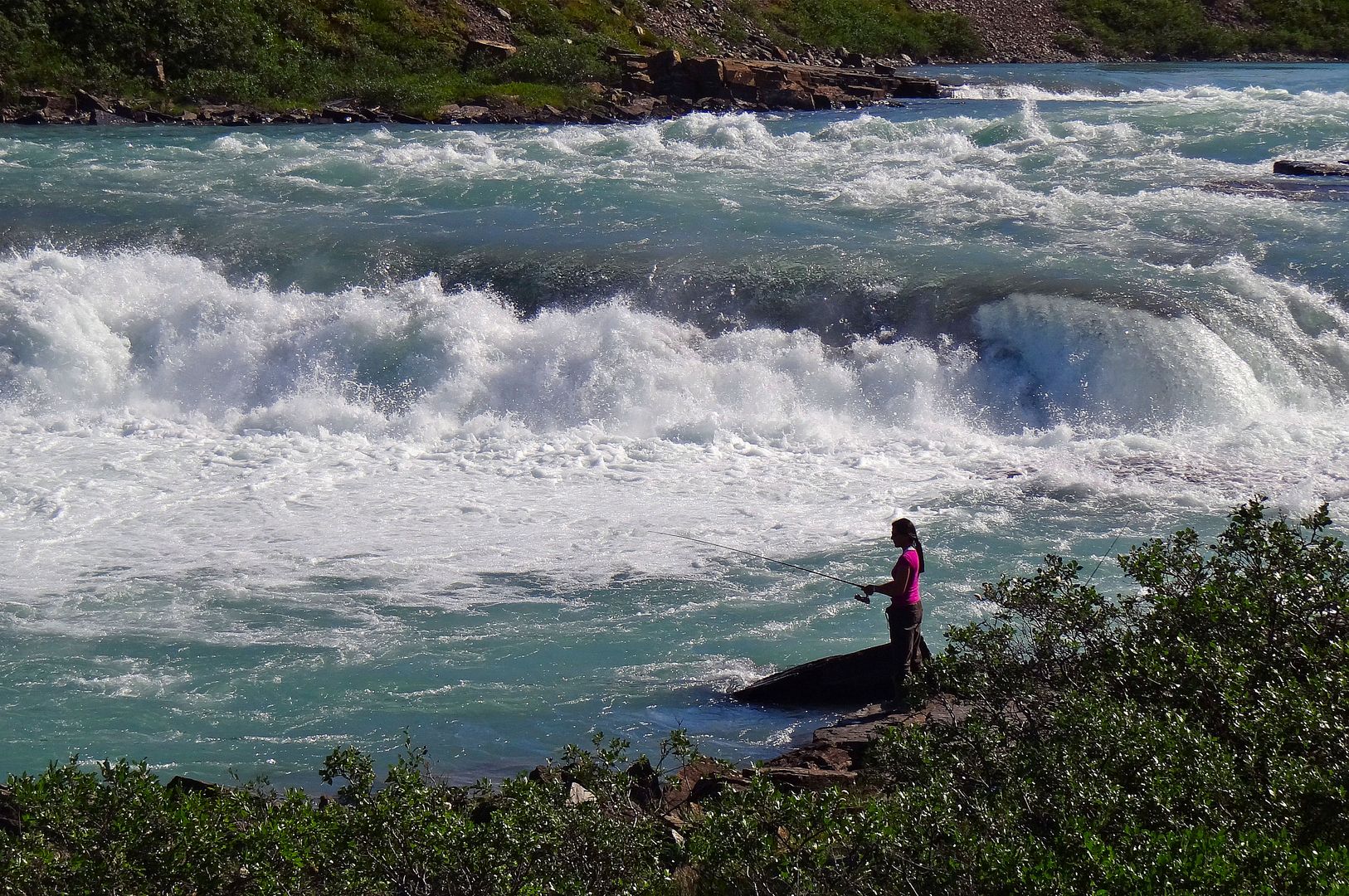
If you’re like me you don’t really concern yourself too much about all those other living things in Nunavut because friggin’ fish are always on your brain. So what pray tell would we be fishing for up there then? I am glad you ask because this one specie in particular is probably the most special, exceptional, beautiful and meaningful of fishes you could ever imagine, the Salvelinus Alpinus, aka the Arctic Char.
.
Al’s penis can grow rather large by late adulthood. The current world record is a bit of a fish story in and of itself but, let us just say for tits and wiggles the biggest of big reach over thirty pounds. Kinda like salmon and sorta like trout, char live longer than both. Takes them more time to grow in the frozen north but no fish is more conditioned to doing so than they, cold is totally their preference.
.
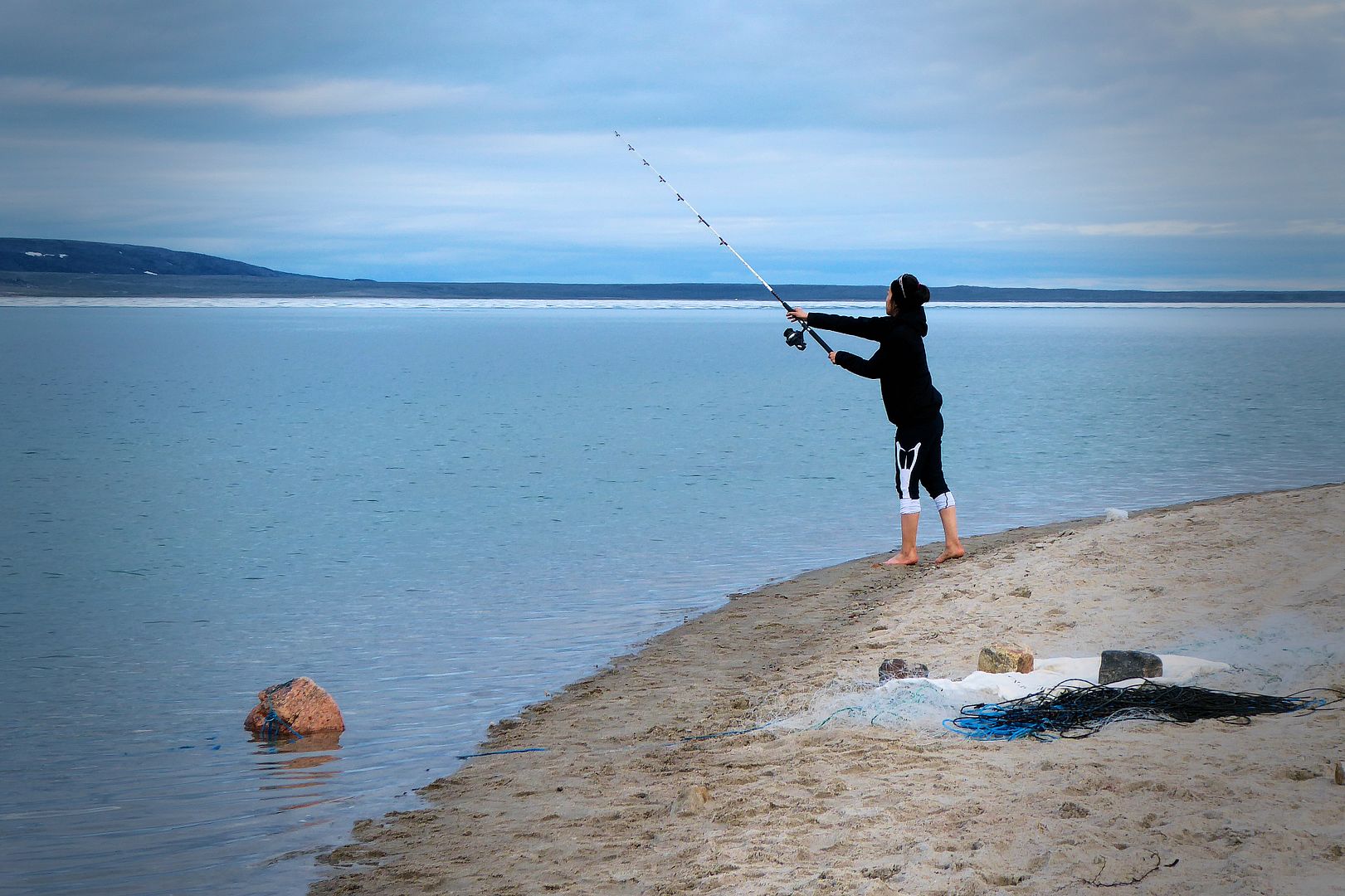
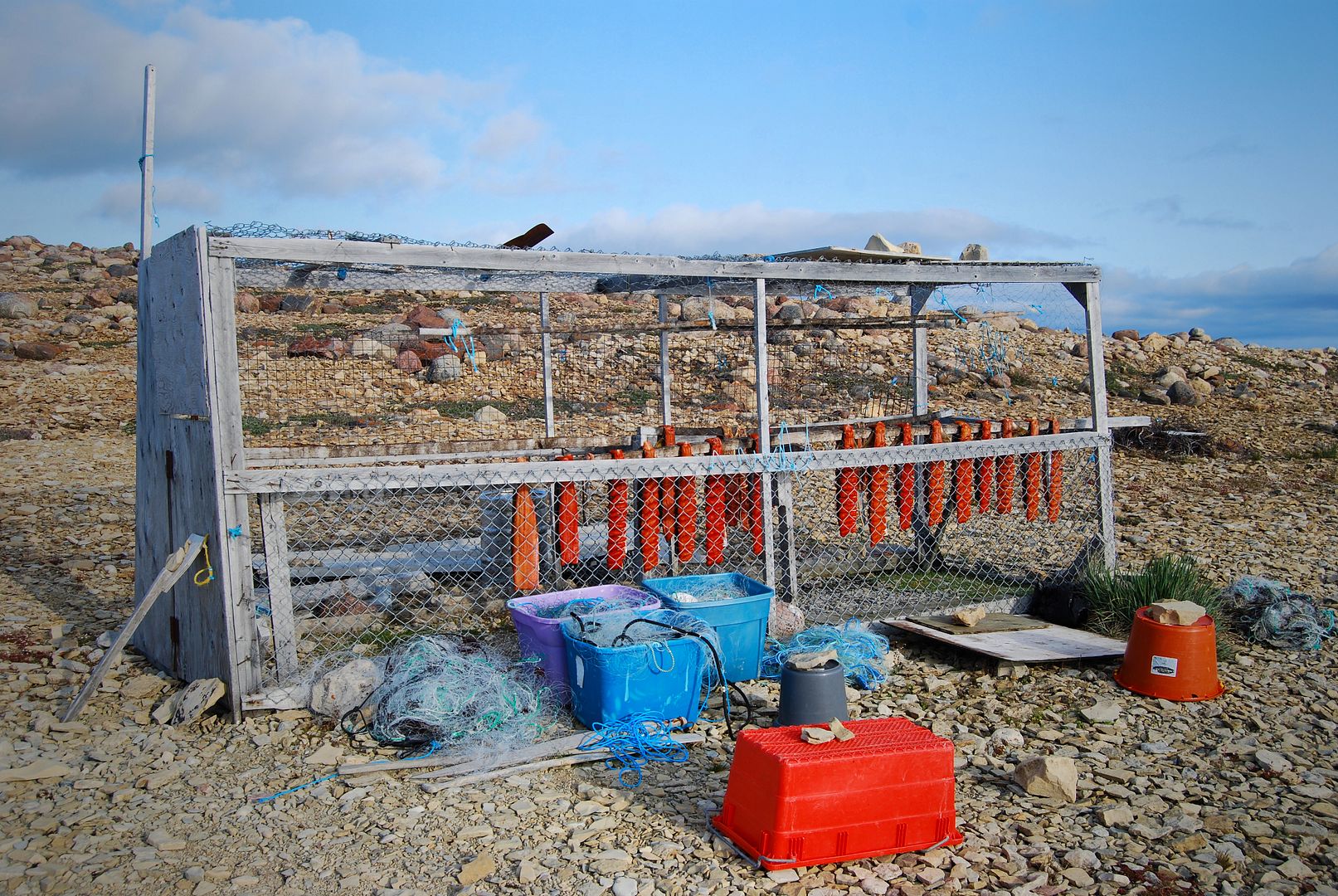
Over-wintering in freshwater lakes and slow, deep, river holes, arctic char from around early fall all the way through the calendar to May or June, they don’t eat! Yeah, they just spawn in the fall and literally chill out fasting in darkness until the spring sun returns and the ice and snow melt retreats. Insane right!?! There can oftentimes be sooooo many fish packed into a small area that if char were actually required to eat through the winter, I’d think they’d in many places find little to nothing but themselves to feed on. That ain’t really cool to wipe out your own population and so they don’t do that shit. Who does do that though, who does eats char, are the humans. The Inuit are skilled with nets and also ice jigging with hooks too. Char are often caught not because they actively bit a lure under the ice but rather they just swam up curiously to a fluttery flashy thing. Sometimes there are so many in an area they are simply easy snaggings! That is the Inuit way! Don’t shoot the messenger. The Inuit gotta get food, any fishing fun is secondary and catch and release ain’t even a thing in their culture.
.
When char do feed it is last ice back thru to nearly ice up again. Once the spring rivers open to the sea many char go swimming downstream for the salt water in order to spend weeks to even a couple of months gorging on capelin, herring, cod or whatever! They get their buffet on, cruising shorelines, often bulking up by 30 to 50% of their body weight before having to return to the freshwater again for over-wintering. Like salmon and other andadandadromedous fish their salt water gluttony super-charges them, so while at sea they are total killers. And, once the human eye can spot those first stars beginning to glimmer again in the summer night skies, the char migrate to the rivers again. If you catch those same silvery feeding machines early on in their return, look out because they are gonna be total beasts on a rod.
.
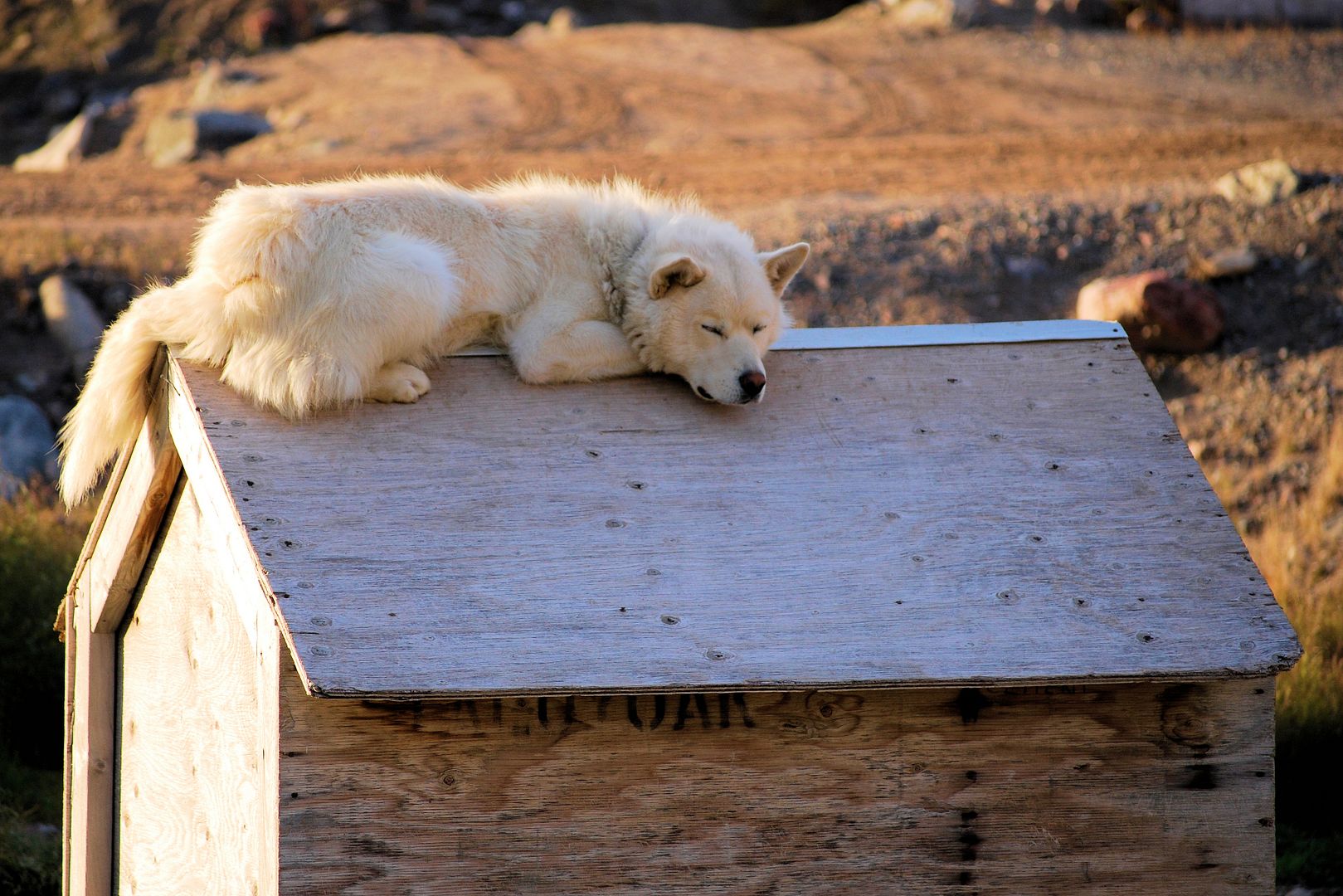
Char is life for the Inuit, these fish their food, their dog’s food and sometimes the food they use to try and catch other food with. In the olden days too, char skin may have even been used for clothing. Imagine, a Friday night at the Publoo and in walks Sharoon sporting knee high char skin boots and a new parka? Yeah, char ain’t just life, they are the high arctic life baby!!!
.
.
.
.
.
.
.
.
.
.
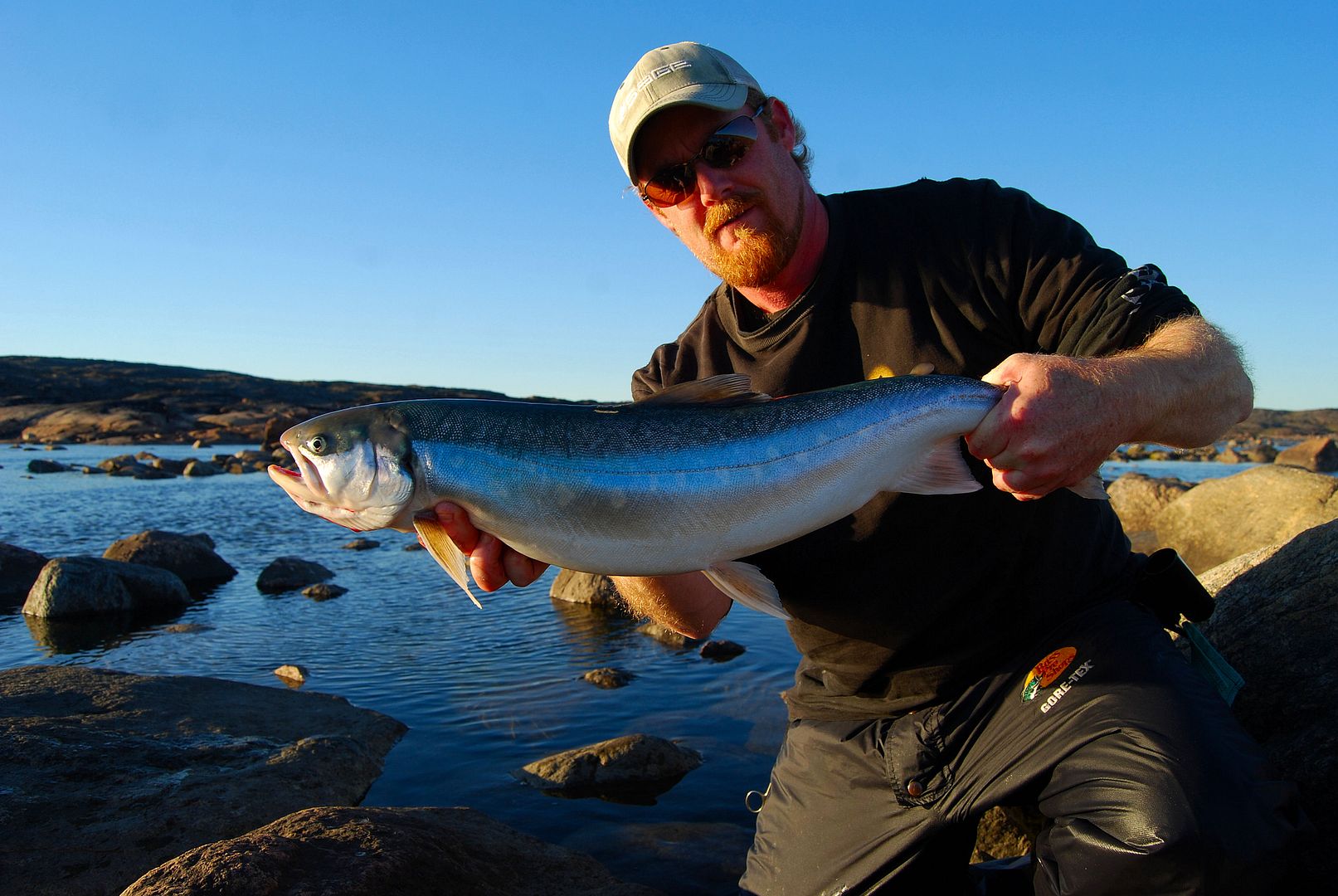
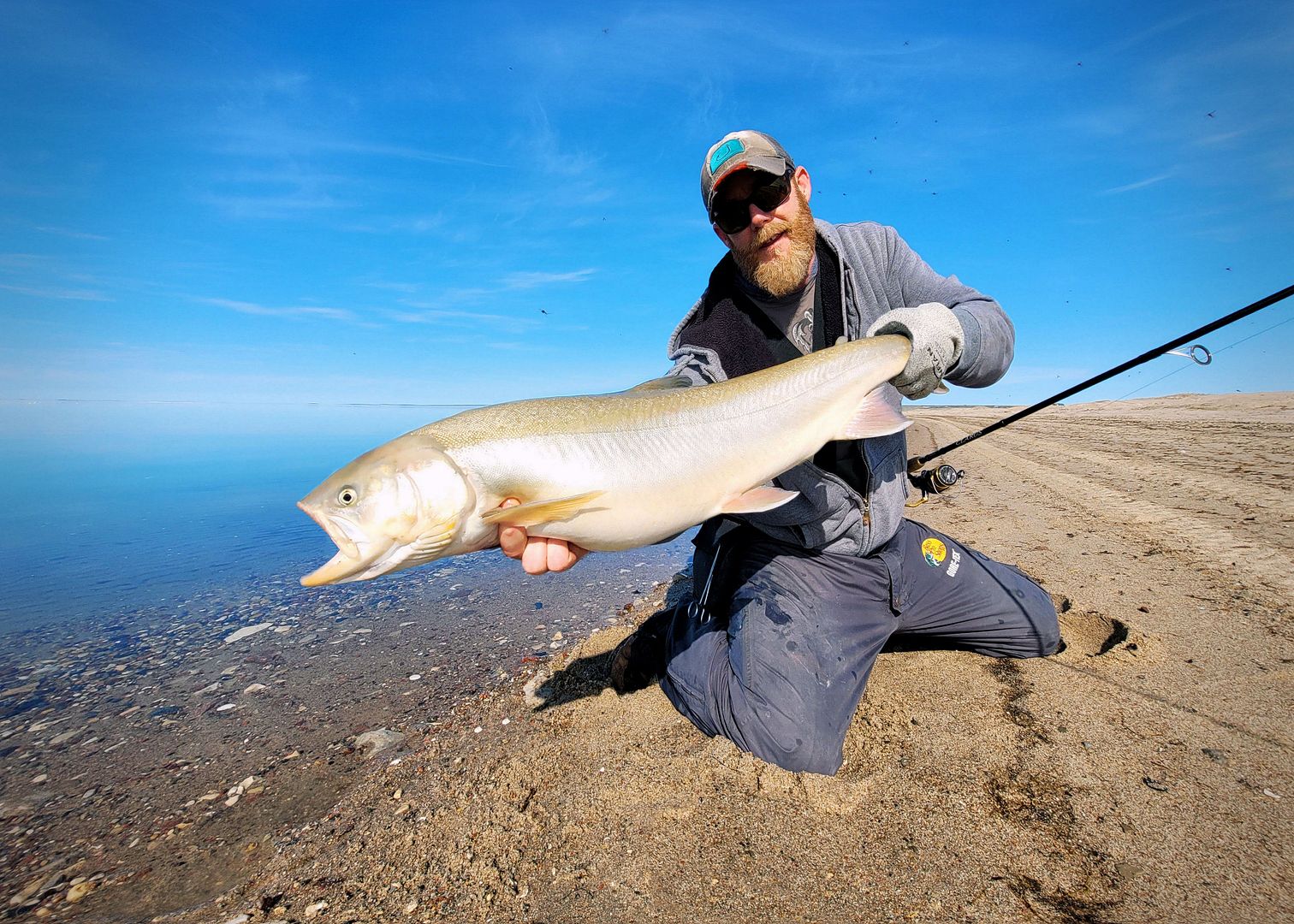
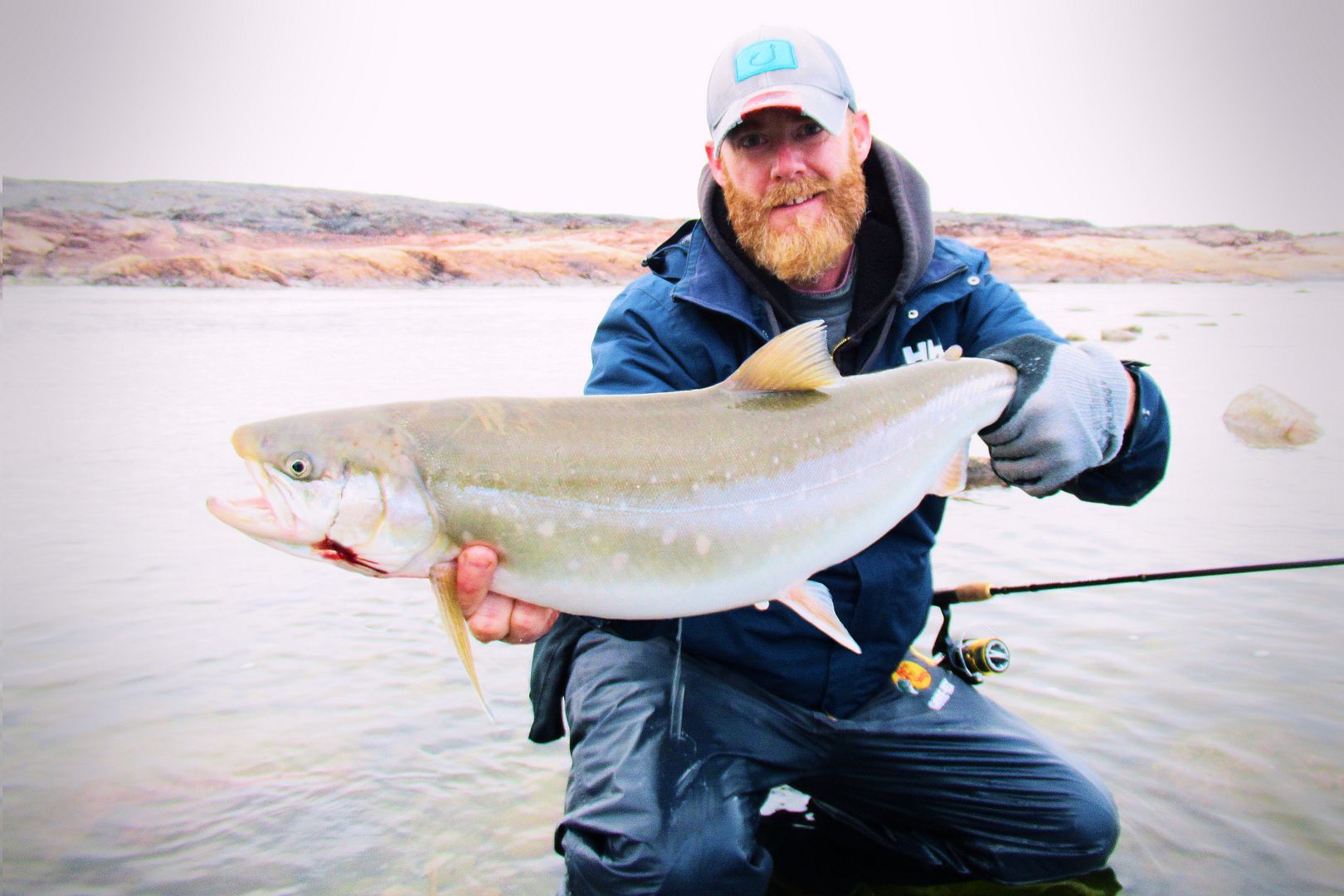
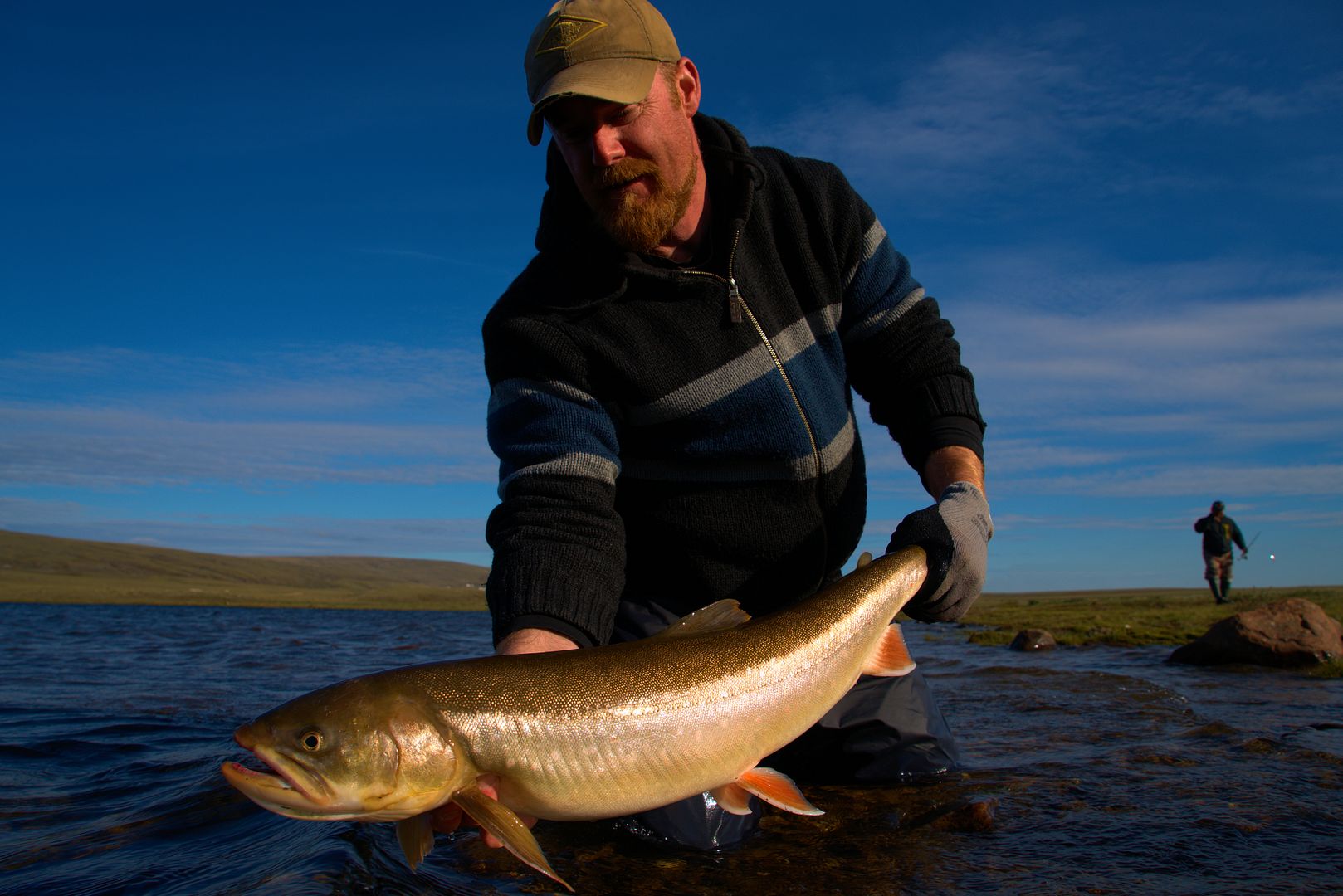
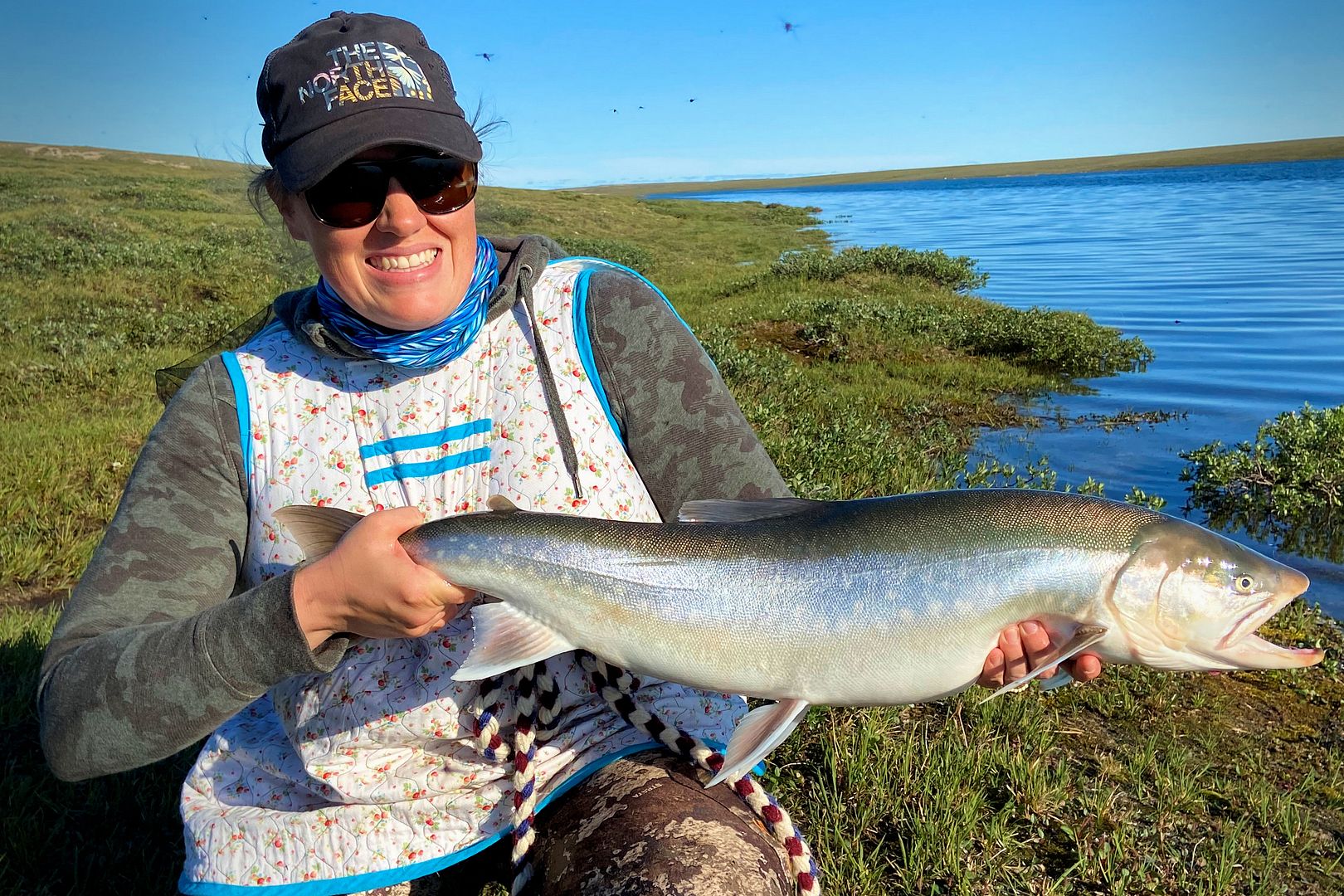
It’s funny how vain sport anglers can be. With many game fish species on the planet our primal urges often lean us towards “a great fight,” a “besting of your opponent,” or “winning a hard fought game.” It’s pride! It’s Old Man In The Sea deep seeded shit within us. Silver arctic char embody that! Having fed, gone all energized up, been on sniffing salts for weeks, the char are bulked and bodacious in their silvery stage and absolutely primed to peel your reel. Personally, I’d much rather spar with anything “fresh chrome” than colored in the trout, salmon and char world. That’s great sport!
.
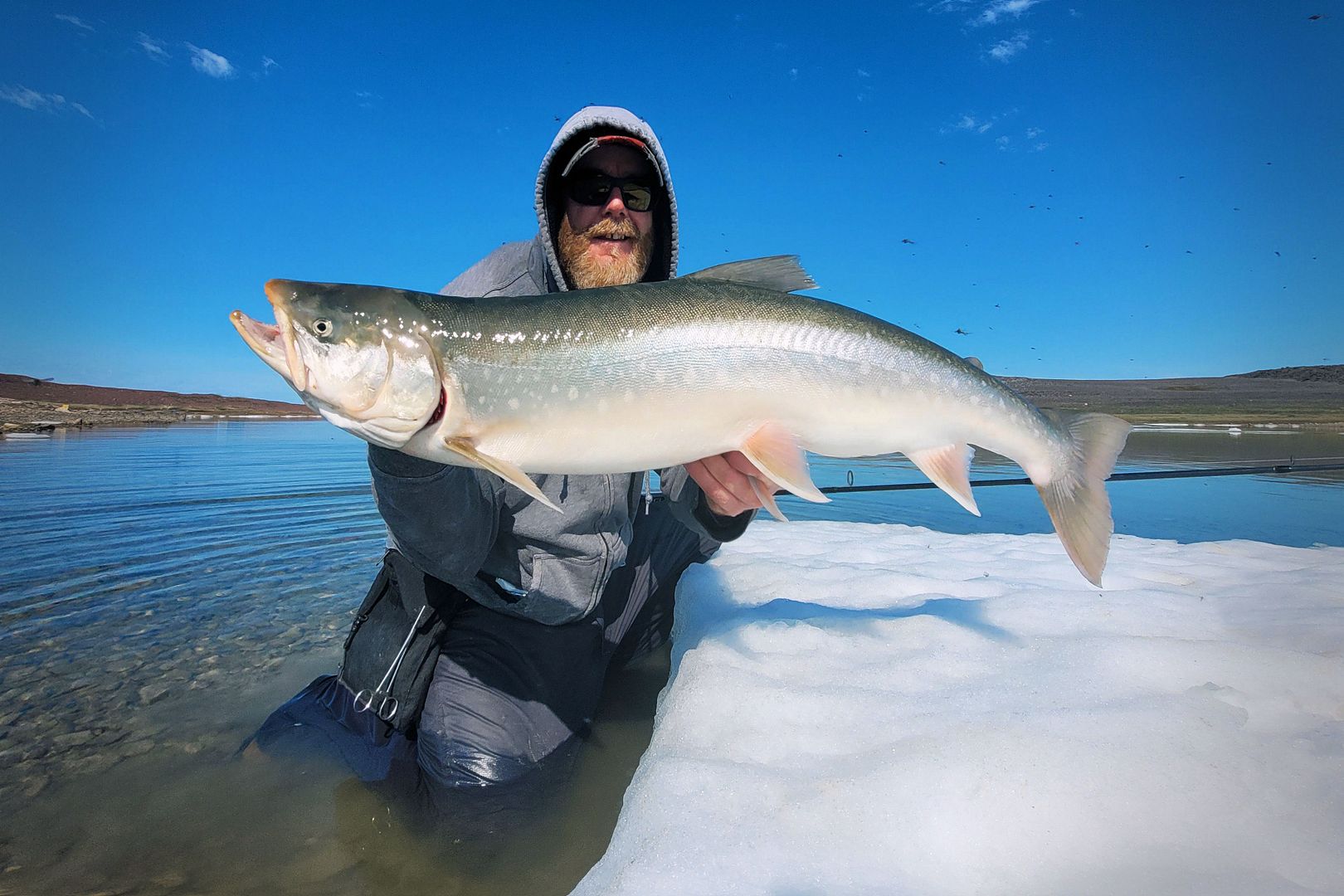
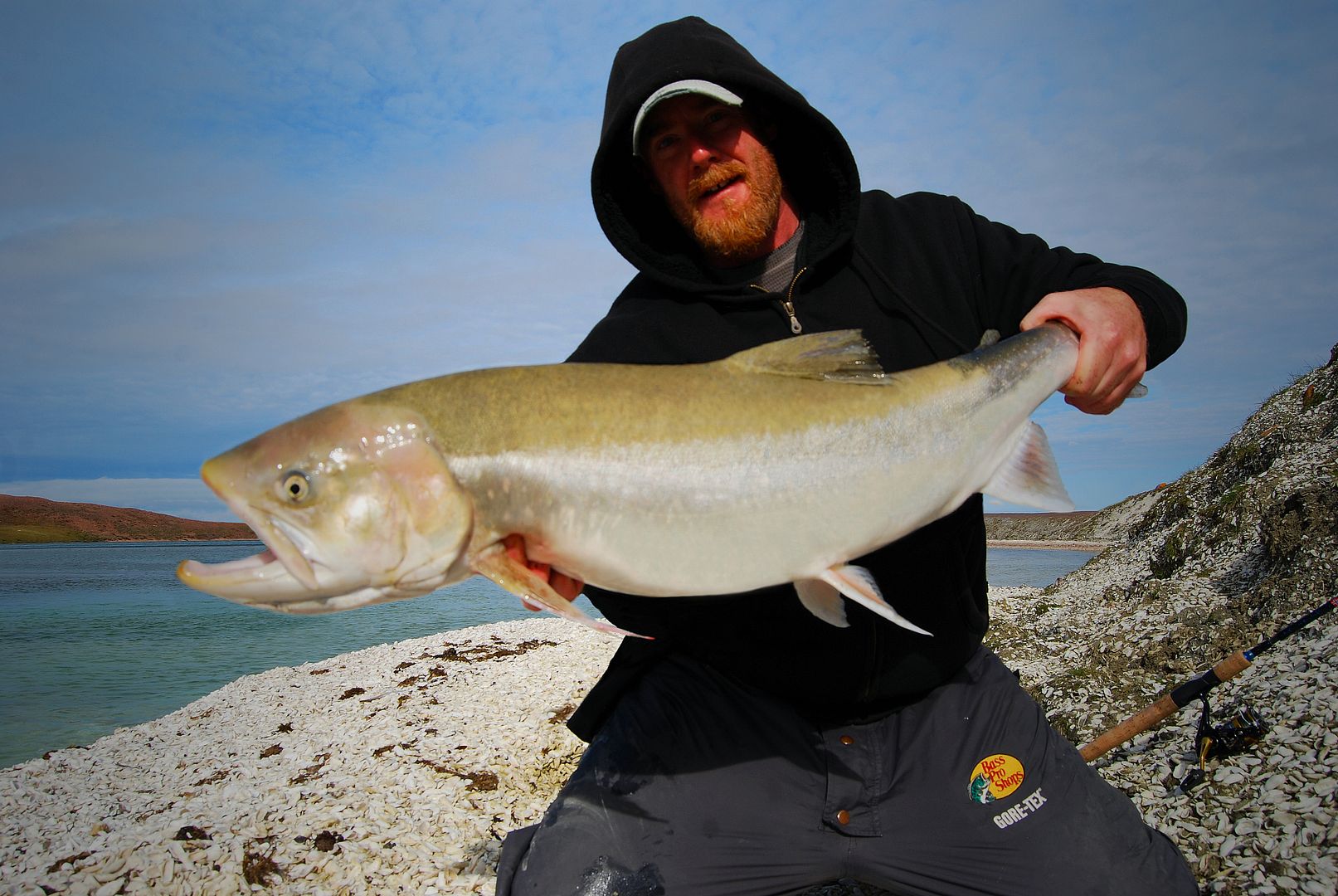
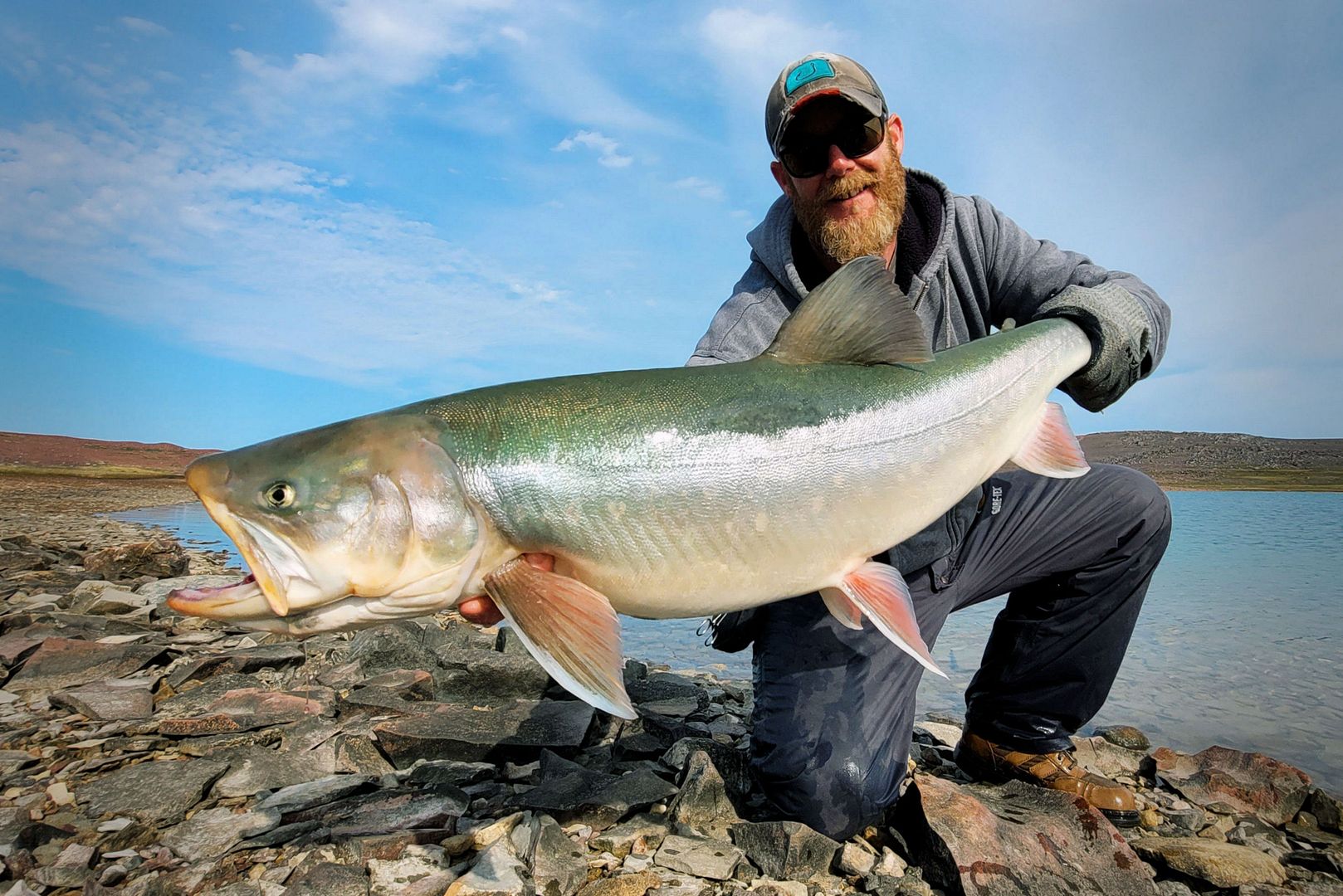
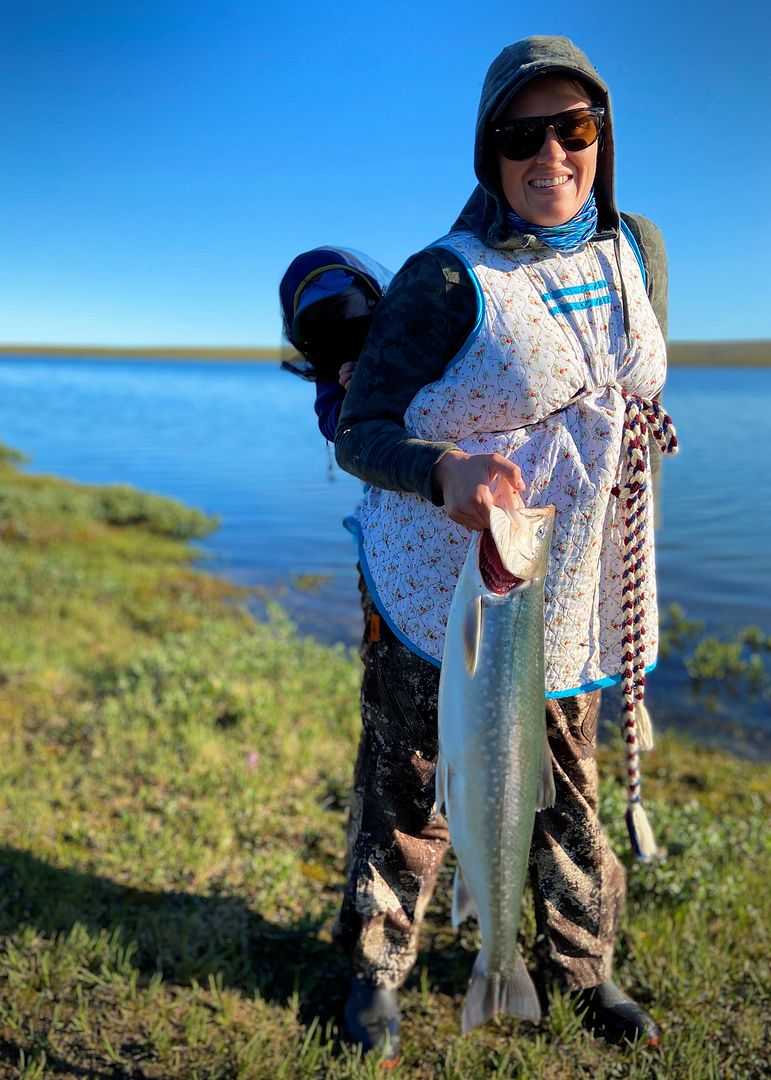
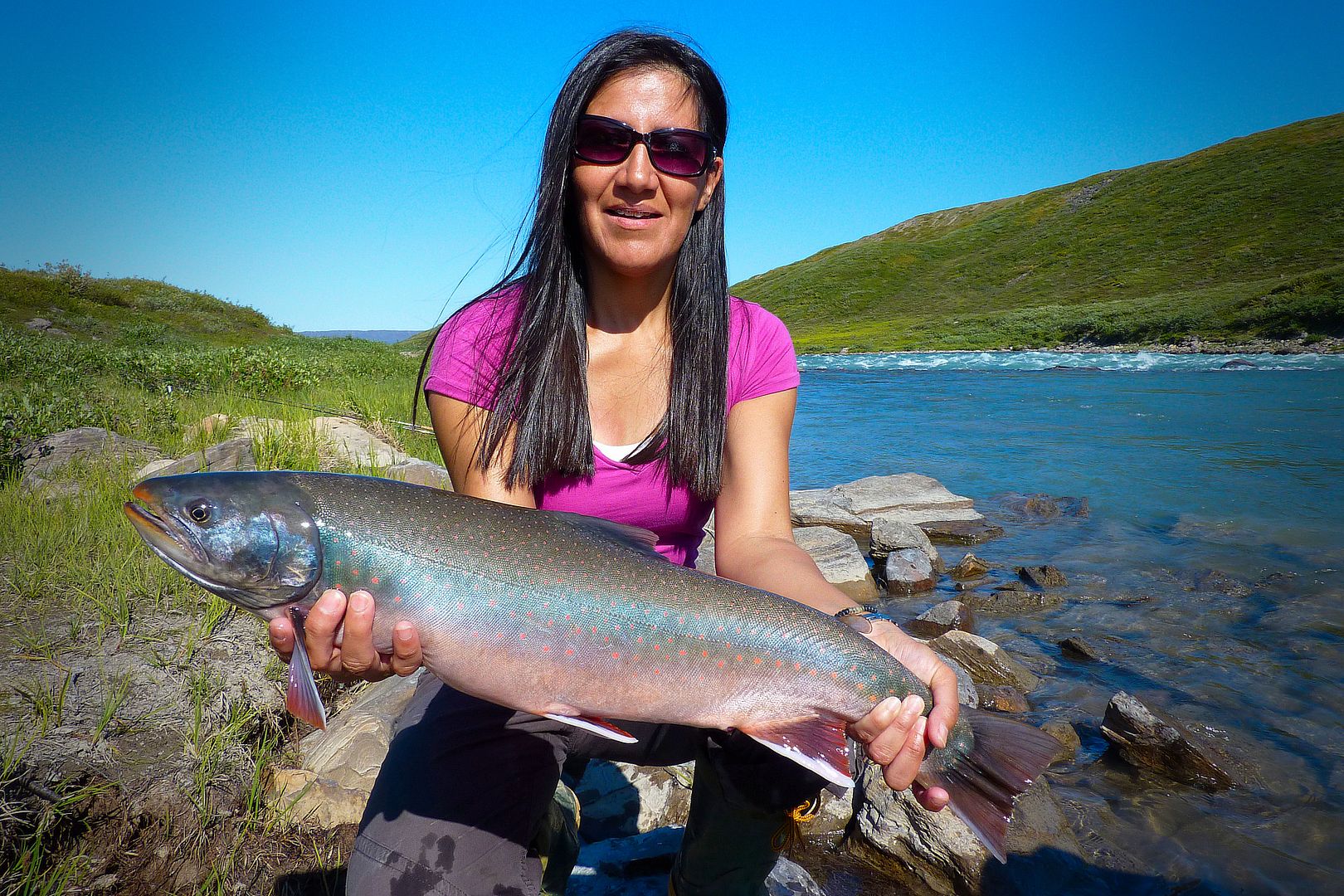
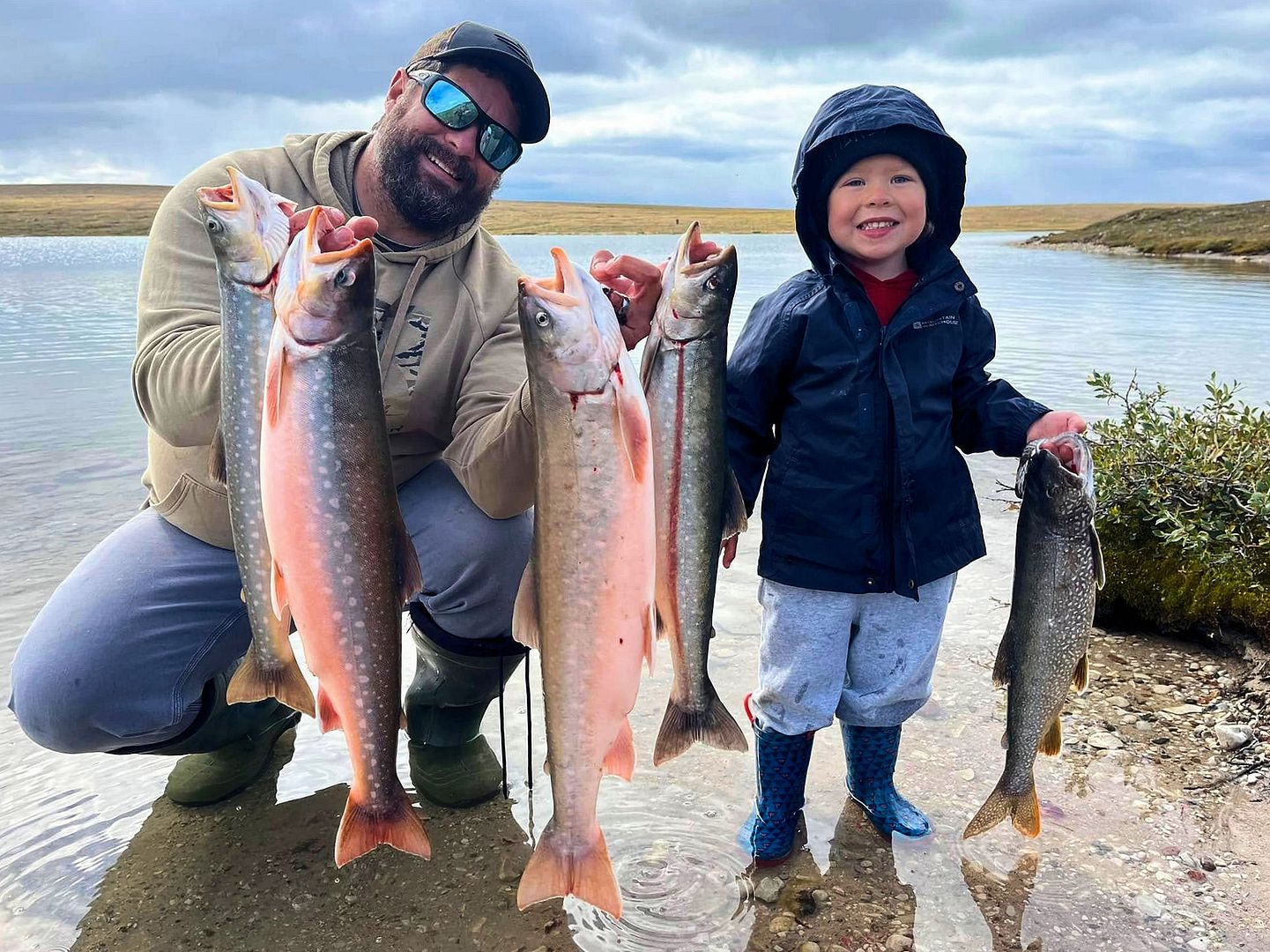
Char go silver skinned in the ocean. Yeah yeah, some places you may find colored up ones too but those are usually fish that haven’t been long at sea, are in and out fresh and salt or, the salt sea estuary they’re maybe home ranged in is more diluted from its pure water inflow. That’s my take on it anyways, probably part right..? Some fish are just more colored than others too, and those skin pigments may just take longer to chameleon in and out of ’em. But who really cares for this argument because you find silver and you find tough! The toughest!! You find silver at seas feeding in the summer time or just as they return to their natal rivers, hold the fuck on cause like a king chromer or steelie, you’re hooking up to a train.
.
Get this too, silver ones taste the best. Well, I agree with the Inuit on this. Reality is, most prefer sea silvers to freshwater caught char… “most do!” Chromers that have been feeding are packing on winter stores, their meat is the reddest red and their extra fat adds rich flavor. The char at its healthiest I would imagine somehow cosmically puts more lead in your pencil too. That’s right, not just a brain food, fish and especially char hold oodles of omegas, alpha betas, mojos and proteins in its flesh. A good fillet dosing for anyone without heart and circulation issues, is very, very likely to give you the kind of rock hard boners you hammer-fisted back in your teens. Think about that when I said earlier how char are both “special and meaningful.”
.
My most memorable silver char experiences for me, were two. You can find the stories here at the site, both are from Cambridge Bay. I went to the Ekaluk River which was kinda soul crushingly character building and, I returned some years after that to experience the most spirit elevating happiness ever imagined on Victoria Island. If I had to choose between the two givers, I guess the latter trip would be the one because of the spoiling I had. Many big fish and mucho good eats to take home. The culmination of lesser efforts and little expectation made the time quite pleasantly surprising. Here is actual video that could totally summarize some things, but there’s also the full story to be found here on the site as well.
.
VIDEO: FISHING SEA SILVER ARCTIC CHAR.
.
.
.
.
.
.
.
.
.
Nunavut amongst most anglers is known first and foremost for arctic char fishing. Nearly the entire Territory can provide some kind of access to char and of “the” fish to catch, it is surely for locals “the” preferred meal, both raw or cooked. But that doesn’t mean there aren’t other great species to admire.
.
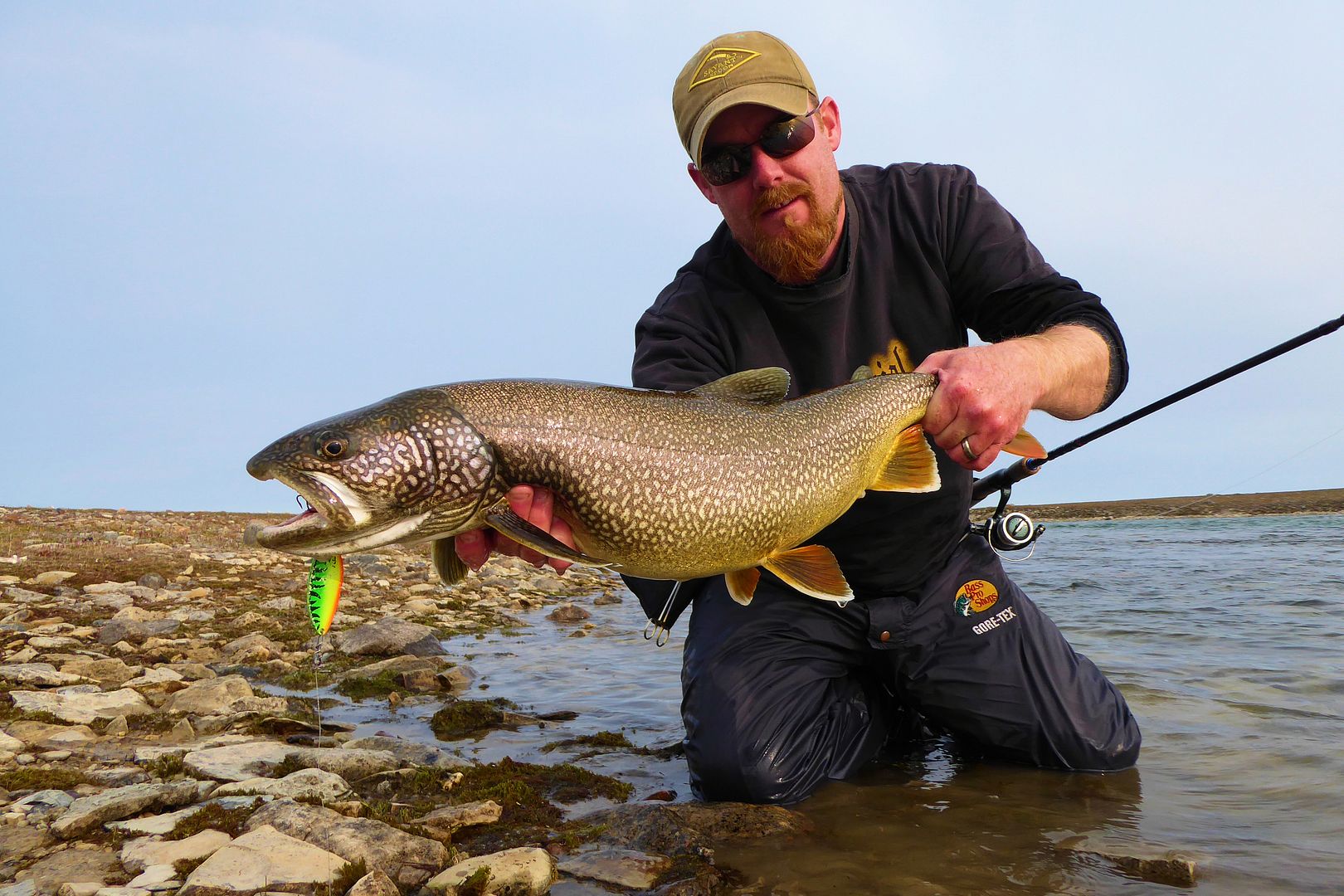
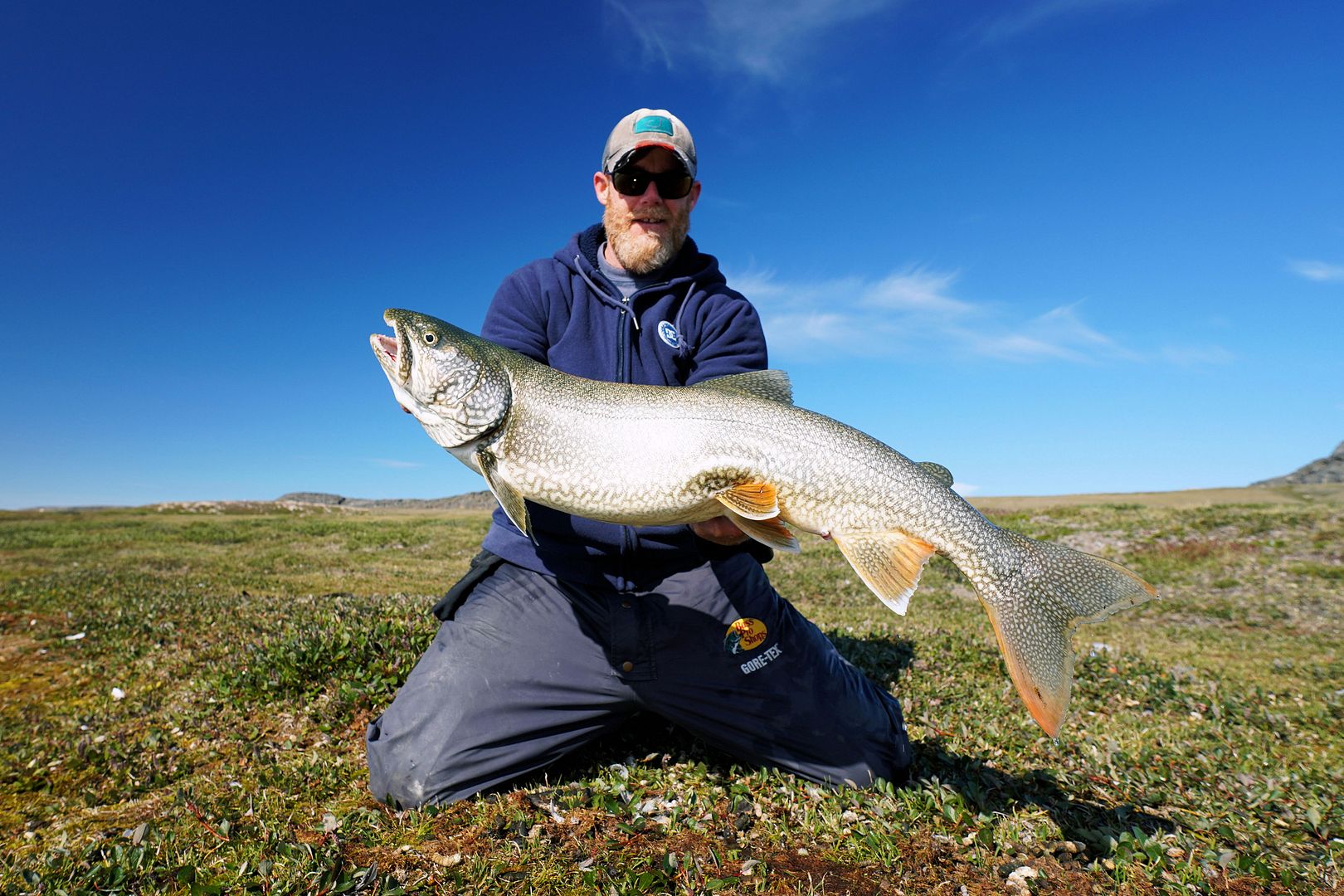
In places like Baker Lake, up on Victoria and South Hampton Islands and all throughout mainland Nunavut’s lakes and rivers, giant lake trout living decades in age can be found. Talking seriously big, old fish that could potentially break you and some records, and oddly, many are in relatively small bodies of water too. Natural populations existing as they have throughout the ages with cannibalistic lakers growing mega large.
.
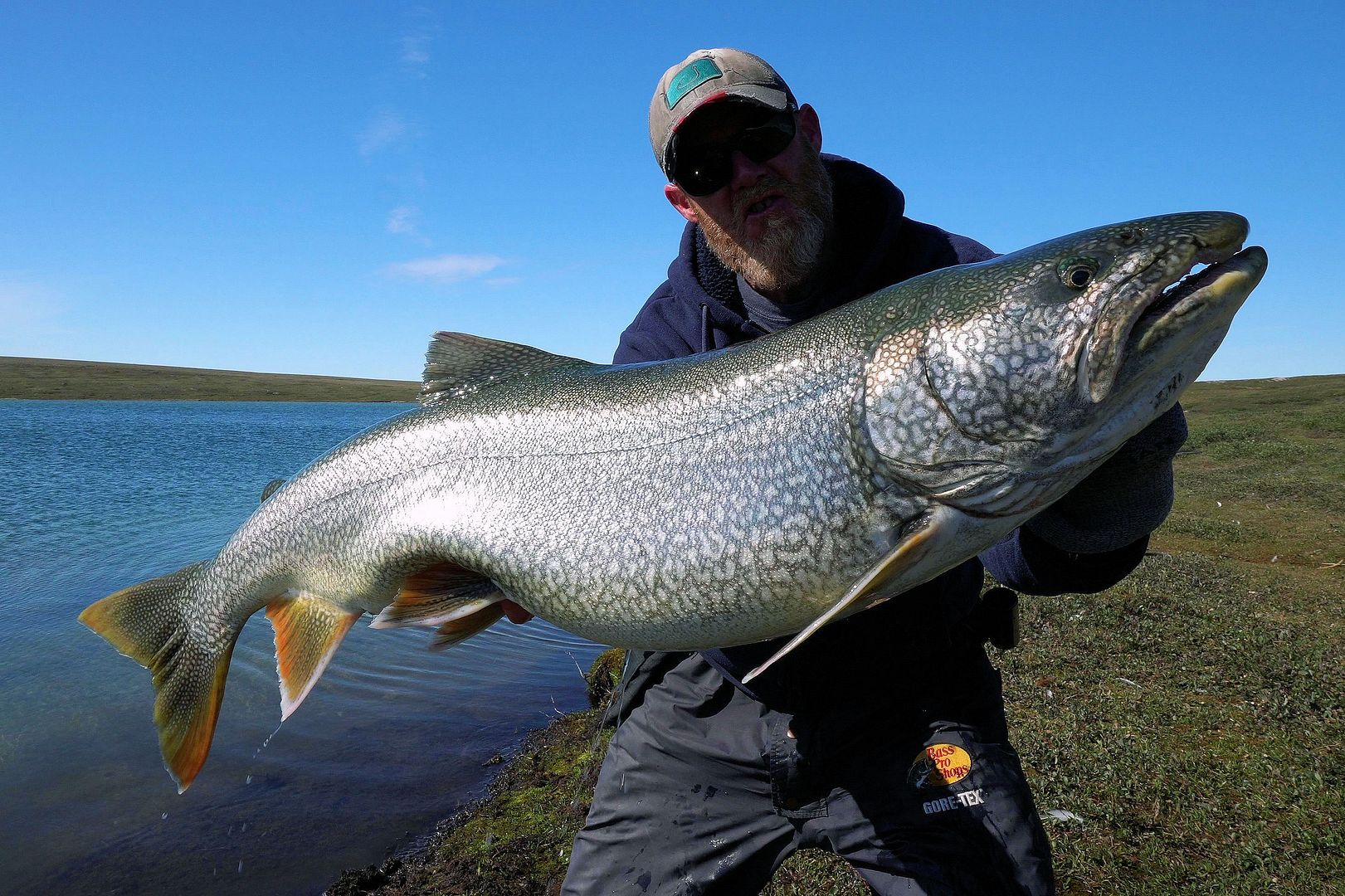
Swimming about in prime and preferred water temperatures all seasons, the greys fight quite hard. Anglers at any time in the summer, can shoreline cast with a chance for a fish of a lifetime taking a lure in waters as shallow as a foot; like the one in the video below. Itssss amazing! There are days too you could catch a hundred of them if finding a bay holding enough forage for a school of opportunistic, hungry trout to hold about.
.
The laketrouts best feeding window is short. So short that lakers may actually spawn in spring right at ice out to give them enough time for recuperating and snacking quick before freeze up again. They will eat under the ice too, greatly slowing down pre and post winter solstice but, generally not until April or early May do the better bites really begin. For forage and prey to become more lively, it takes the return of the sun and light penetration through many, many feet of ice and snowpack. Ice derbies held in late May and early June in the Arctic yield some of the most incredibly big lake trout. Fifty pounders not uncommon. Lakers are a fish near and dear to my heart.
.
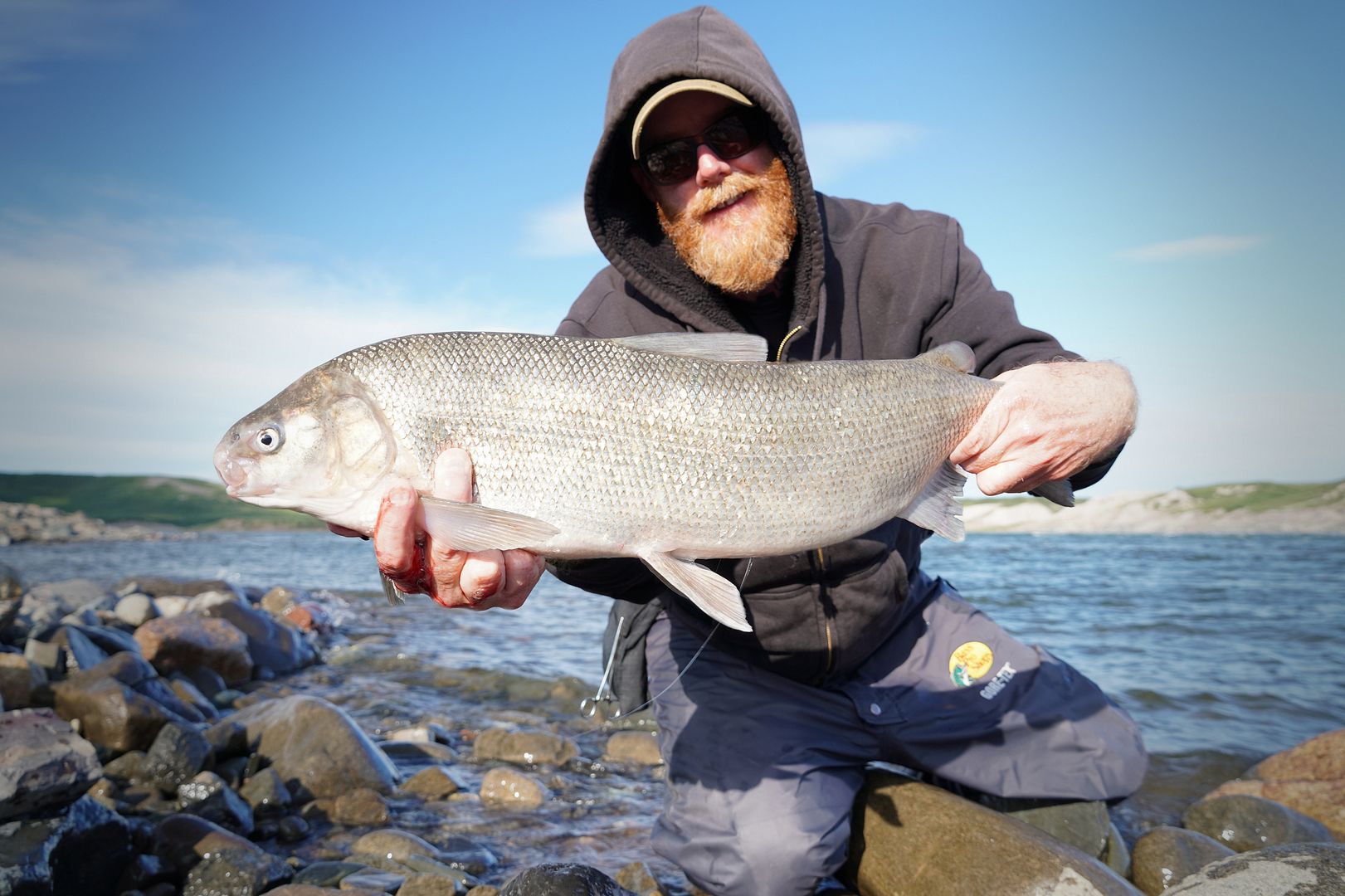
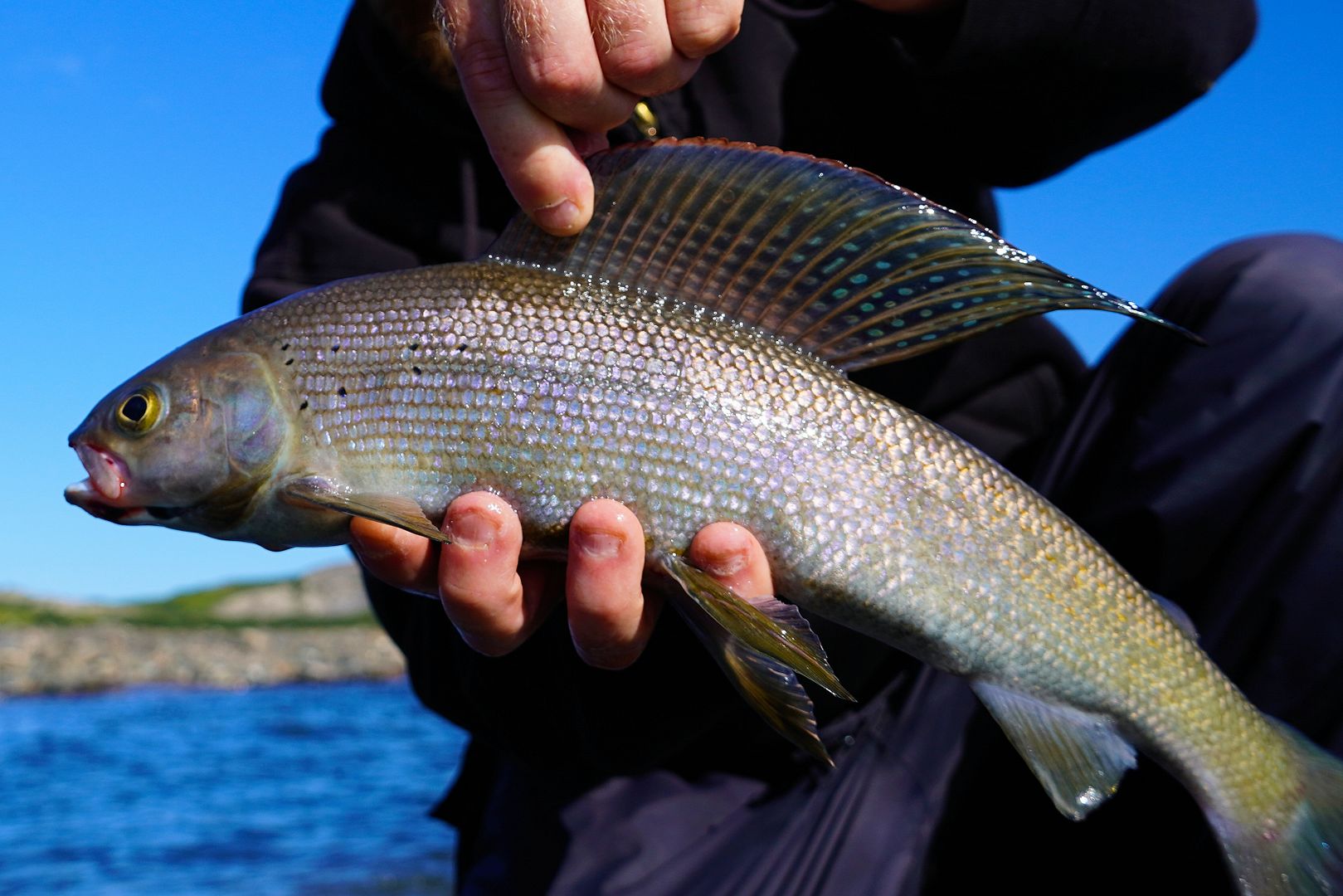
In places here and there across Nunavut anglers can also find other cool northern fish. Grayling, whitefish, inconnu, burbot and even northern pike in the freshwaters, cod and flounder along the seashores. All of these species can make for great fun.
.
A favorite “other” species day fishing occurred just last summer while fishing for char. A lake trout of 35 pounds took a small spoon after following it right to my feet. It was captured all in the video below. Being it was the biggest fish of any kind that I have ever caught while shore fishing, the experience had me super stoked!
.
VIDEO: A GIANT SHORELINE LAKER
.
.
.
.
.
.
.
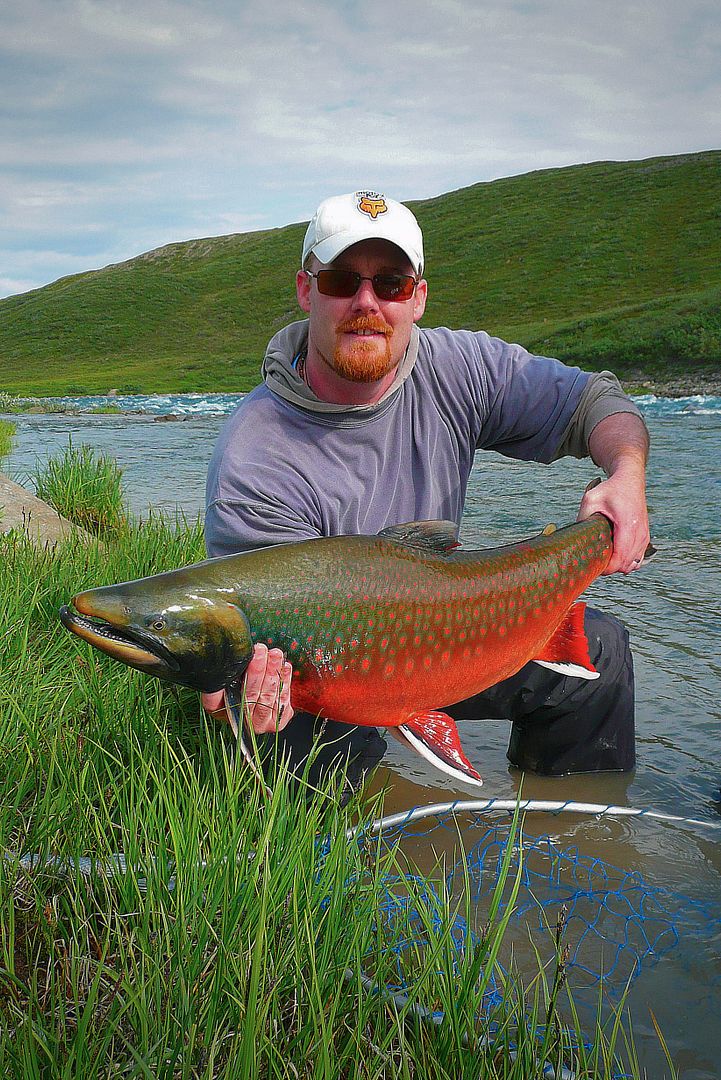
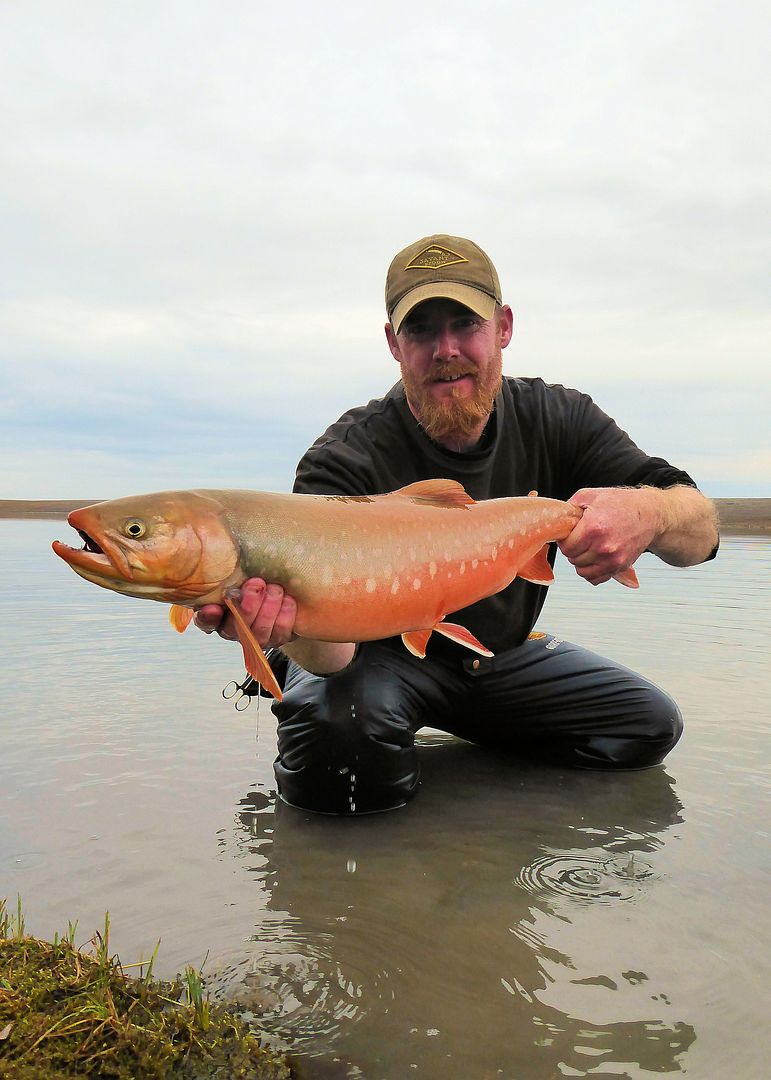
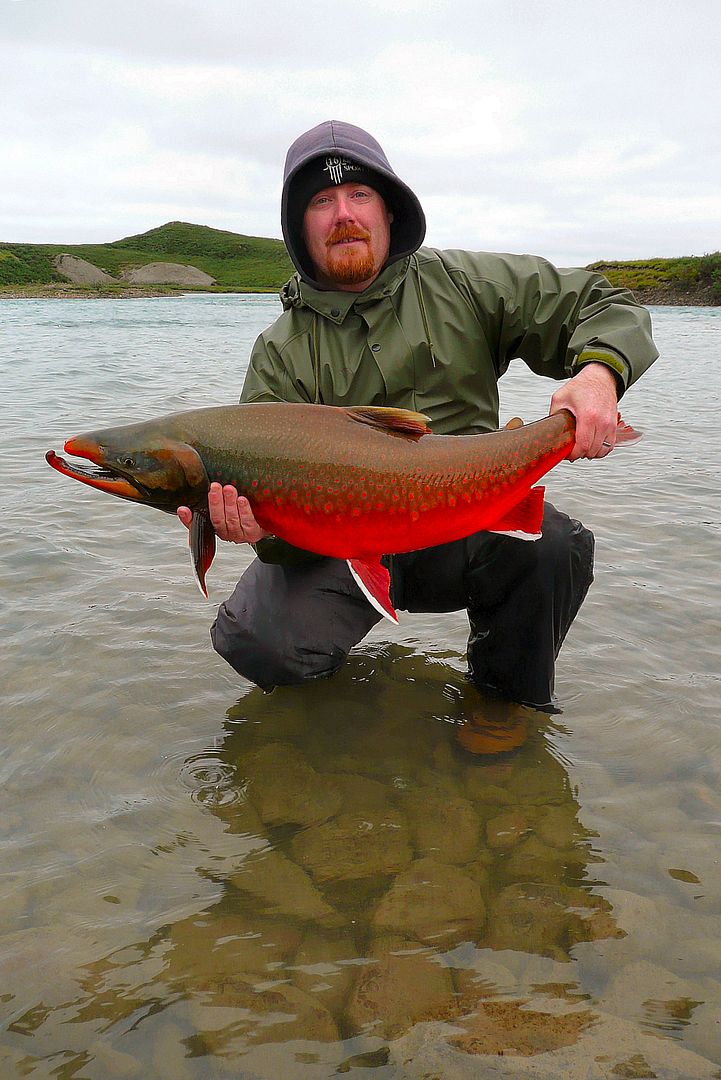
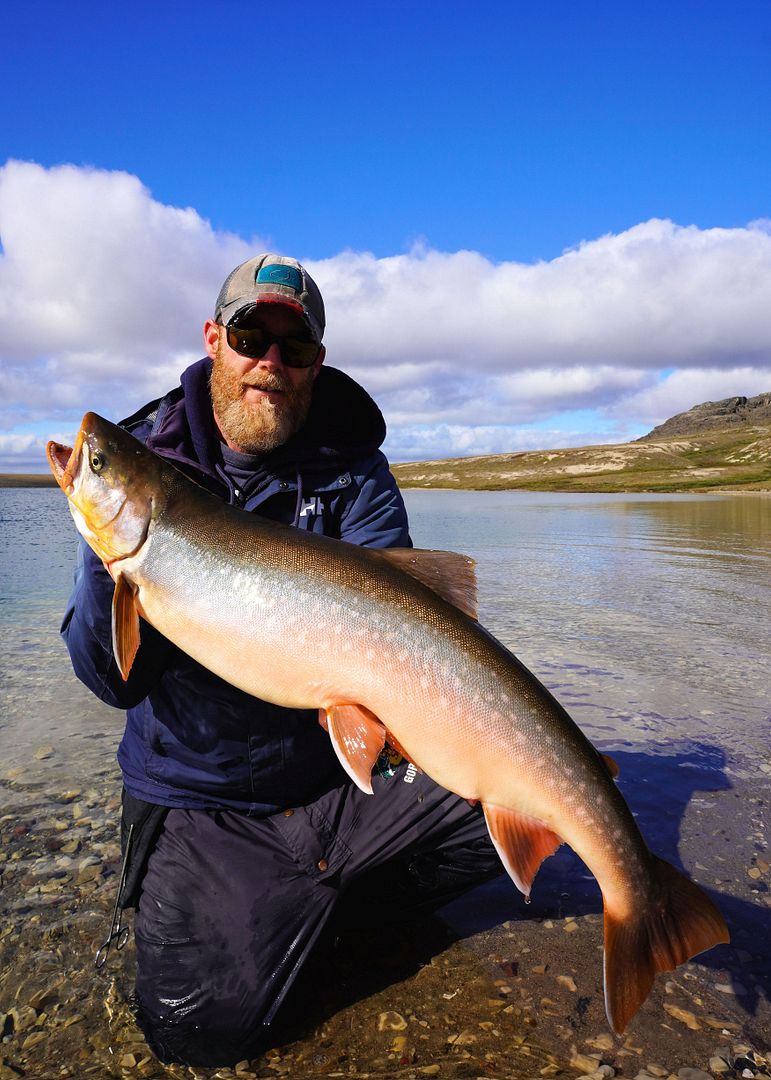
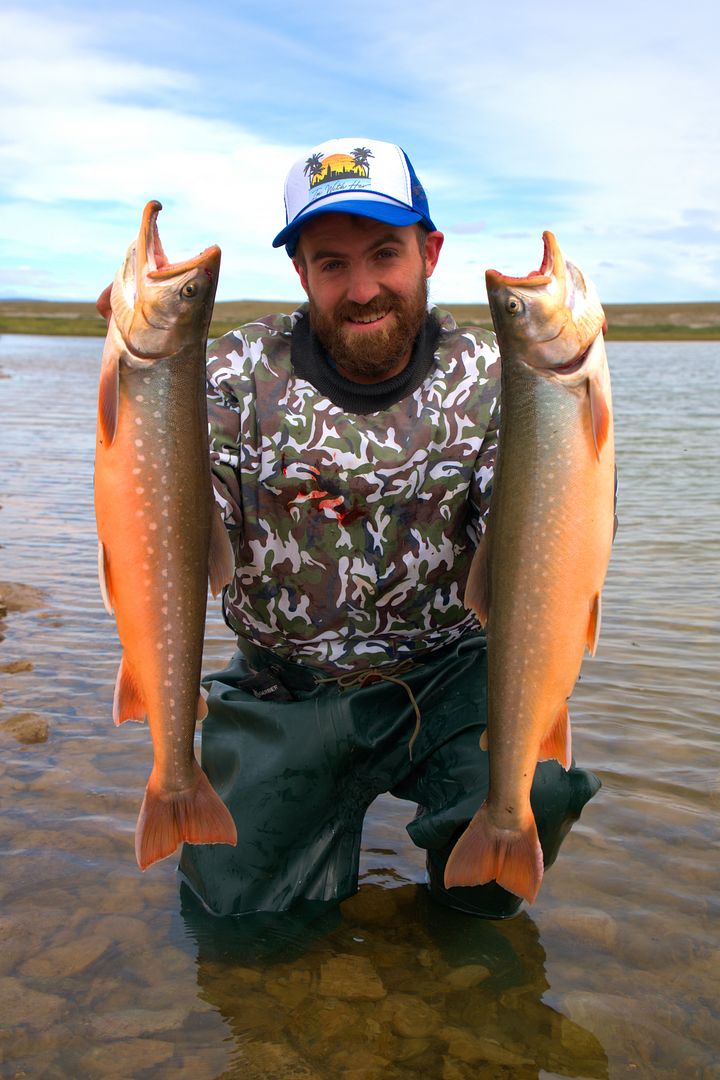
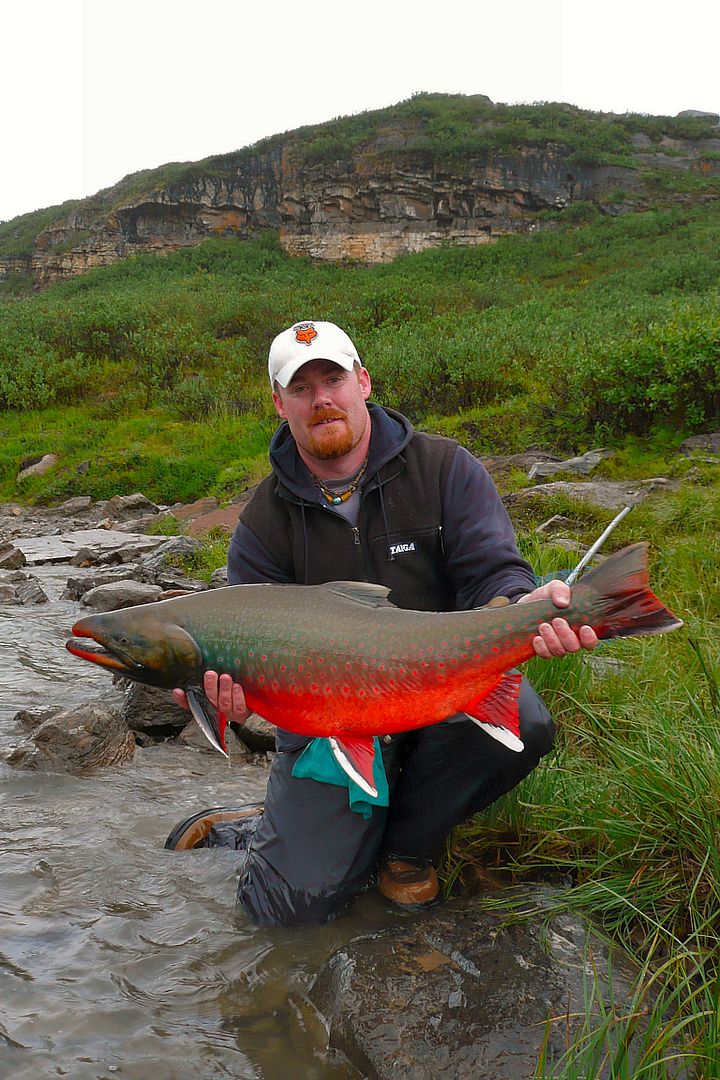
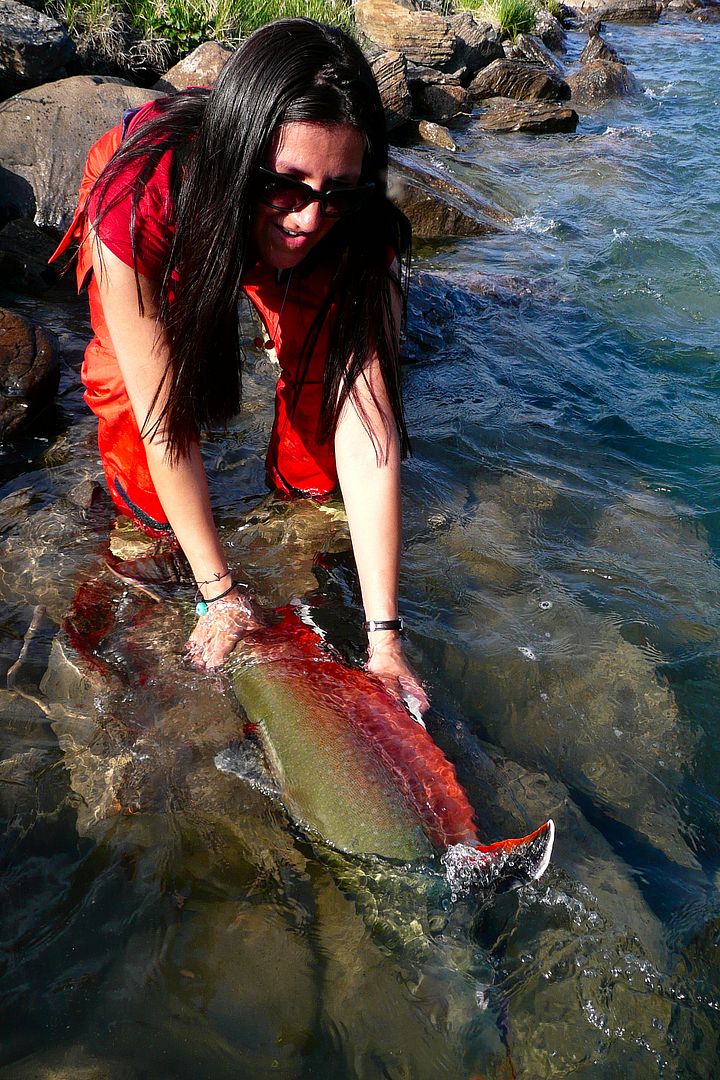
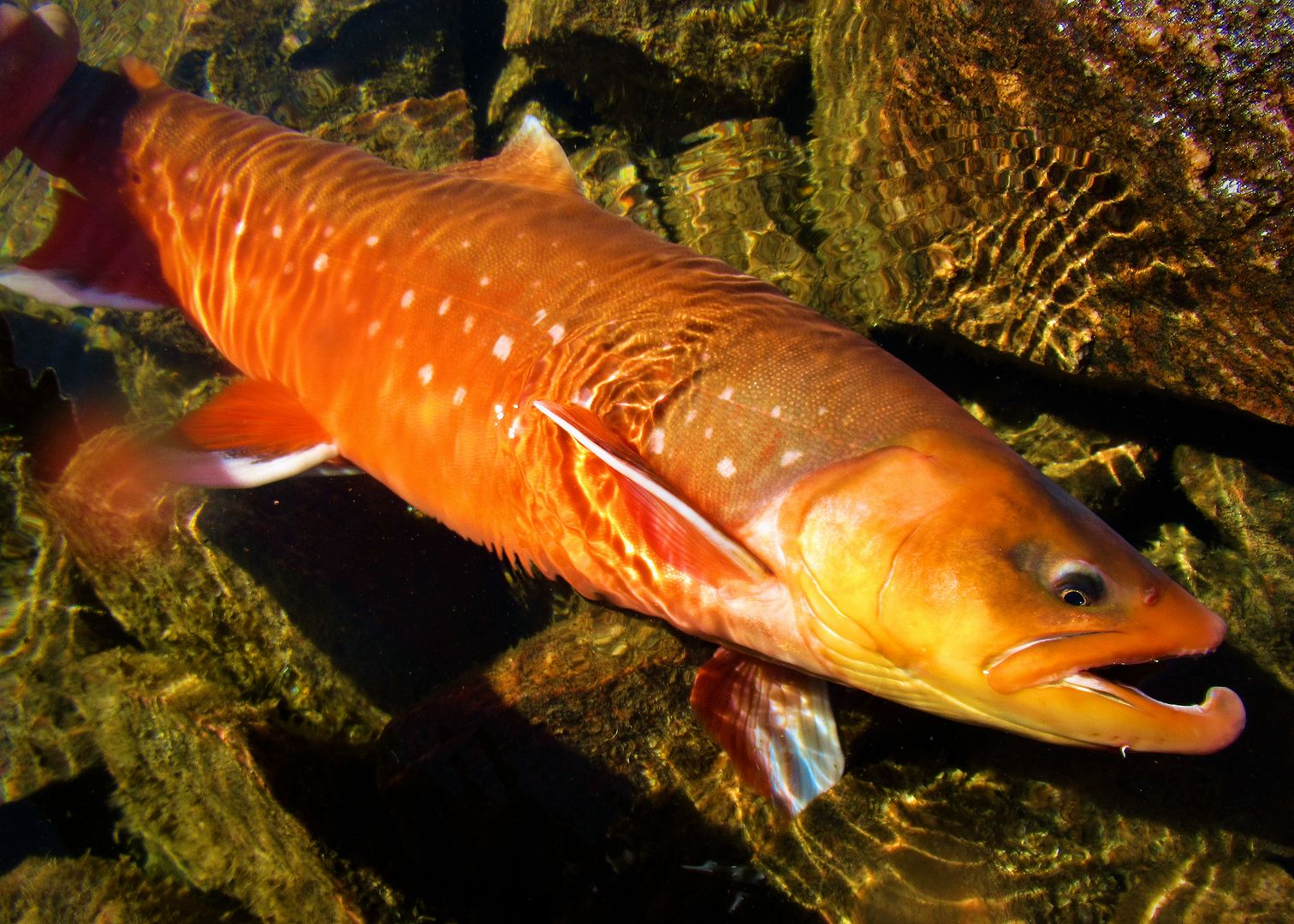
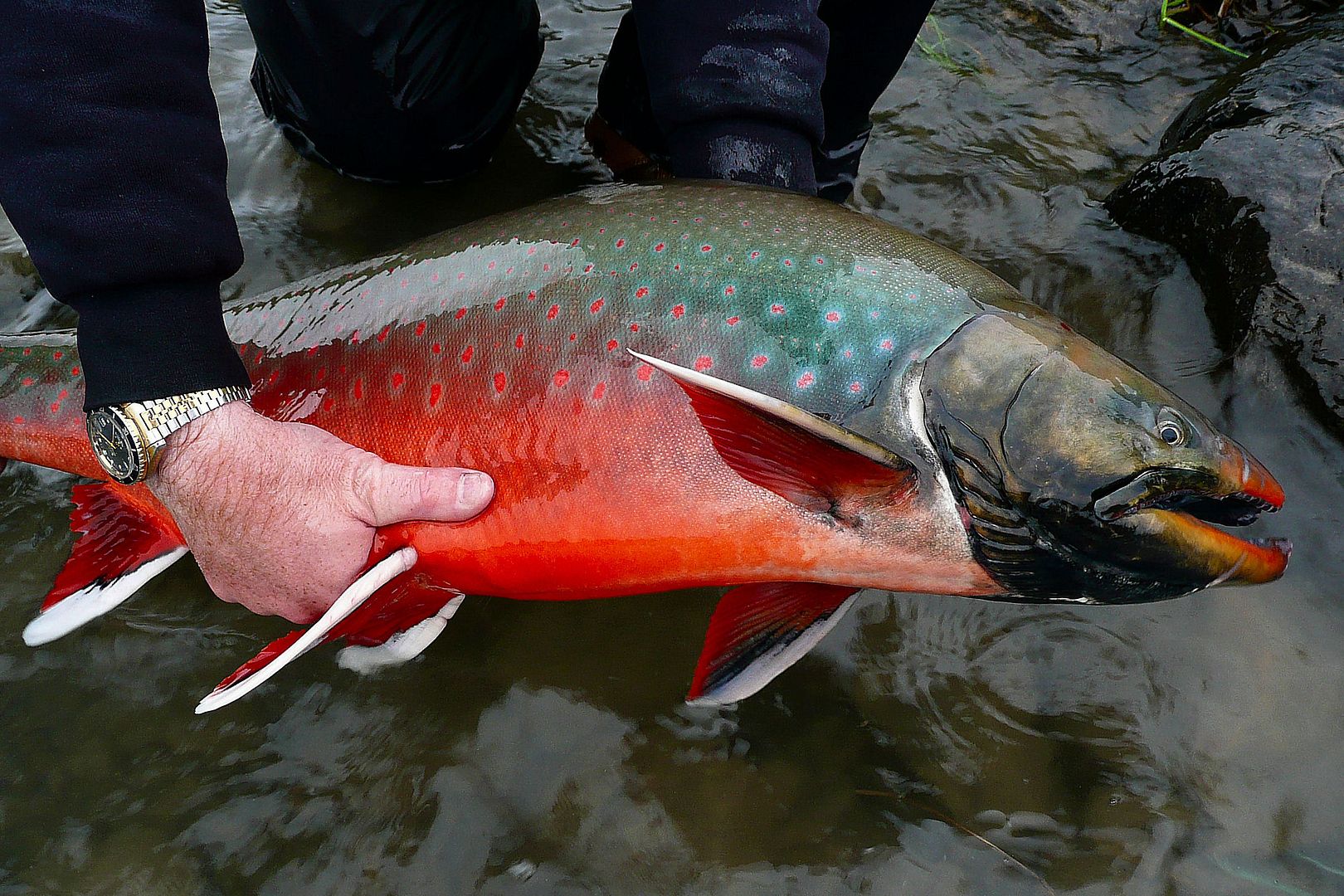
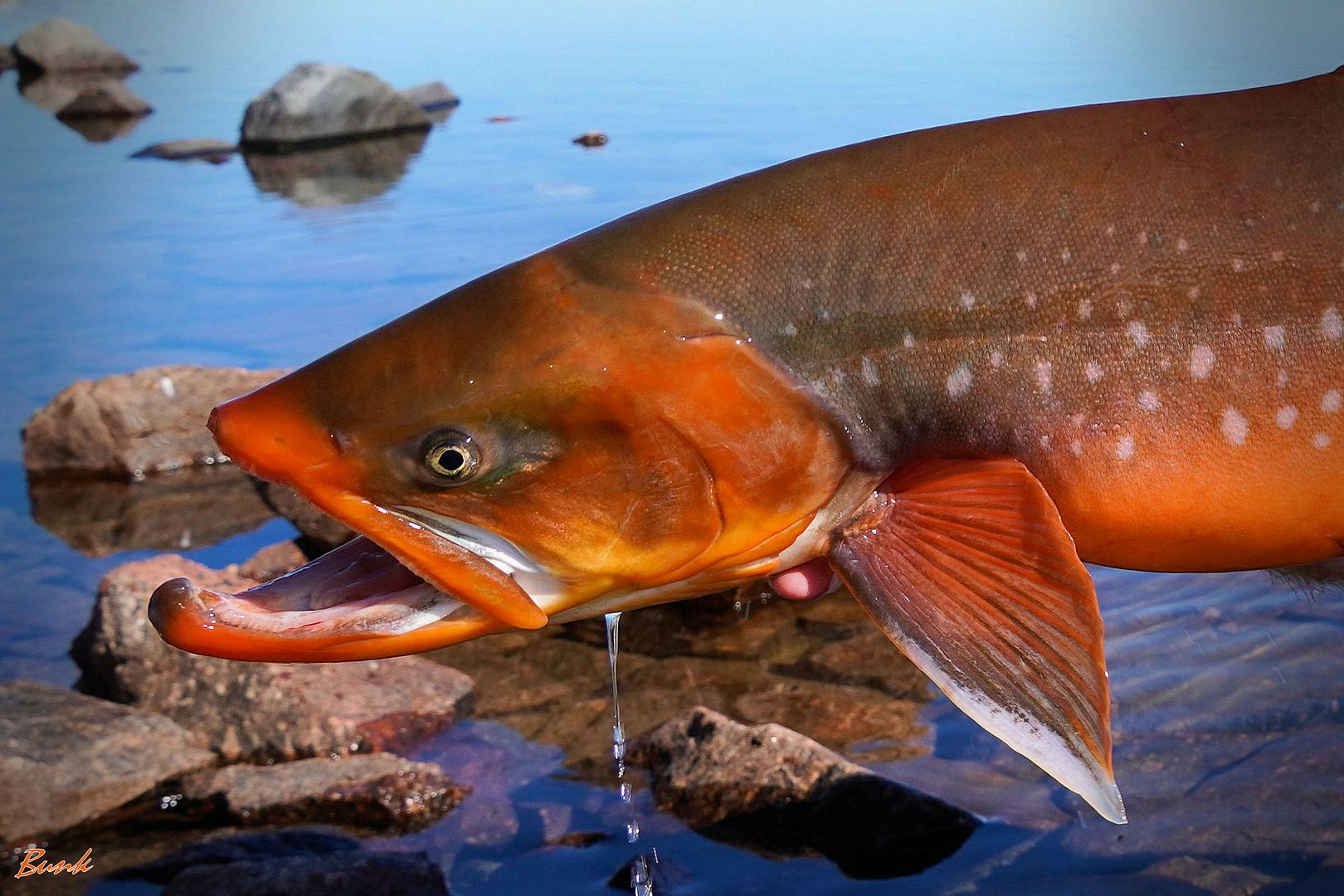
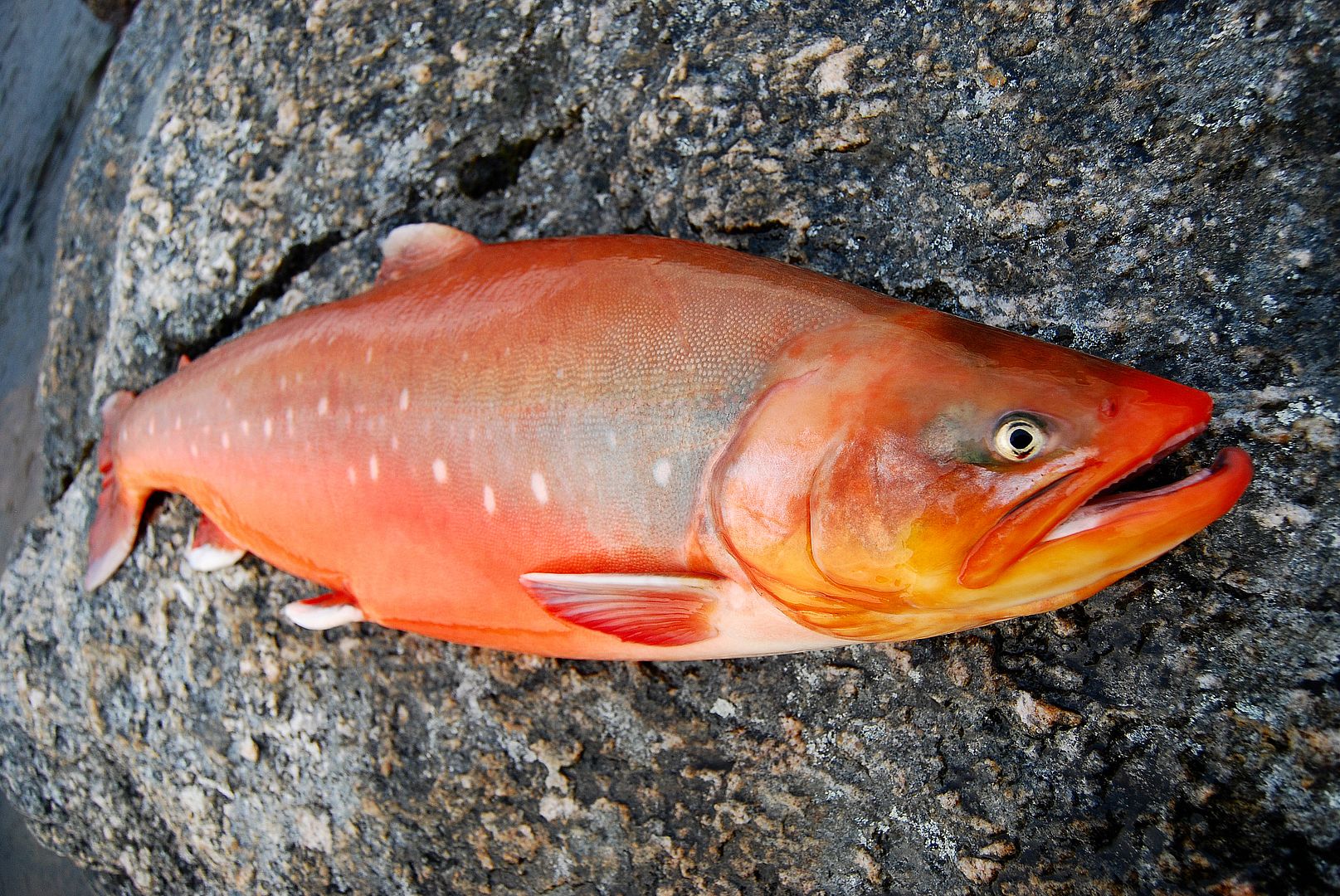
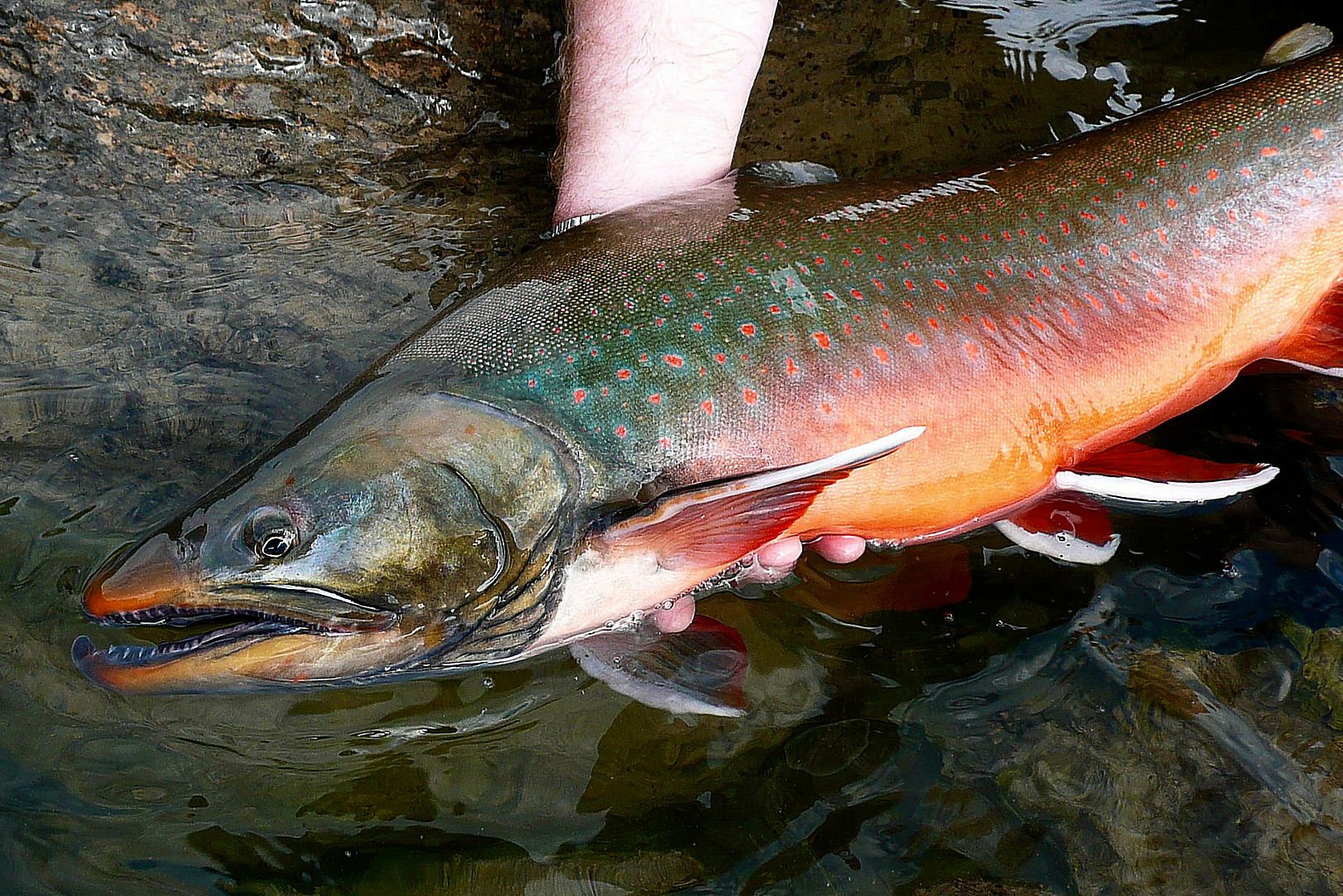
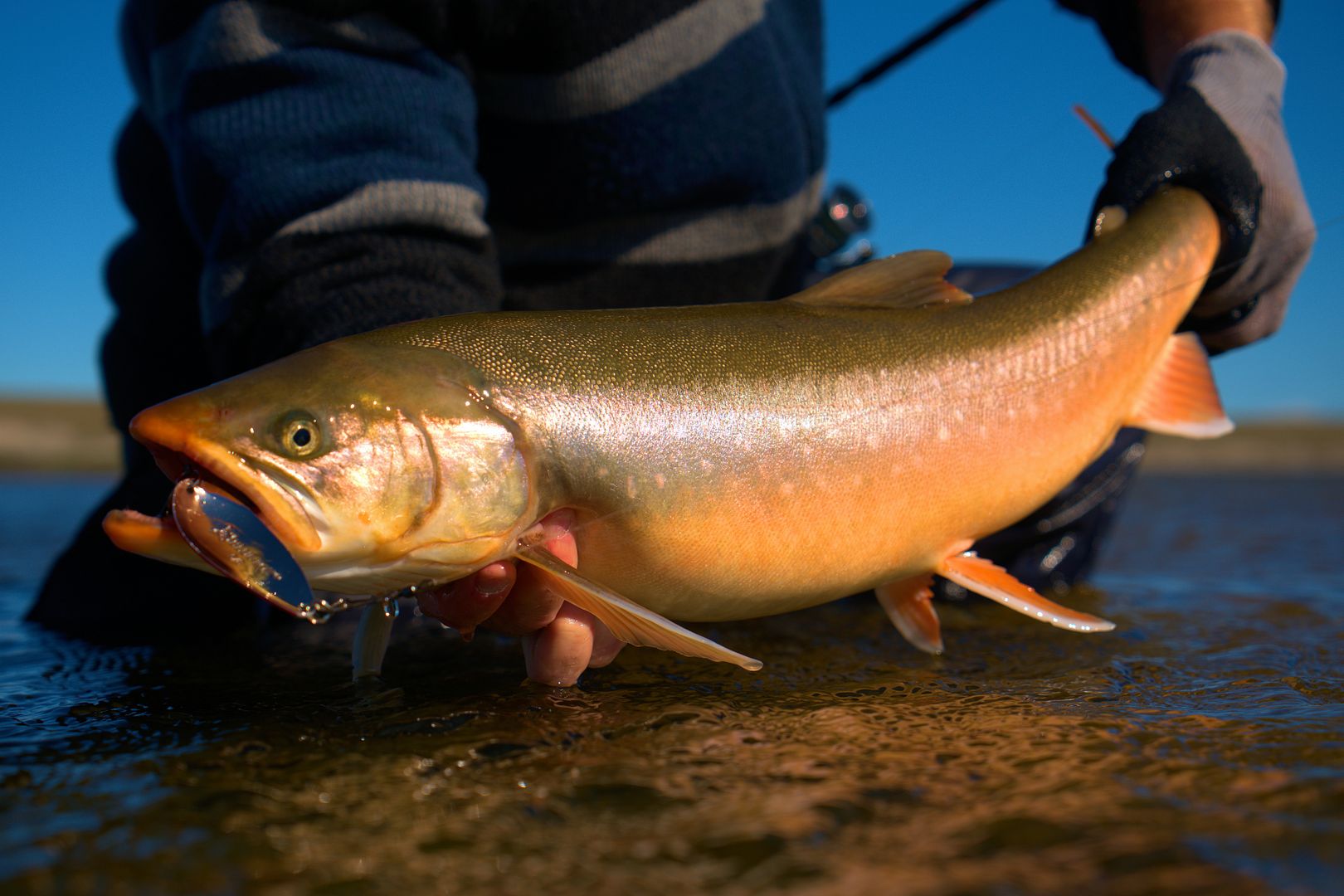
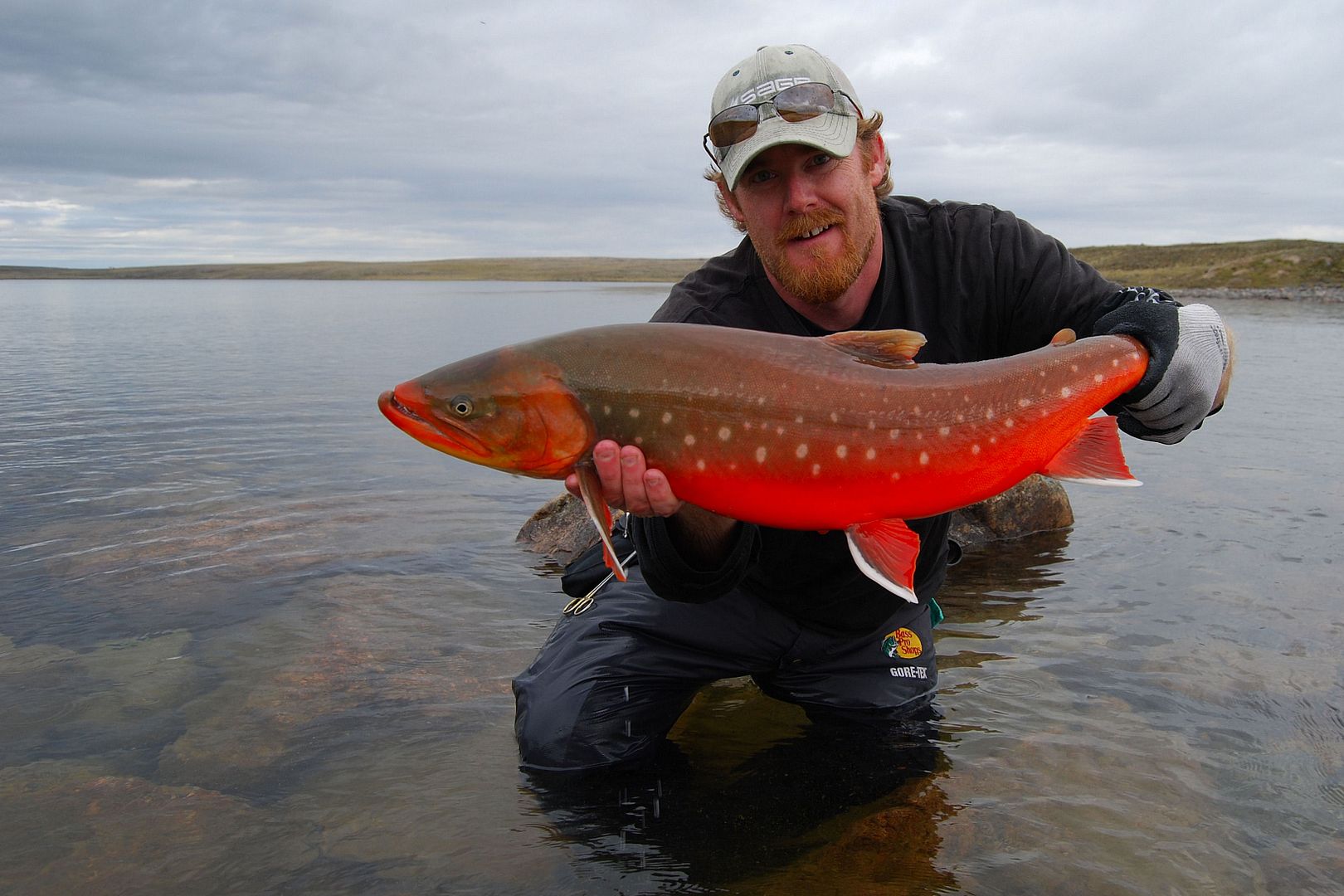
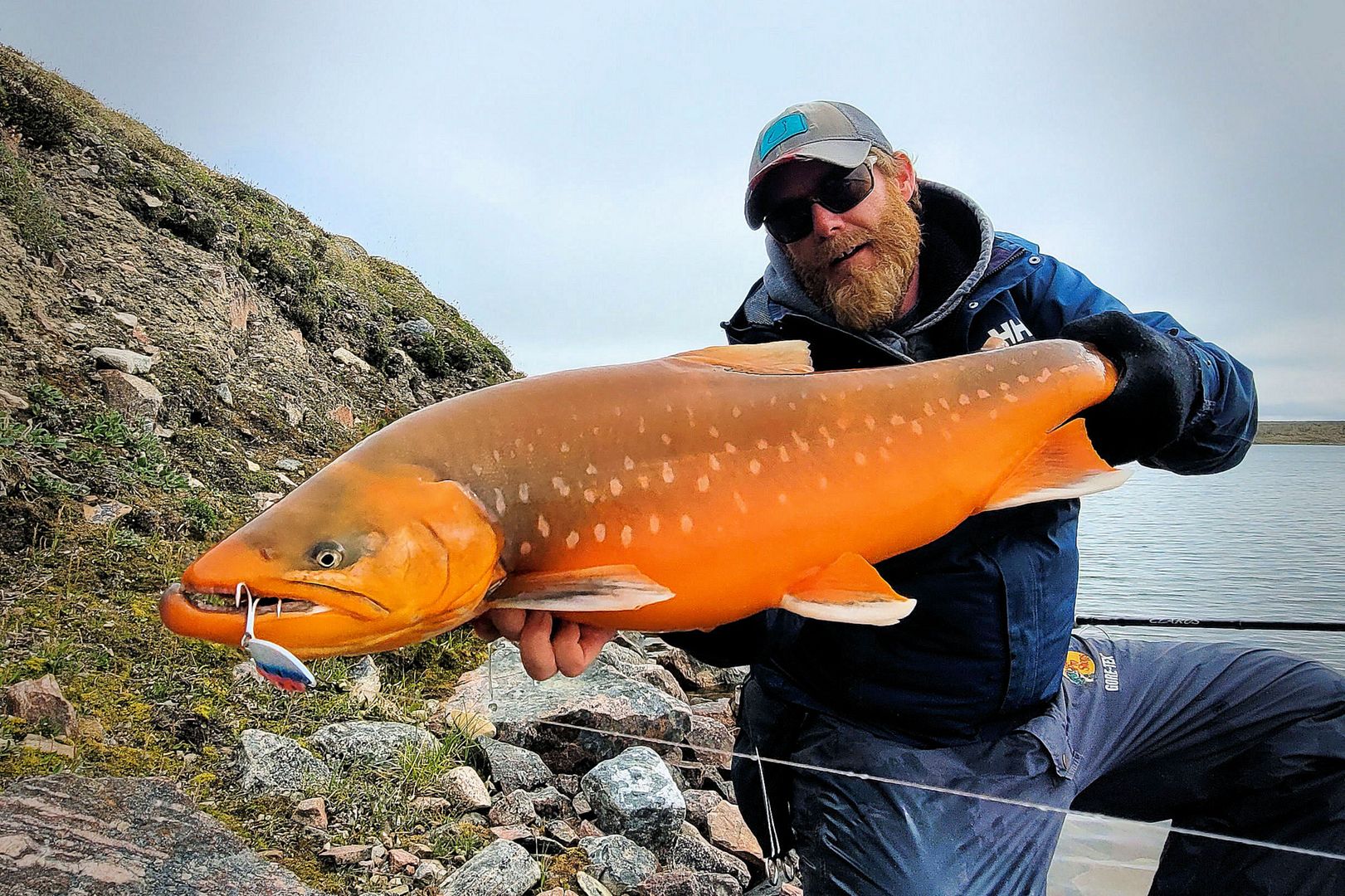
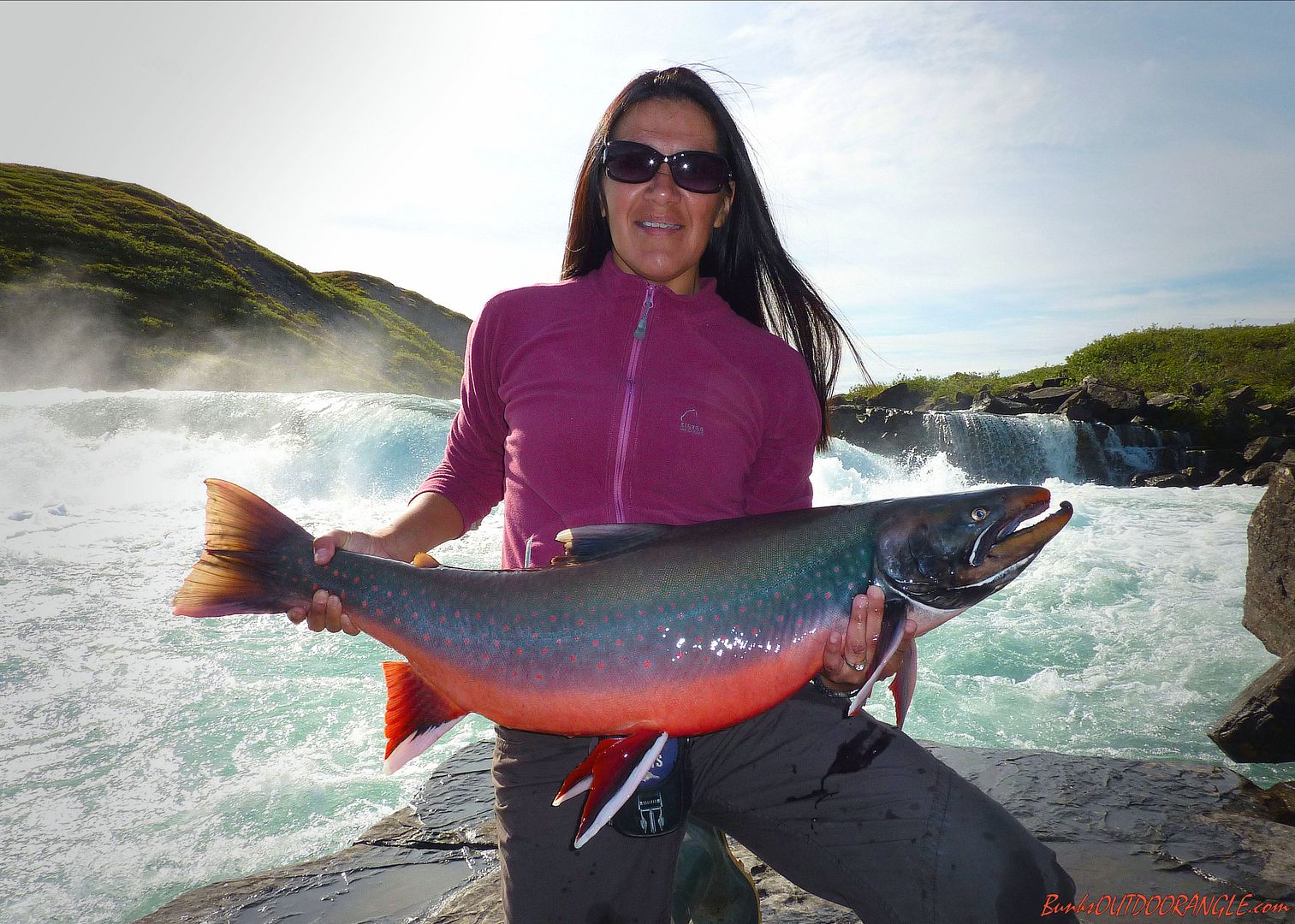
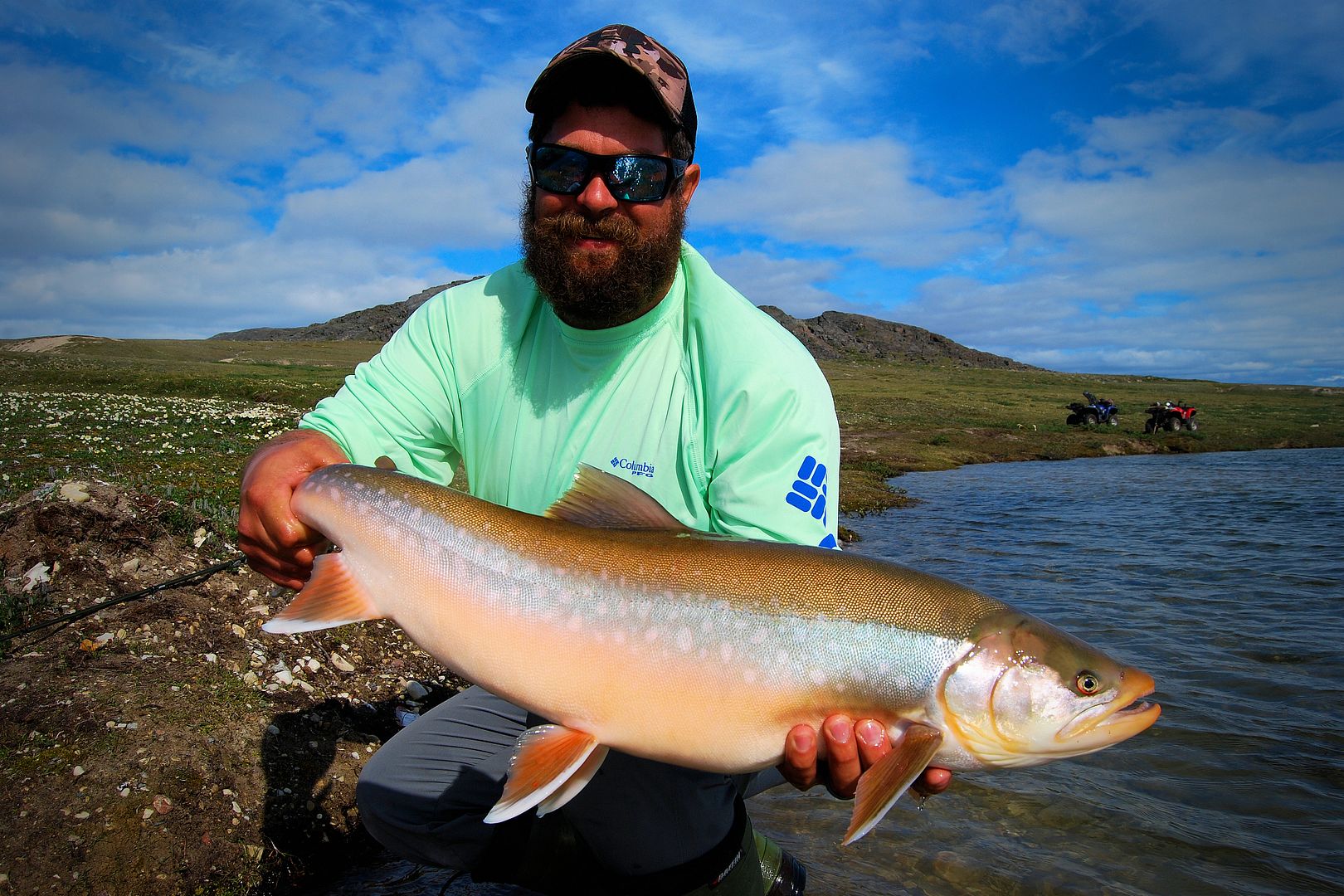
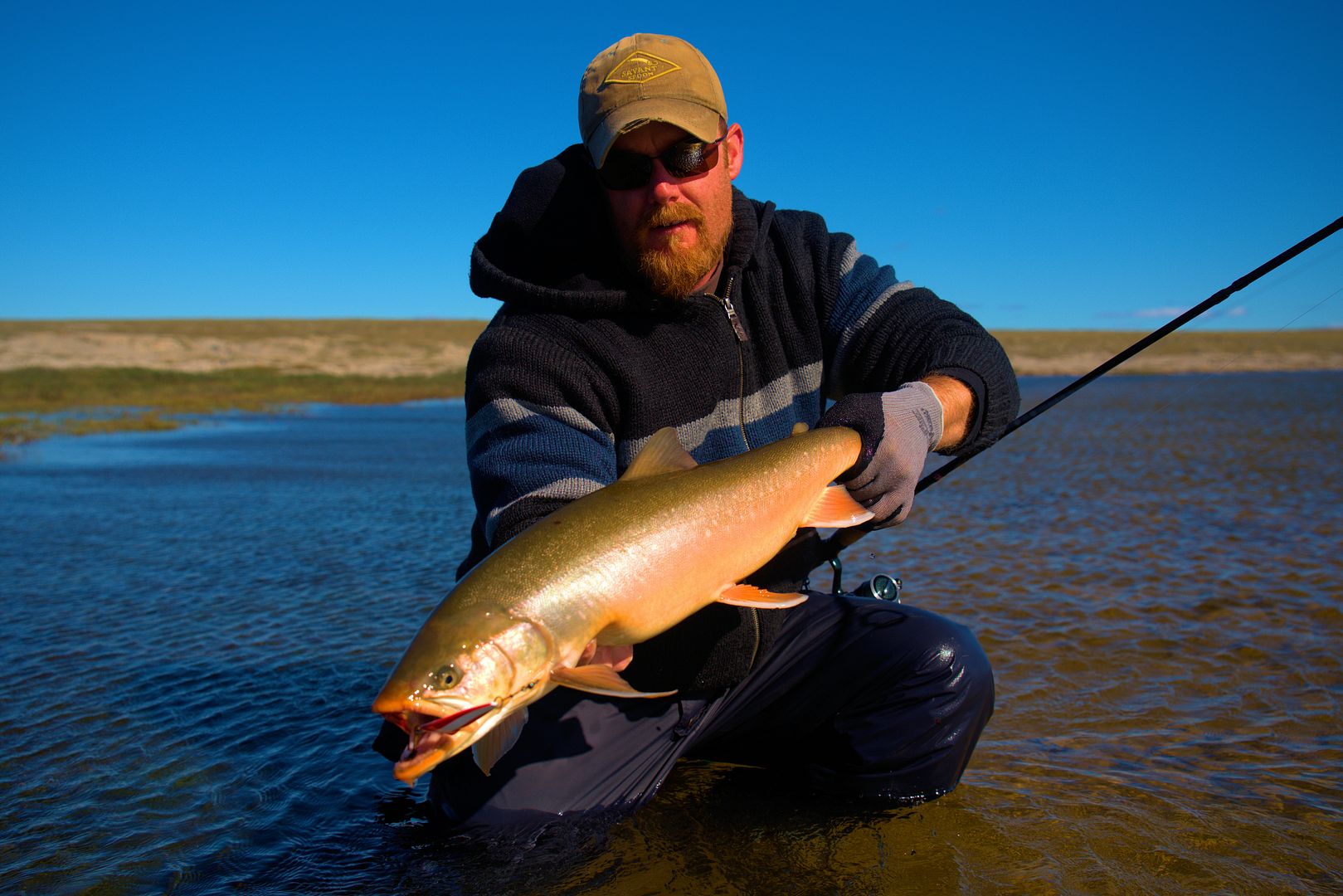
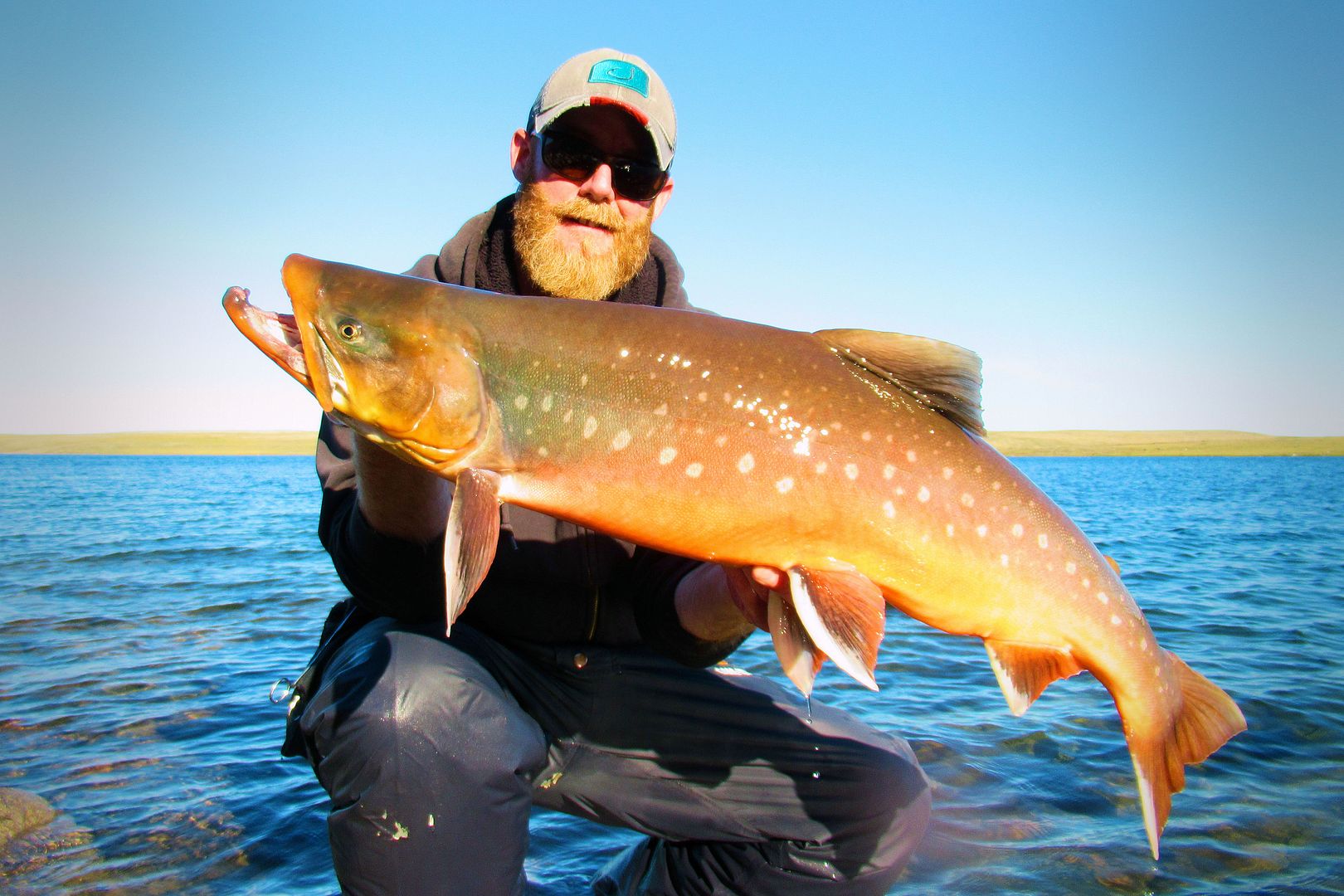
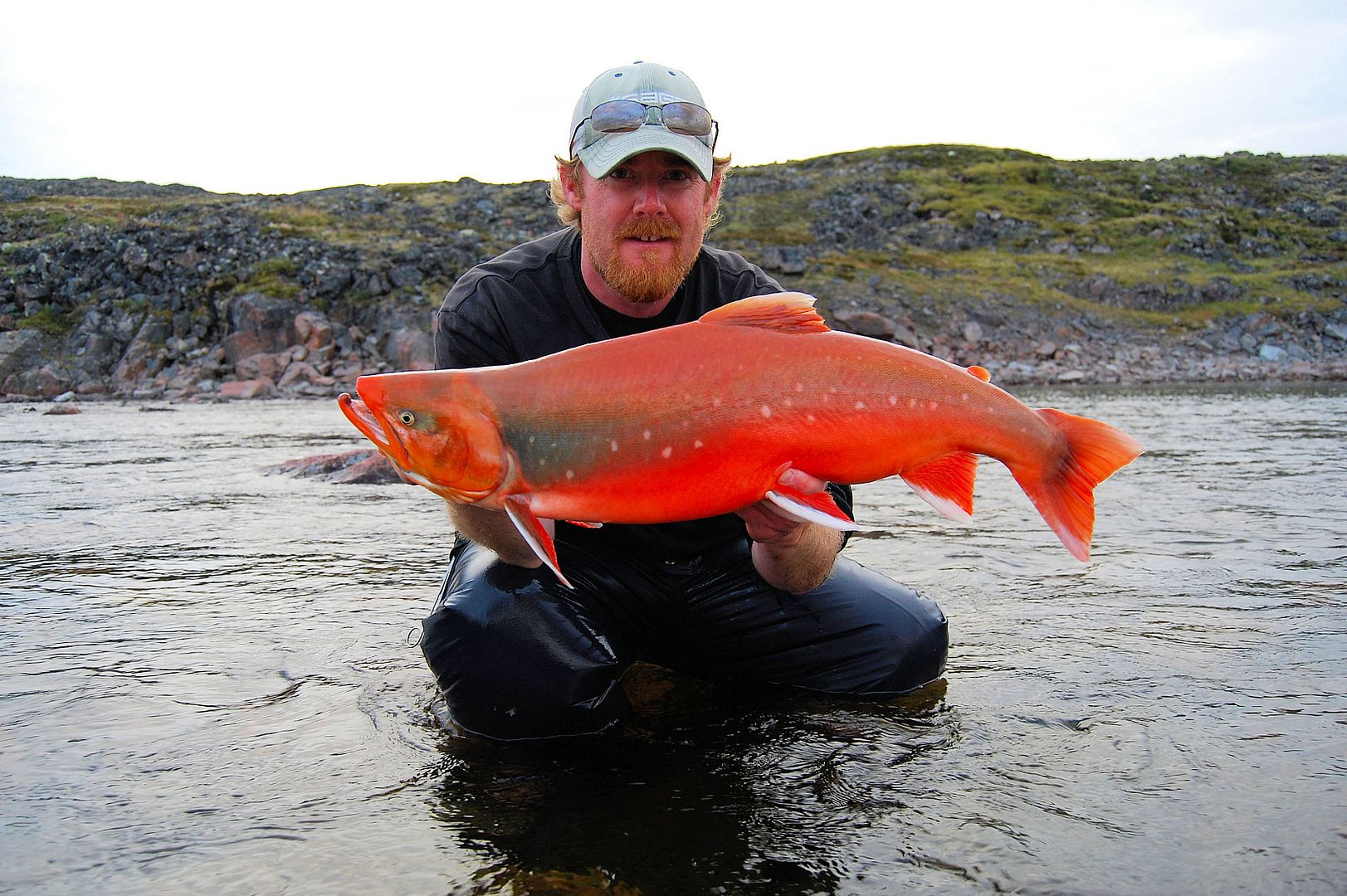
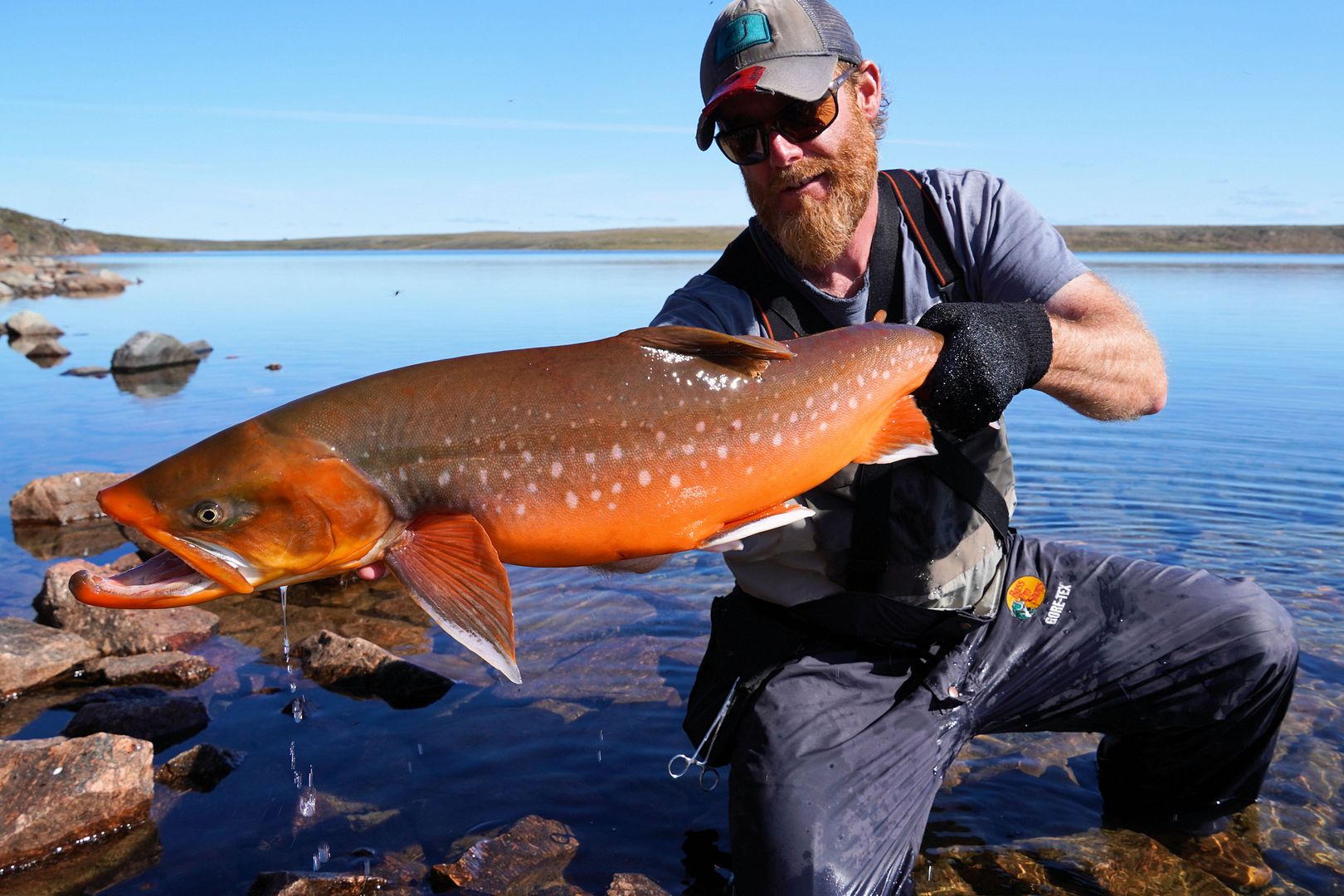
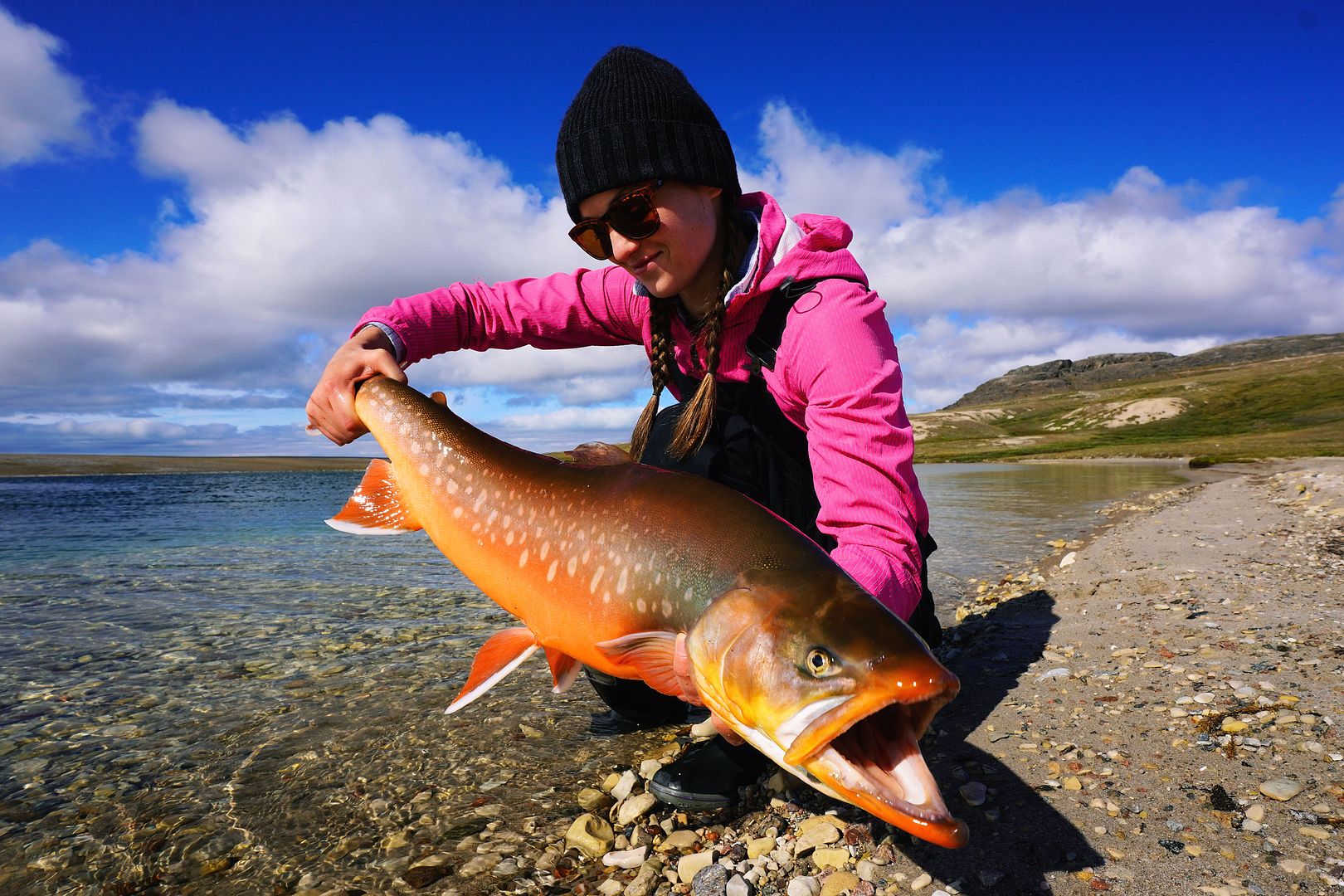
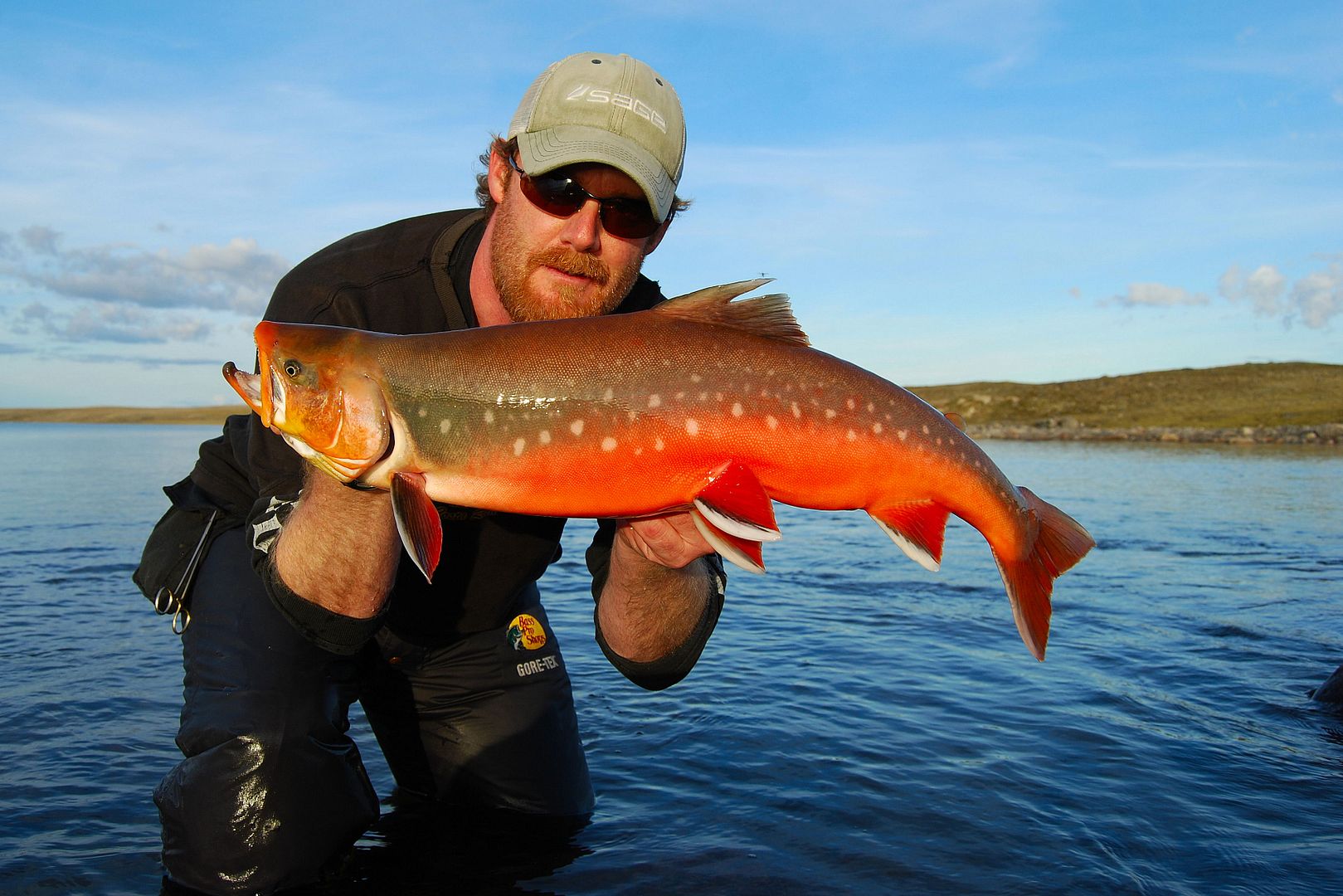
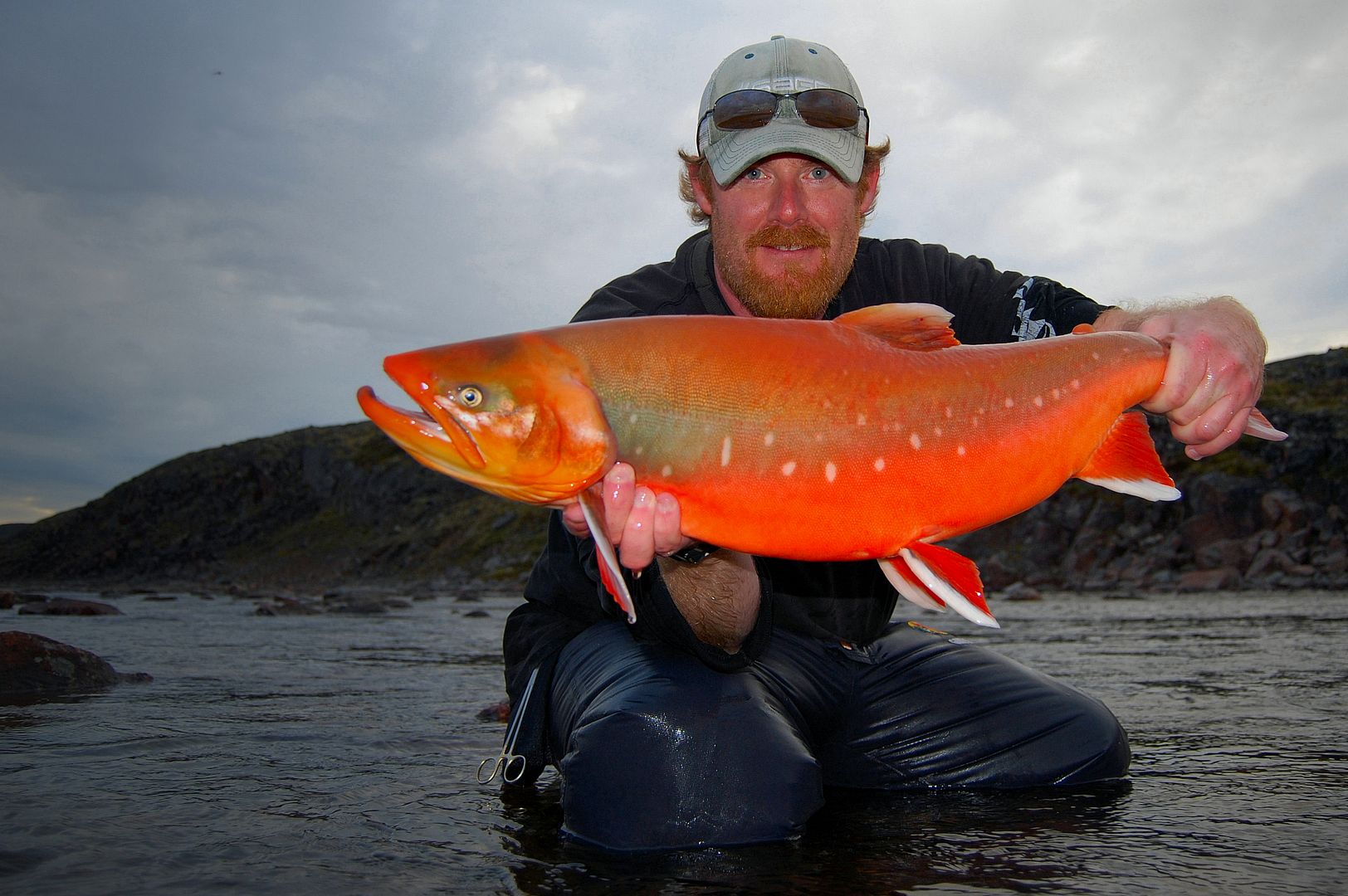
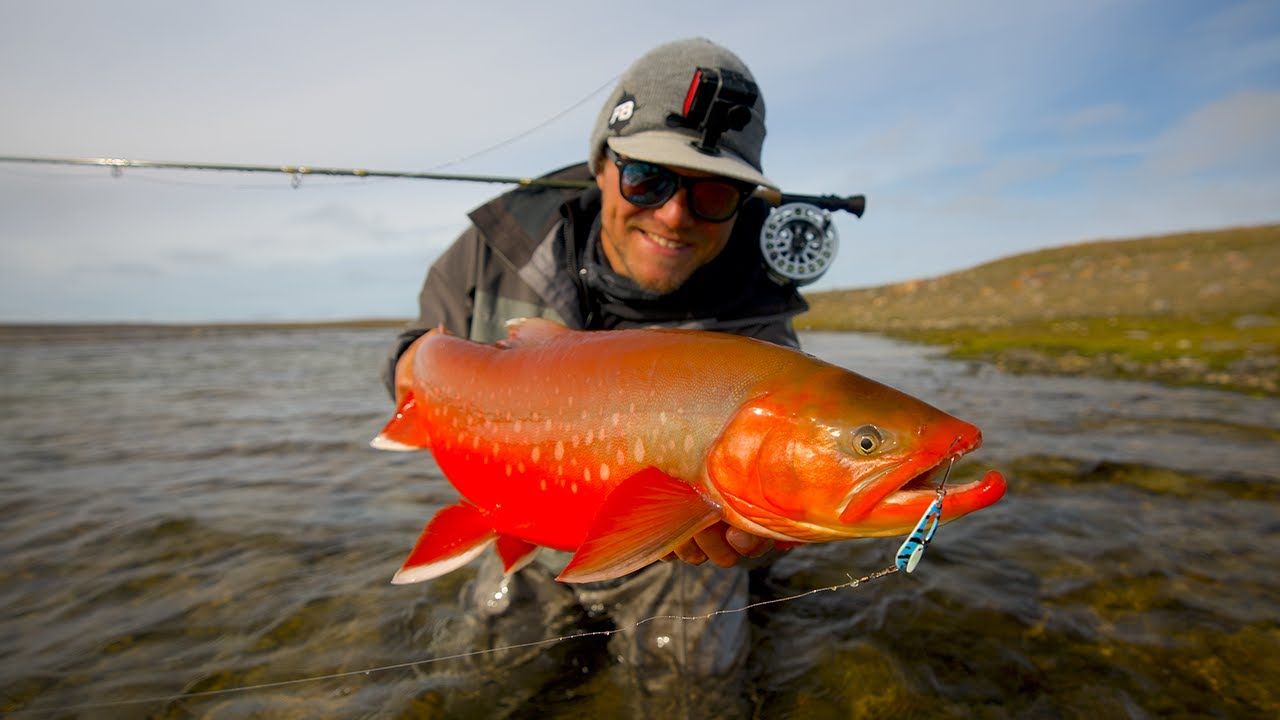
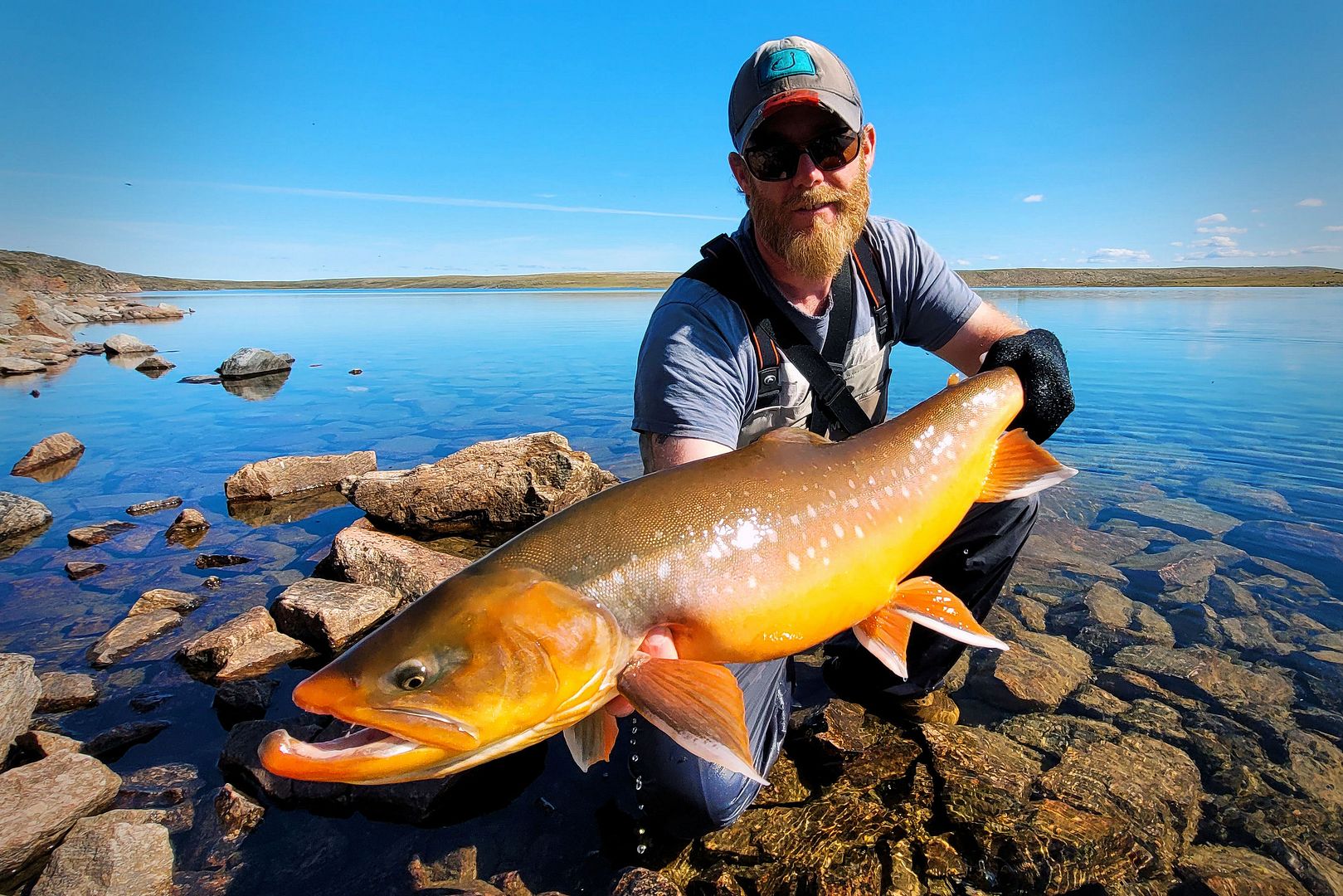
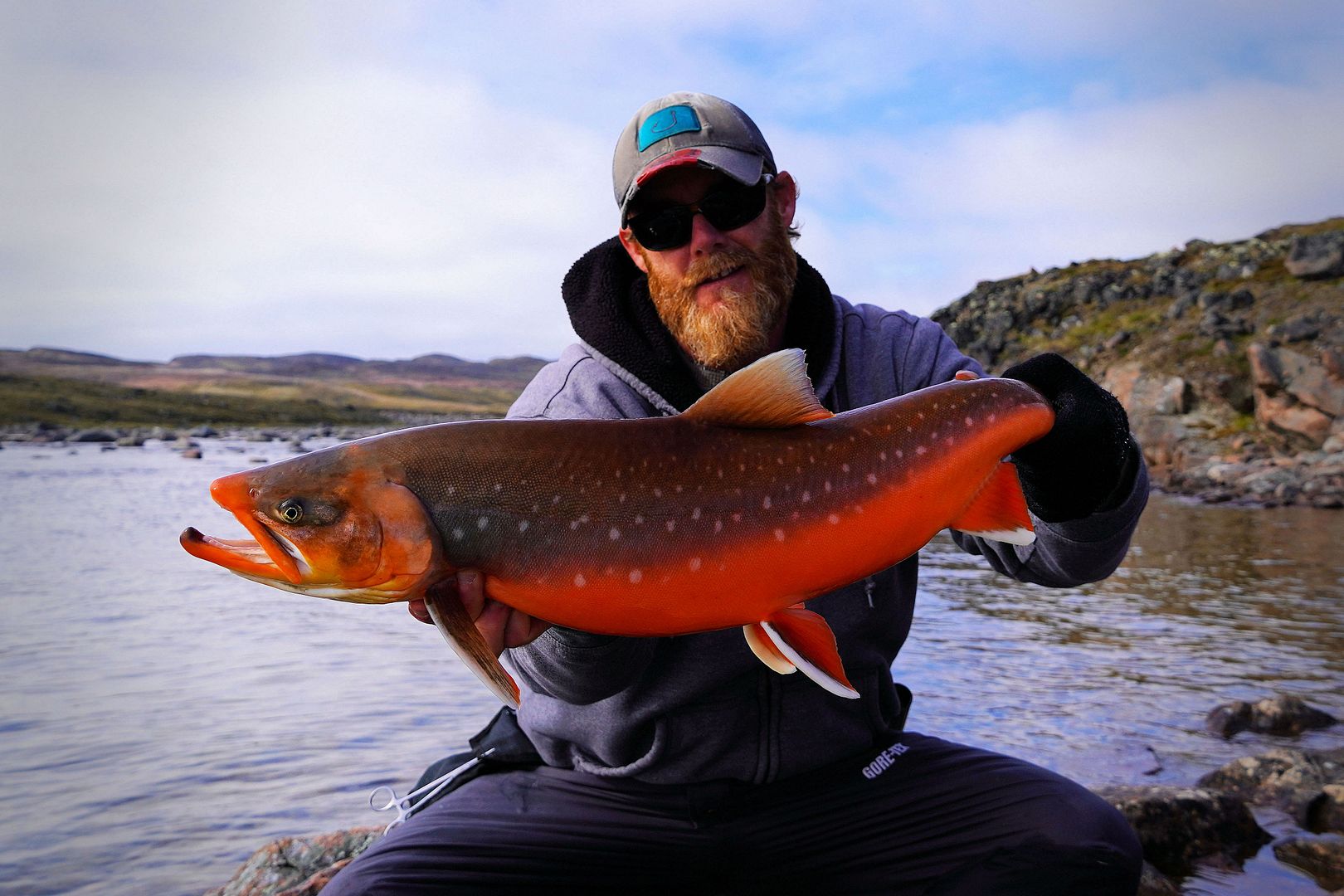
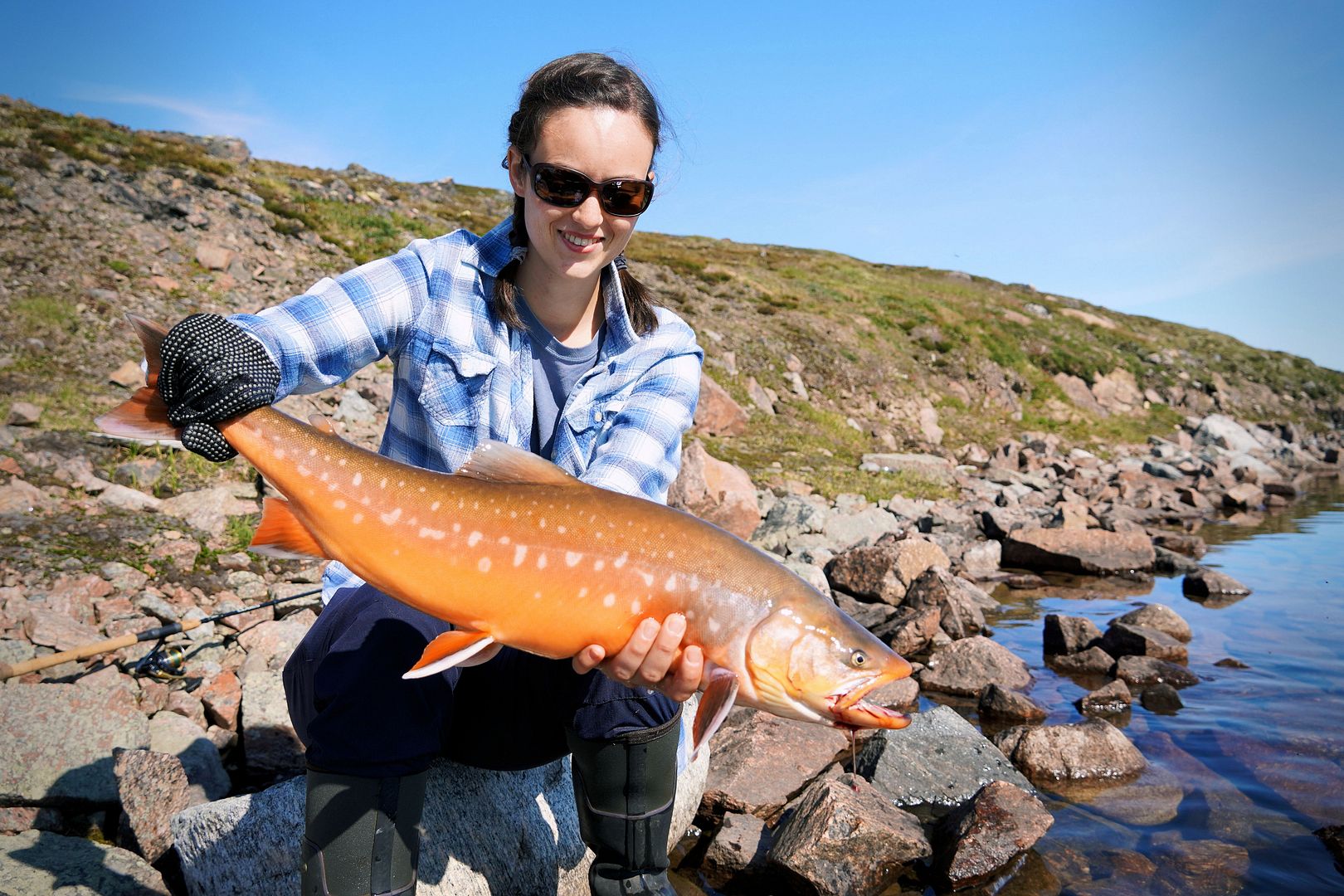
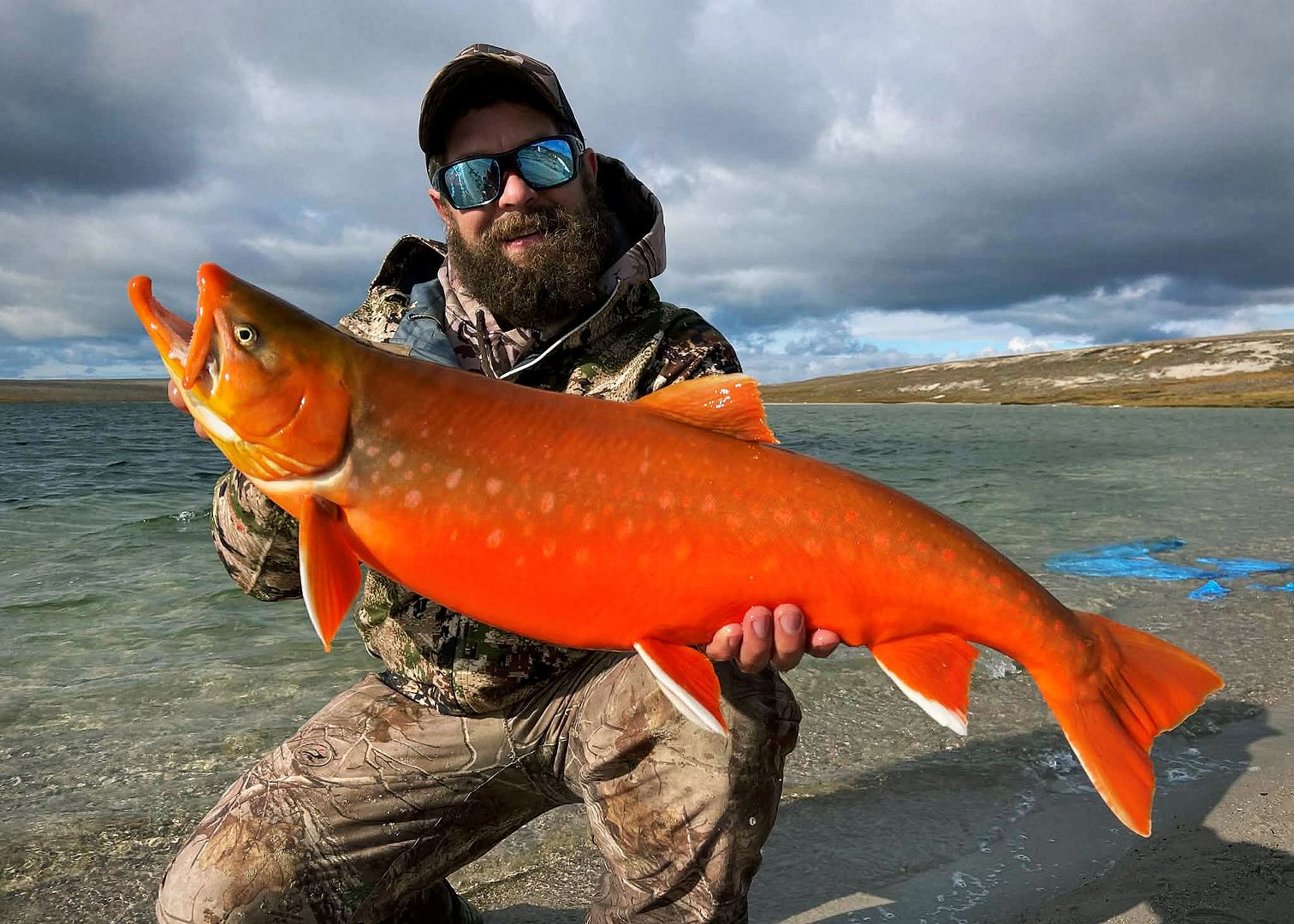
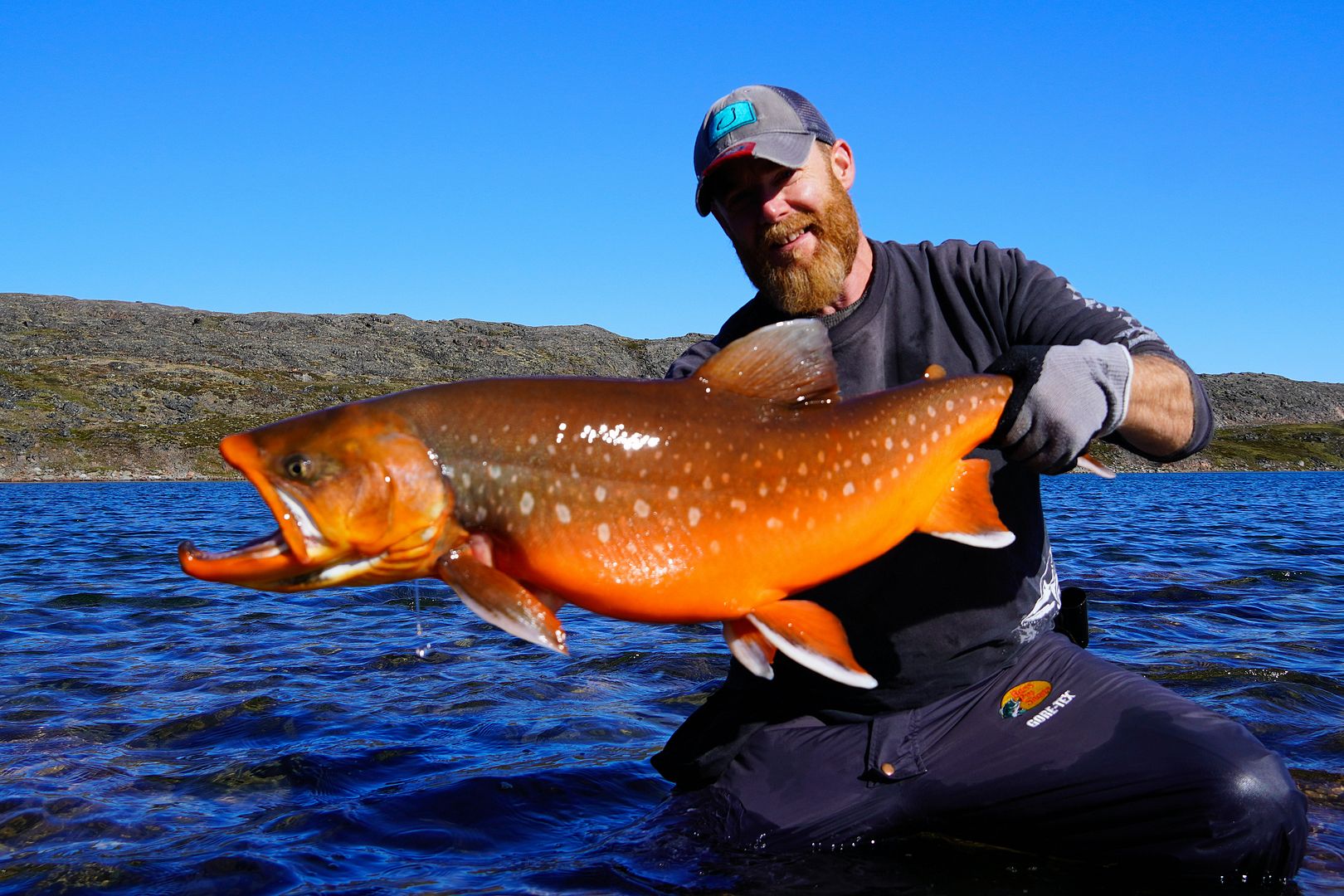
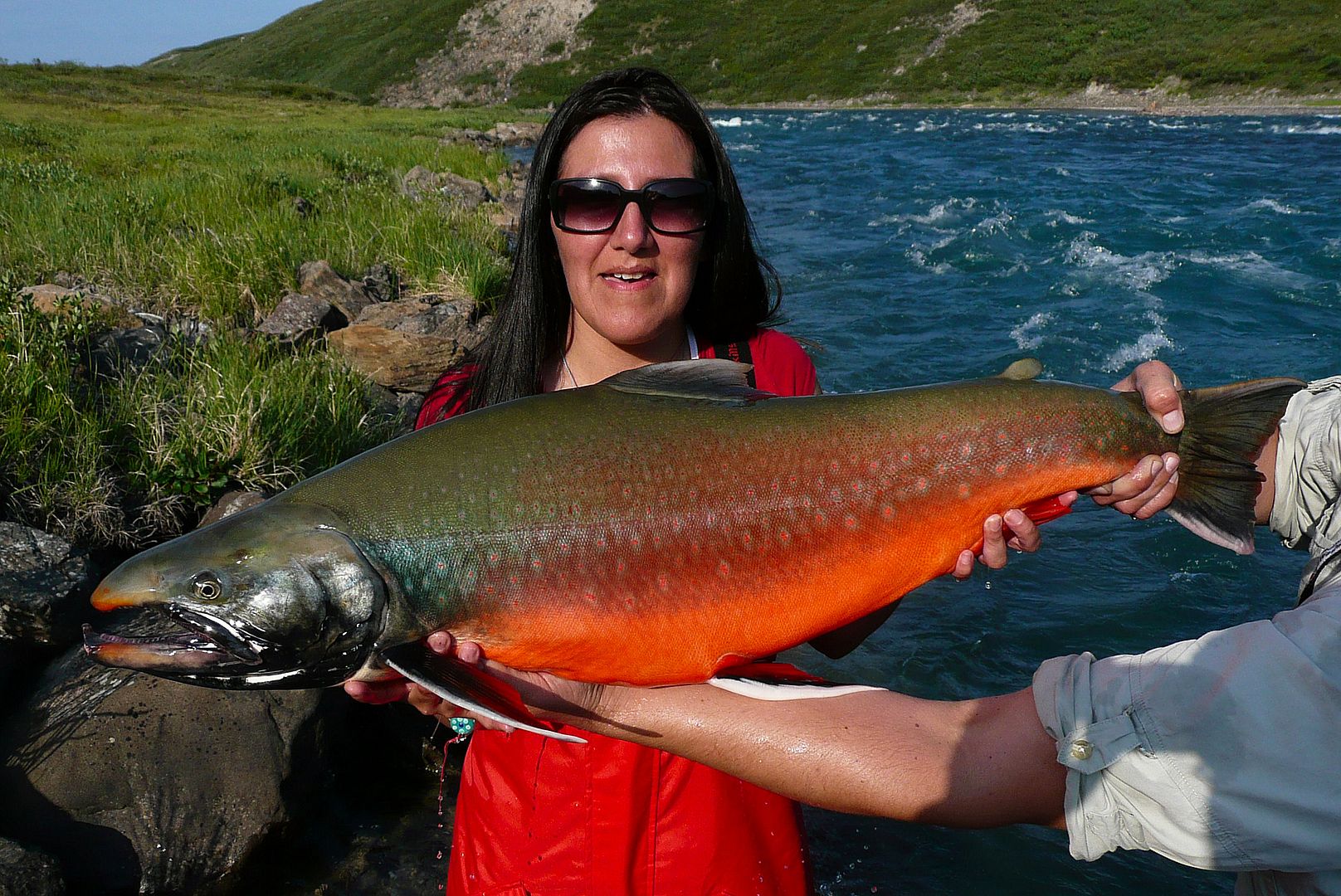
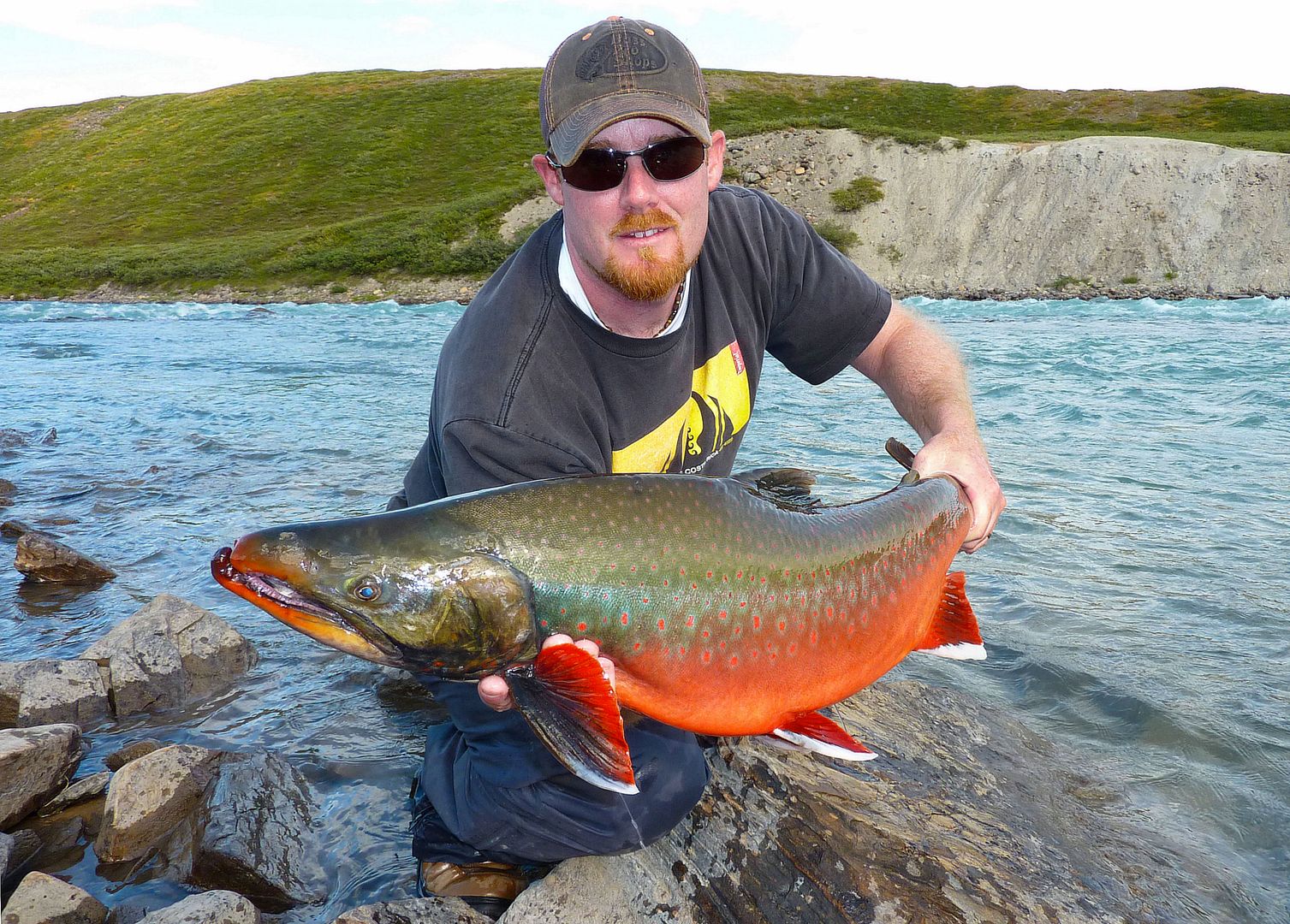
To Hell with those “red char” I says! Seriously, what is wrong with people? What is about them and this kind of char? “Has to be a red char, silver char are meh!” Why, why, why? I will fucking tell you why, it’s your ego! Your vanity. And it’s because red char are just the absolute coolest version of most any fish that swims. Essentially, these “dudes,” (and I say dudes cause the lady char are more boringerrr by comparison) are the “exceptional” and “beautiful” descriptors of the char that I had eluded to earlier.
.
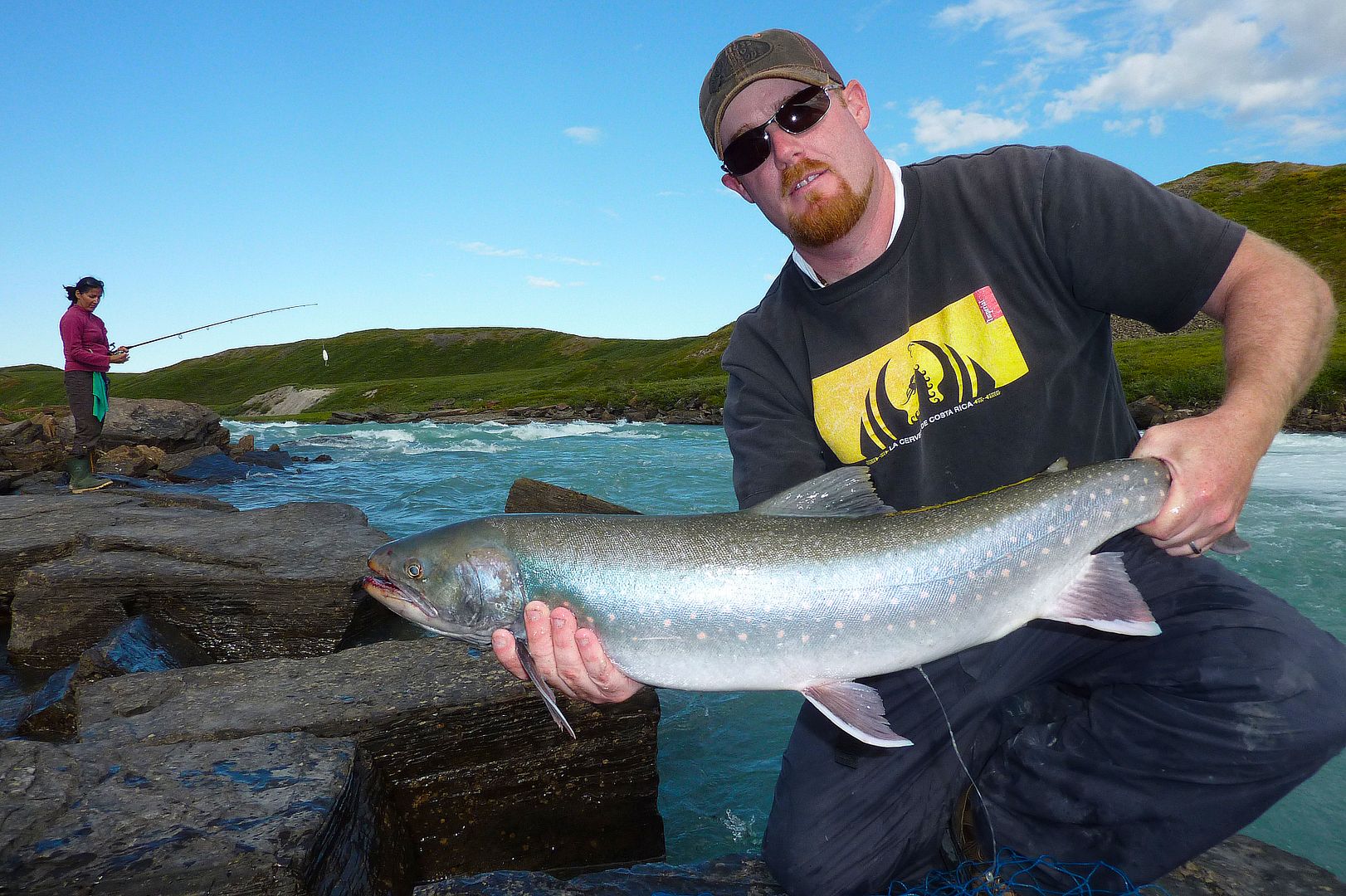
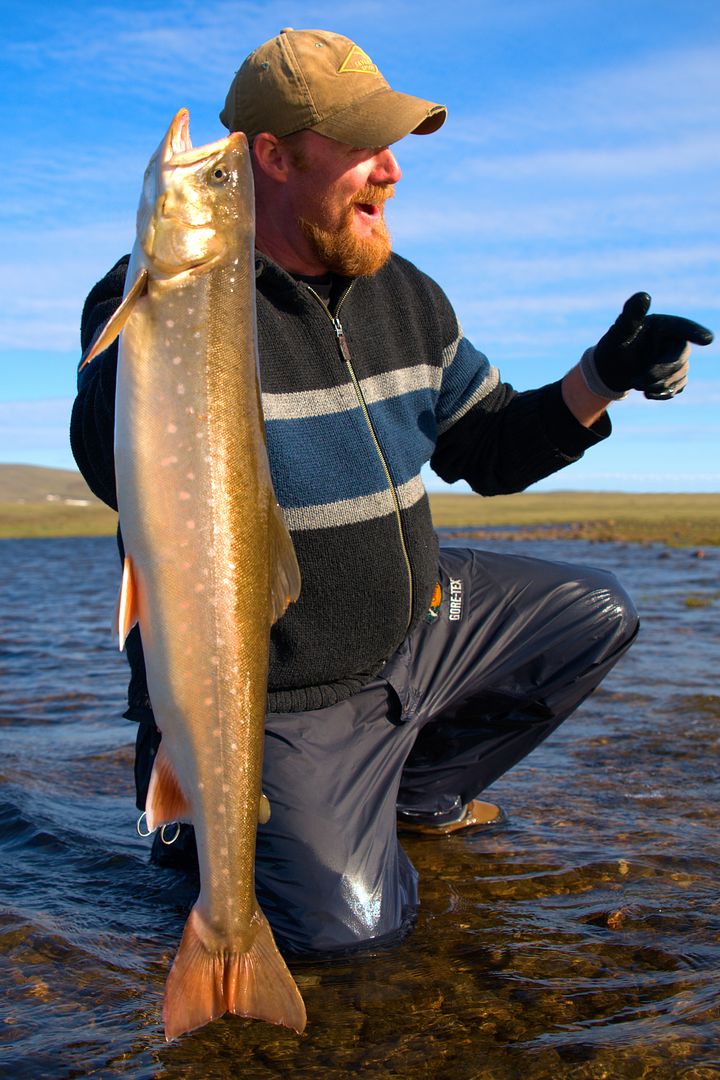
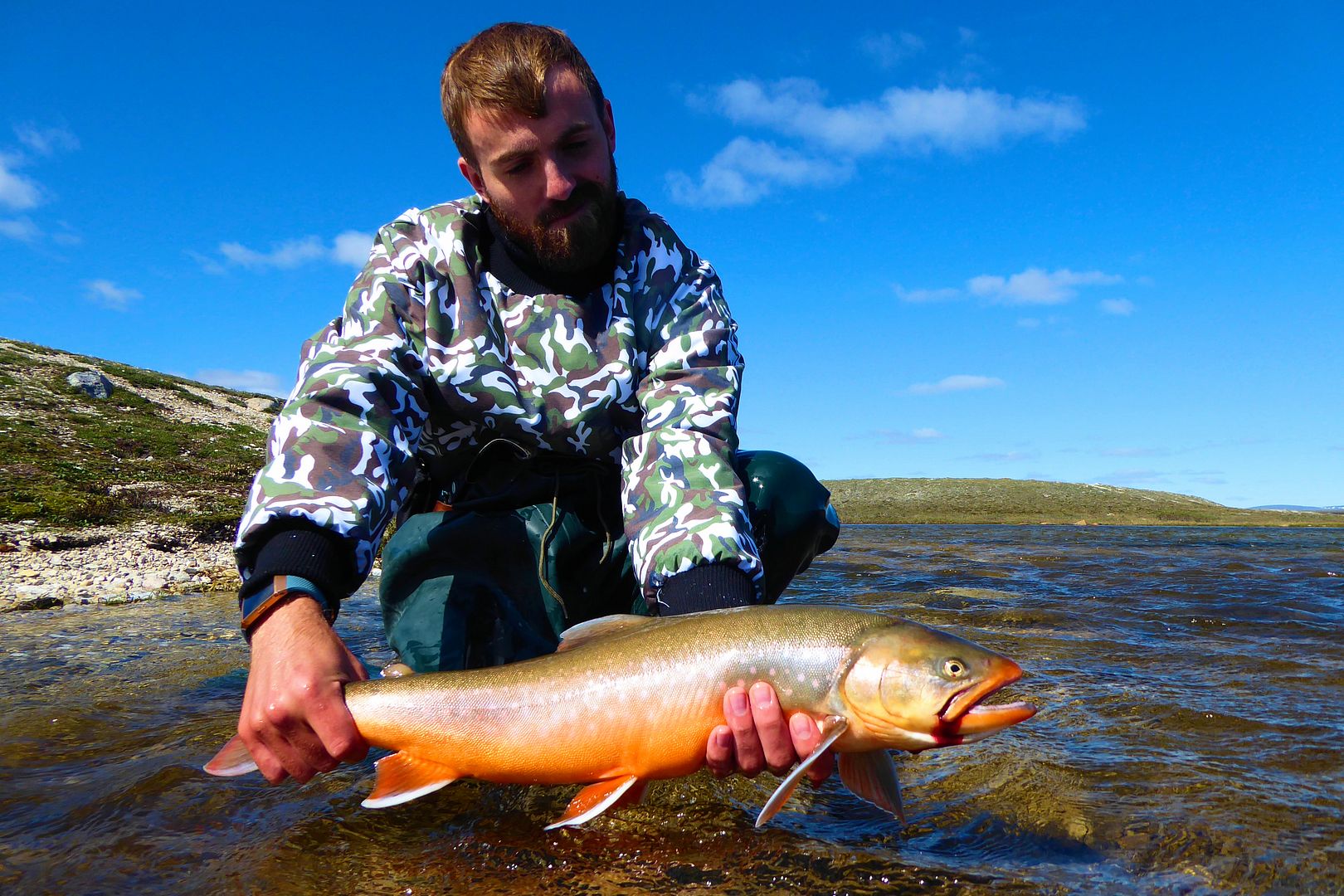
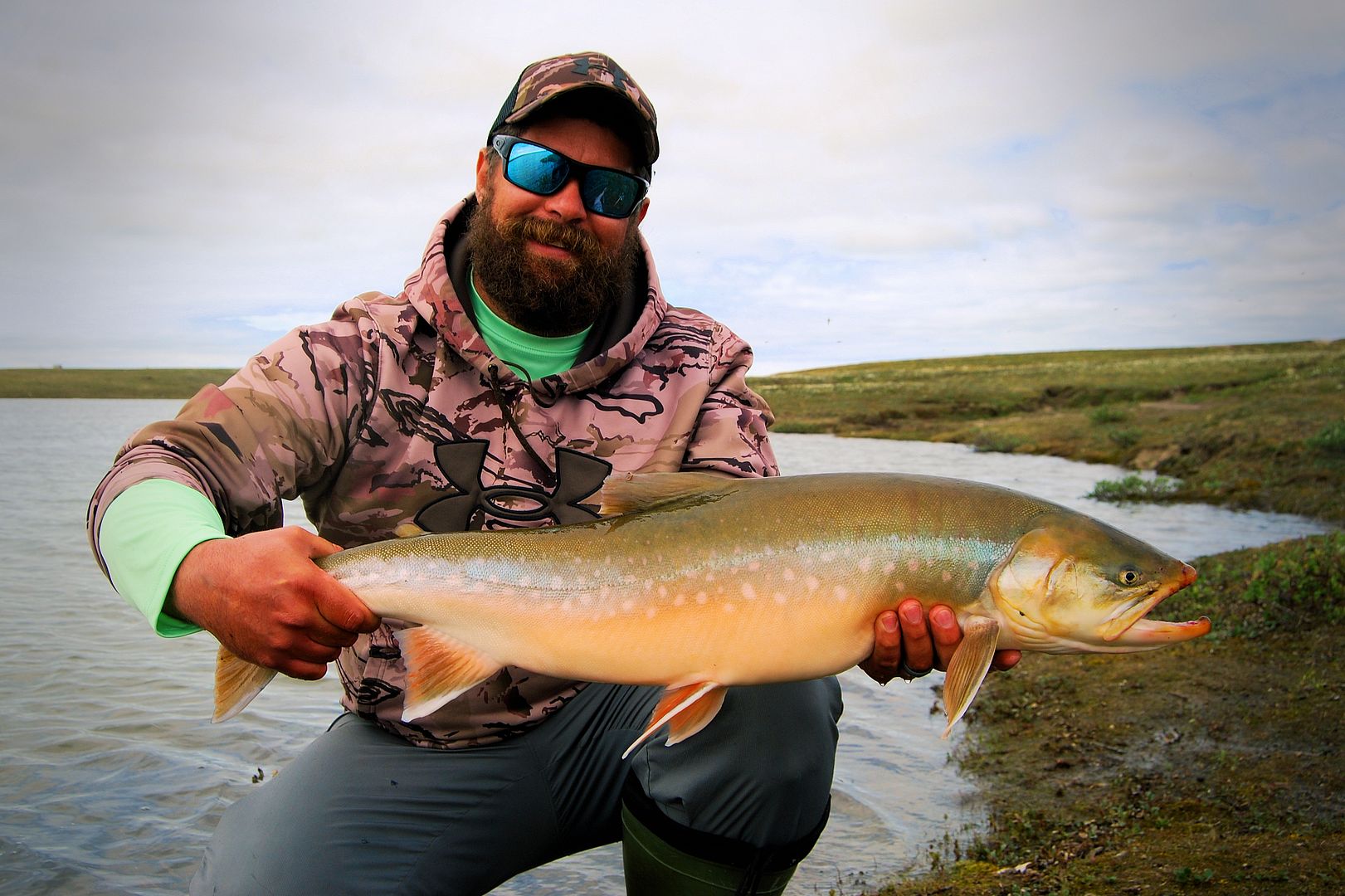
You could hold up a silver char, from afar, while going by in car or from across the bar and you might not even recognize it!?! Seriously, a silver char could be your buddy’s steelie steelhead. Maybe it’s the long forgotten Atlantic or boisterous look alike brown trout. Hells yeah, even a lost coho you know, could throw off your ID. Silvers all kinda look the same and until they put their make-up on before the big freak-off they’re just not as exceptionally beautiful. And when char get dressed up, especially those chisel-kyped crimson guards that make the bed while suited up in red, they are the sexiest sumsabitches that swim. You’ll see what I mean in the pics below. The range in the freshwater can go from a little homecoming silvery green, into beige, peaches, blushy pinks, Sunny-D, orange, red, redder, lava flow hotness red and finally, fresh deep wound venous blood gush into your eyeballs red!
.
So think about it! You get a little color, you want a little more. They start you off with an 8-pack of crayons in Kindygarten and before long you’re in grade 1 stealing the 172-pack from Giant Tiger on your lunch hour. YOU WANT MORE COLOR!!! Get me some of that color! Mainline that shit right into me eyes, fill these here orbits with bloody char aqueous humor.
.
And if you can’t take it quite so far as to have your peepers removed and beautiful, colorful char transplanted into the sockets, you best just take some of the greatest pictures of ALL TIME! Yes-yes! Keepsakes and sweepstakes for you because not only do pictures allow you the opportunity to revisit your glory and splendor at any convenience, you now have photo evidence to destroy all your friends fishy hopes and dreams with. I mean, COME ON, if you don’t have a quality char in your angling repertoire you’re a total fucking loser angler. You’re in the bottom 99% and there’s not a damn thing elite about you. Hell, you might as well give away your testicles (or lady balls you gorgeous thing you) while you’re at it!
.
Albeit still tasty, red char don’t taste as good, they don’t fight as good as silvers either but, I’d still say a 15 pound red fights better than like a 25 pound laker doggin’ at its best. They are still awesome in the ring the reddies. The reason why they’re red, well they’ve been lazing about in the freshwater for a long while and that makes ‘em soft. Some reds in the lakes and river can actually be hold-overs that summer. Fish that could have gone to the sea but while everyone was running out they were just like, nah! Some actually remain behind to feed in the lake, to be first male to take and hold a good spawning bed and if you’re a girl char, you may have missed your period and you’re too preggers for that spring break trip away. Yeah, char don’t spawn every year, not sure if they mate for life or anything but, there are reasons that now and again they can’t or won’t run out to party at sea.
.
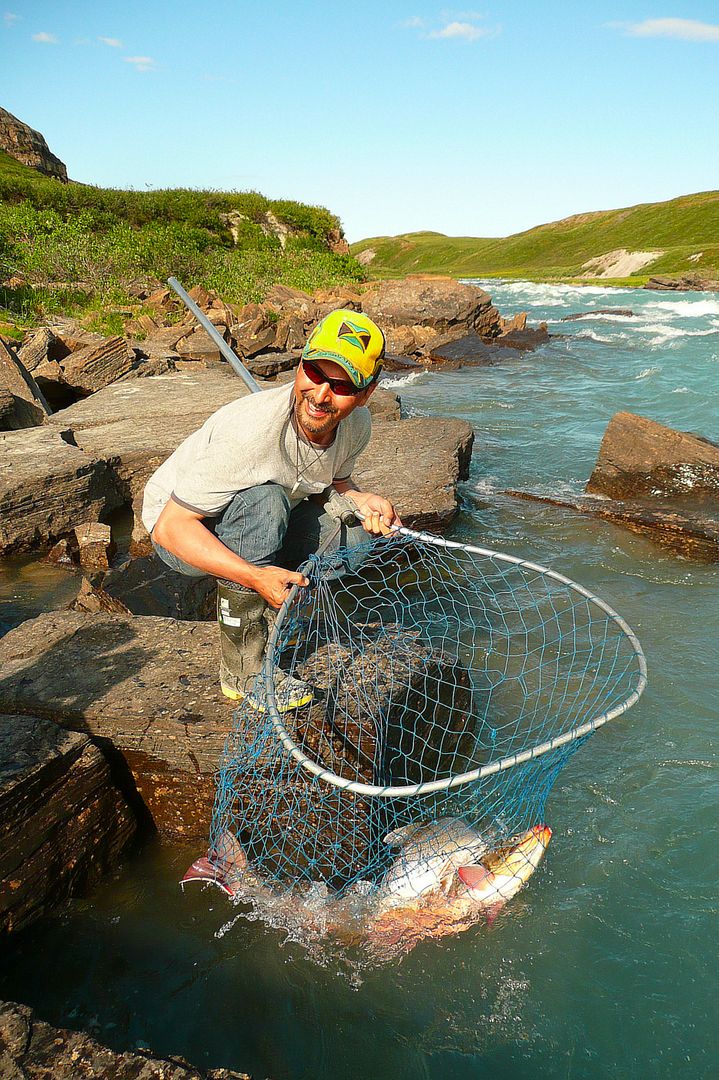
Got a video here below of some red char fishing. Love it! LUV IT!!! You know, if I had to pick for life three fish species only, char would be “the sex” category, muskies “the drugs” and lakers “the rock and roll.” Essentially the 1, 2, 3 of “love, need, and can’t live without.” But back to the love, the most memorable times were essentially two trips that I popped my cherry. And why twice, well without getting me going on about it there’s two kinds of char and two ways I had to go about getting ‘em, and so two very fond experiences. First time, first trip ever to Tree River or Nunavut for that matter, was back in 2008. My first caught char ever estimated around 20-pounds by length/girth measurements. Crimson buck, beautiful catch and totally fucking expected on a world-class, expensive, guided trip. Amazing still because nowhere is it as beautiful as the tropical oasis on the tundra, the Tree River. And, I was with Bren who caught the biggest fish and fell so deeply in love with char that day as well. The second char came in 2015. A pure strain char baby! Research, dedication, dreams, effort… everything about finally catching the blood gush char was all on me. The first summer working in Nunavut too. And the differences between the 2008 and 2015 fish were special as well. The 2008 a “dolly varden” or char of considerably strong dolly genetics and the second, a pure strain. Malma and Alpinus! Sounds latin and kinky!
.
VIDEO: BEAUTY RED ARCTIC CHAR.
.
VIDEO: BIG BUCK ORANGE ARCTIC CHAR
.
.
.
.
.
.
.
.
.
.
.
.
.
.
.
.
.
.
.
.
.
.
.
.
.
.
.
.
.
.
.
.
.
.
.
.
.
.
.
.
.
.
.
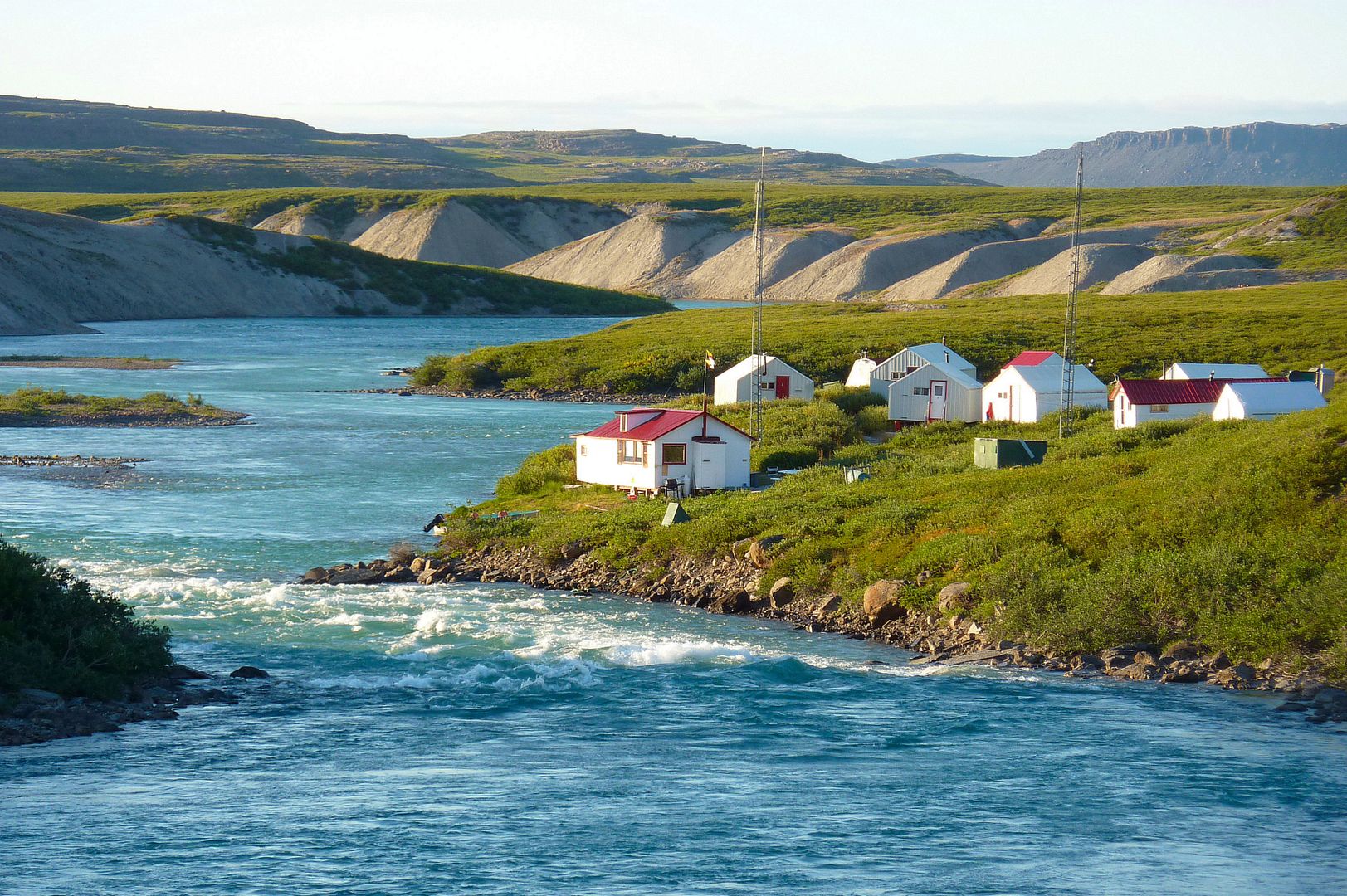
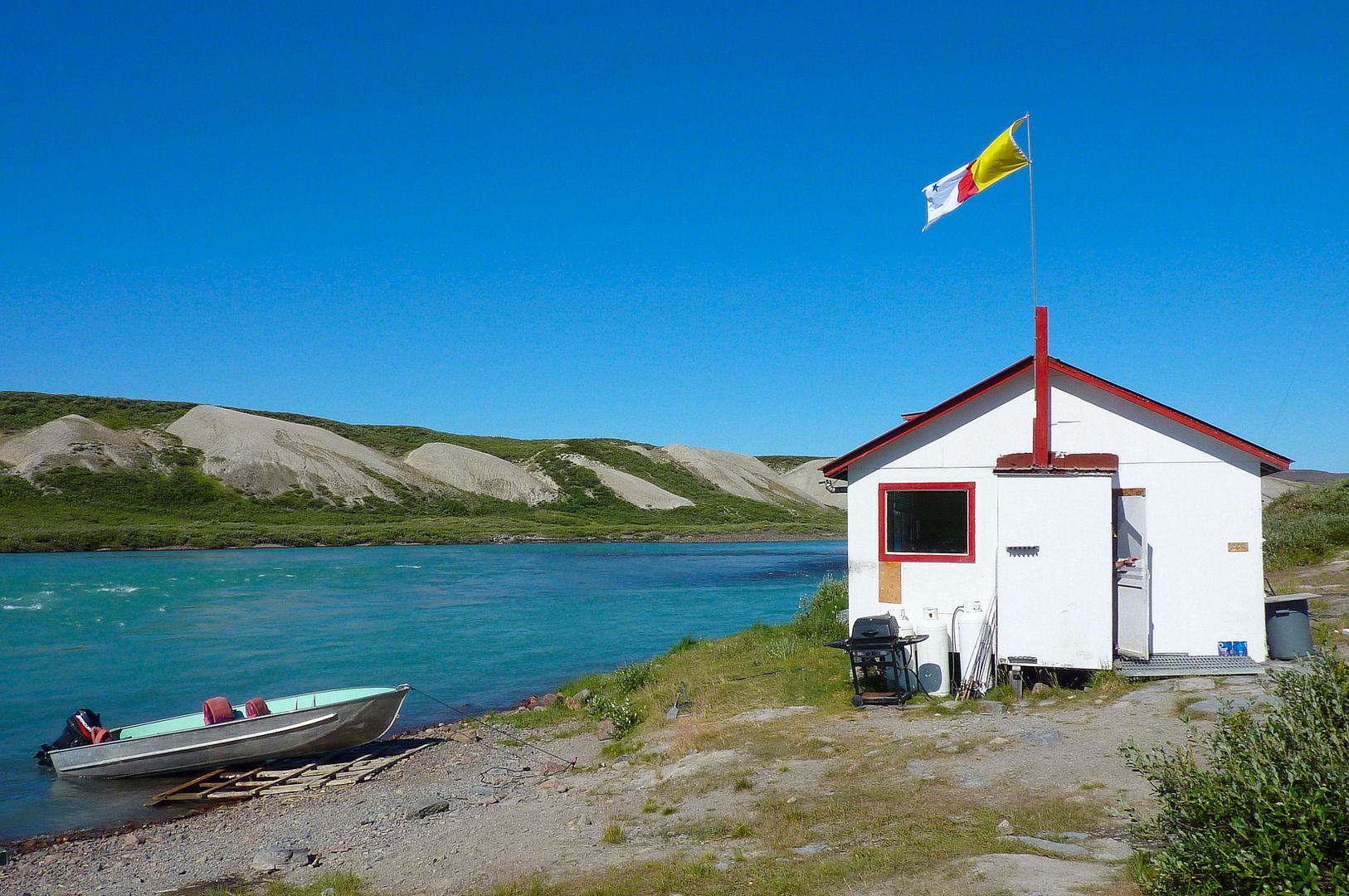
The Tree River holds the world record char. I think the official is 32-pounds but I know legit dudes have been claiming bigger C&R fish. Like, locals in Kugluktuk have reportedly weighed in 38-pound class fish. And somebody visiting the river with Plummer’s Lodges just last summer, while fishing with Dr. Char Guide Craig Blackie, released some kinda giant too. A fish bigger than the book record.
.
Bren and I visited the Tree twice. 2008 and 2011. Plenty people knew about the Tree then but its popularity increased afterwards with dummies like me online posting about it in the days of forums. Would do well with 100,000 views eventually, and also take the story to several publications as well. Soon social media entered the picture though and now it’s a top destination. Bren and I we got two, two and half days there, that were life altering experiences for us both. Each time it was Bren who caught the big ones. It is a very magical place where special fishing happens. After those trips and still to this day, the Tree revisits me often with ever-lasting, vivid memories. I will likely never afford it again but maybe, maybe get there one day to camp out a week if finding a way to the Tree through work in Kugluktuk. That’d be cool… but, it’d never be the same without Bren, and I would probably break her heart to go there without her.
.

.
.
.
.
.
.
.
.
.
.
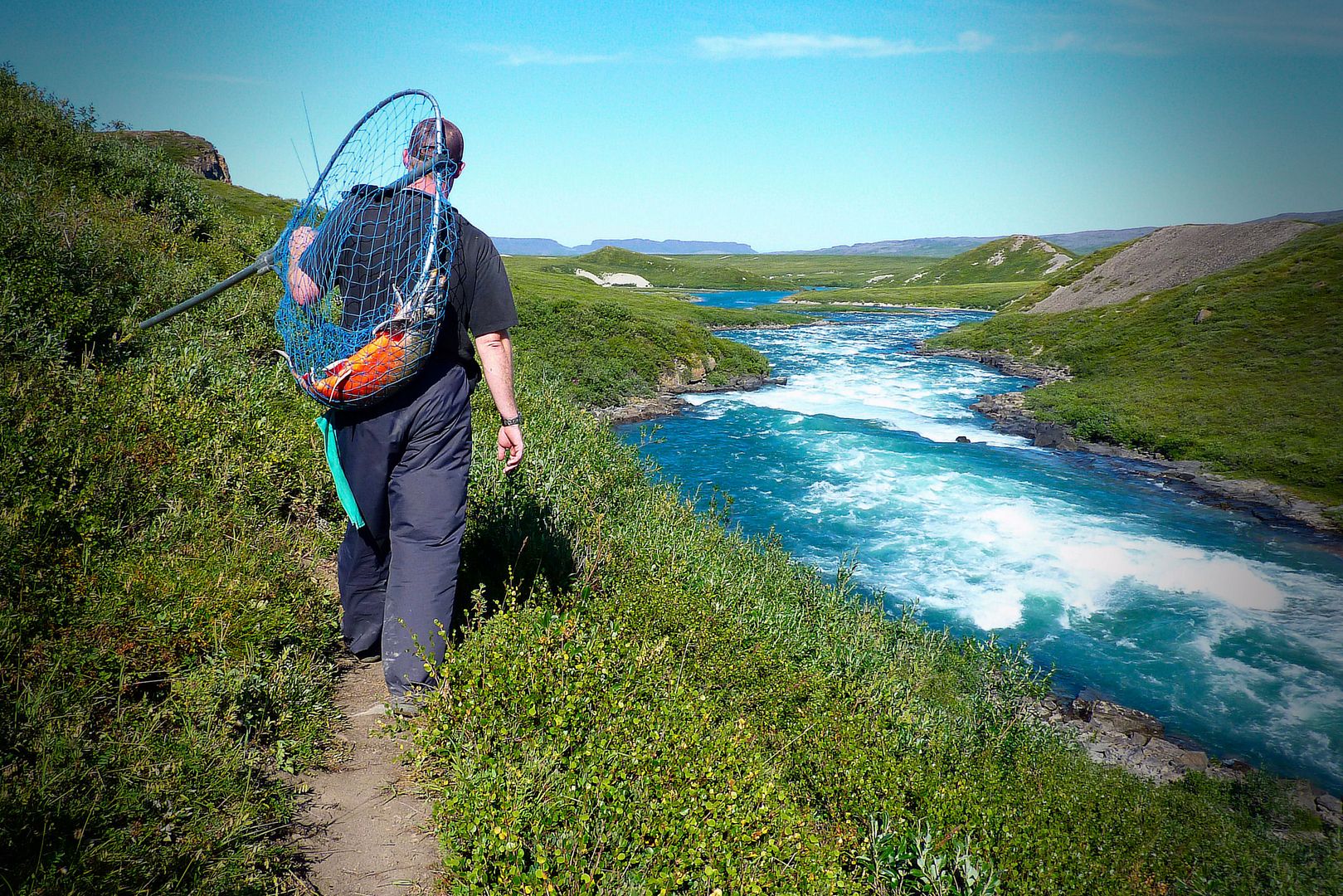
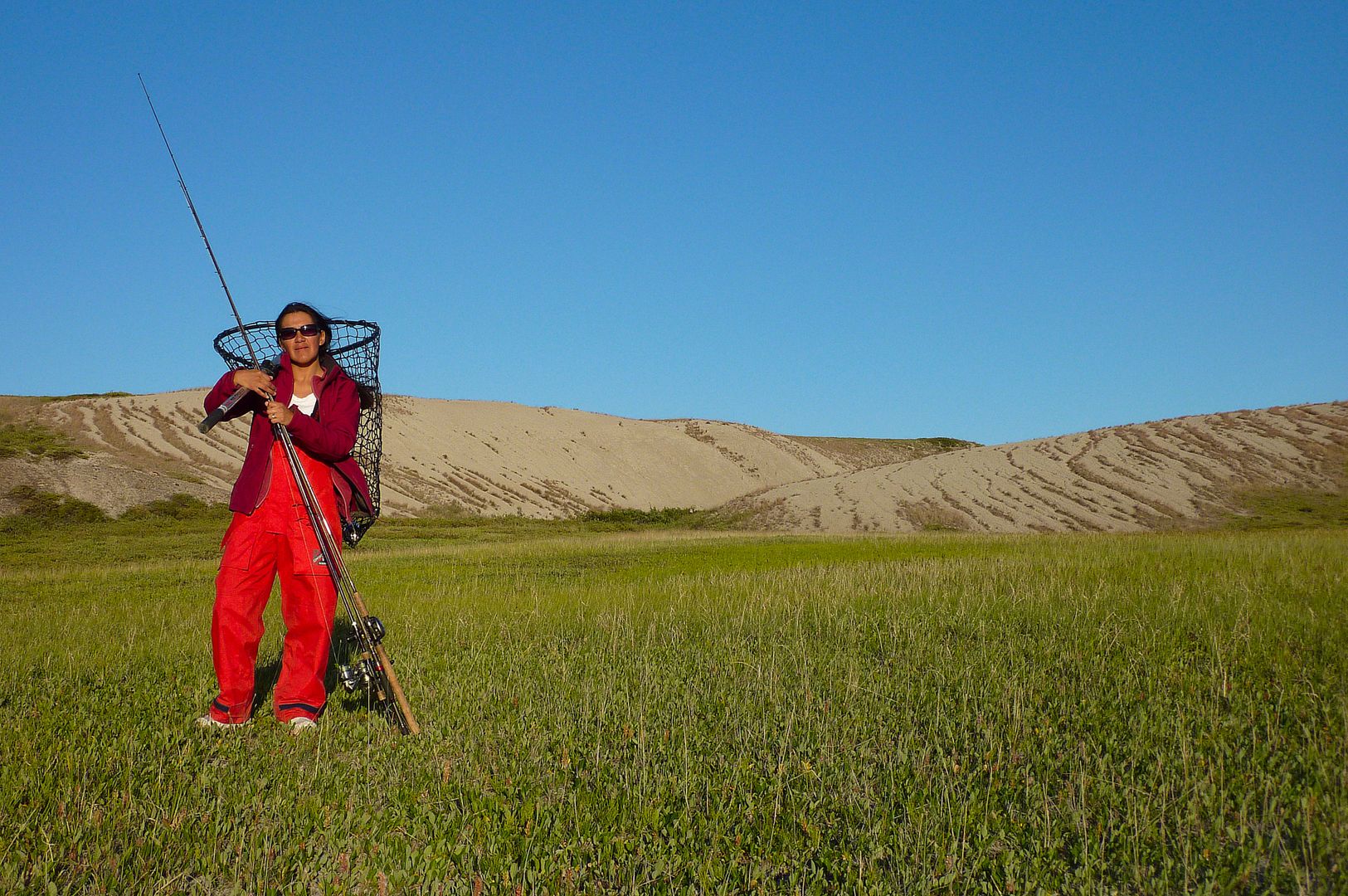
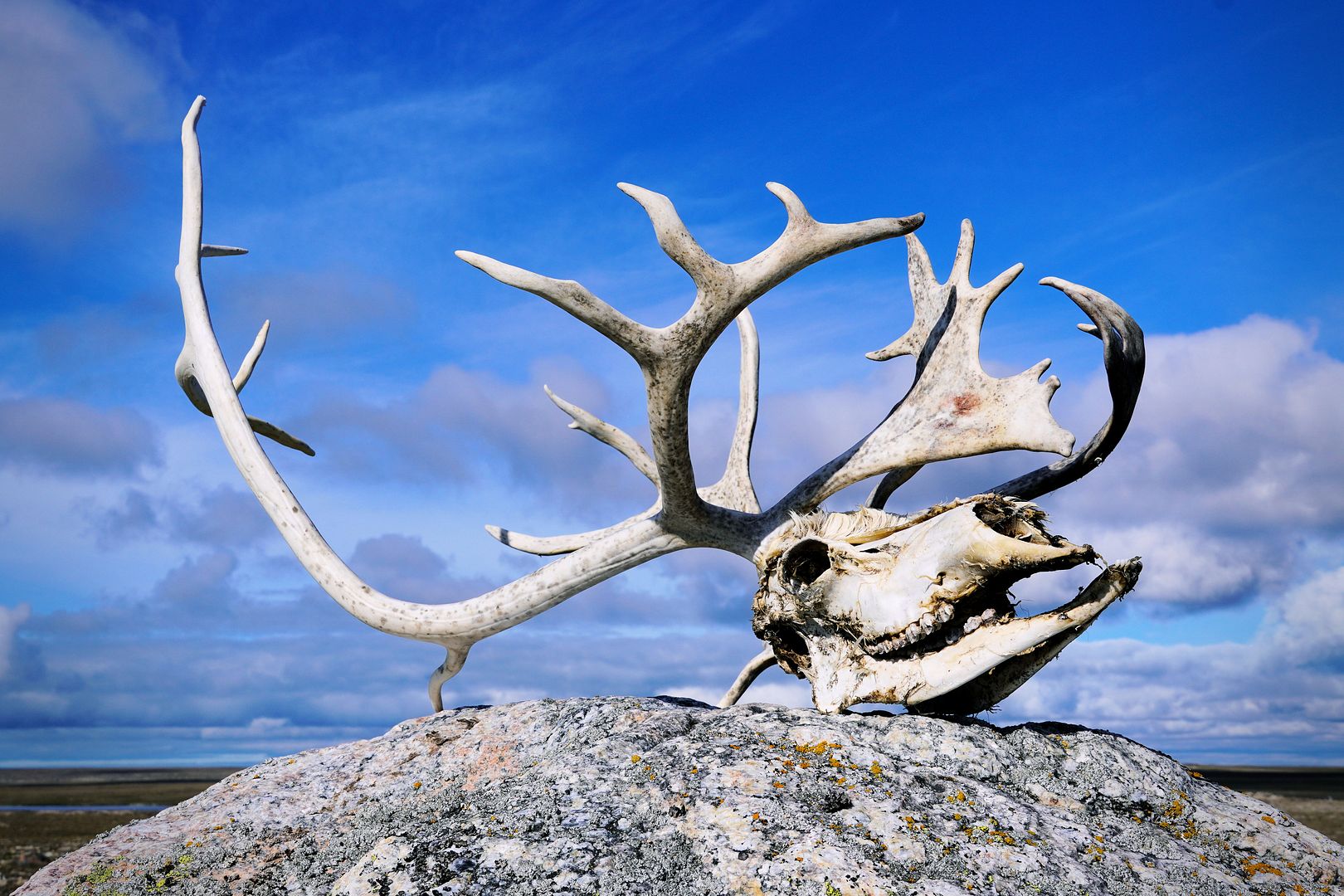
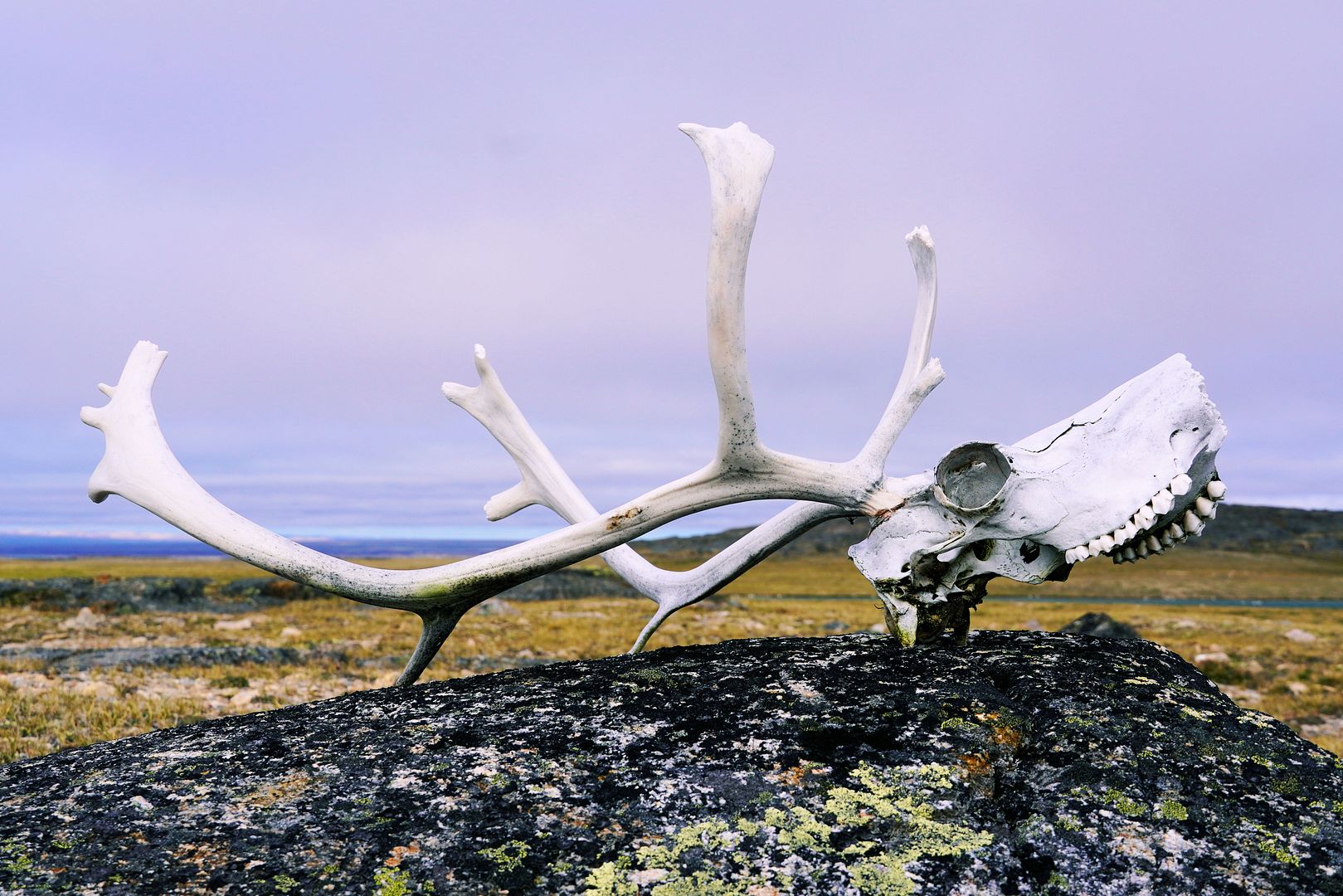
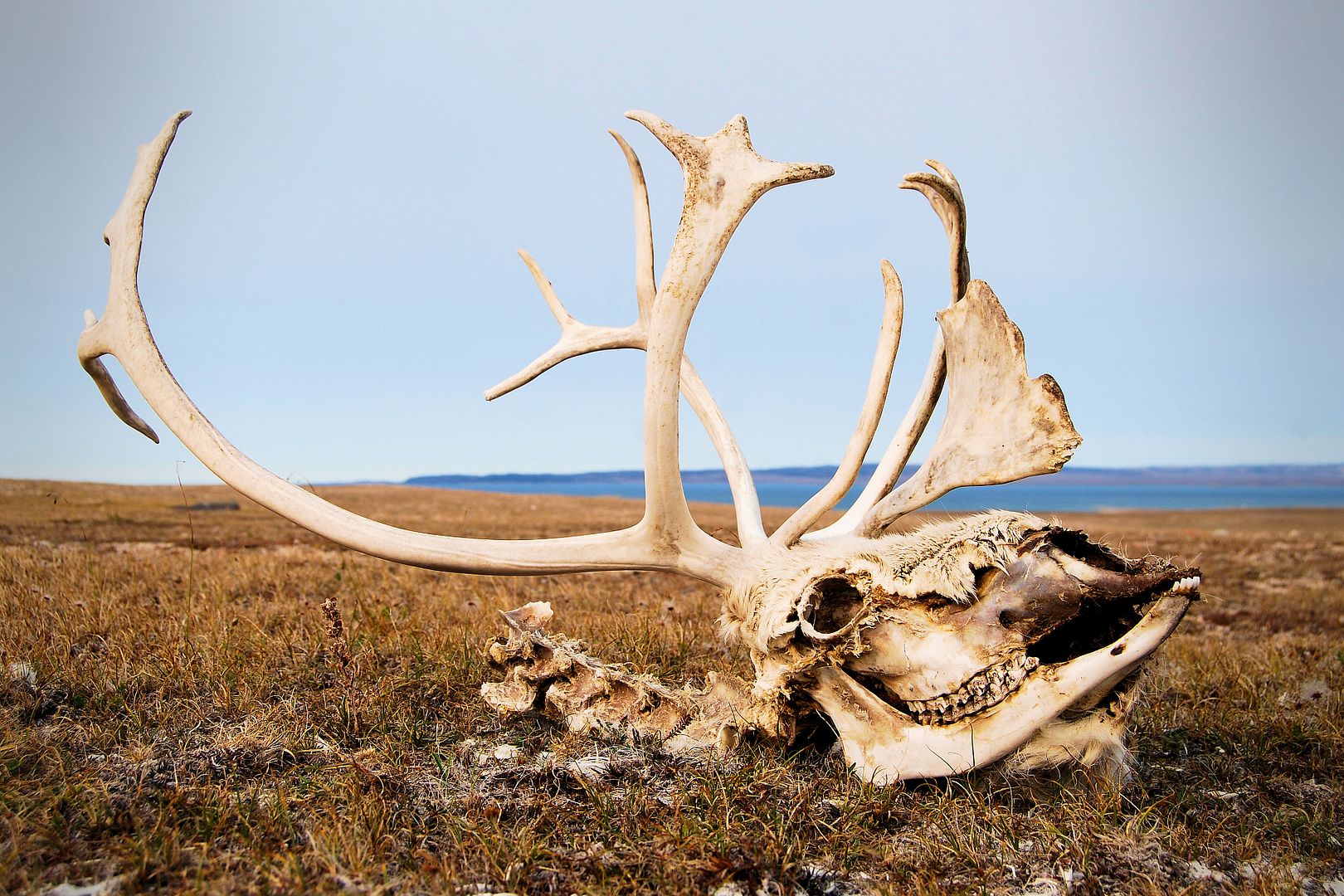
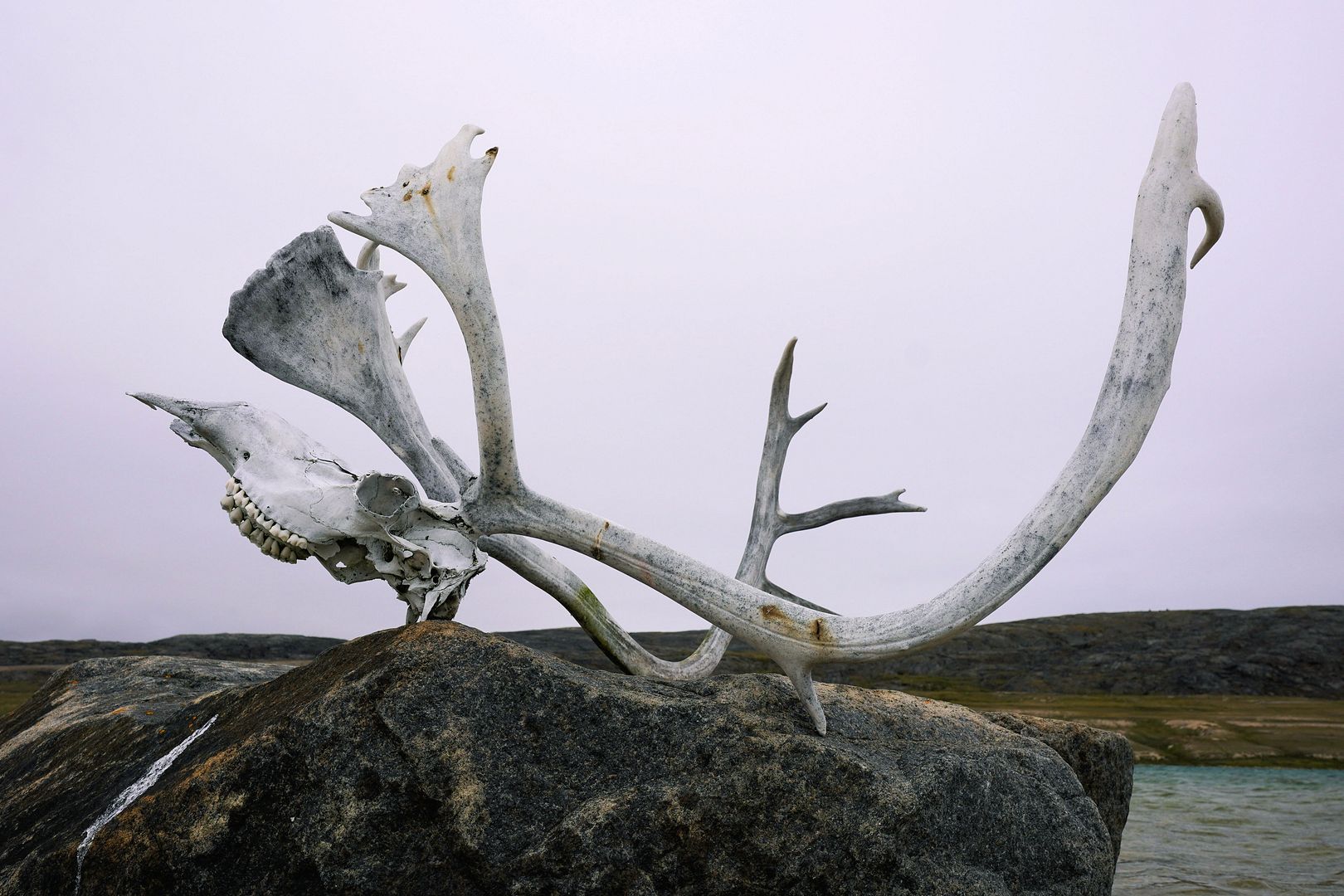
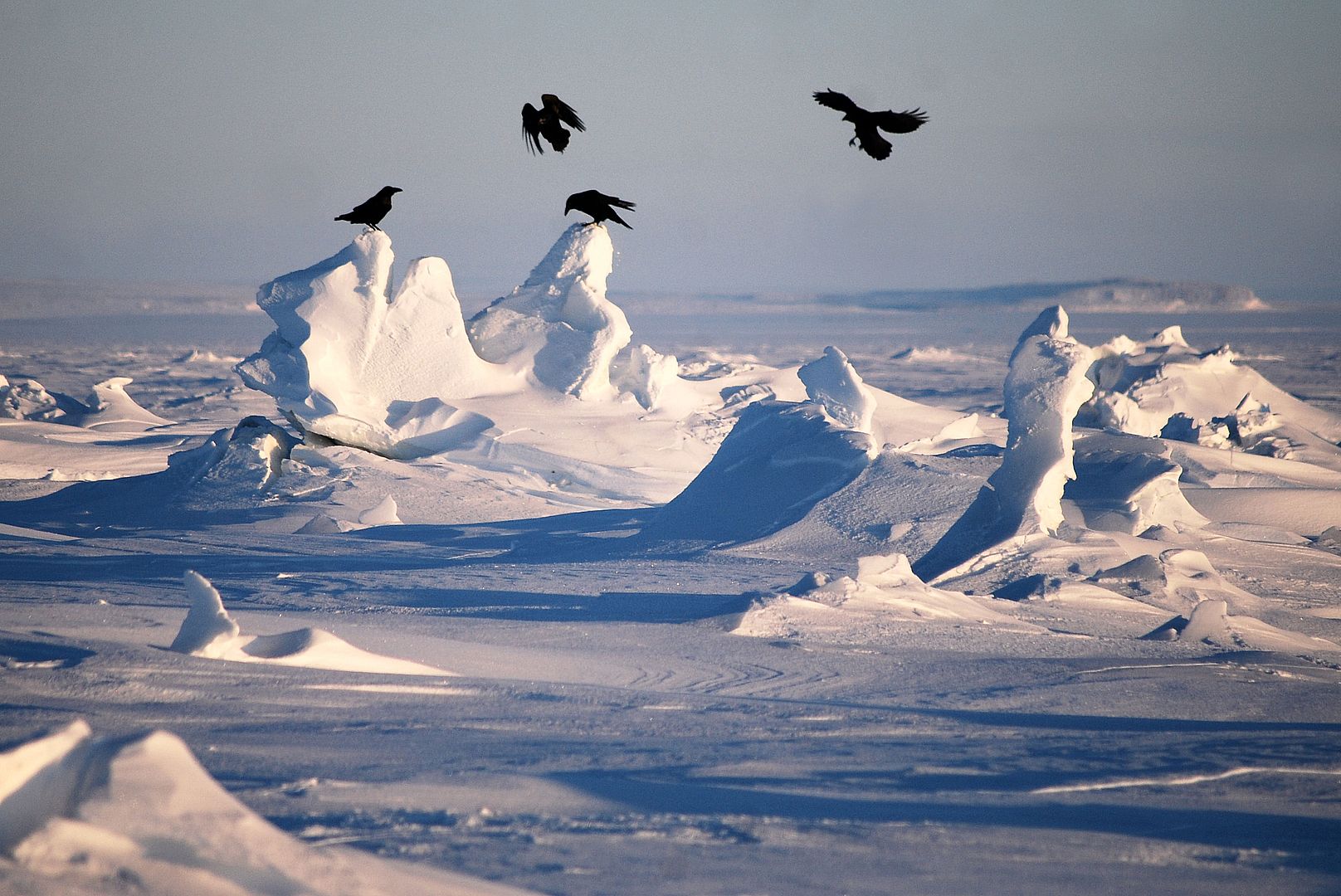
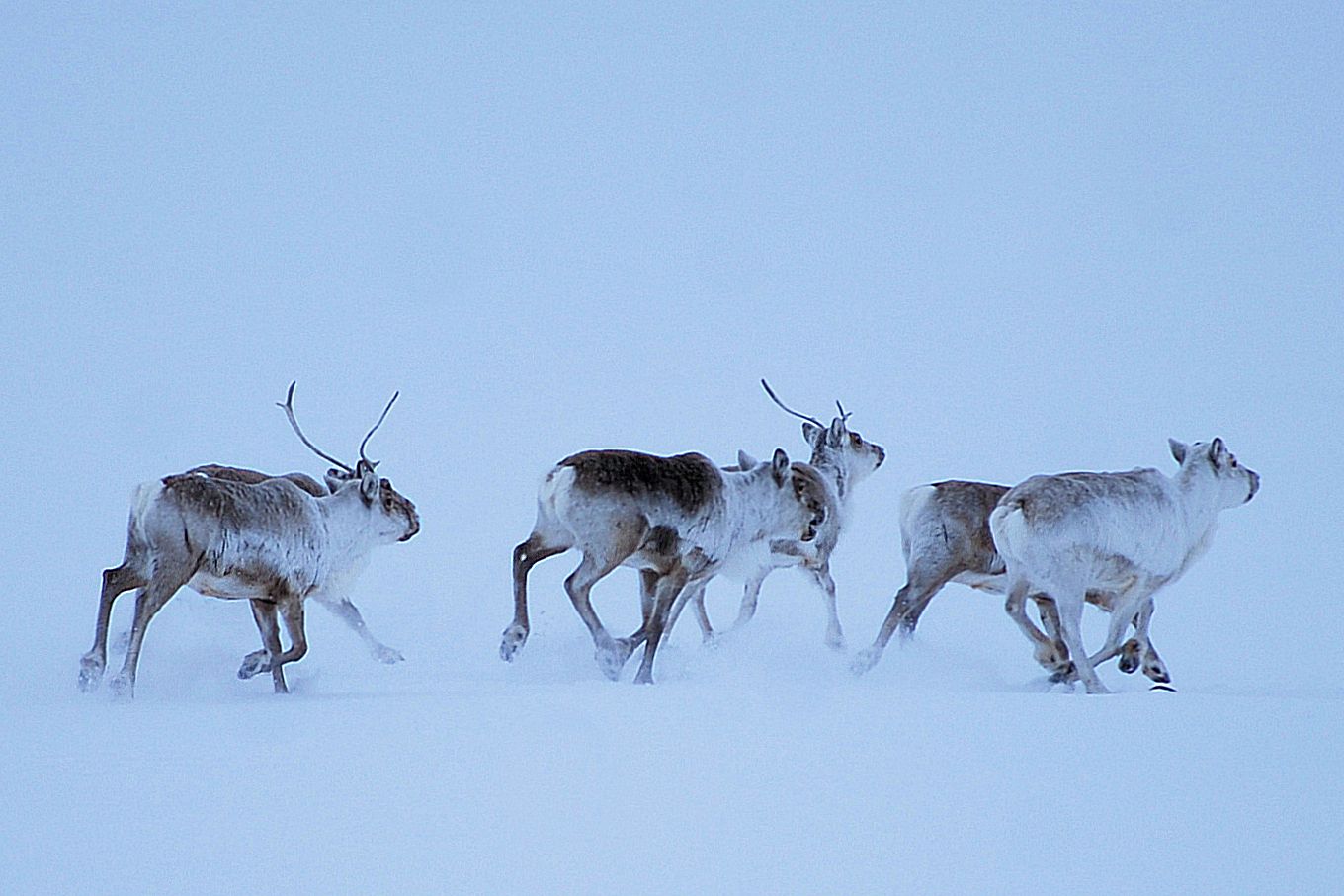
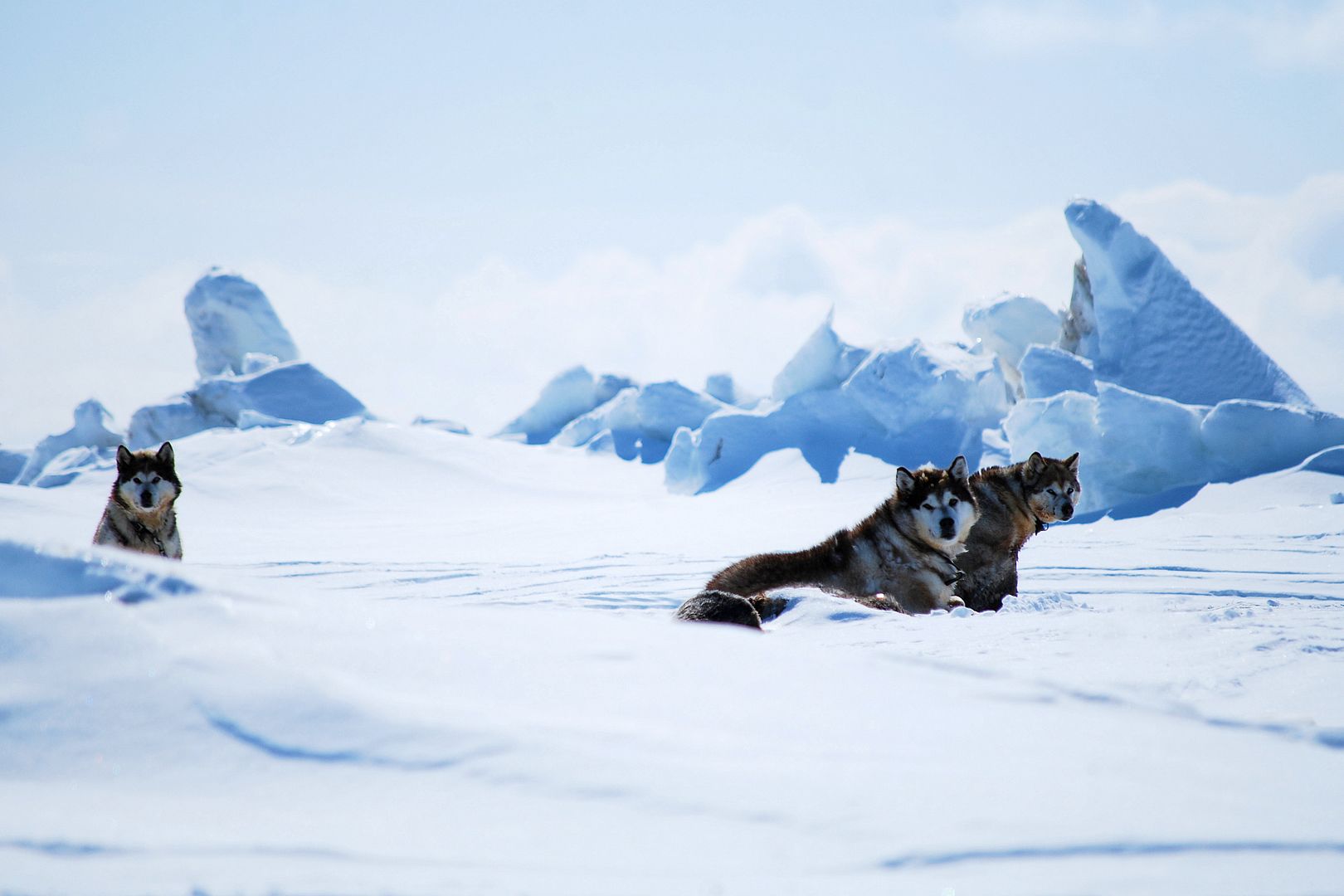
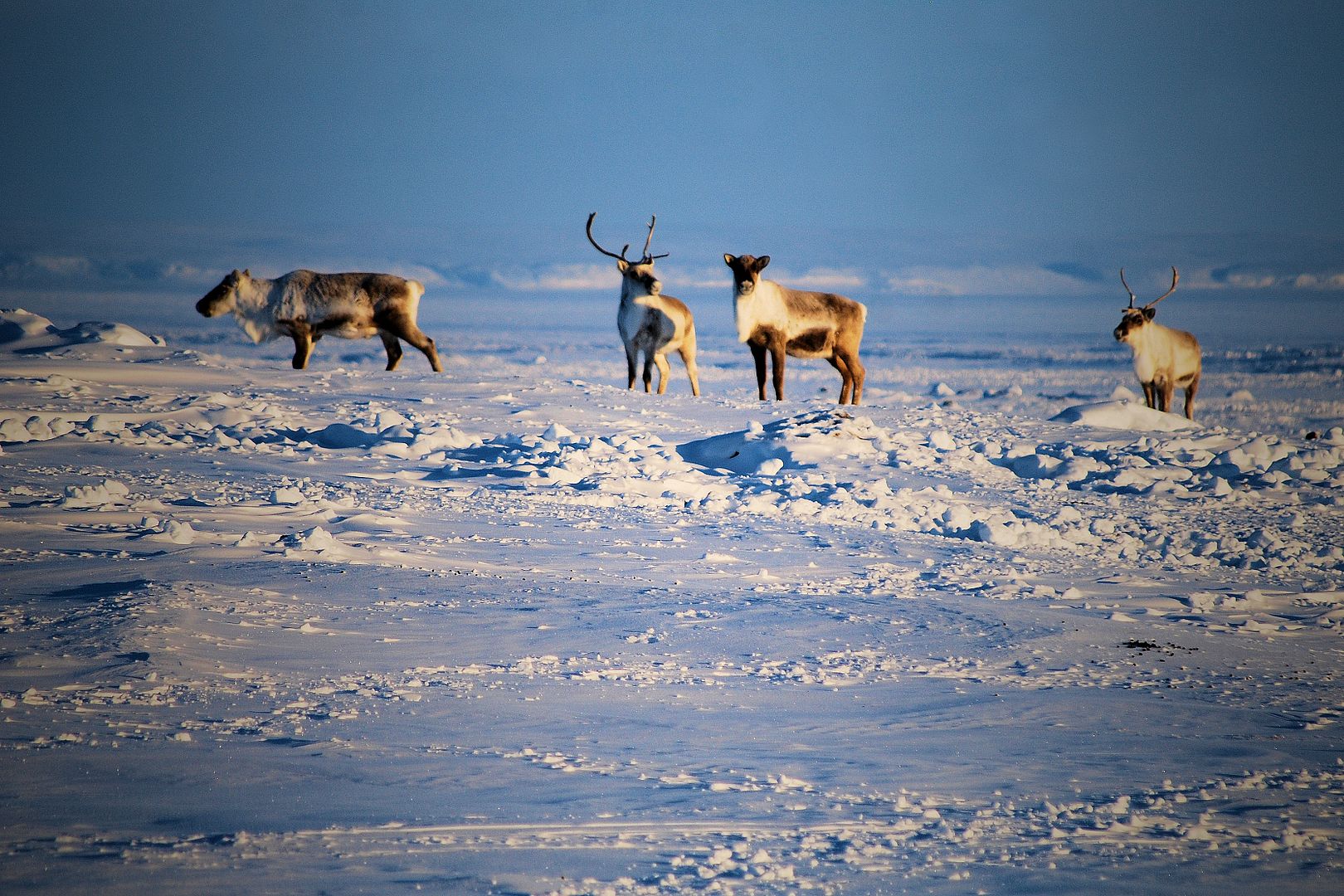
I just like these photos a lot. Something different. In some areas of Nunavut skull and racks litter the tundra, they make good fun. Was thinking I’d write on some of the over-harvesting that is most certainly going on in areas of Nunavut with remaining herds but, I’ve been on a roll with the fun stuff writing this one and this topic well, it’ll bring the vibe all right down. Caribous and narwhal these days = foolishness and irresponsibility.
.
.
.
.
.
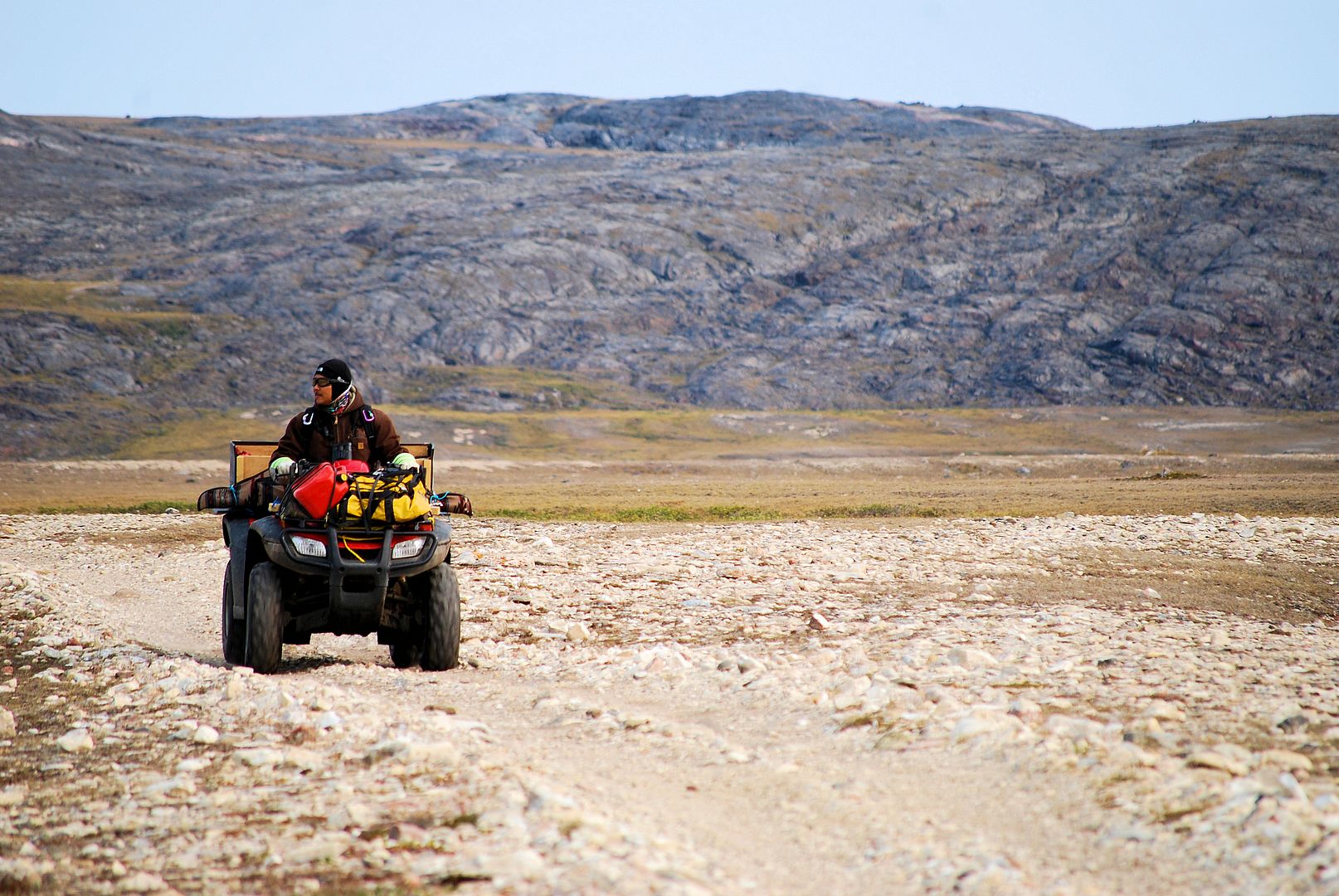
Nursing in Nunavut is nomadic. Many of us professionals move to hunt and forage where we can, where the game may be plentiful and works out just right. The char for me is occasionally added adventure, which feeds the soul, giving some reward for all that I do… but the work is the reason I’m even there and able. Many times I come and go. Past decade about forty contracts. Have said hello and goodbye to hundreds if not a thousand co-workers, patients and even some who are friends. There is little longevity in Northern Nursing. Very few can make contract work last for any great length of time. Yeah, some take on full-time positions and stick around but they are in the vast minority. They may stay but you come and go. Or everyone around you is doing same as you, just nomadically foraging across the vast arctic.
.
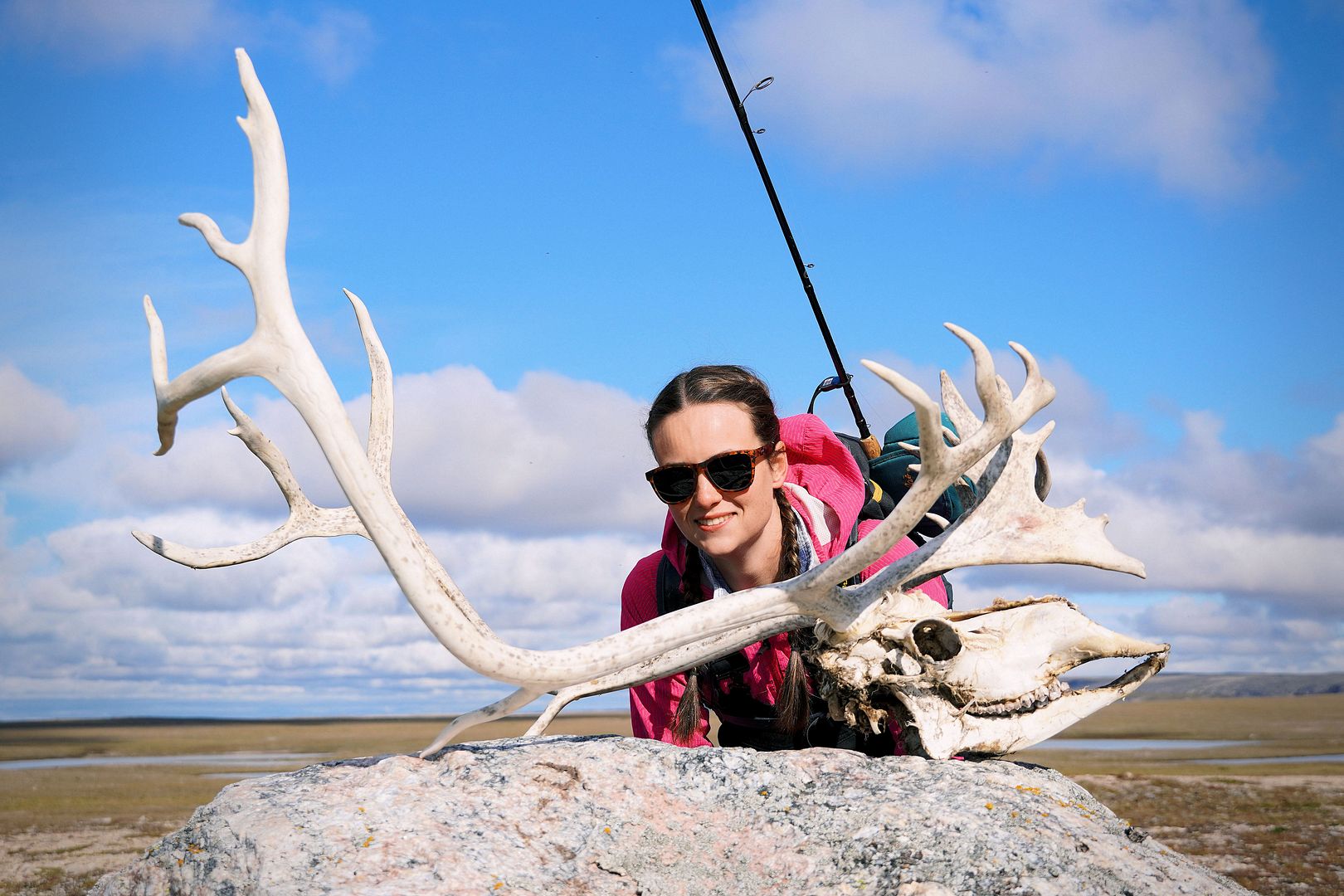
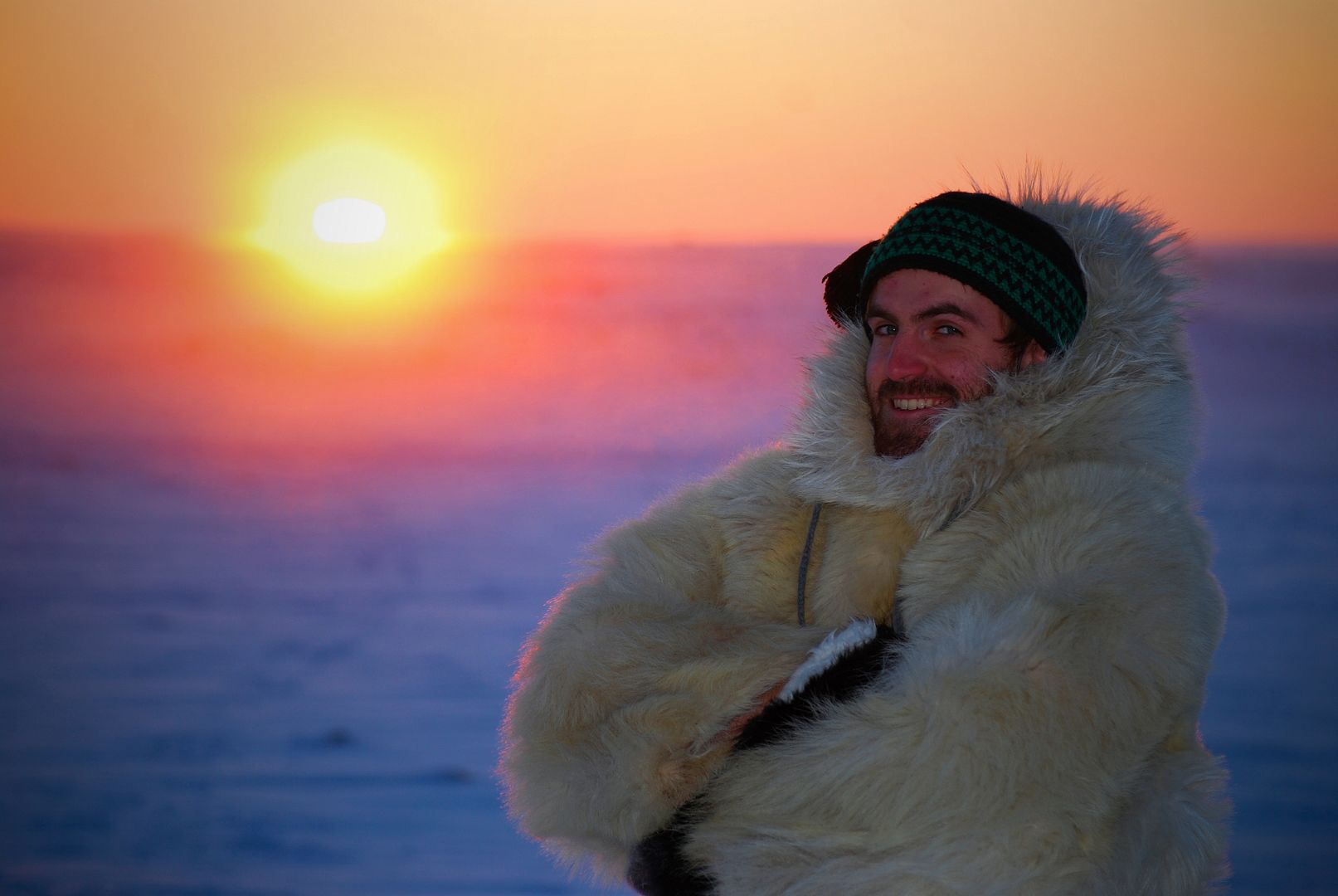
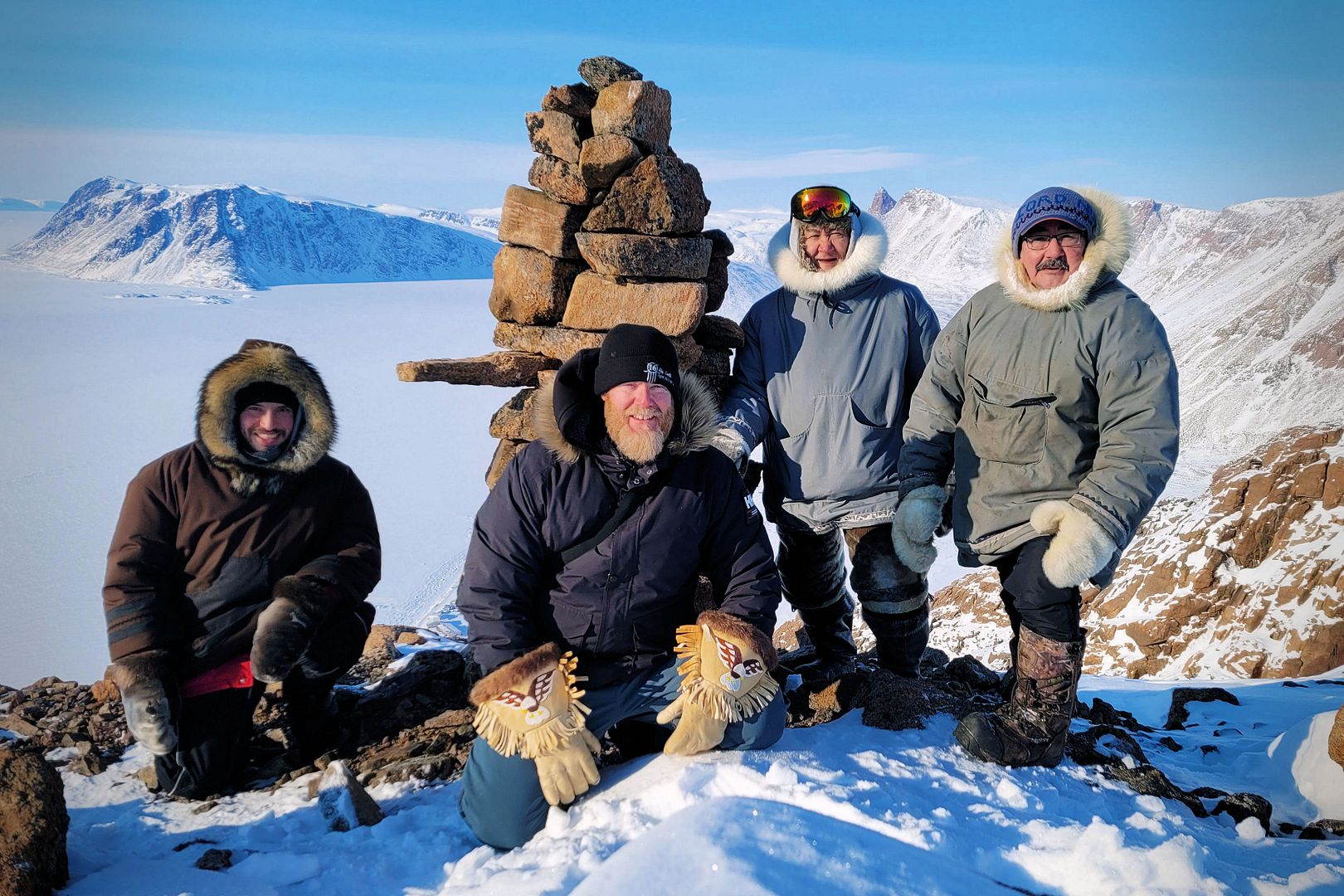
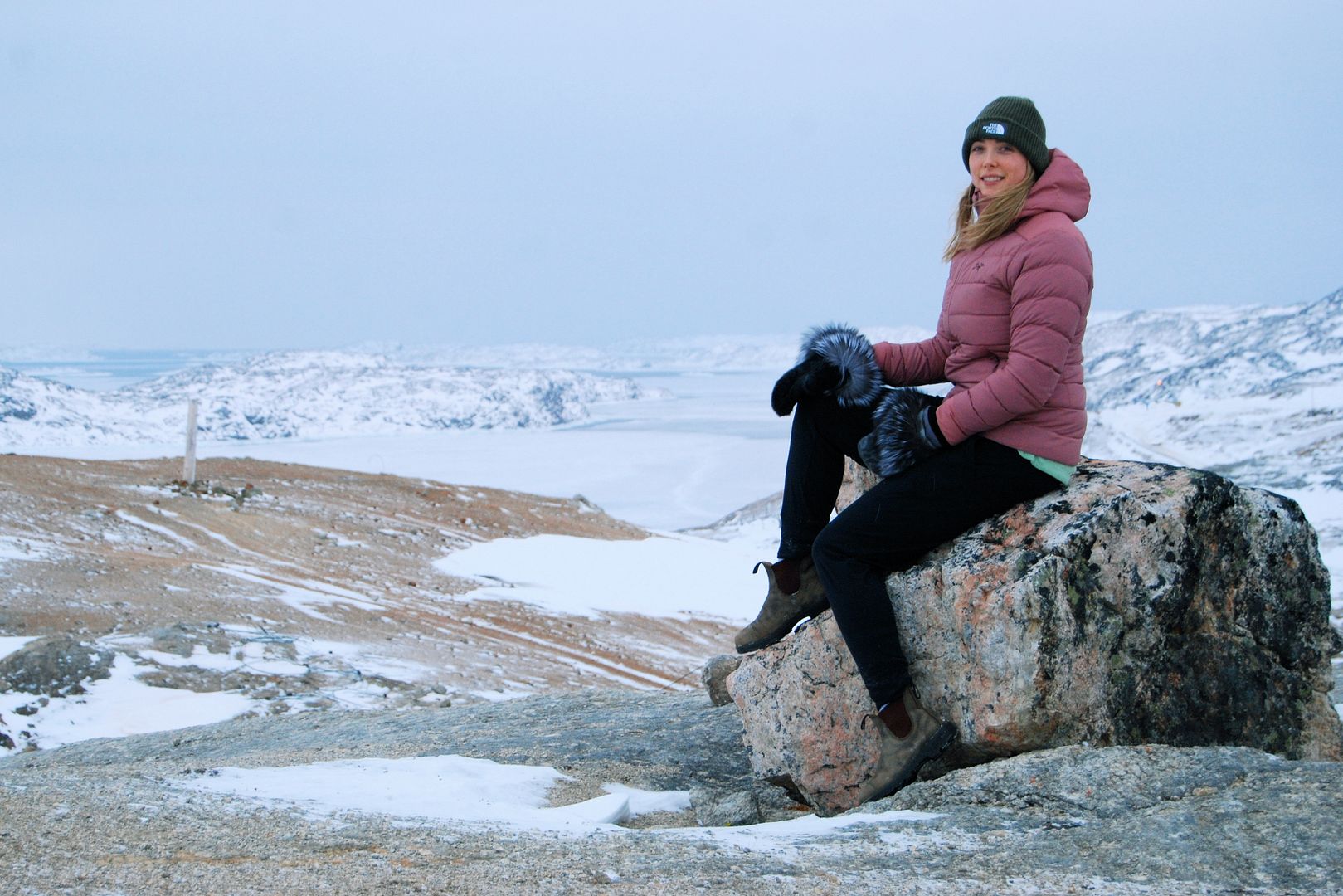
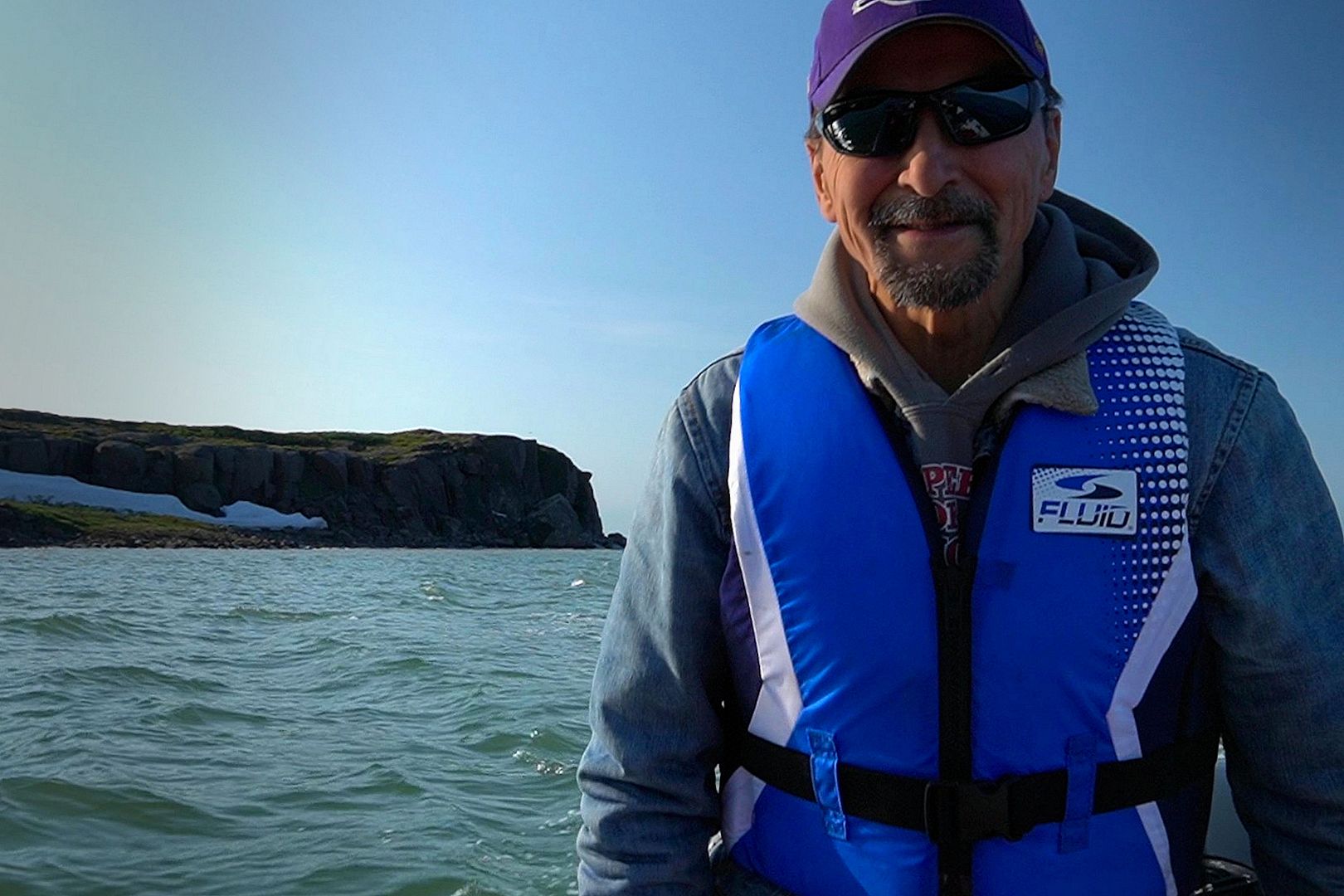
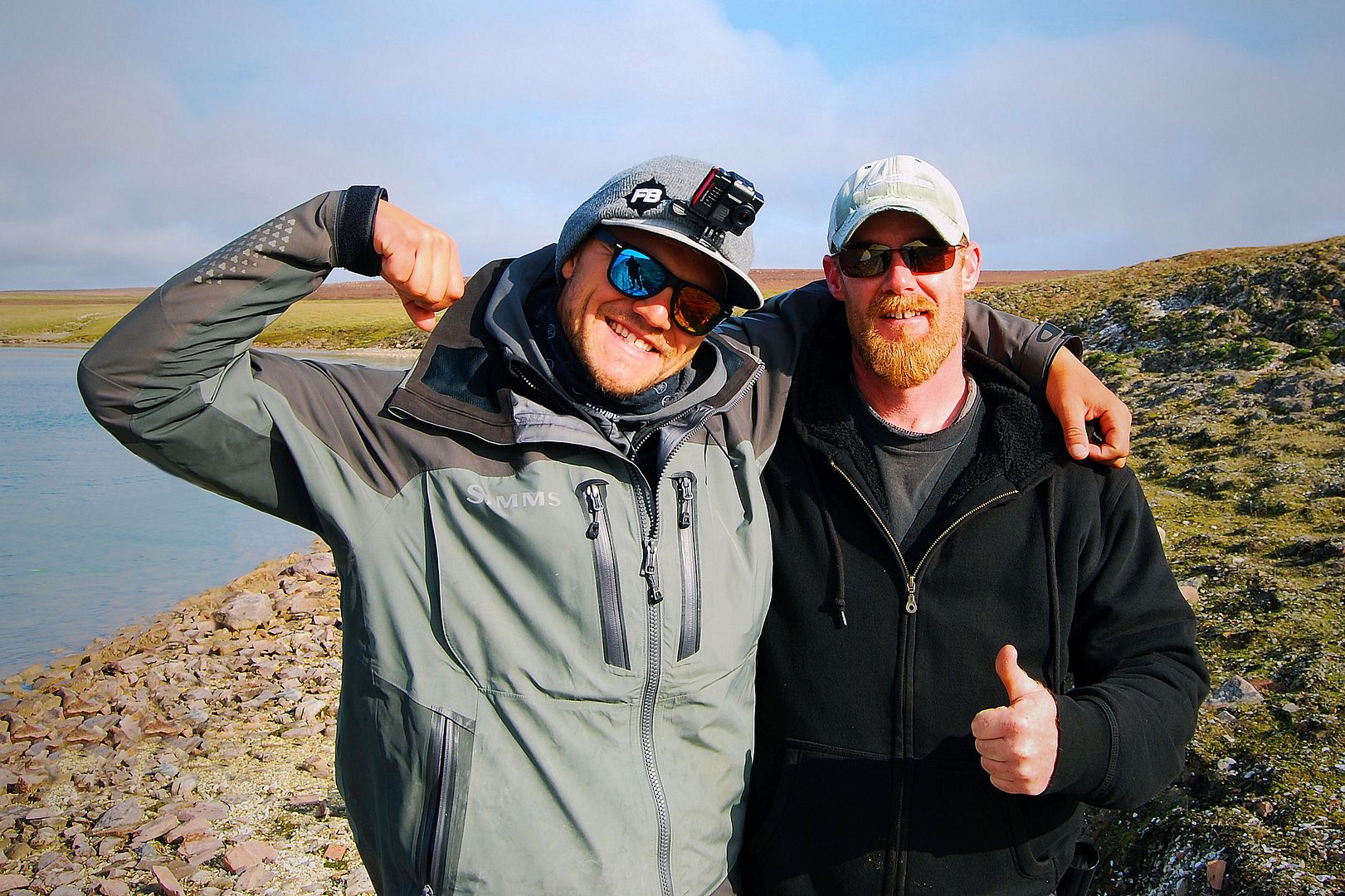
I like to think about some of those people and it’s good that a few of us can connect now and again through social media. Anke in Kimmirut, and Shayne it’s been a long while. Amon lives so far away in Grise, love that guy. Claude and Amy were fun in our moments up there too. Salt of the earth Jordan, Lauren and the boys are. Jennifer, Jennifer, Jennifer… yeah, there’s three of them from different parts and times. Mick, Cheryl, Elizabeth, Ryan, Wendy and Alex. Pictured below, Heidi, Brody, Amon, Bob, Christine, Maryna and Manion. Missing a few, there are many friendly acquaintances. We all never really have the big amounts of time but nonetheless, those passing through when they have or do take those moments, they become a good part of what the work life is, a pleasure. Travel Nursing opens you up to meeting people from many different walks of life, and communicating.
.
.
.
.
.
.
.
.
.
Wouldn’t do well in the Arctic if it were not for staying busy and having hobbies. The cold and dark months can eat away at ya if you let them. Away from home, from fun, comfort and convenience and instead, fully settled into my Bunk the Monk mode placed in some remote corner of the globe. It’s tough at times but I get through.
Vitamin D, magnesium, protein, a good diet and exercise are paramount. For years Bren has listened to me complain at home how terrible I feel each and every year. Honestly, after being away November to May I’ll come back and within six to eight weeks the weight will creep back up, the hours of sleep will be more, the guts will go bad, mood and energy down and joints will feel stiff. It’s difficult to break southern habits and one of those is diet. It’s taken many years of learning the hard way that bread, sugars and alcohol are hurting me. Before going back to work every fall after the months being at home, I’m almost always at my heaviest, popping PPI’s and anti-inflammatories like candy and, I’m a whiney little bitch. In the north, I’m still a whiney little bitch but always at my leanest, sharpest, most fit and energetic. Exercising 4 to 5 days a week for an hour and a half after work, splitting weights with cardio, it is so important to keep up with this lifestyle.
.
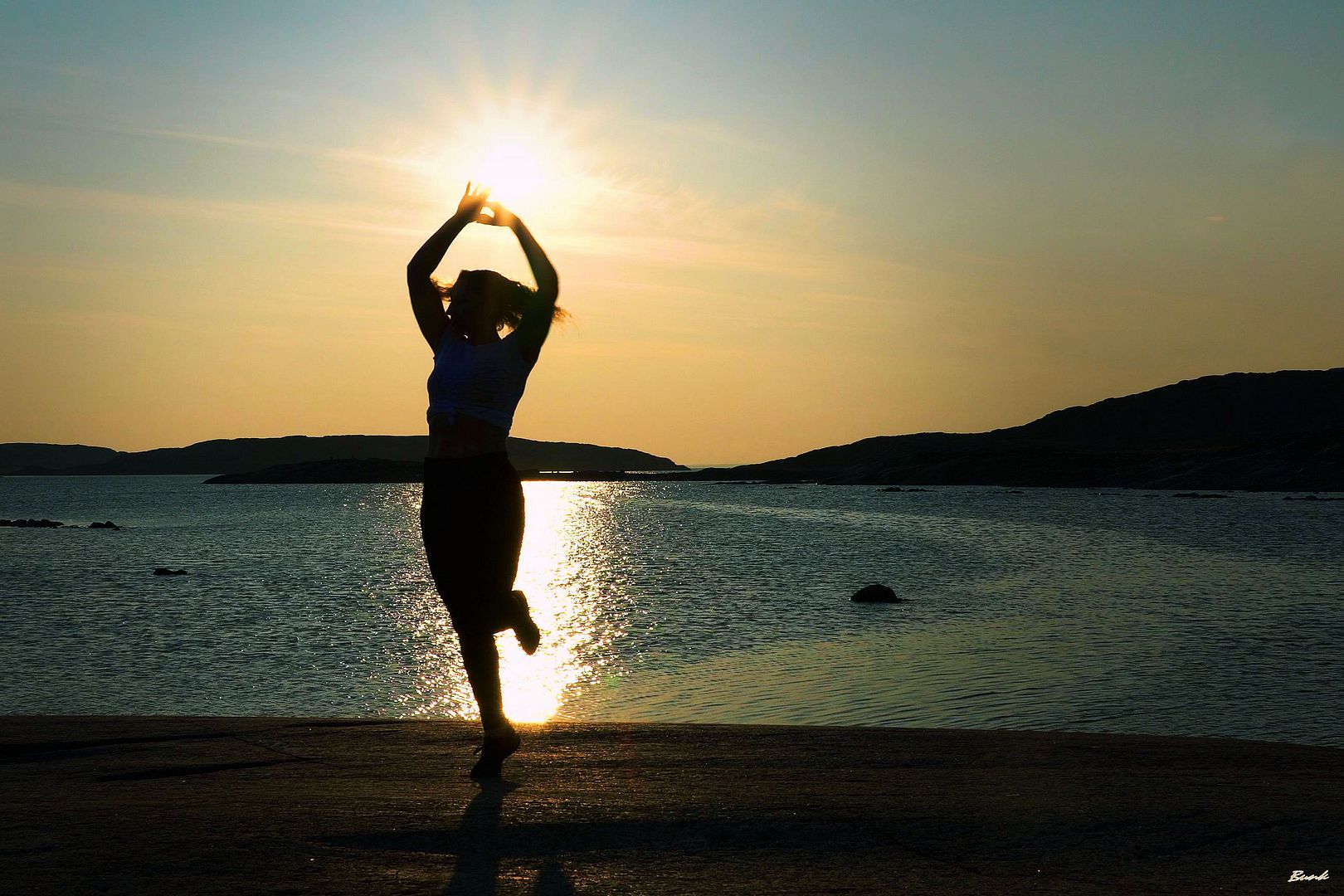
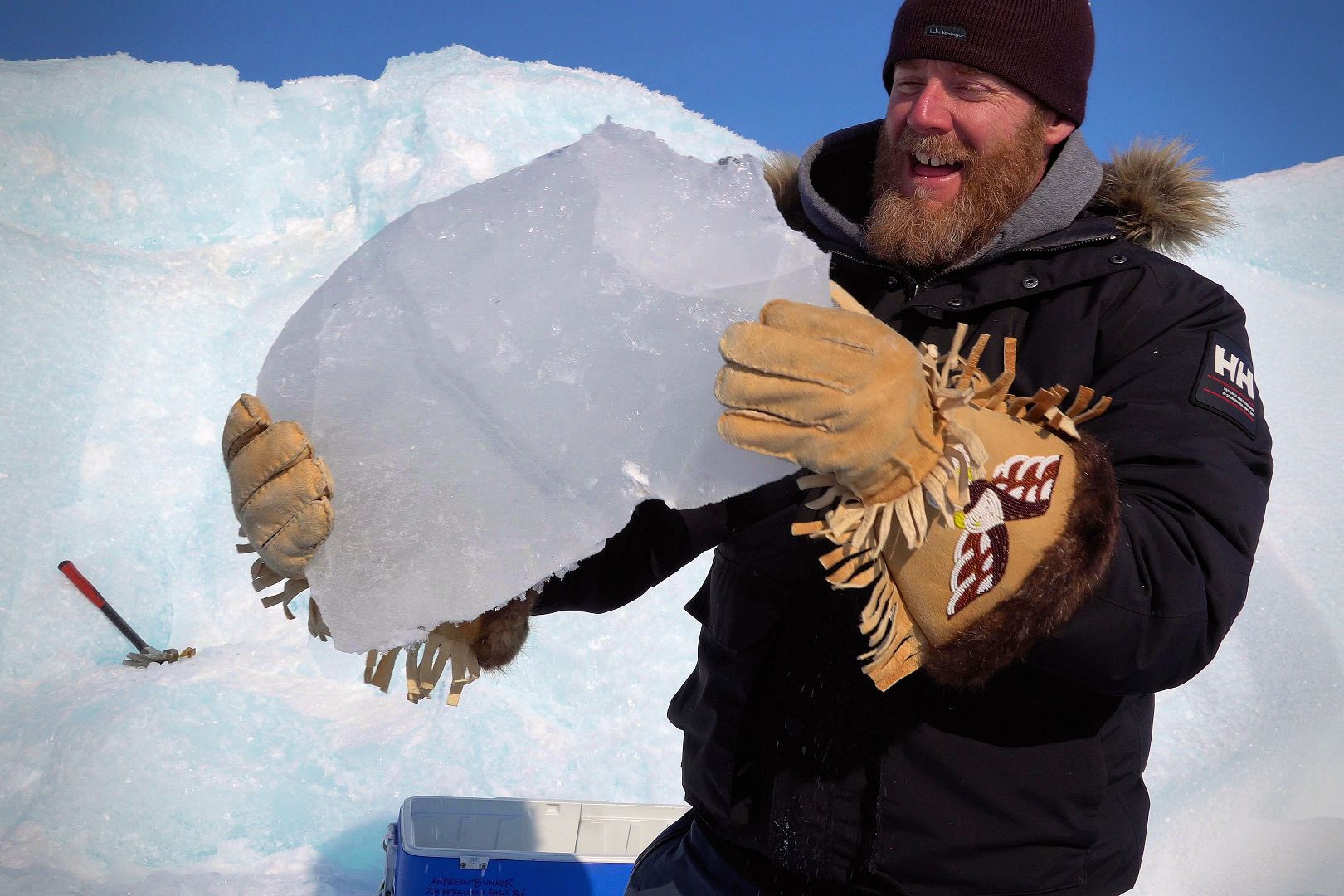
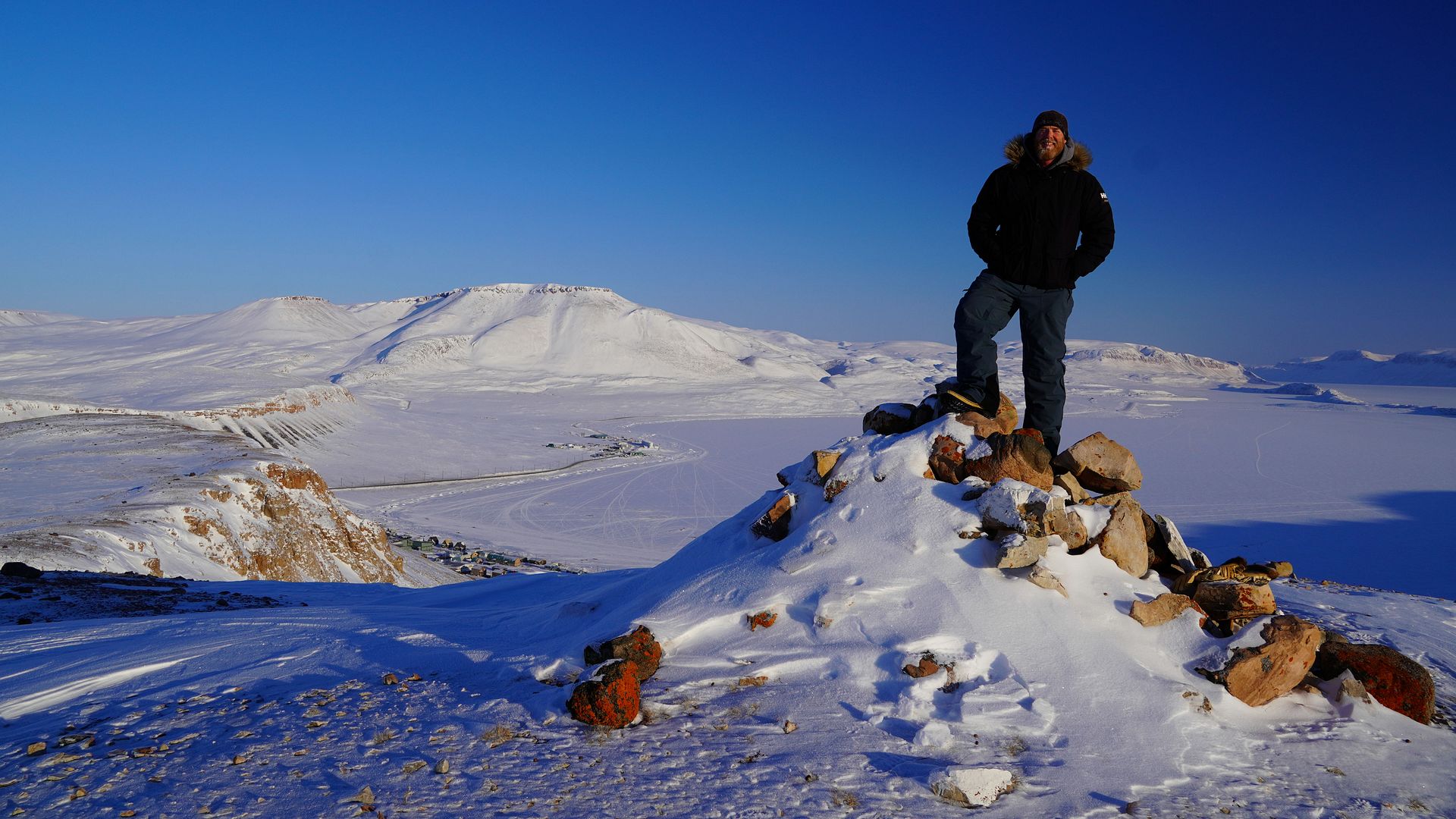
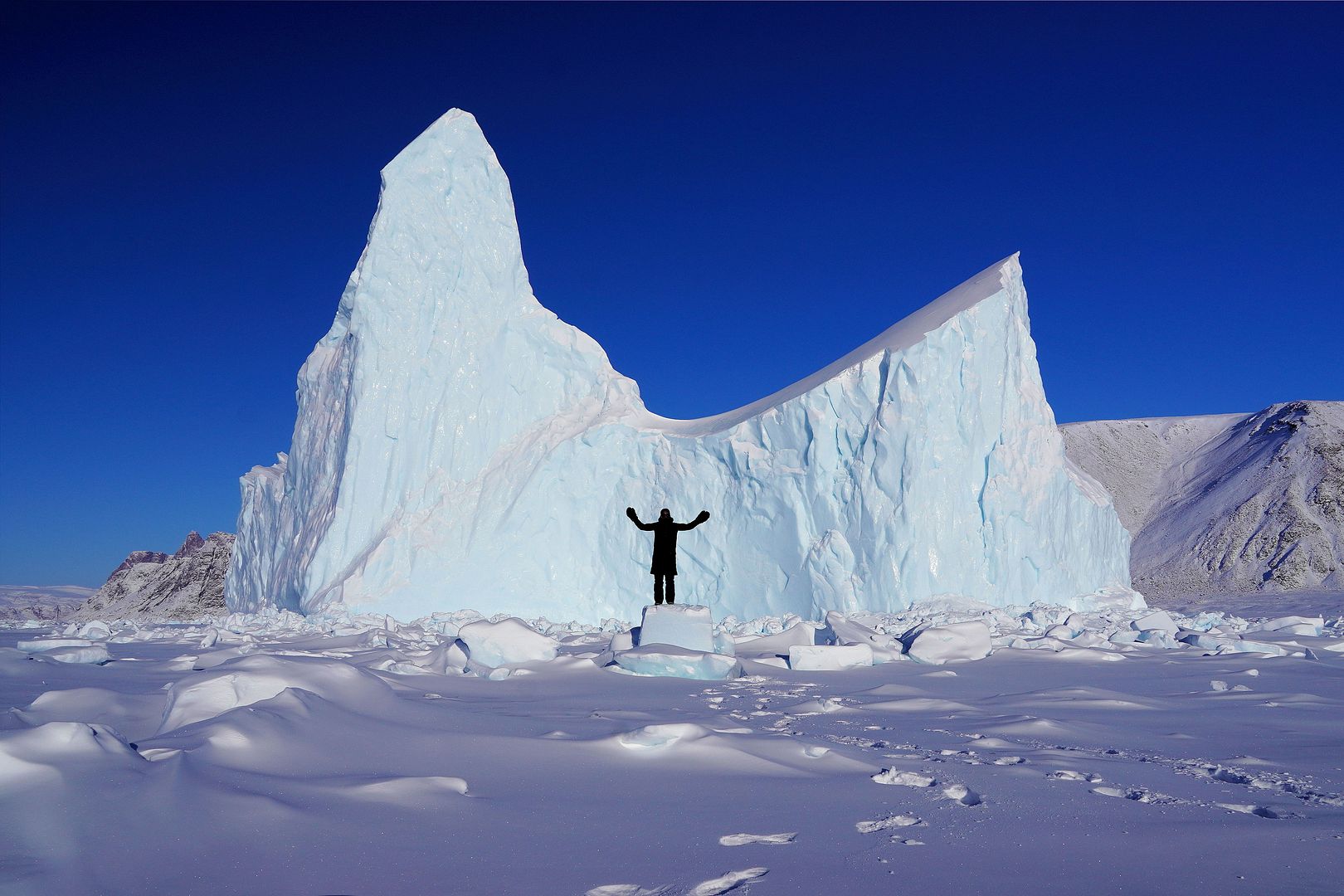
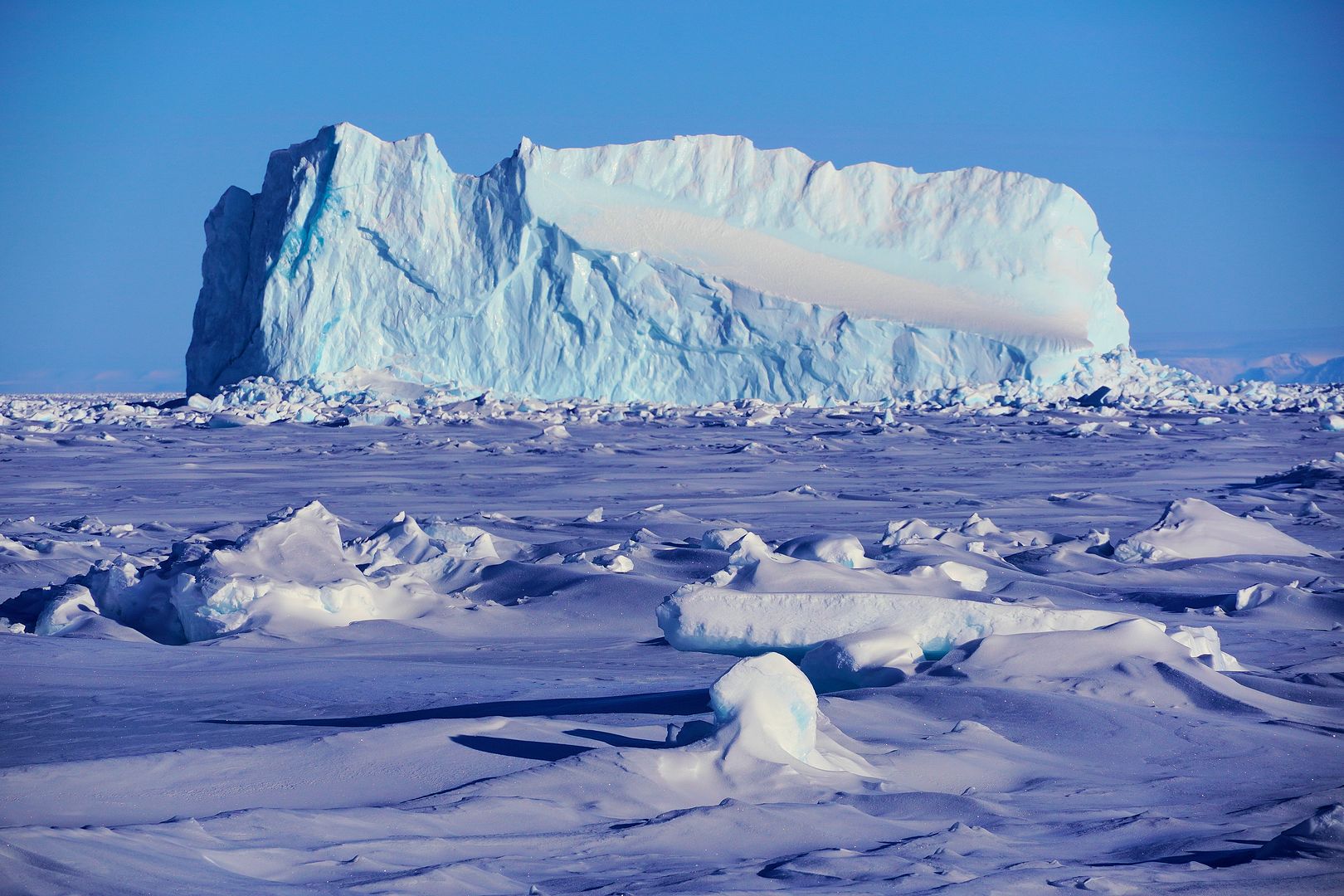
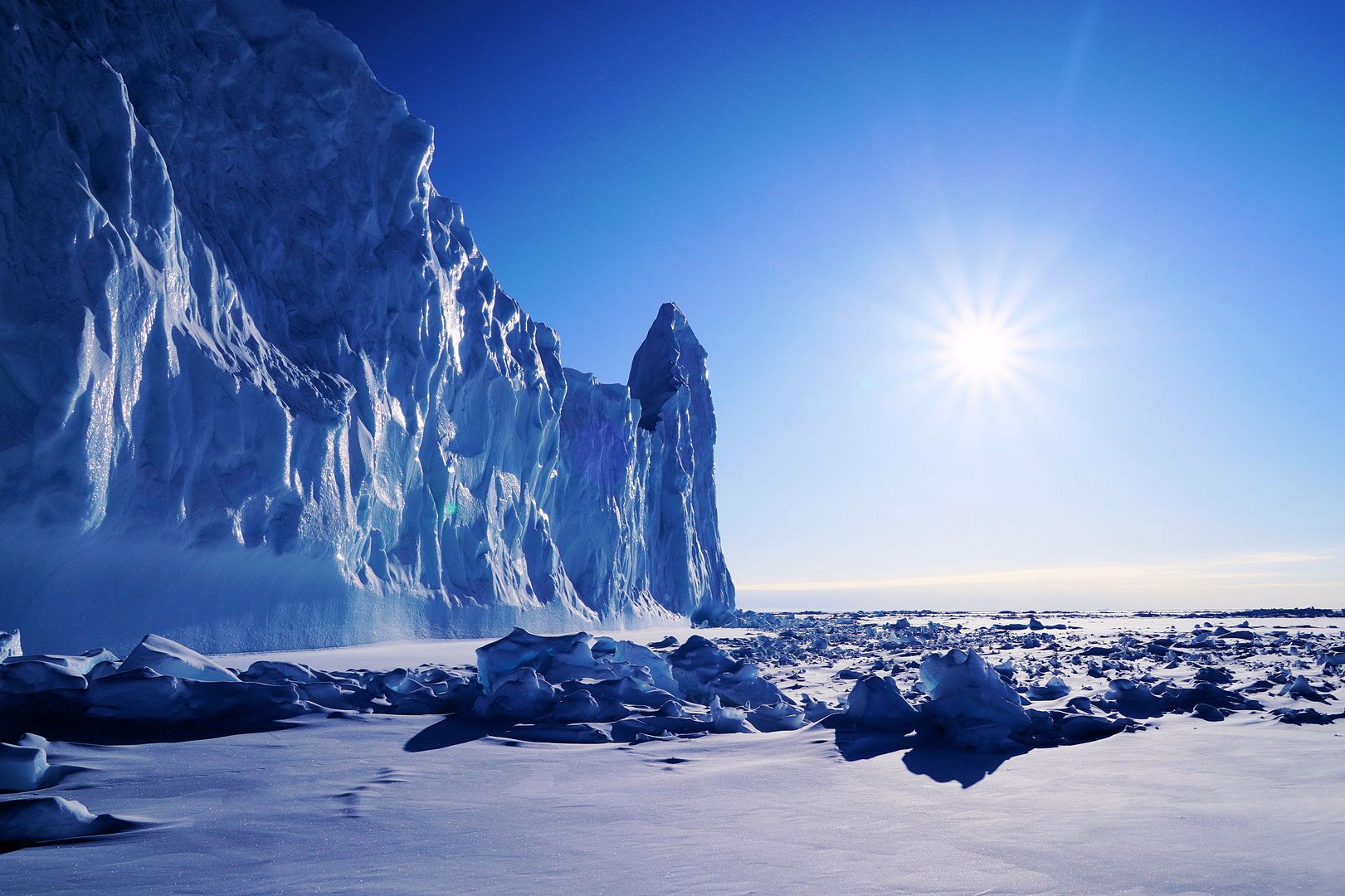
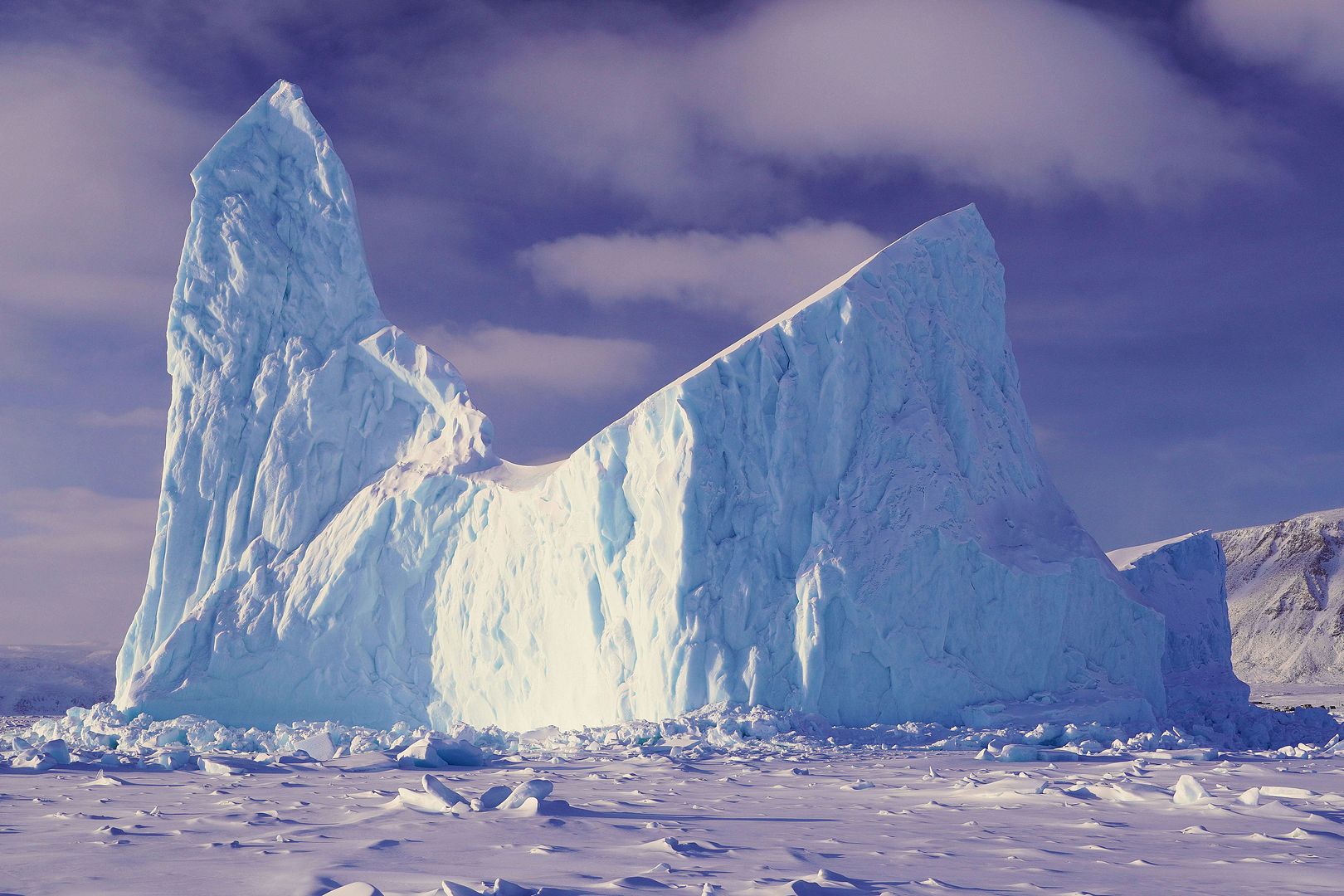
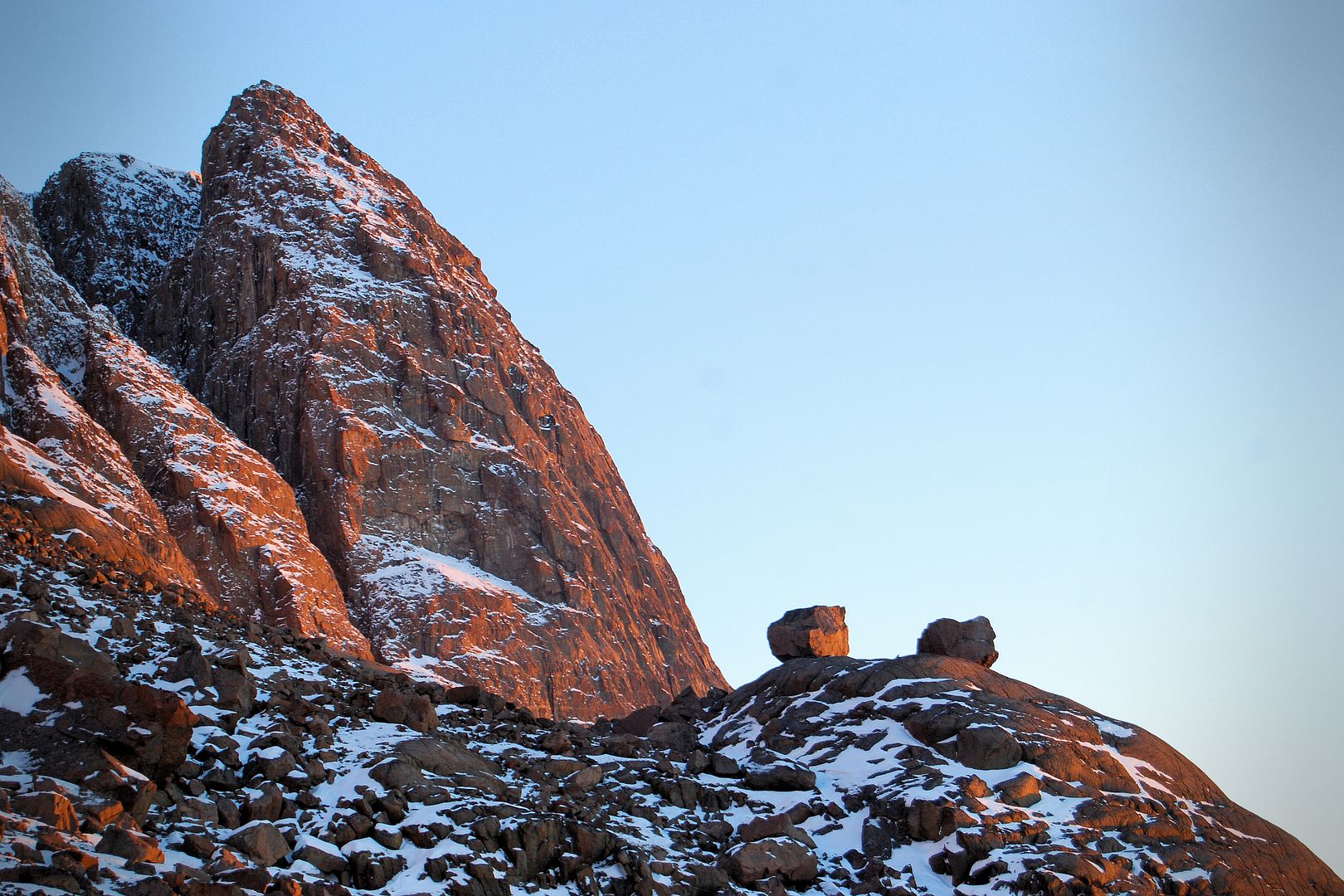
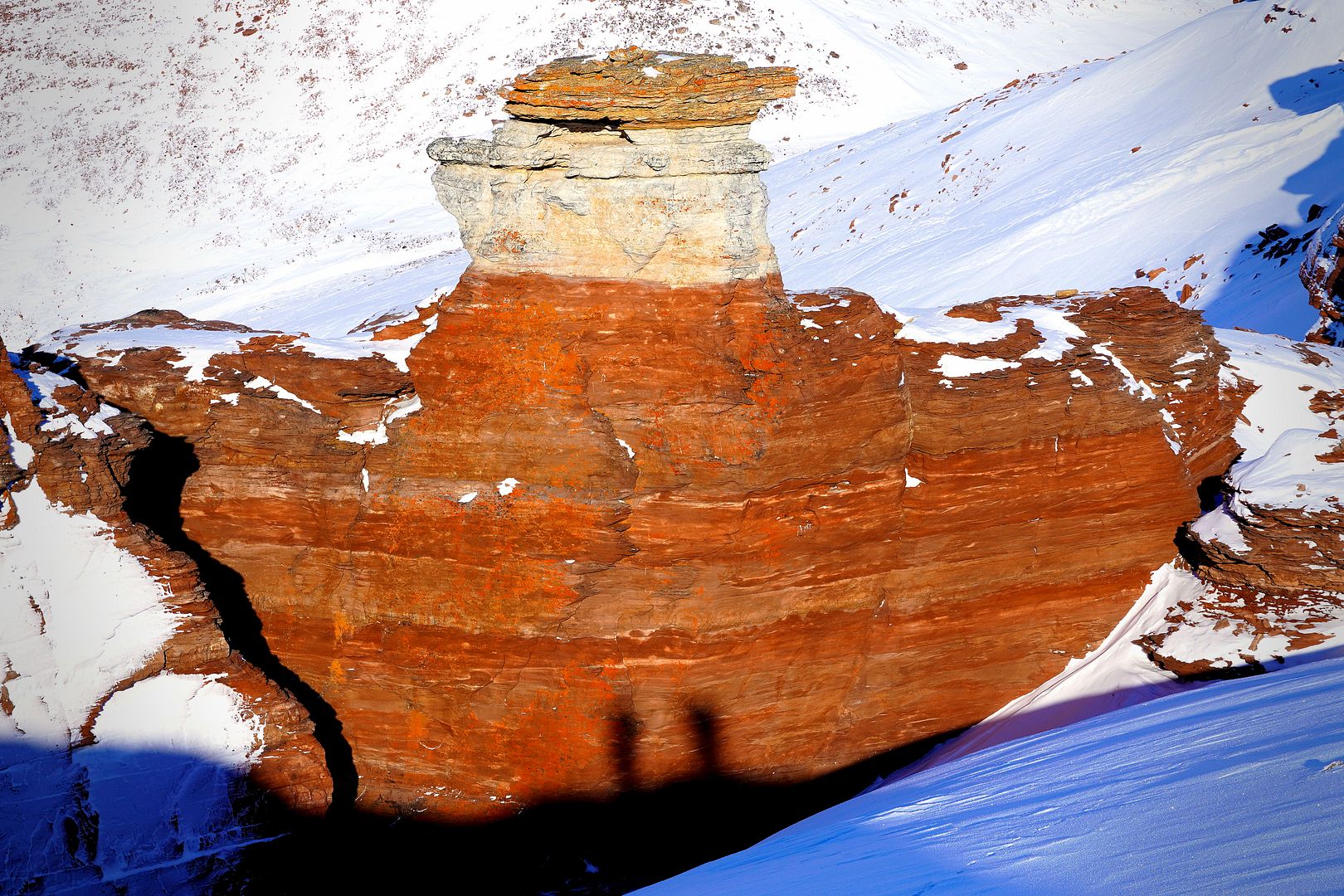
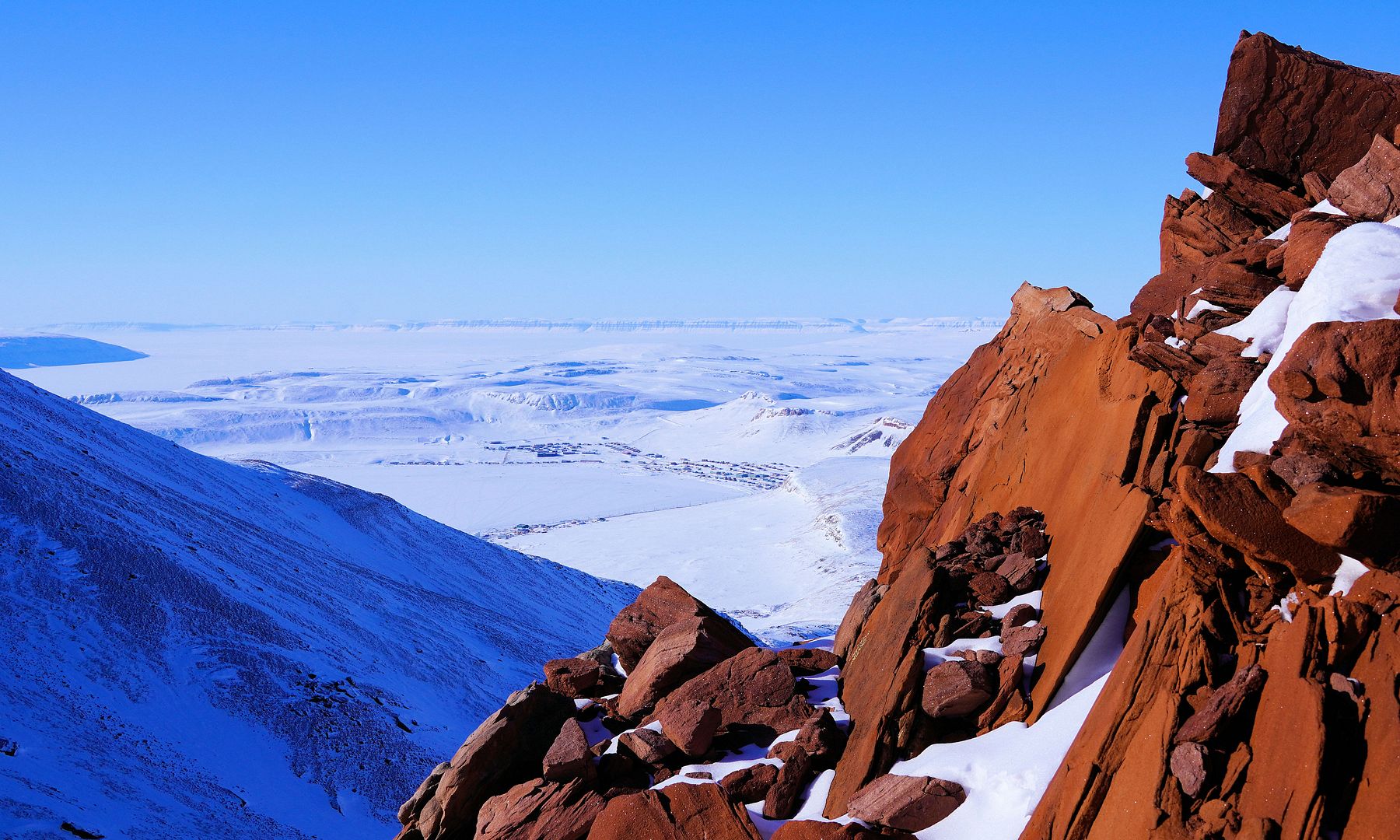
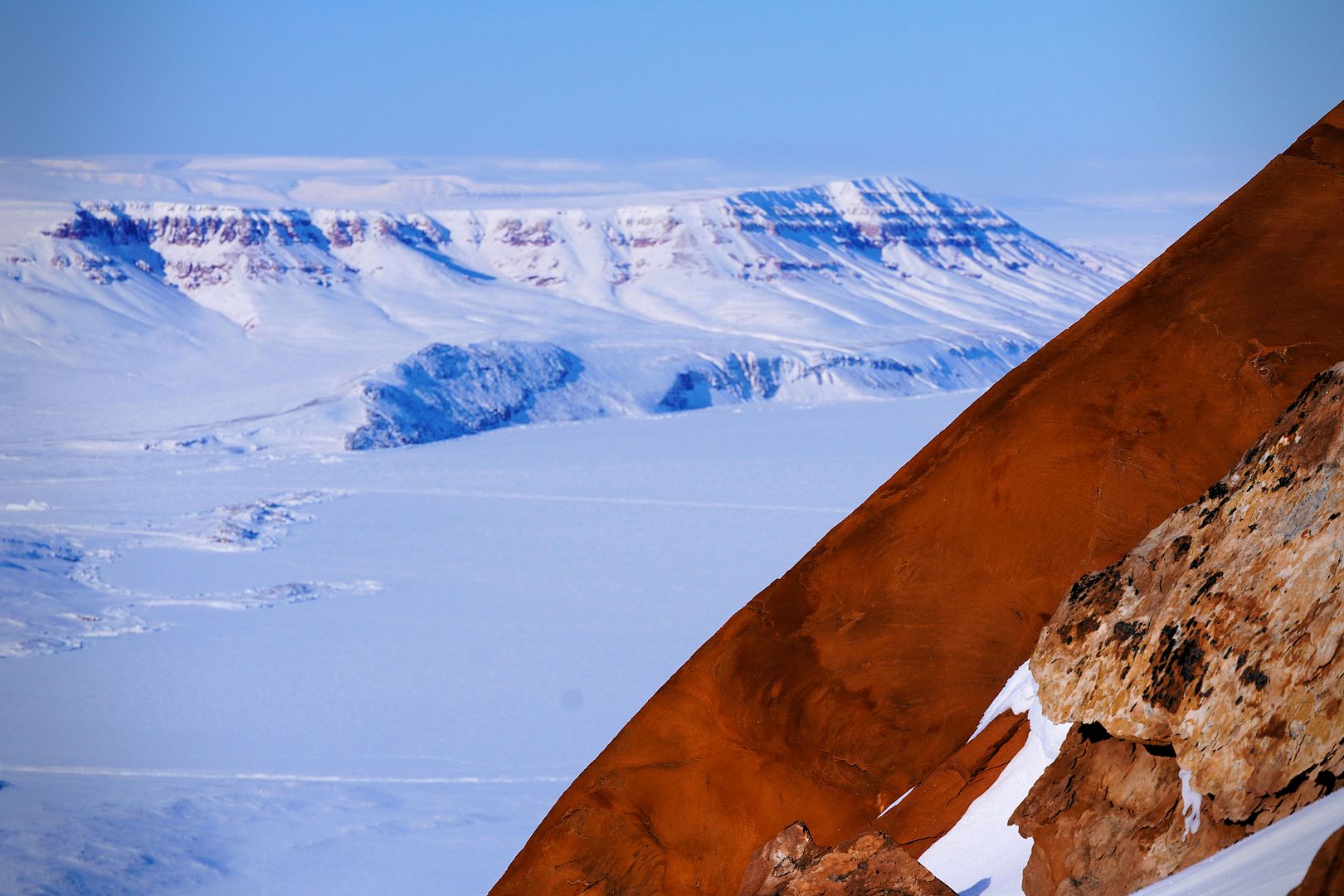
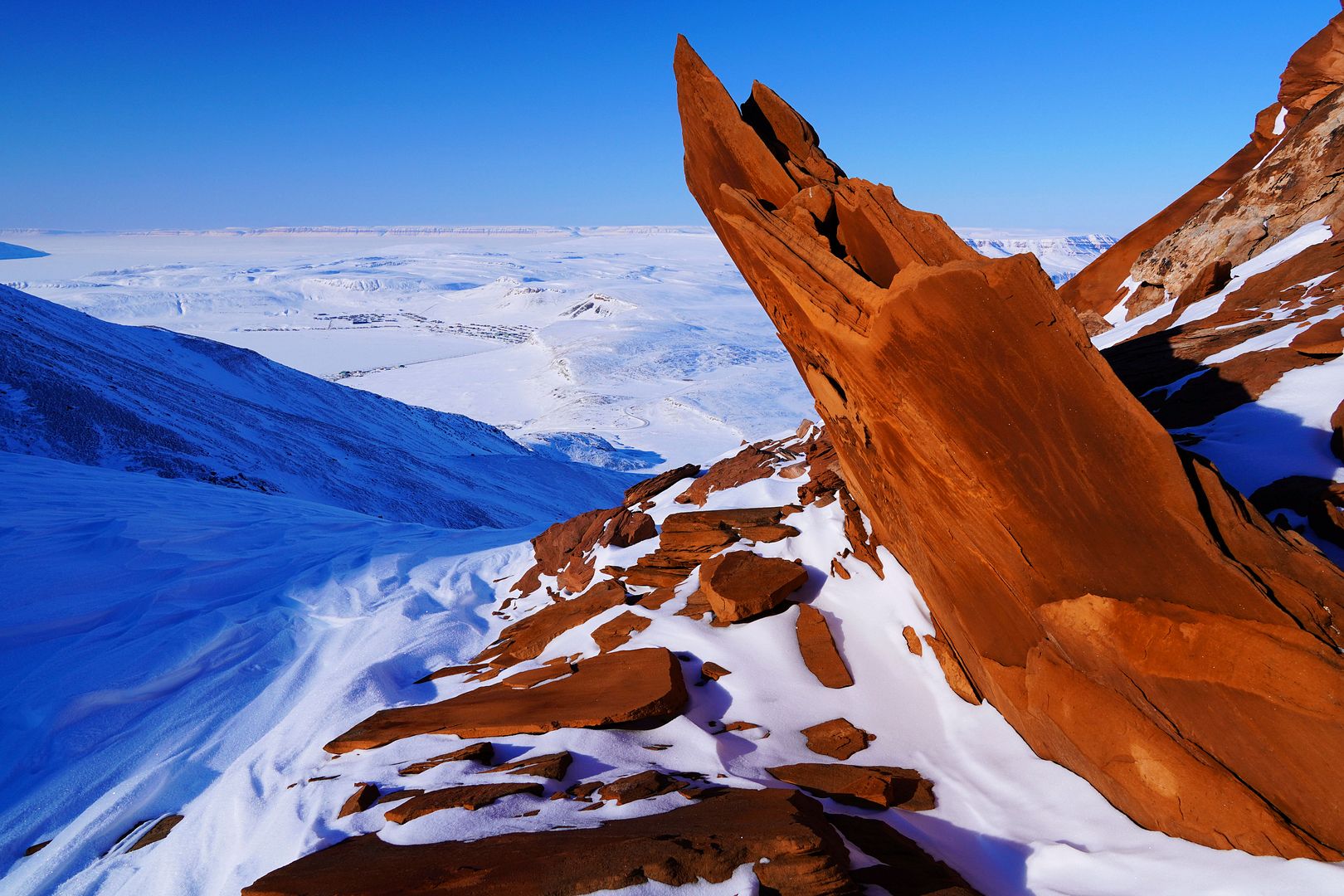
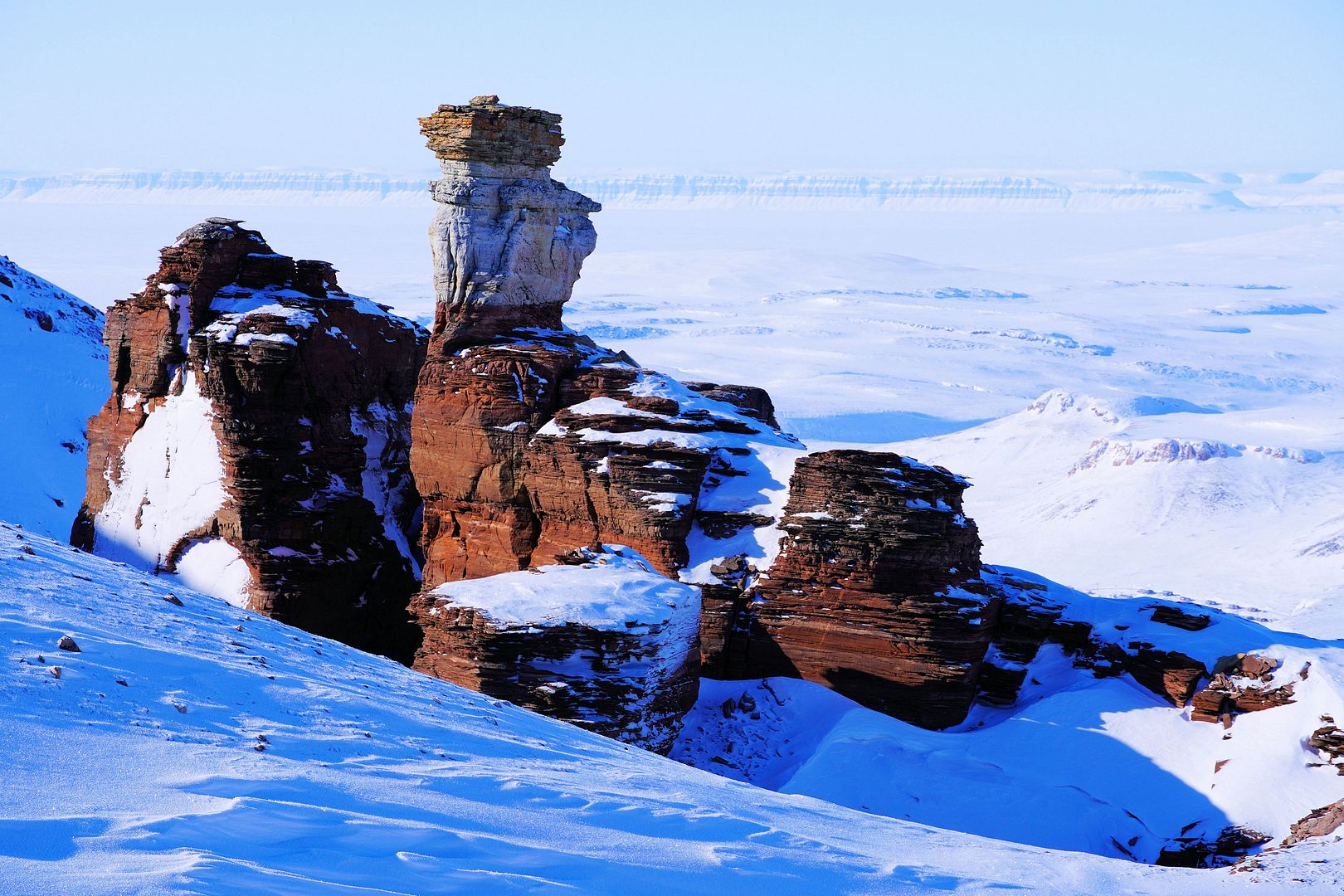
So to is fresh air and sunlight important. As cold as it can be, setting outdoor goals as often as possible really helps with mood. Sunrises and sets, mountain top views, icebergs, wildlife, fish, local life, these are examples of things to look for, photograph and archive. It’s a great hobby to have and so to is later writing about these such experiences on this website. Full days for idle can seem much more productive after making a post on here, such as the one you’re currently reading.
.
About the only other things I do to help pass the time in the north is over-prepare for life. Organize to the max. OCD maybe!!? I’ll plan out the trips, the entire calendar year, the moon phases, minors and majors for the fall muskie season. Sometimes I’ll know the camping trips ahead plus any summer work contract and I’ll months in advance type up the shopping and pack lists and have printed and ready for come time. Each little detail I can plan for, once fish brain takes over May to November and I get busy running and gunning all over Hells half acre, I then don’t have to worry as much if I’m forgetting something. It was already thought of and the paperwork is filed.
.
.
.
.
.
.
.
.
.
.
.
.
.

.
.
.
.
.
.
.
.
.
.
.
.
.
.
.
.
.
.
.
.
.
.
.
.
.
.
.
.
.
.
.
.
.
.
.
.
.
.
.
.
.
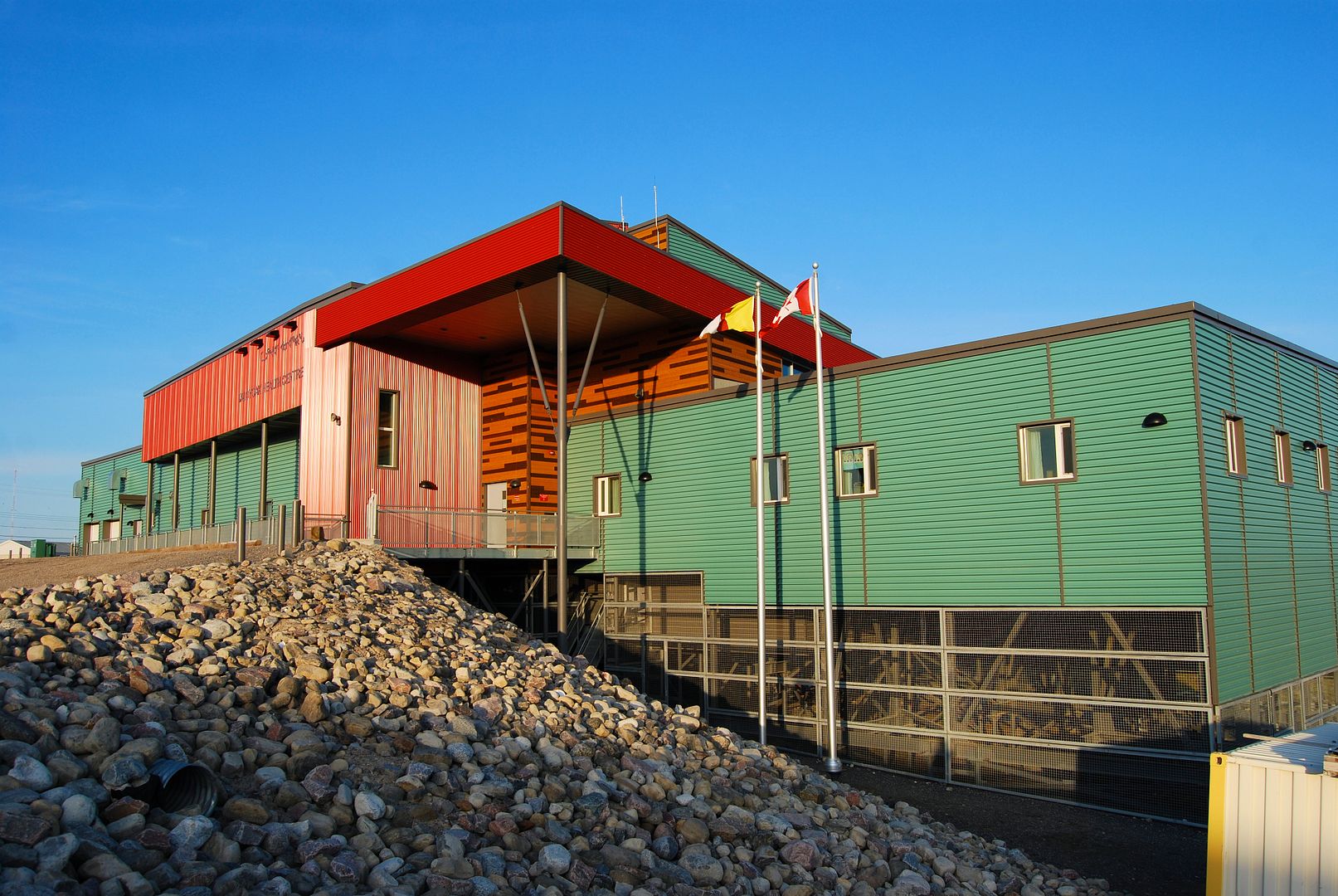
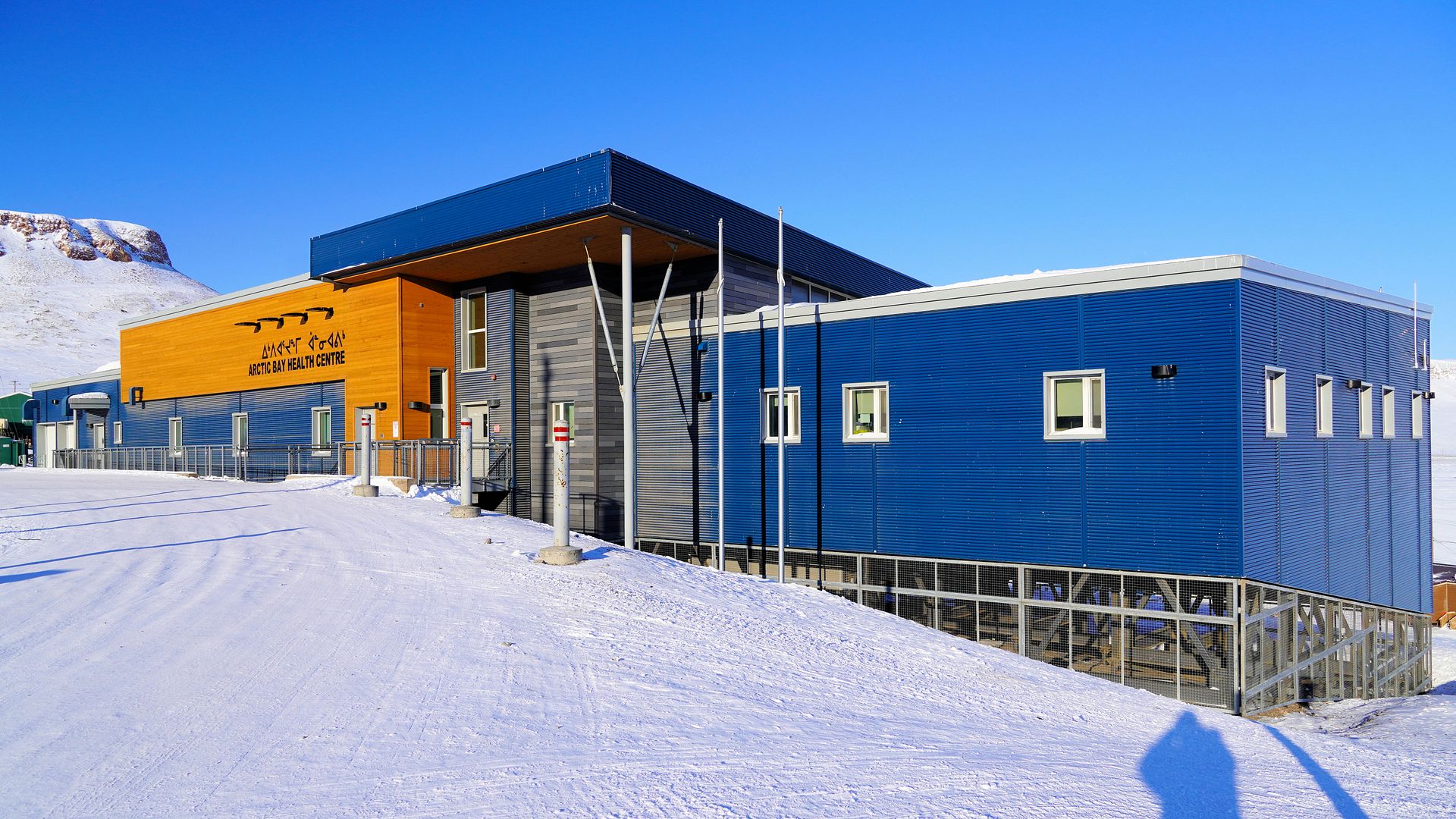
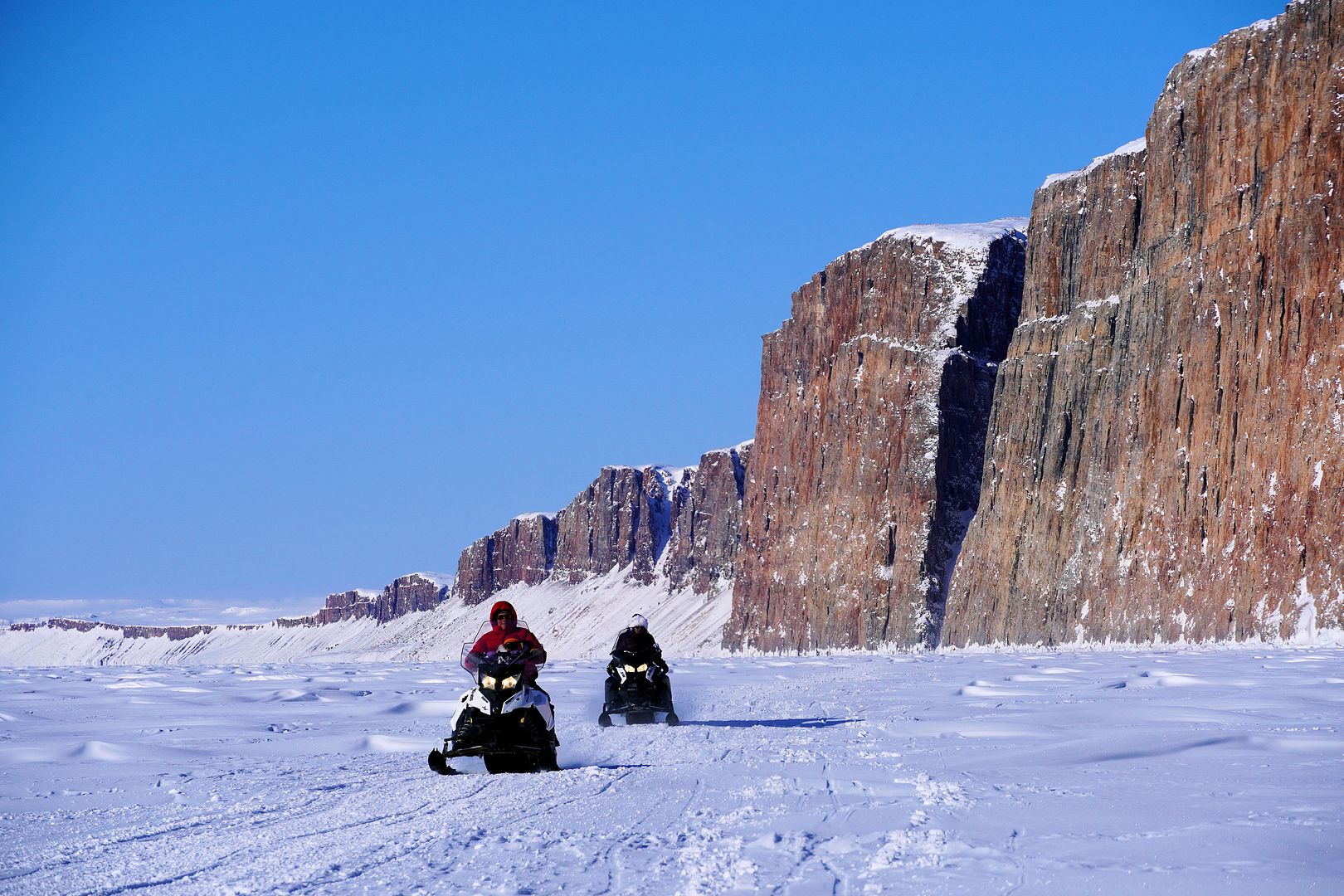
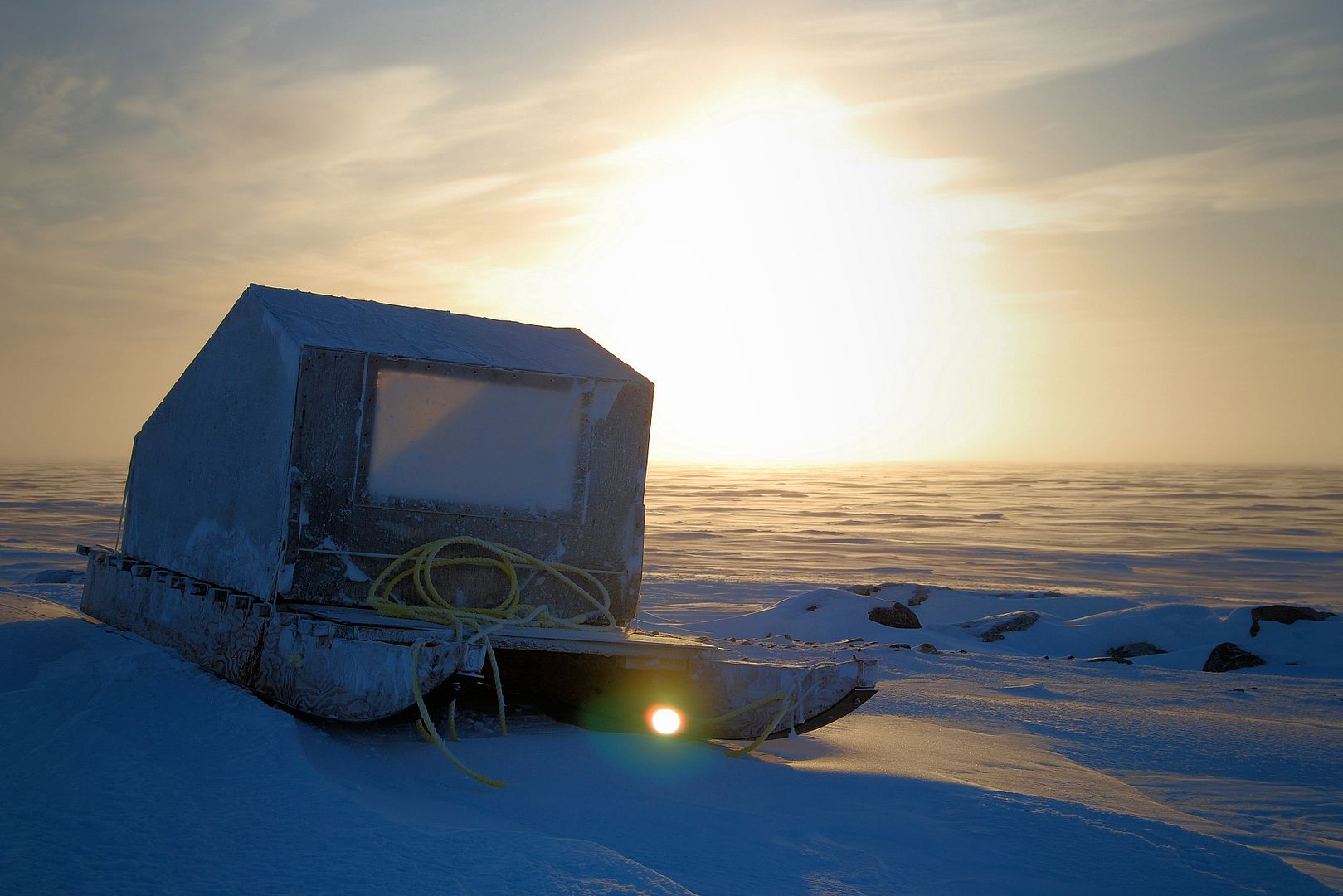
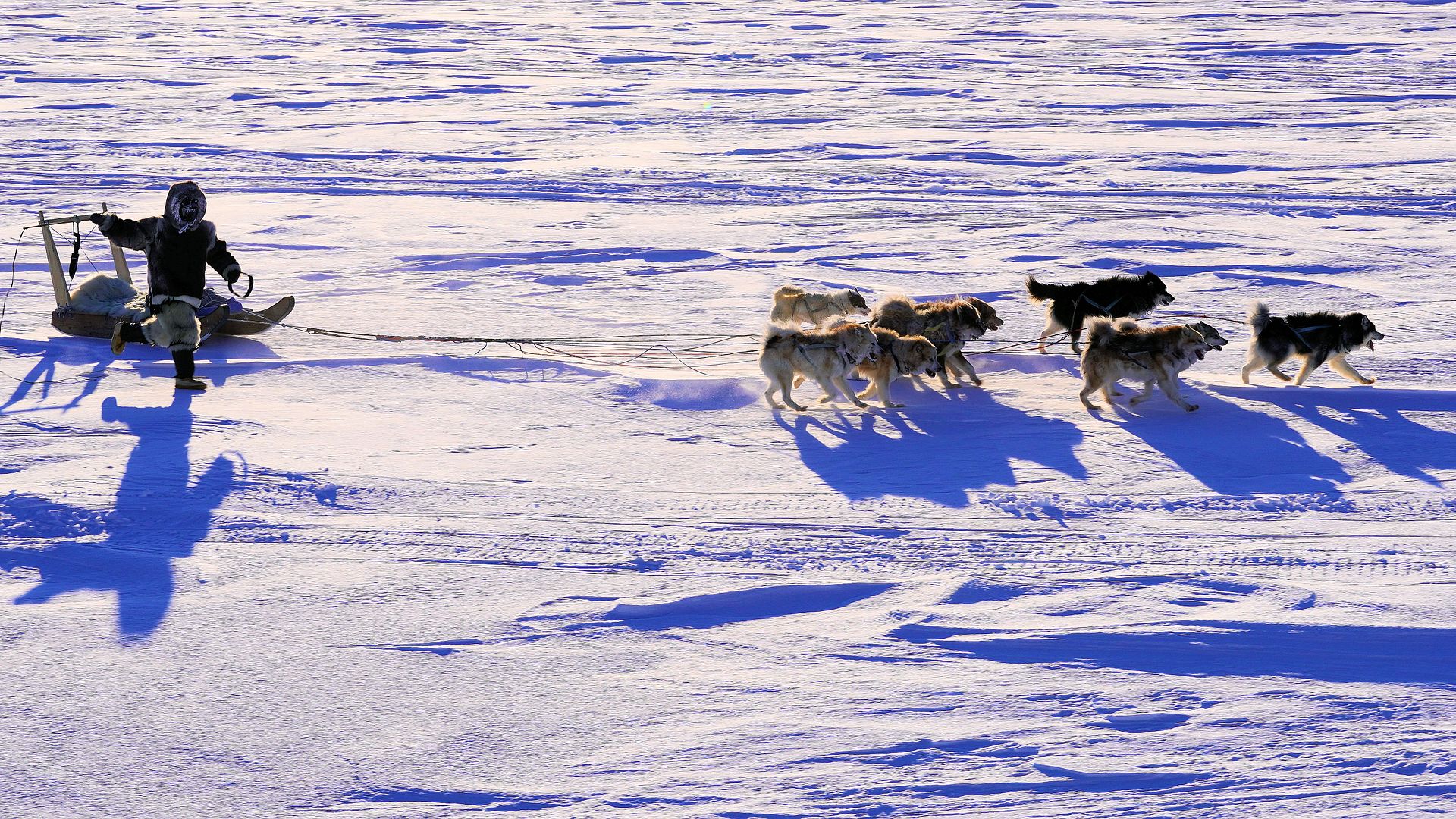
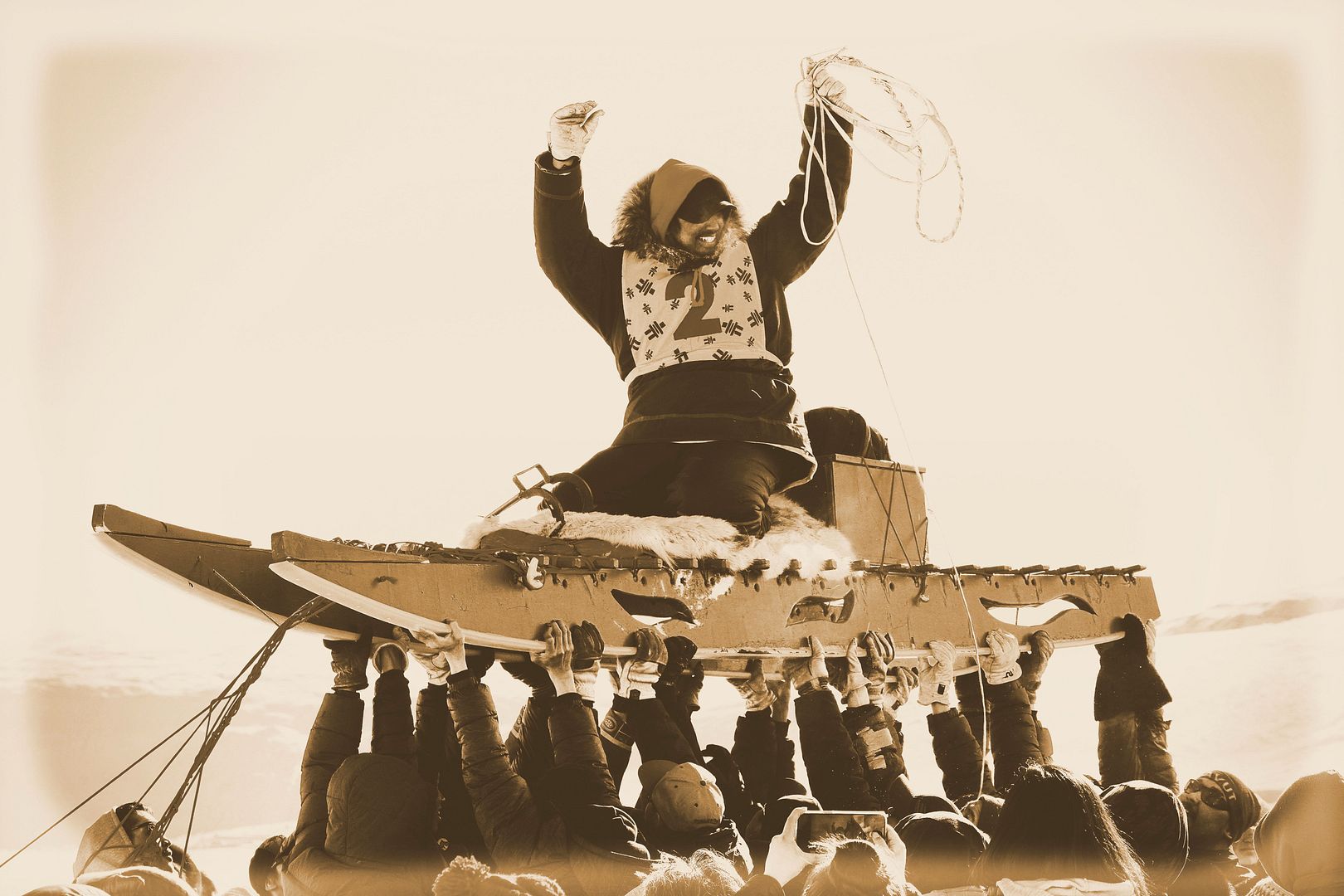
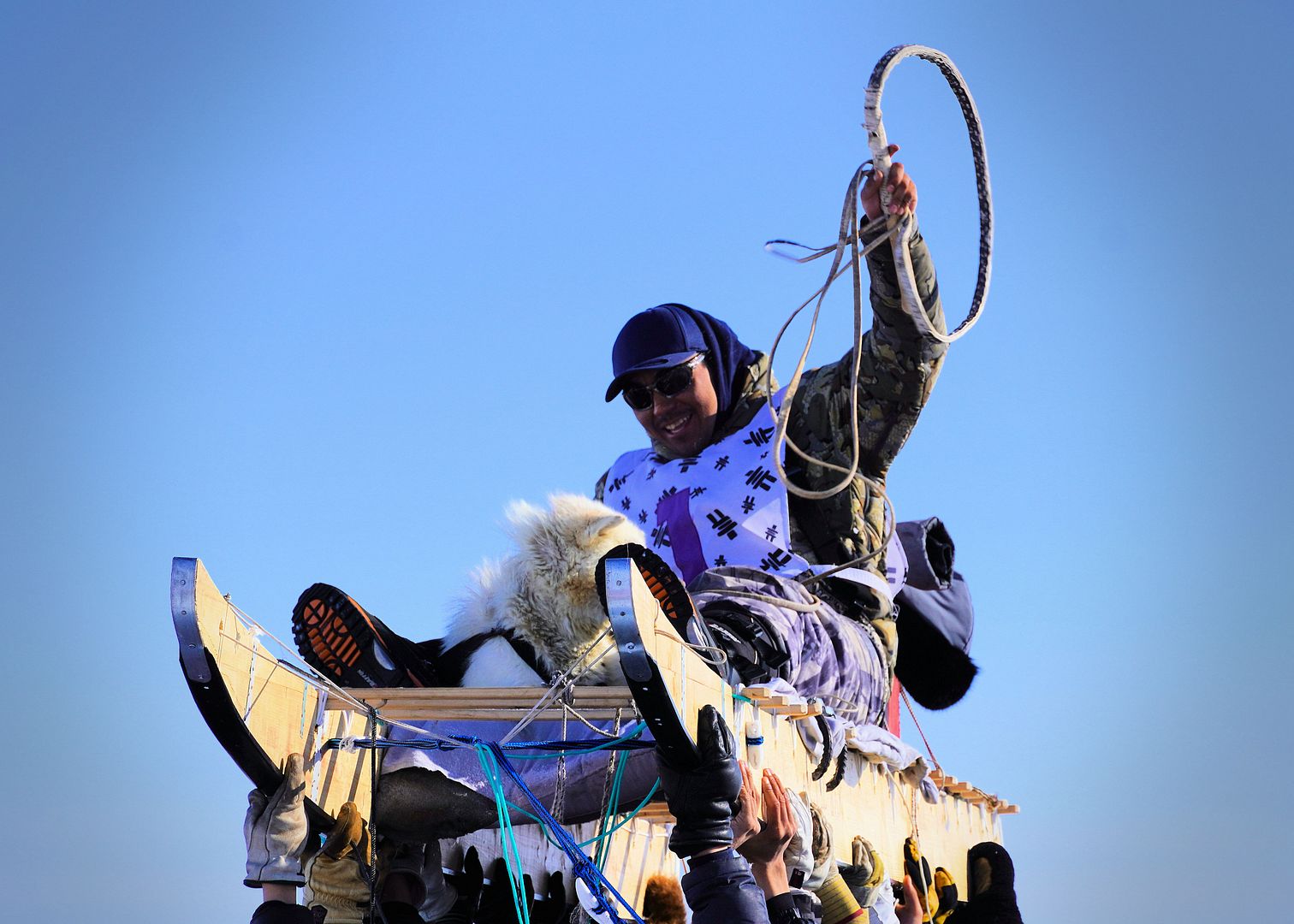
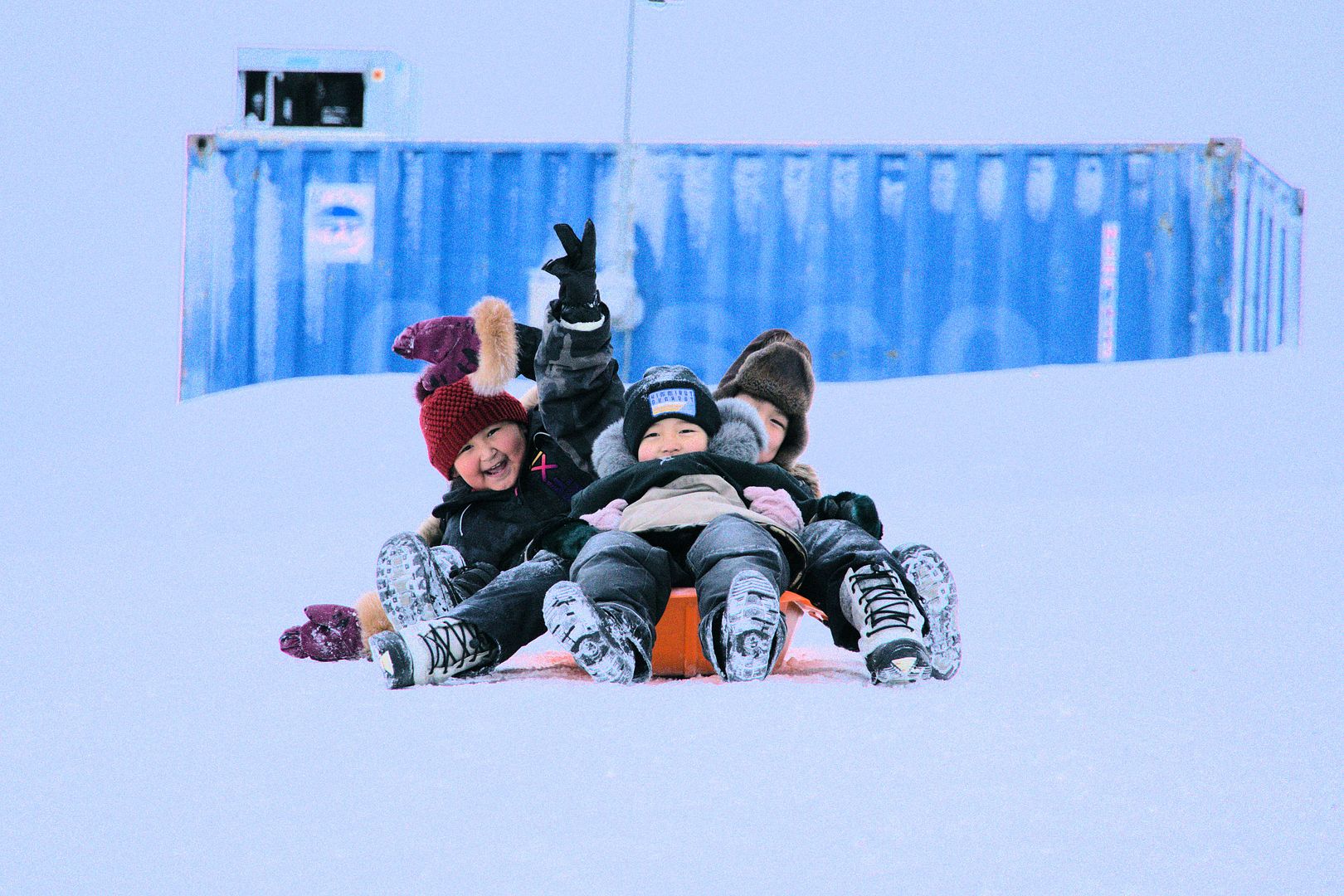
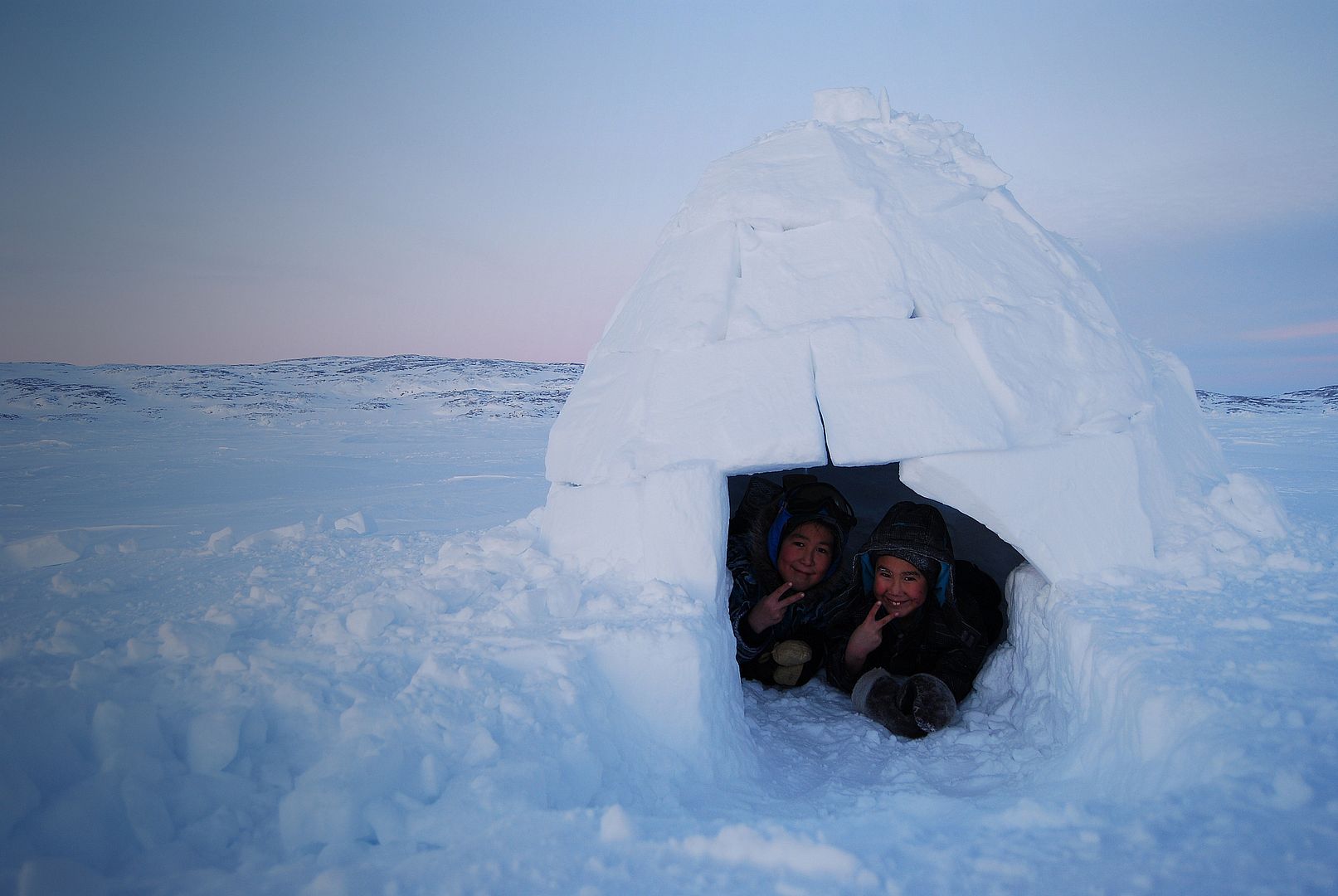
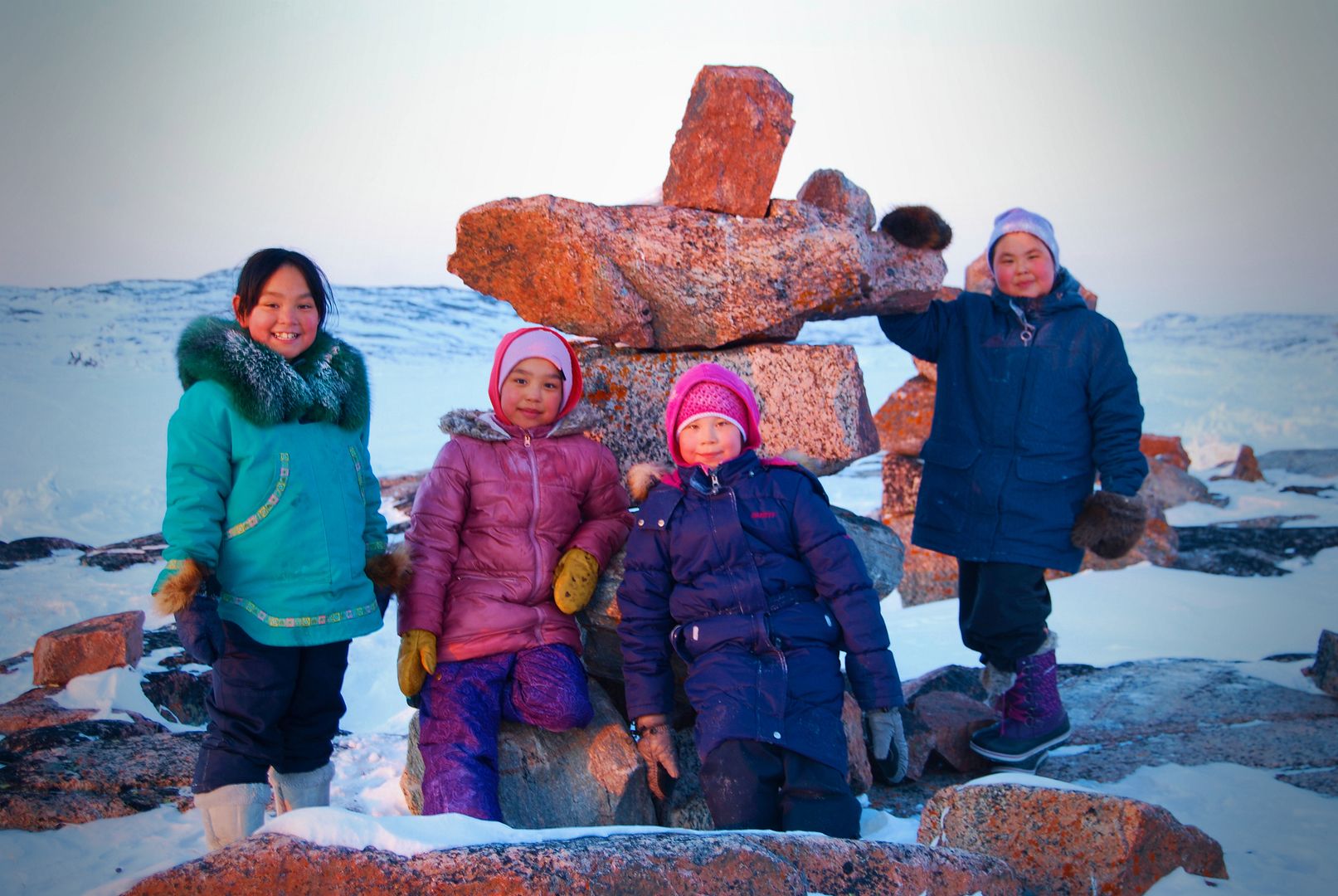
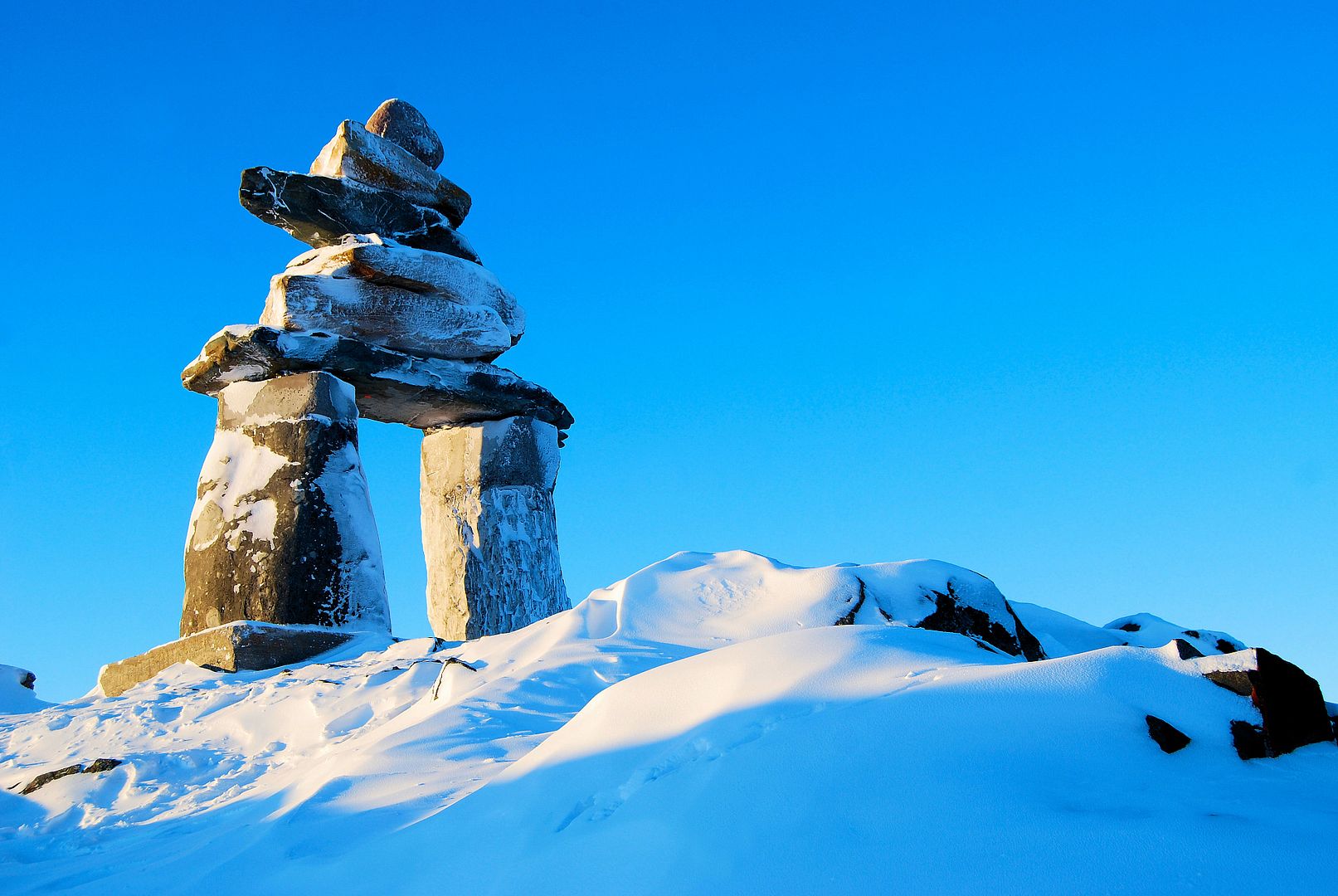
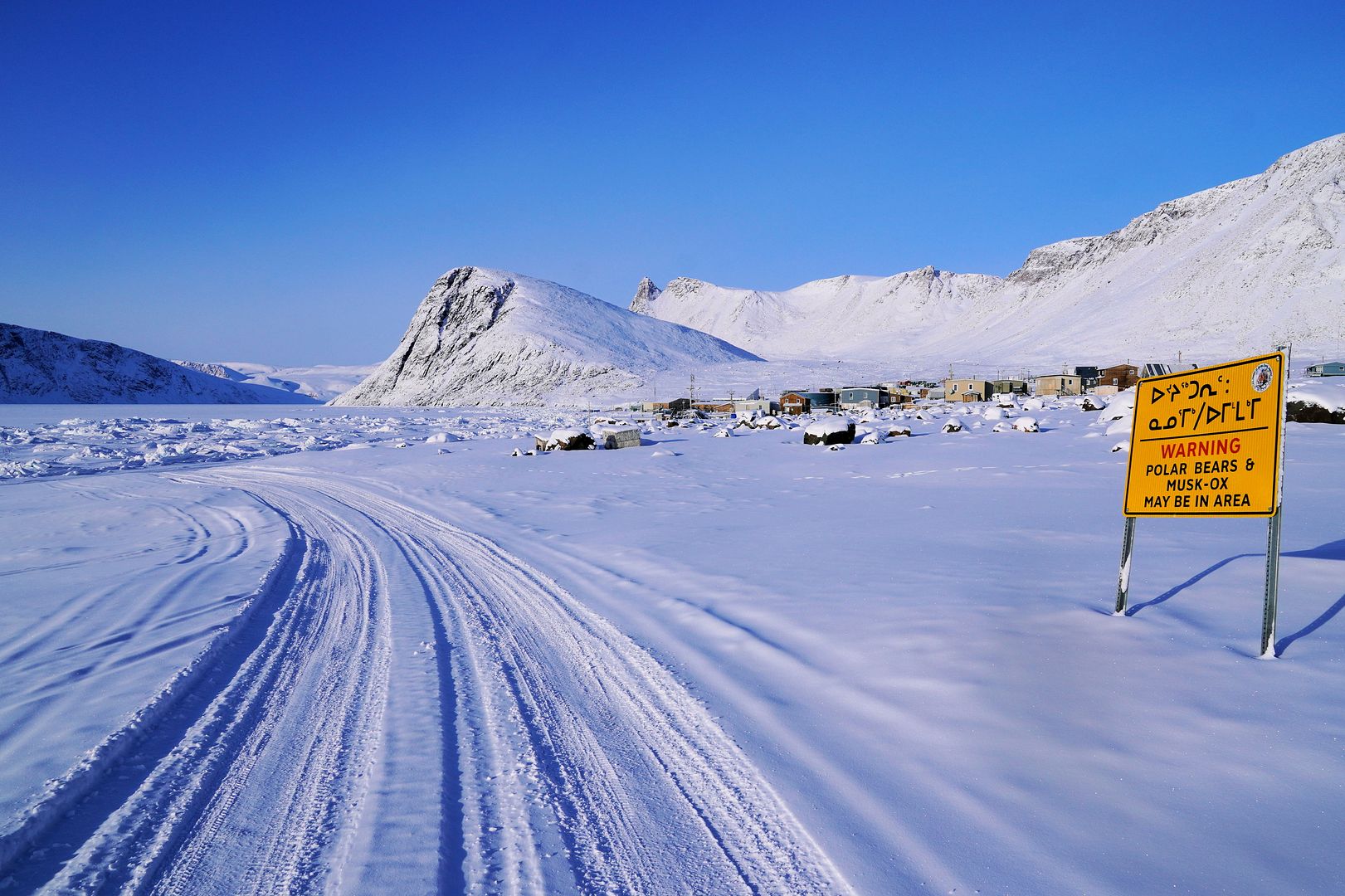
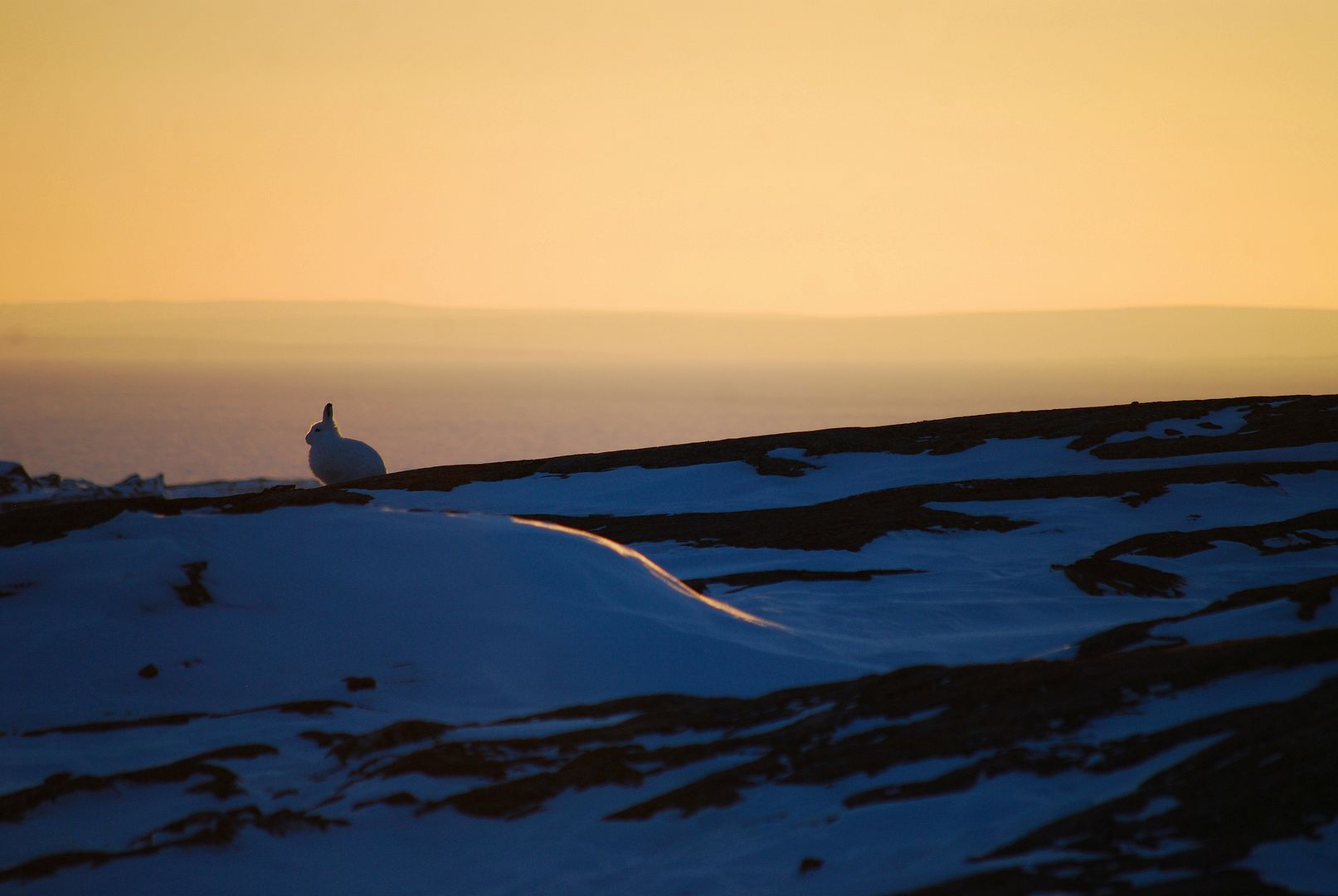
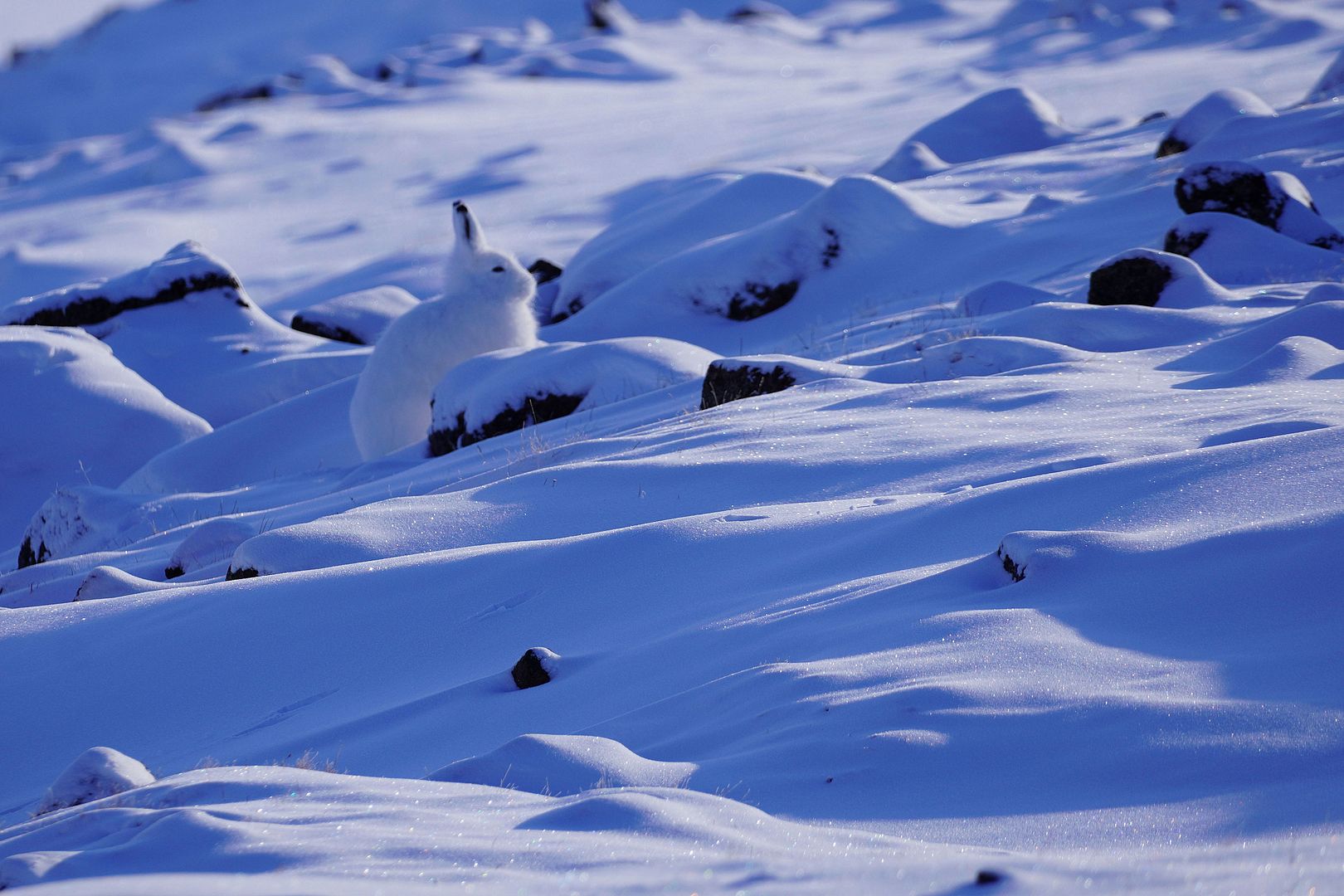
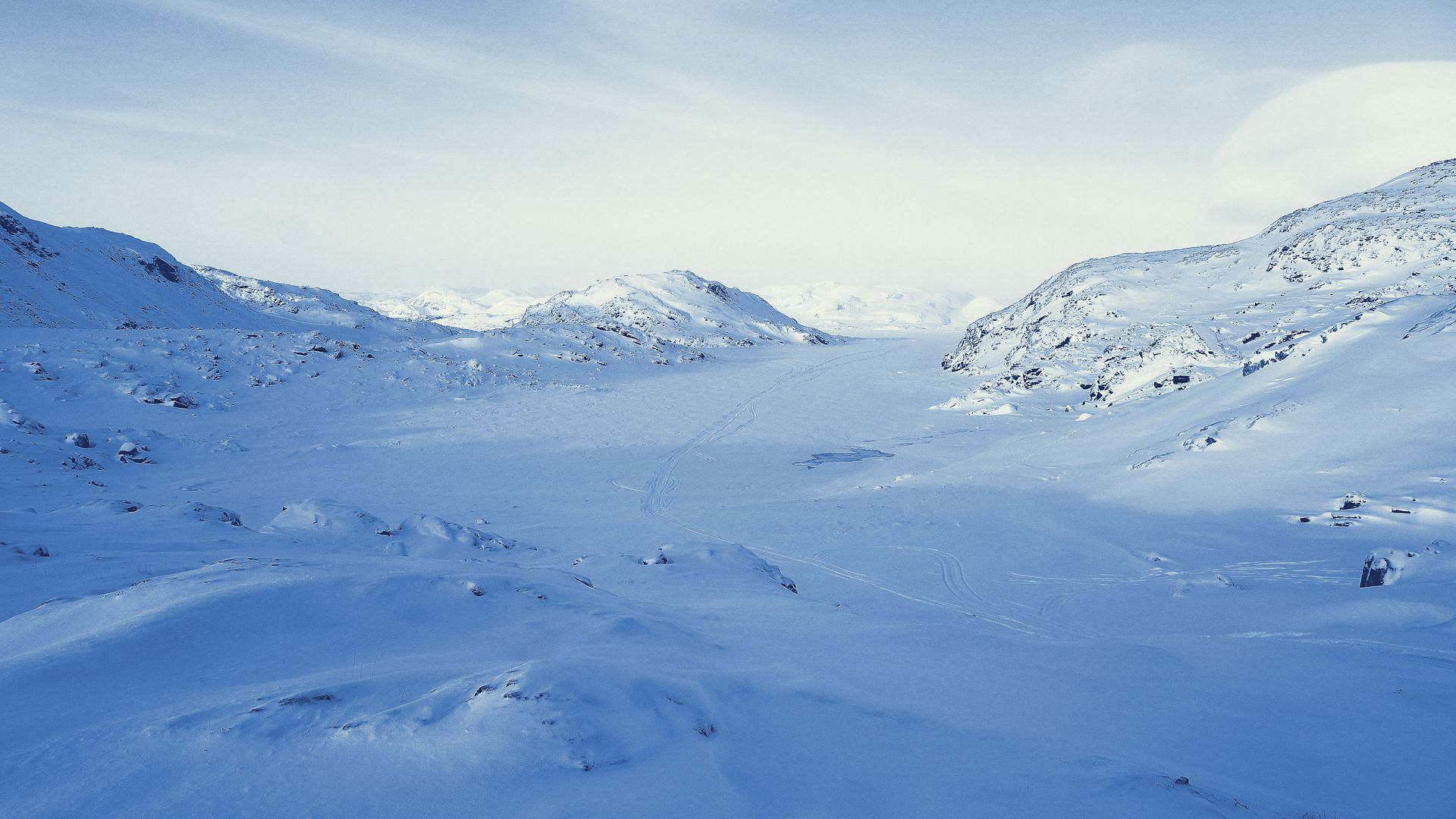
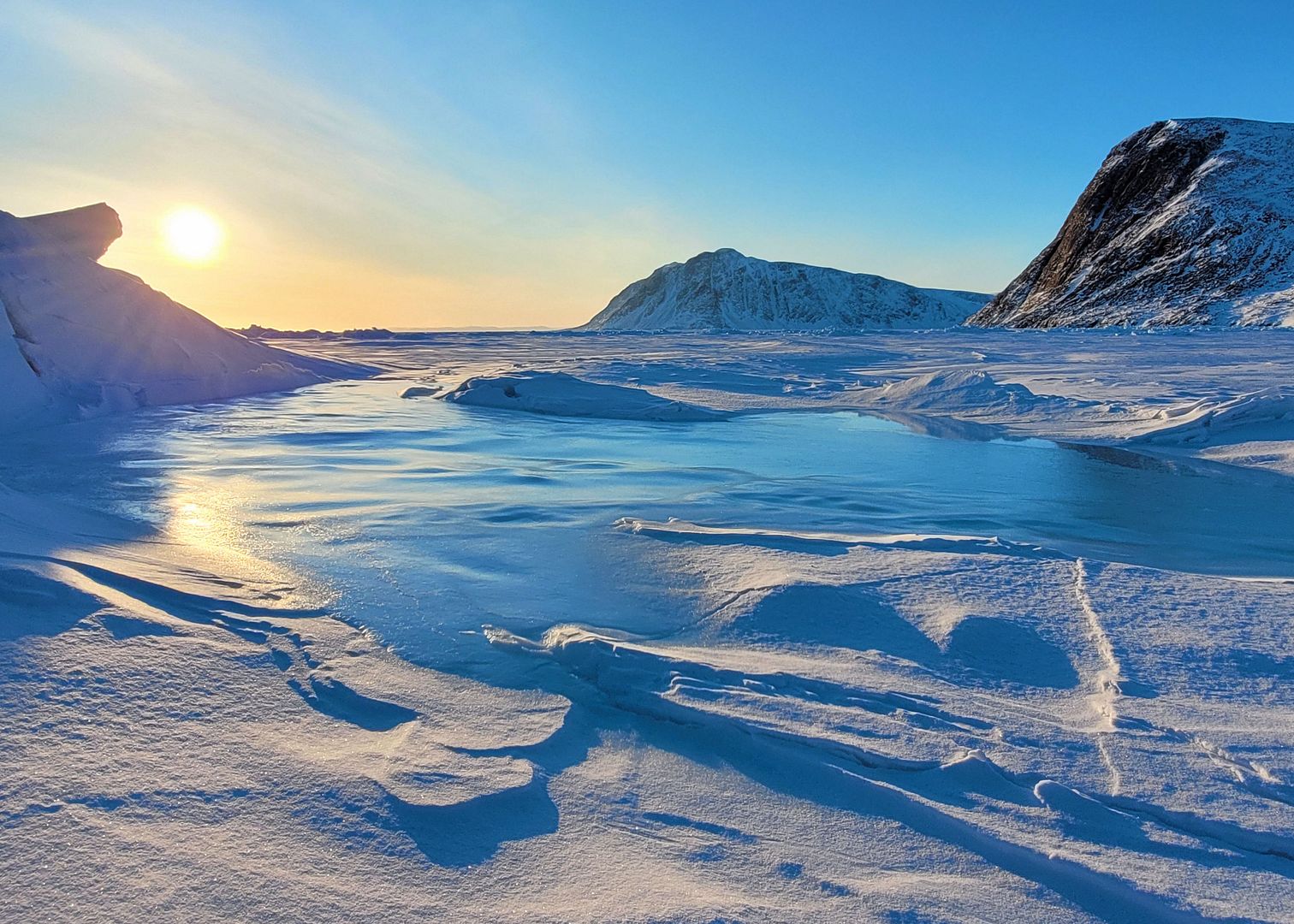
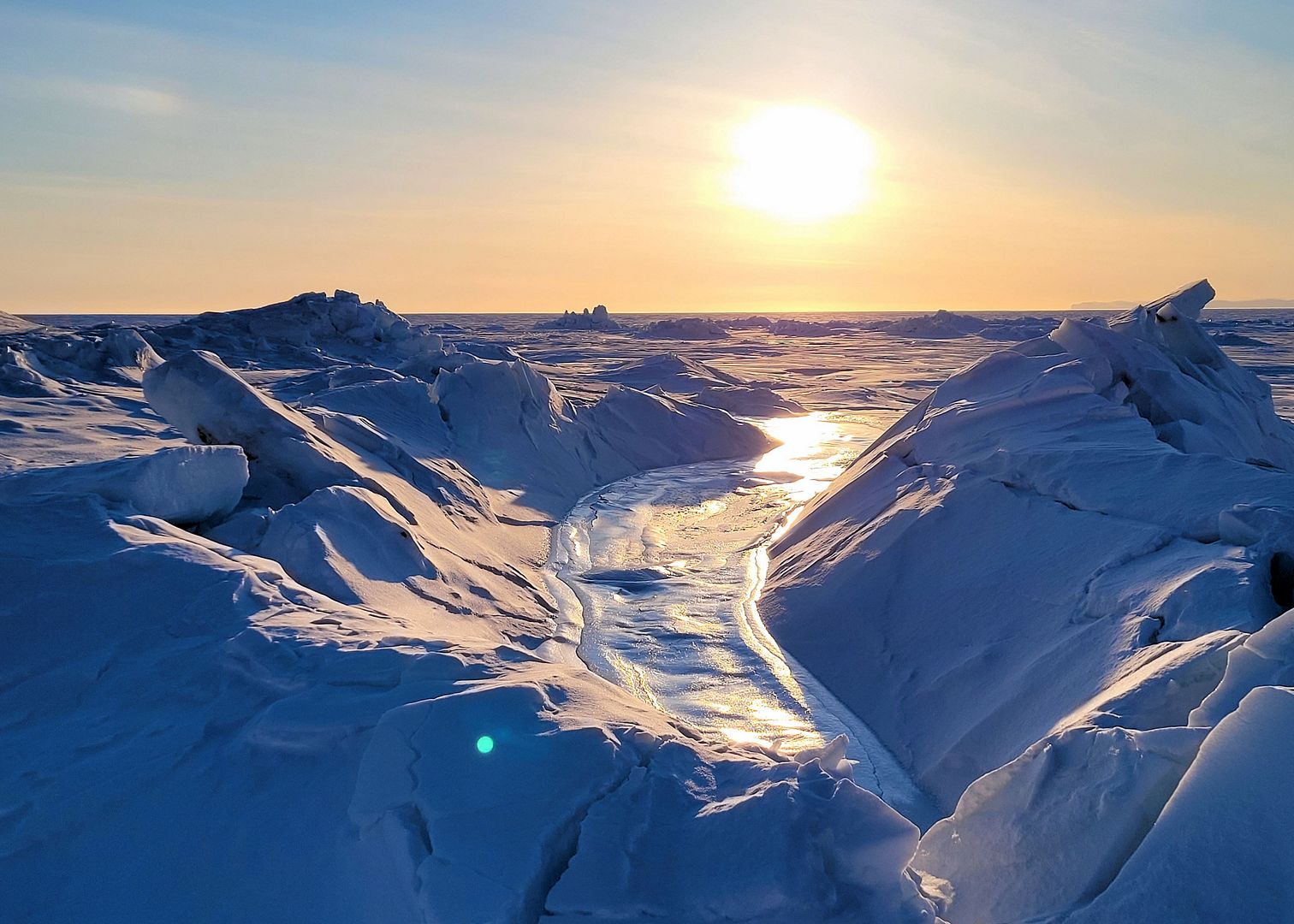
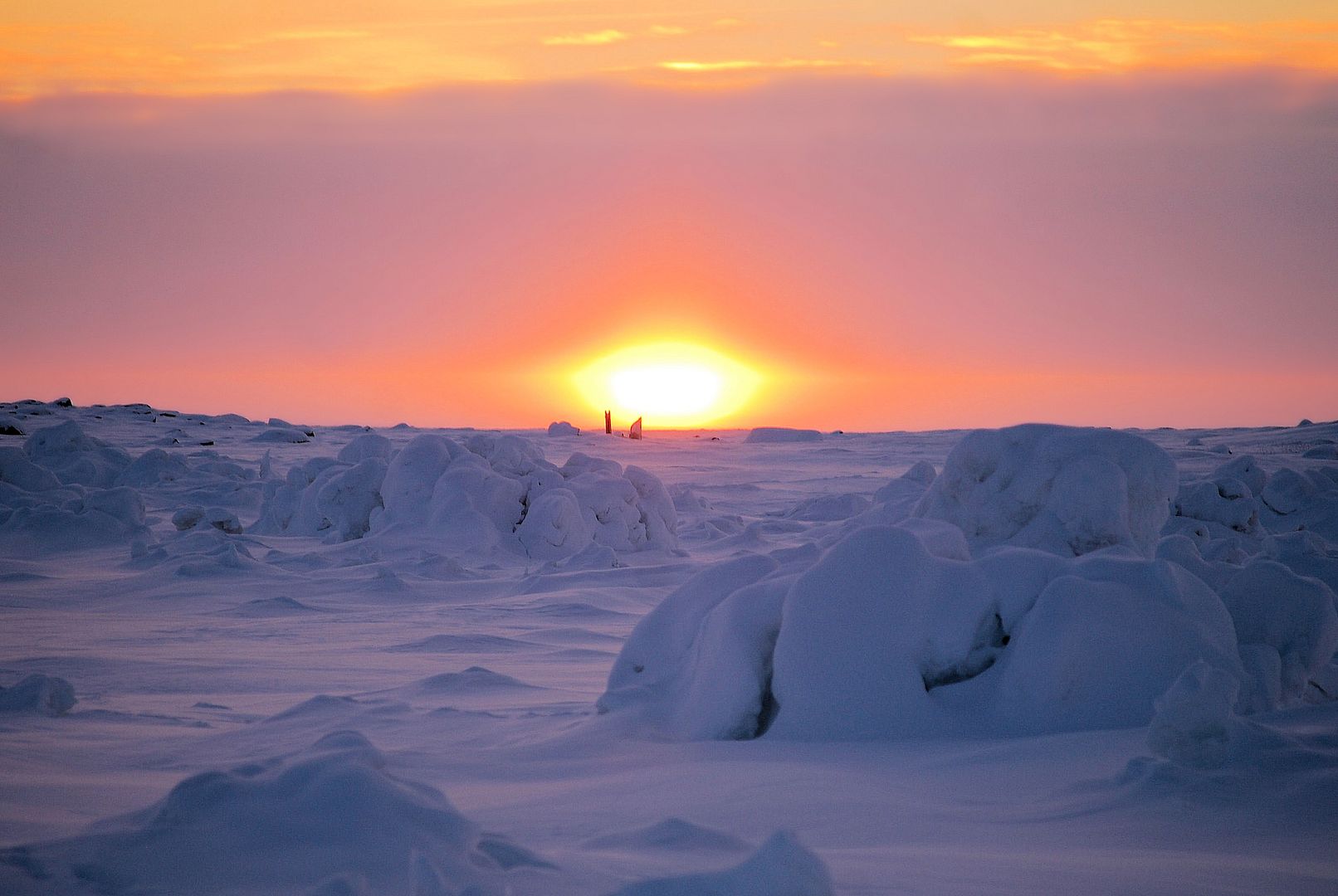
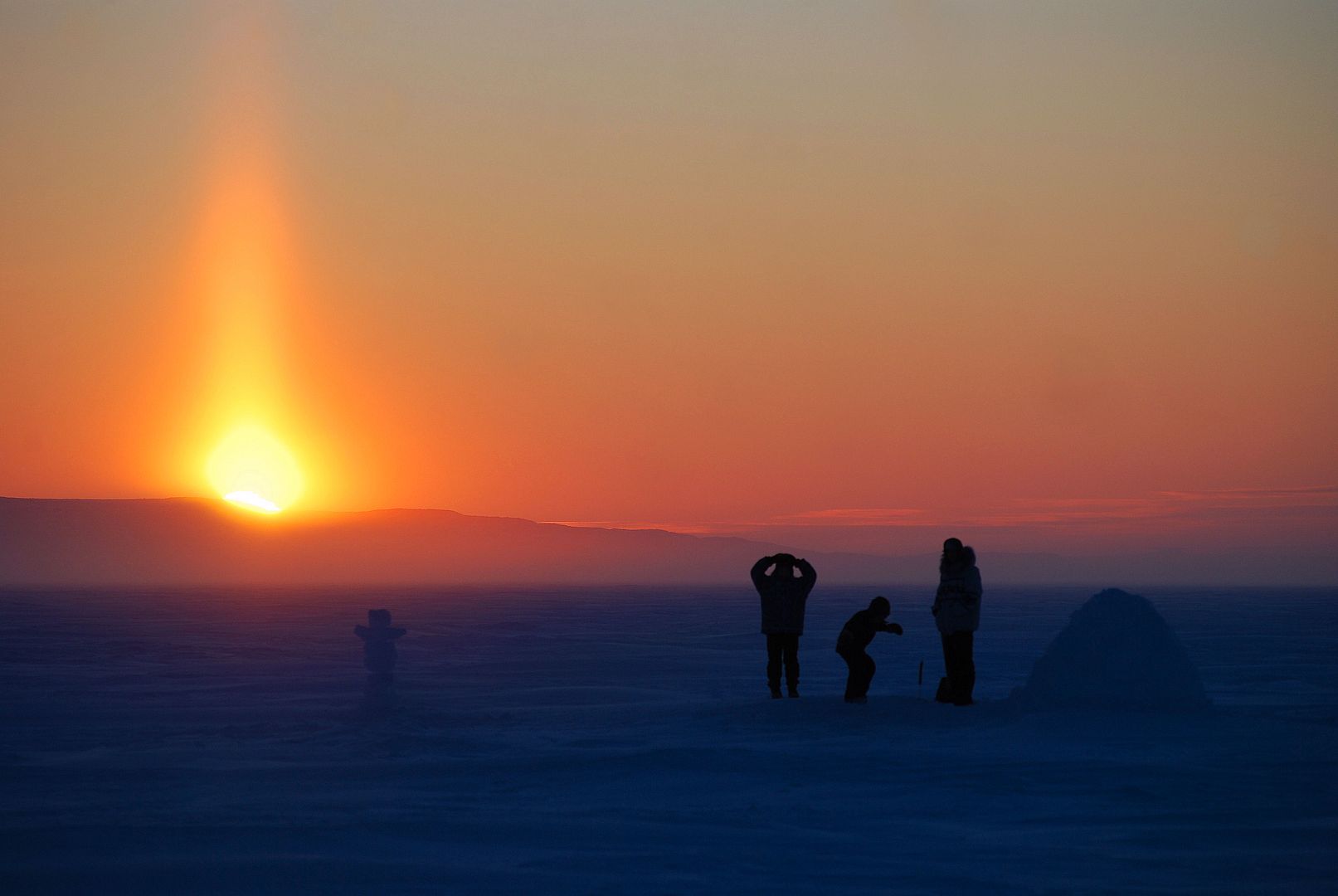
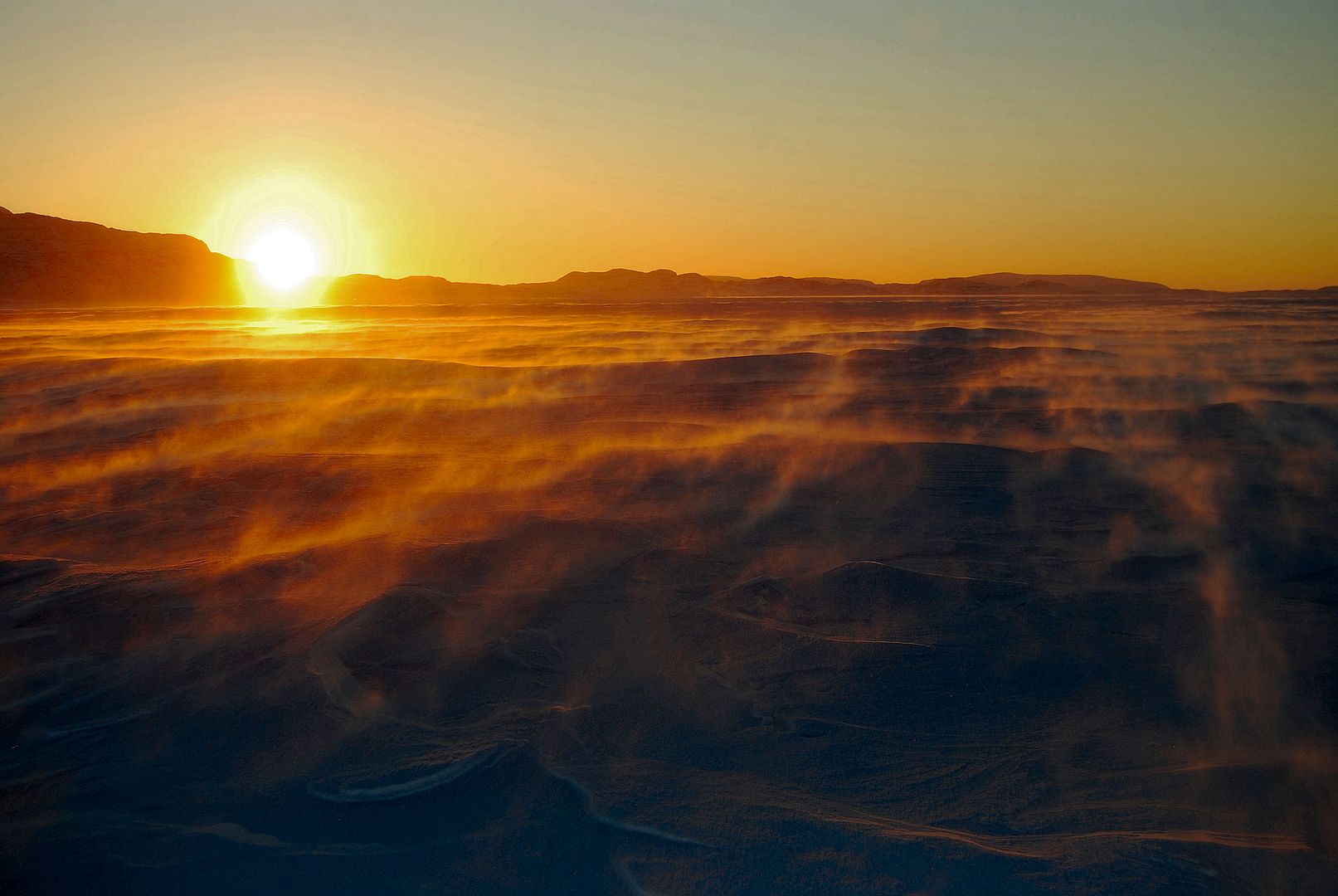
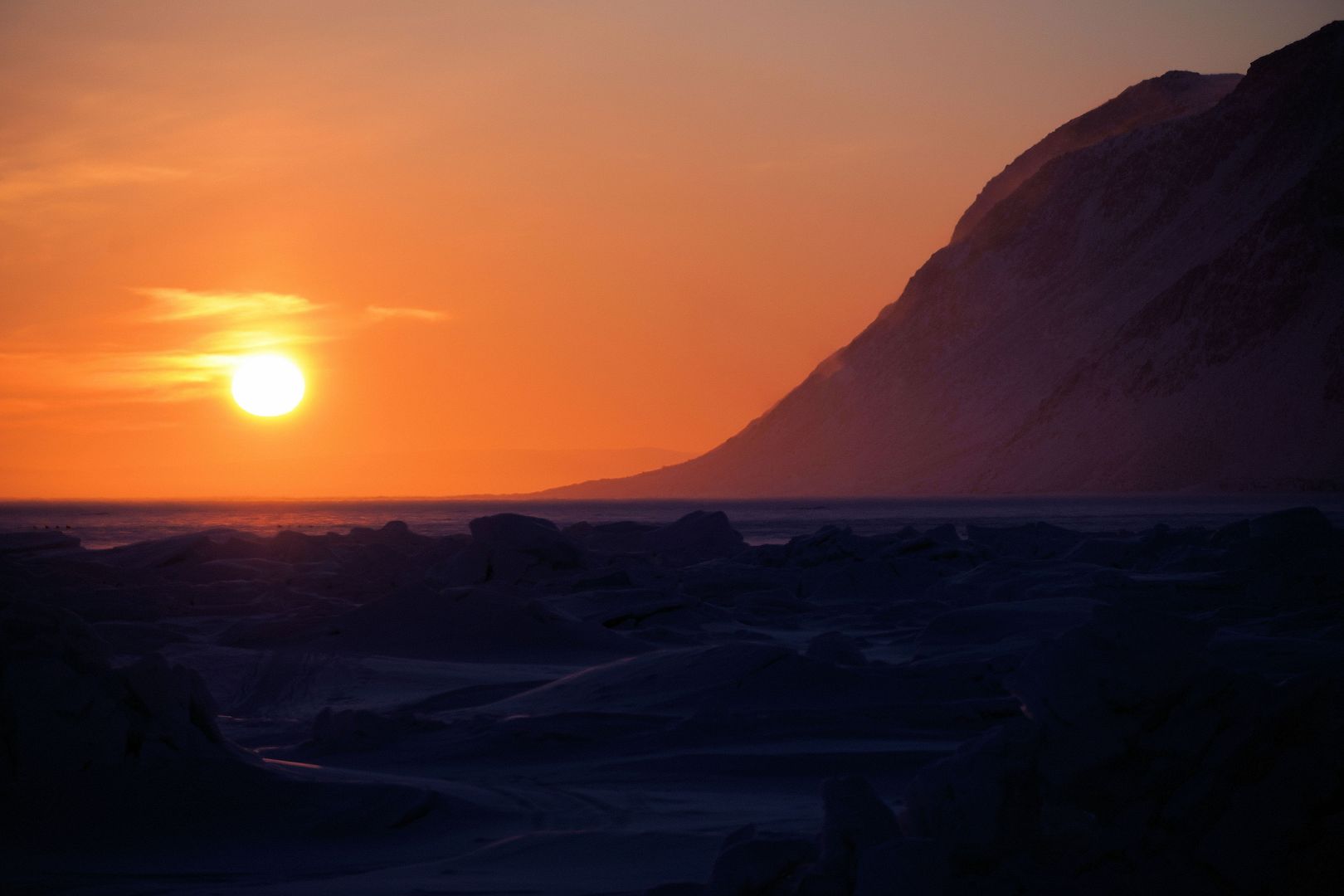
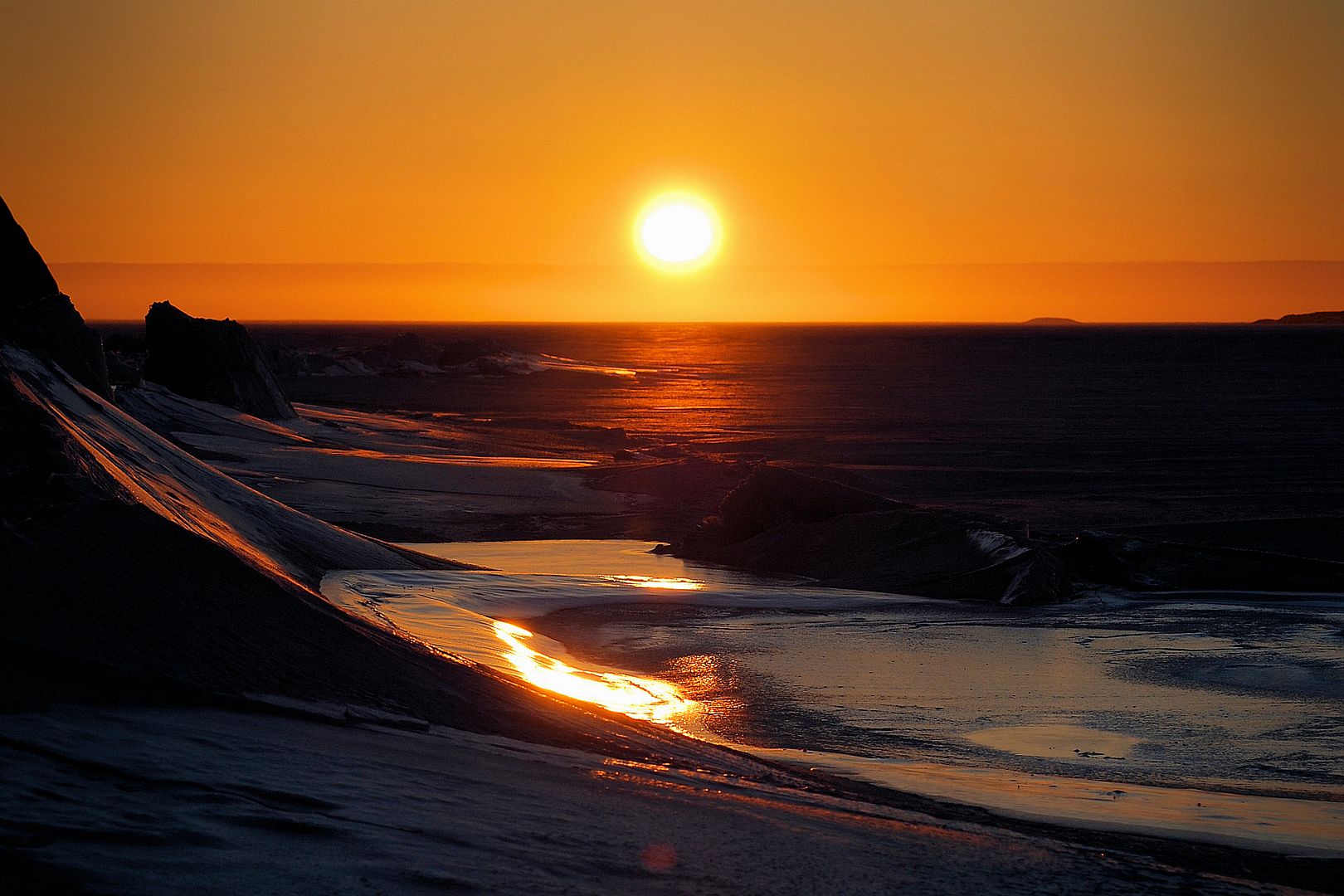
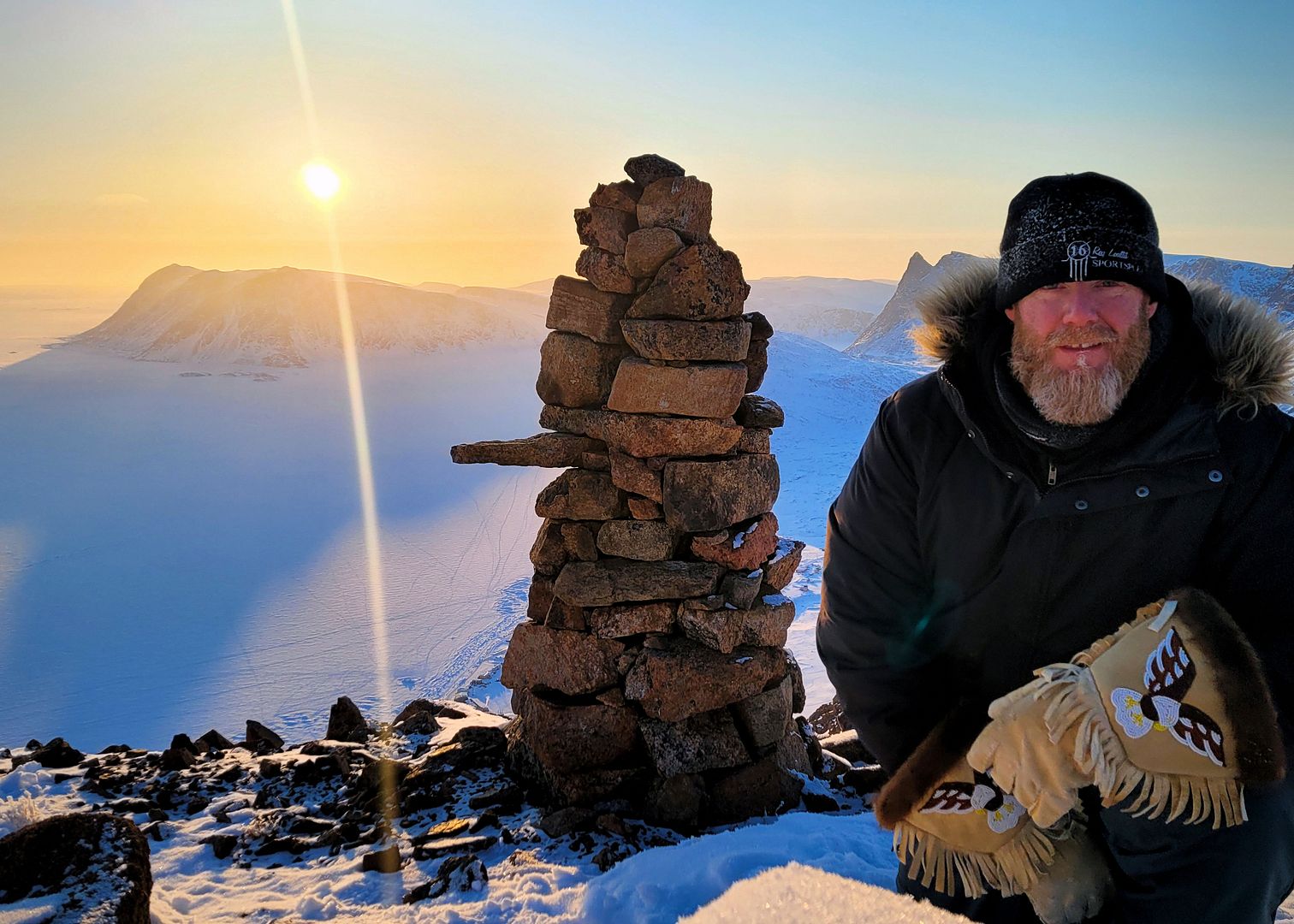
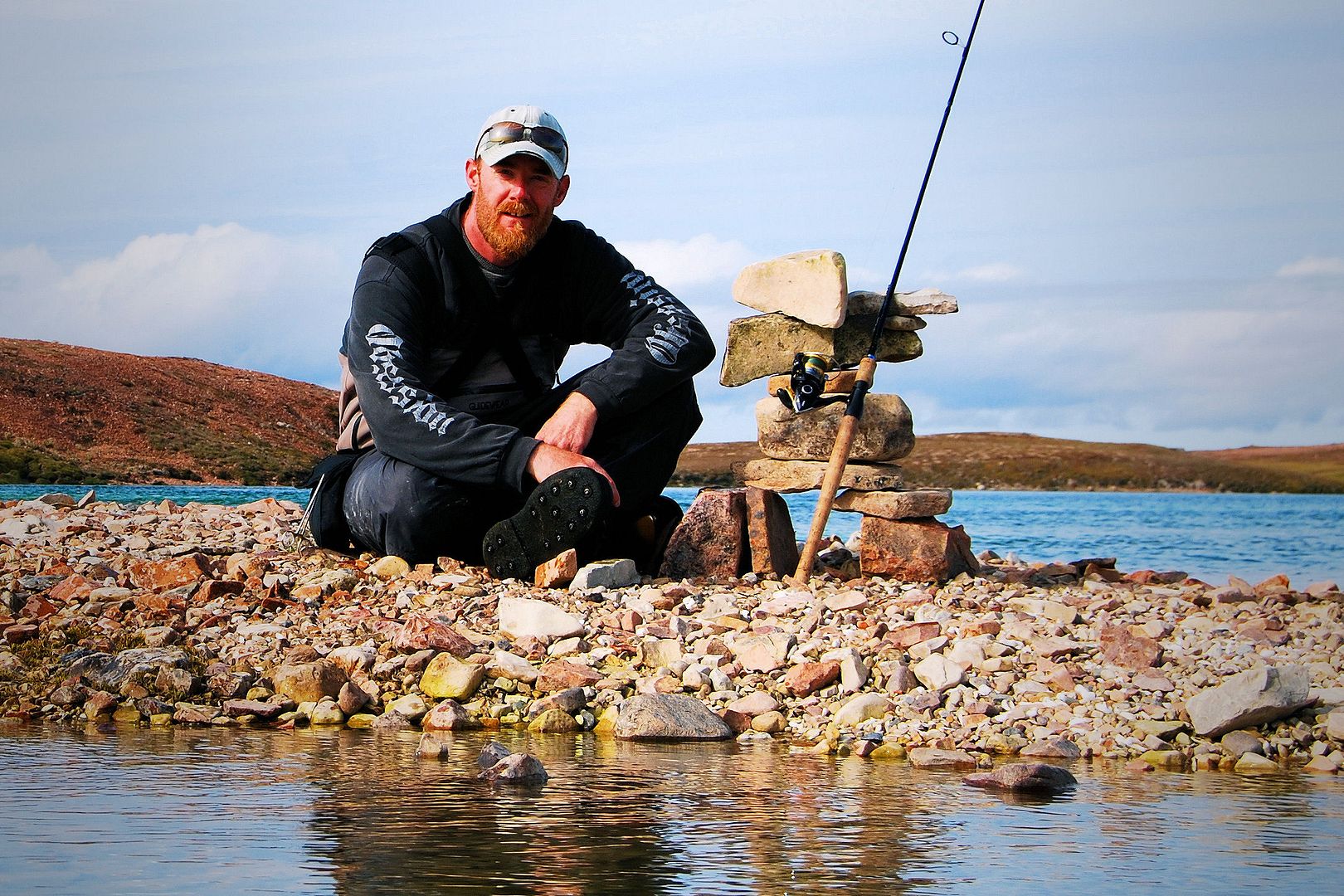
While on-call for emergencies and parked idle in Arctic Bay this Easter Monday, to pass the hours this big entry here at B.O.A. just came to mind. Why not write about this northern world which has provided so much, the land and fishing here in Nunavut two obvious things I have plenty experience with and find easy to share. The photos posted here make me smile too, as some of them are huge memories, when put all together like this they provide this cool snapshot of the arctic life too. It’s special what Northern Nurses and Nunavut Nomads do.
.
.
A great informative story, tks for sharing something majority of us will never experience. It opens up the world a bit for us down South in the 99%.
Good to hear from ya Dan! Open water just around the corner. Gotta get out of this icy world. lol.
Yes one can only dream about what your living. Amazing stories and photos.
MANY thanks for taking the time to prepare this article! There is some spectacular photography here! And I can practically “hear” you speaking the words of the narrative. Safe travels, my friend, and perhaps this will be the year we actually get together for a crappie slay again!
Thanks my bearded buddy! Crappie might happen, predict a late, high water start to spring. Do know May is gonna be a whirlwind, exhausted just thinking about it. Can’t wait to fish tho!